Your recommendations are in demand in our daily, practical work. The scientific and educational activities of PIR Center contribute to the formation and professional growth of the young generation of specialists. Graduates of the International School on Global Security find worthy application of the acquired knowledge and skills. We will continue to support your initiatives and undertakings. We at Smolenskaya Square appreciate constructive cooperation with PIR Center.
Sergey V. Lavrov
Minister of Foreign Affairs of the Russian Federation
The PIR Center Education & Training Program is one of the organization`s core programs. It was founded in 1997 on the basis of the National Research Nuclear University MEPhI (Moscow Engineering Physics Institute), where, with the participation of PIR Center, a learning module on nuclear nonproliferation was launched as part of the M.A. Program of the National Research Nuclear University MEPhI.
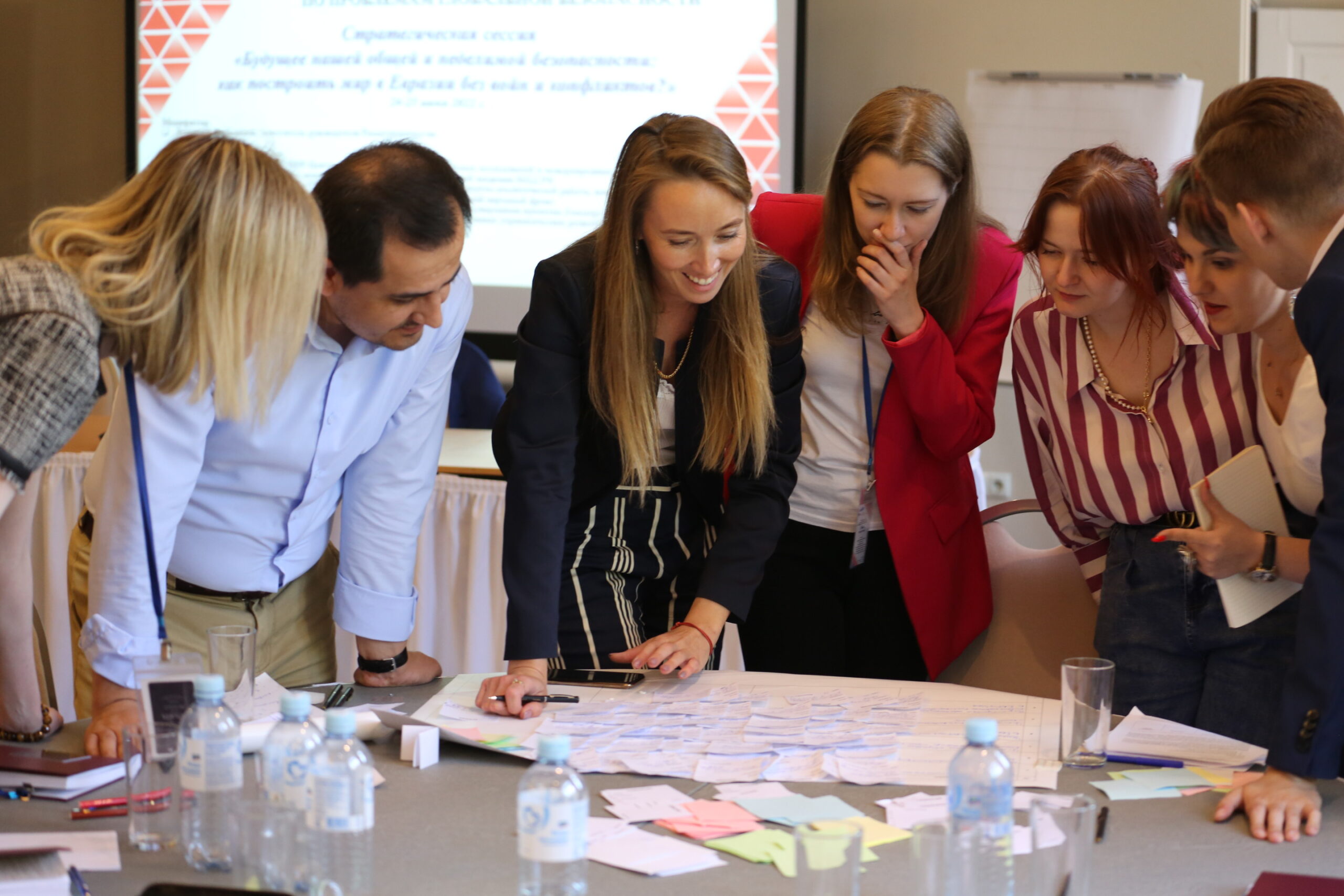
The PIR Center Education & Training Program is designed to provide high-quality training of qualified specialists, the development of innovative educational methods, as well as the accumulation of knowledge and its transfer from professionals to young experts in the field of nuclear nonproliferation, disarmament, and global security.
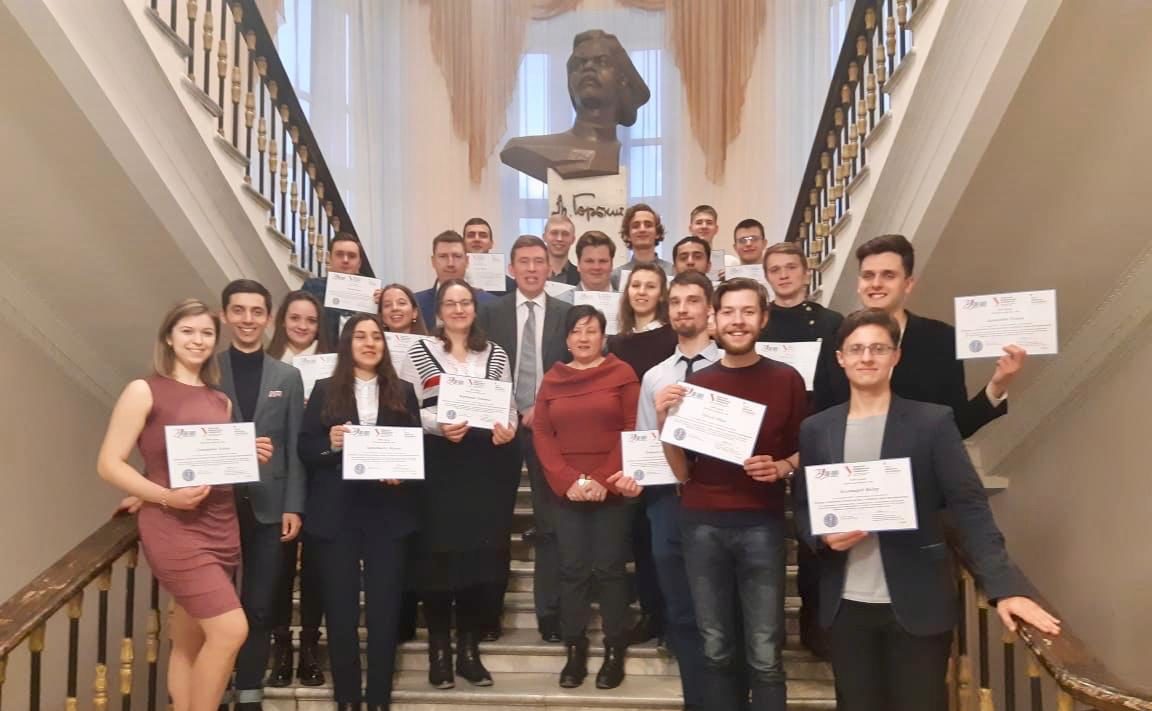
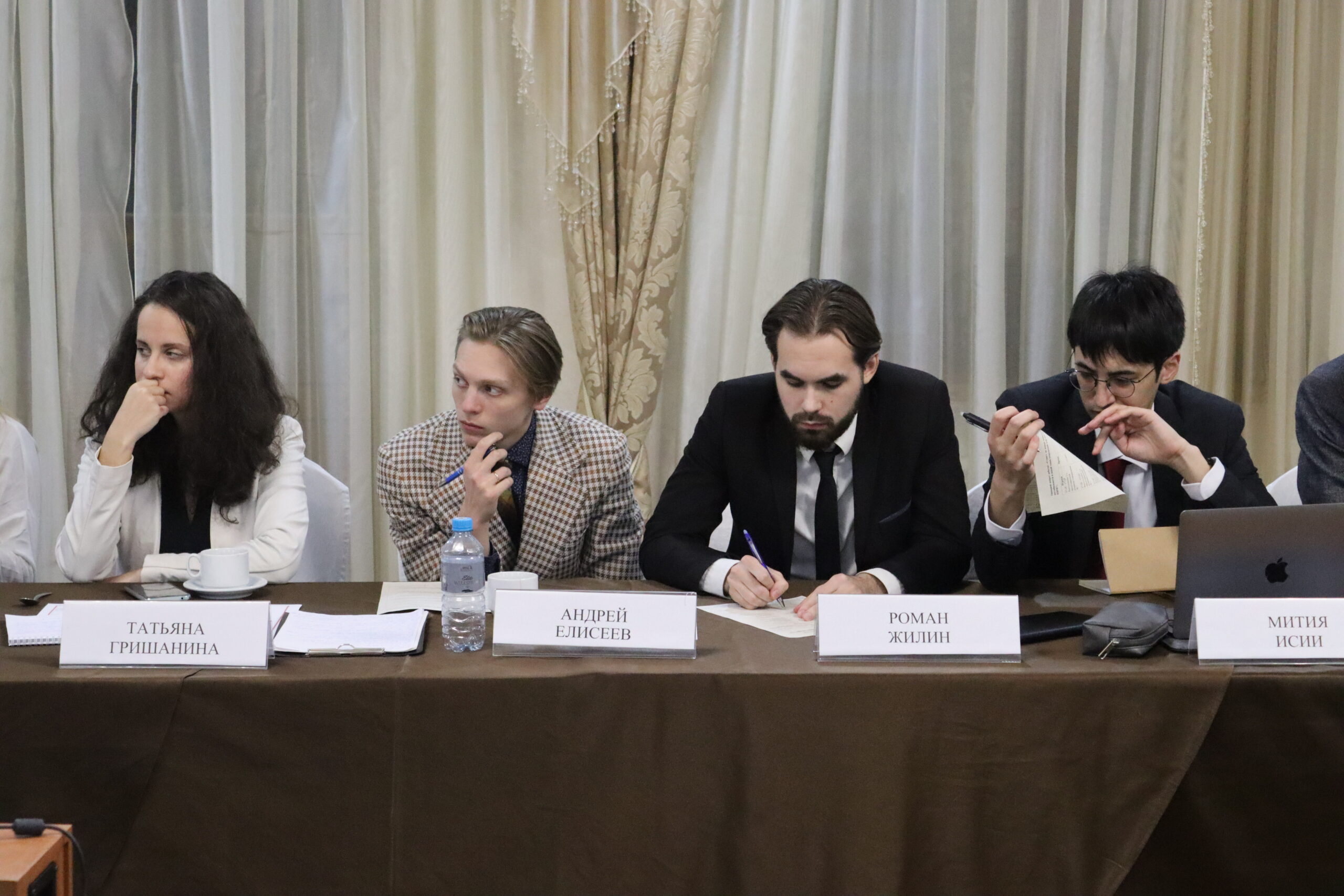
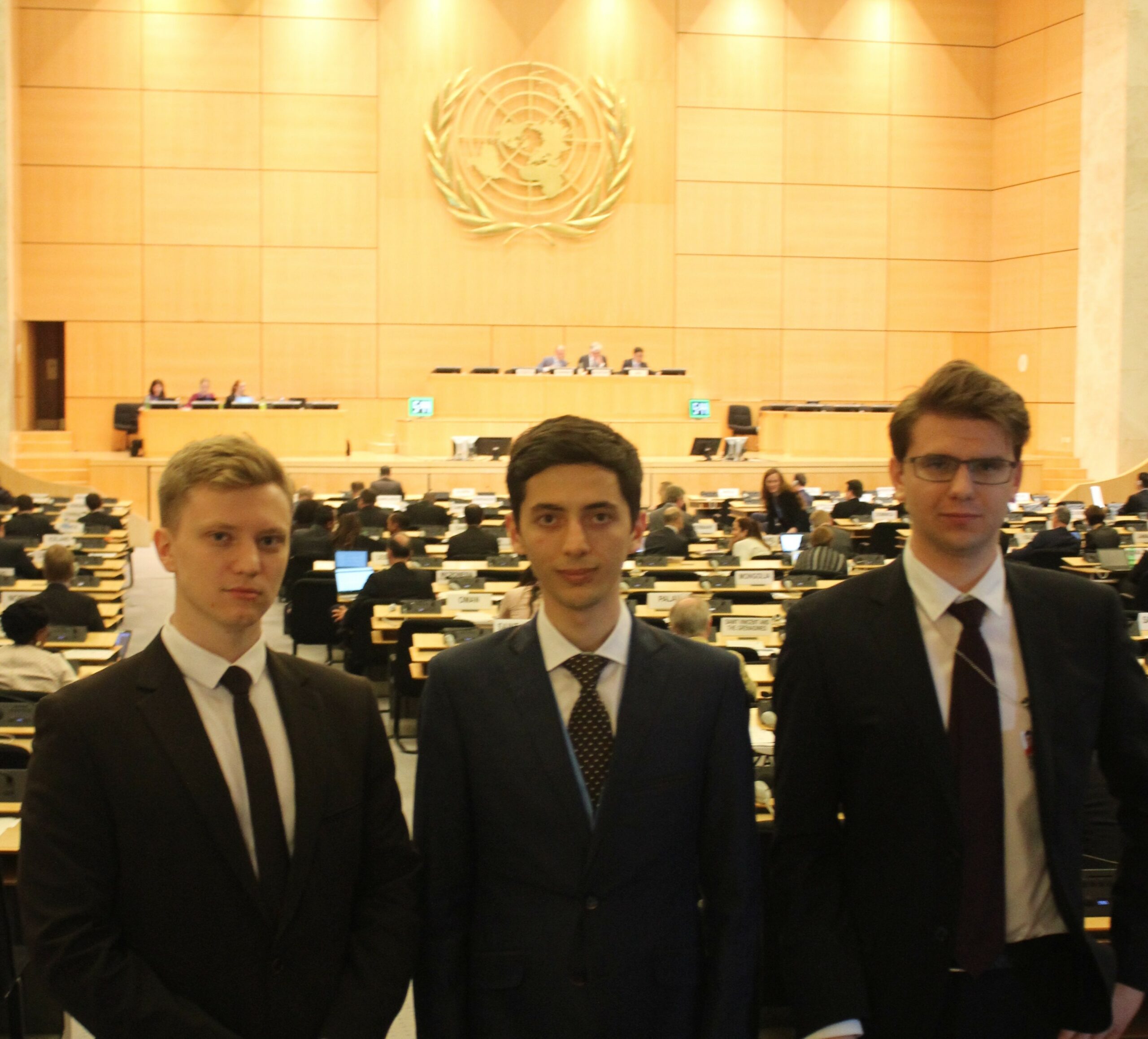
PIR Center occupies a solid niche among NGOs conducting scientific, educational and consulting work on global security issues. For many years you have been providing high-quality analytical materials on nuclear nonproliferation and countering new threats and challenges. Hundreds of politicians, diplomats, military personnel and public figures from the CIS countries have completed training courses, internships and trainings in the format of the annual International School.
Sergey K. Shoigu
Minister of Defence of the Russian Federation
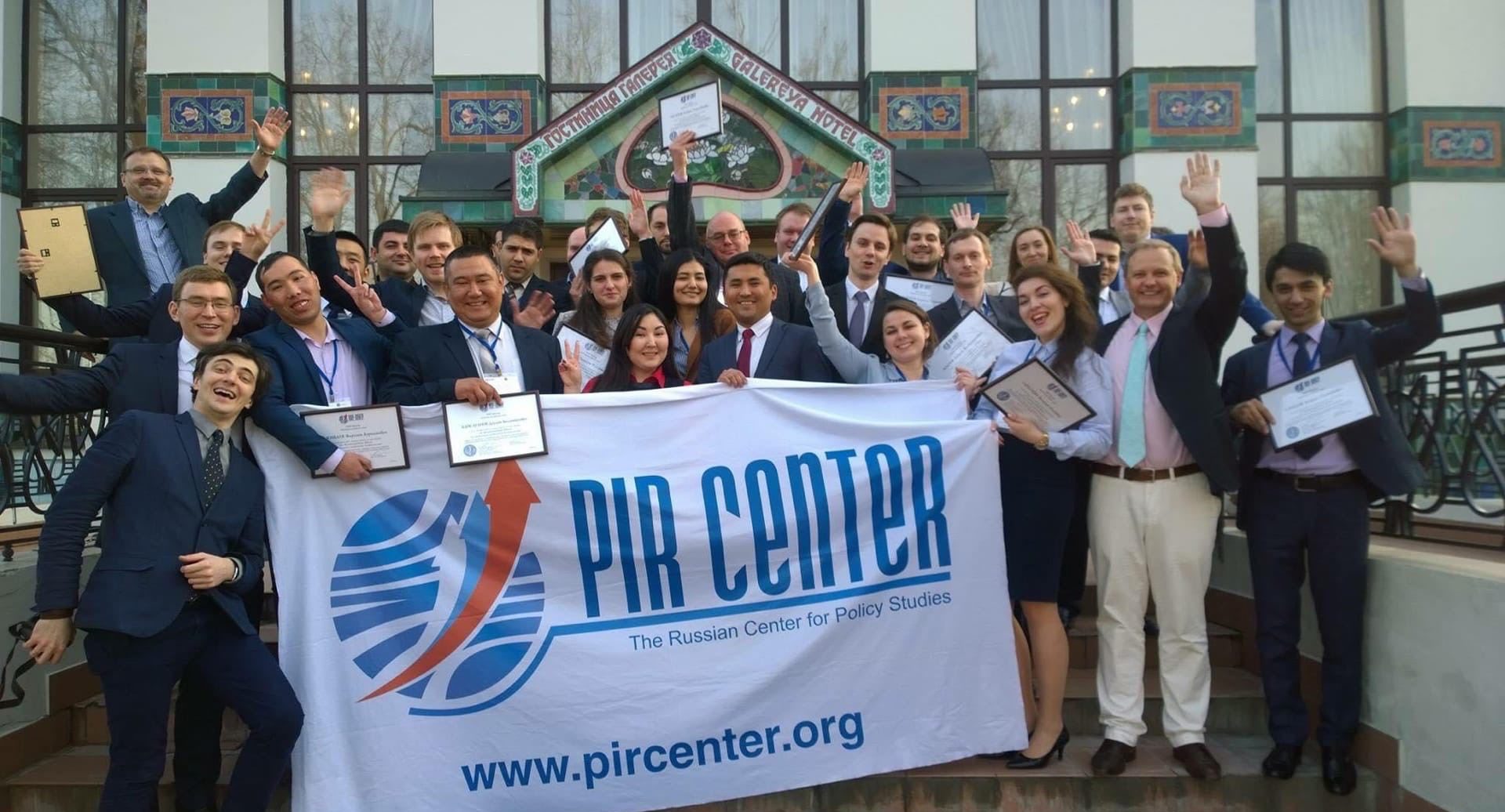
Since the beginning of its active educational activity, PIR Center has trained more than 1,000 beginners and practitioners from Abkhazia, Armenia, Azerbaijan, Belarus, Canada, China, Czech Republic, Finland, France, Georgia, Germany, Greece, India, Iran, Ireland, Italy, Japan, Kazakhstan, Kyrgyzstan, Mexico, Moldova, Mongolia, Montenegro, North Macedonia, the Republic of Korea, Romania, Russia, Slovakia, South Ossetia, Spain, Sweden, Switzerland, Syria, Tajikistan, Turkmenistan, Ukraine, USA, Uzbekistan and many others countries.
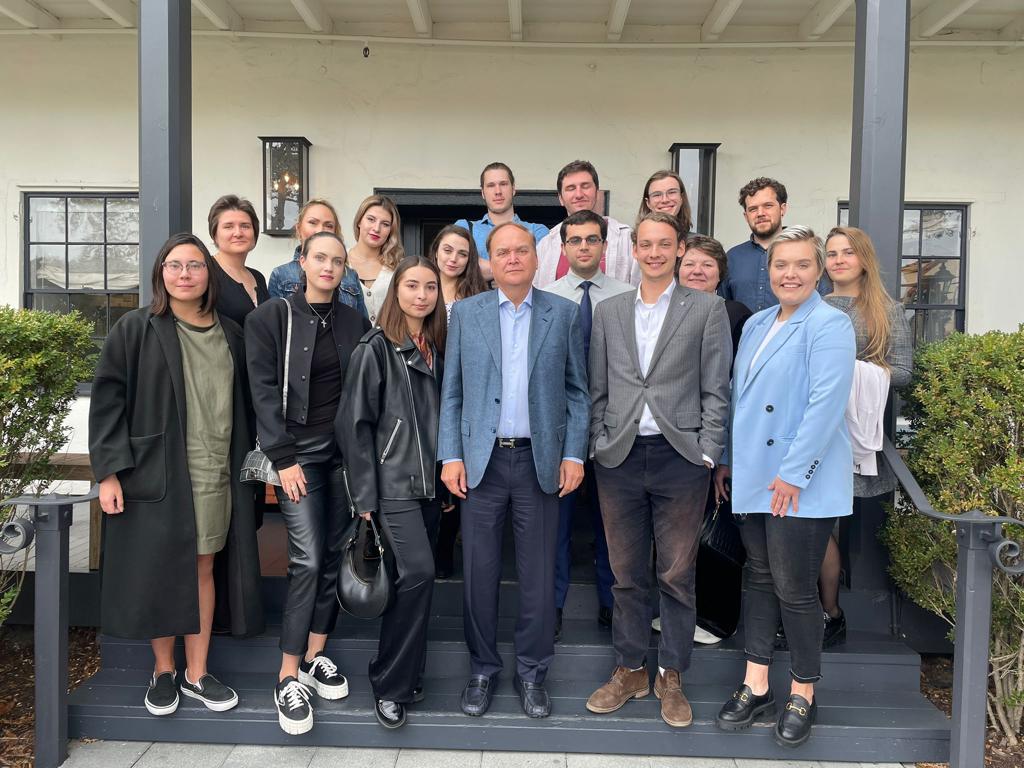
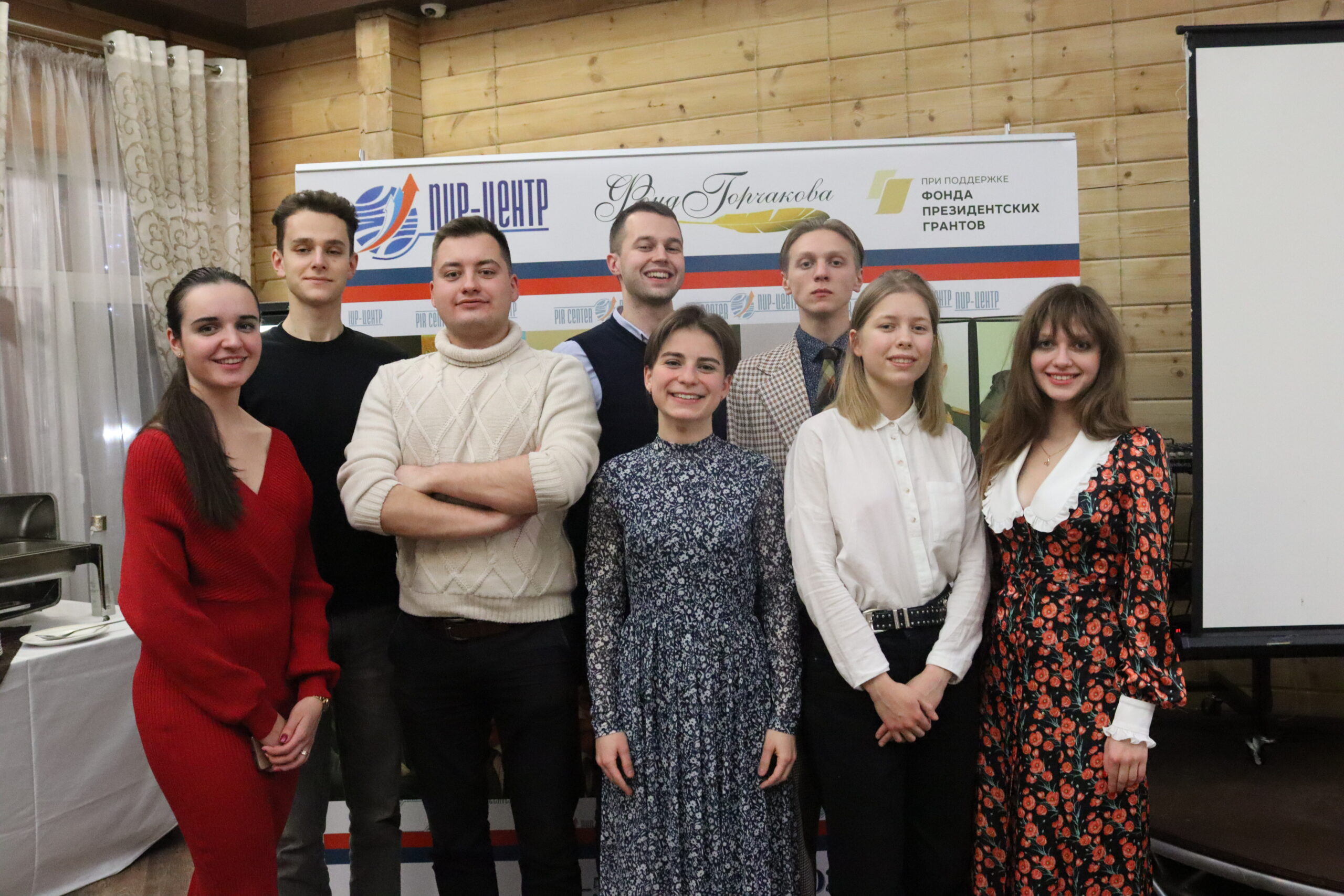
PIR Center Education & Training Program graduates are civil servants (diplomats and military), experts (researchers), teachers, students, journalists, public figures, representatives of international organizations and the business community.
I am sure that PIR Center School has provided a unique opportunity for you, 25 young and outstanding professionals, politicians, diplomats, military and civil servants, journalists, scientists, teachers and students, to gain experience, improve professional skills and contribute to a safer world through the acquisition of new knowledge. My Office values the experience of working with PIR Center as an independent Russian think tank that is firmly committed to the comprehensive study of security issues in the Commonwealth of Independent States and beyond.
Izumi Nakamitsu
UN Under-Secretary-General and High Representative for Disarmament Affairs
The training of highly qualified personnel among young specialists in the field of international security will always be one of the key conditions for successfully countering the challenges and threats to global security. Using the potential of non-profit foreign policy-oriented organizations, promoting cooperation between the public and private sectors, non-governmental research institutes and international organizations will raise the bar for educational activities in the field of nuclear nonproliferation, arms control, nuclear disarmament, global security, as well as bring new elements and innovative educational methods into the system of specialized education.
All this will contribute to the involvement in research and project activities of creative talented youth, which will be able to propose new approaches, views and initiatives to solve urgent problems of nuclear nonproliferation, arms control and global security.
Over the past quarter of a century, PIR Center has gained well-deserved authority in domestic and foreign academic and public circles. Thanks to the high professionalism of the staff, the expert and educational activities of the Center are becoming more effective every year, making a significant contribution to the training of the modern generation of Russian IR specialists.
Anton E. Vaino
Head of the Administration of the President of the Russian Federation
PIR Center Education & Training Program in numbers
MORE THAN 1000
PIR Alumni Community members
MORE THAN 800
PIR Center Education & Training Program graduates
MORE THAN 39
countries are included in the geography of PIR Center educational activities
8 CATEGORIES
of target audience: civil servants (diplomats and military), experts (researchers), teachers, students, journalists, public figures, representatives of international organizations and the business community
For questions related to the Education & Training Program, please contact the Deputy Director – Education and Training Program Director Elena A. Karnaukhova by e-mail edu@pircenter.org.