Comprehensive overview of current events and trends in the field of international security and international relations
Rarotonga: The Treaty That Lost Its Teeth
Mr. Artem Astvatsaturov, MA Candidate in International Security at MGIMO University, PIR Alumni Community Member since 2025
6 October 2026
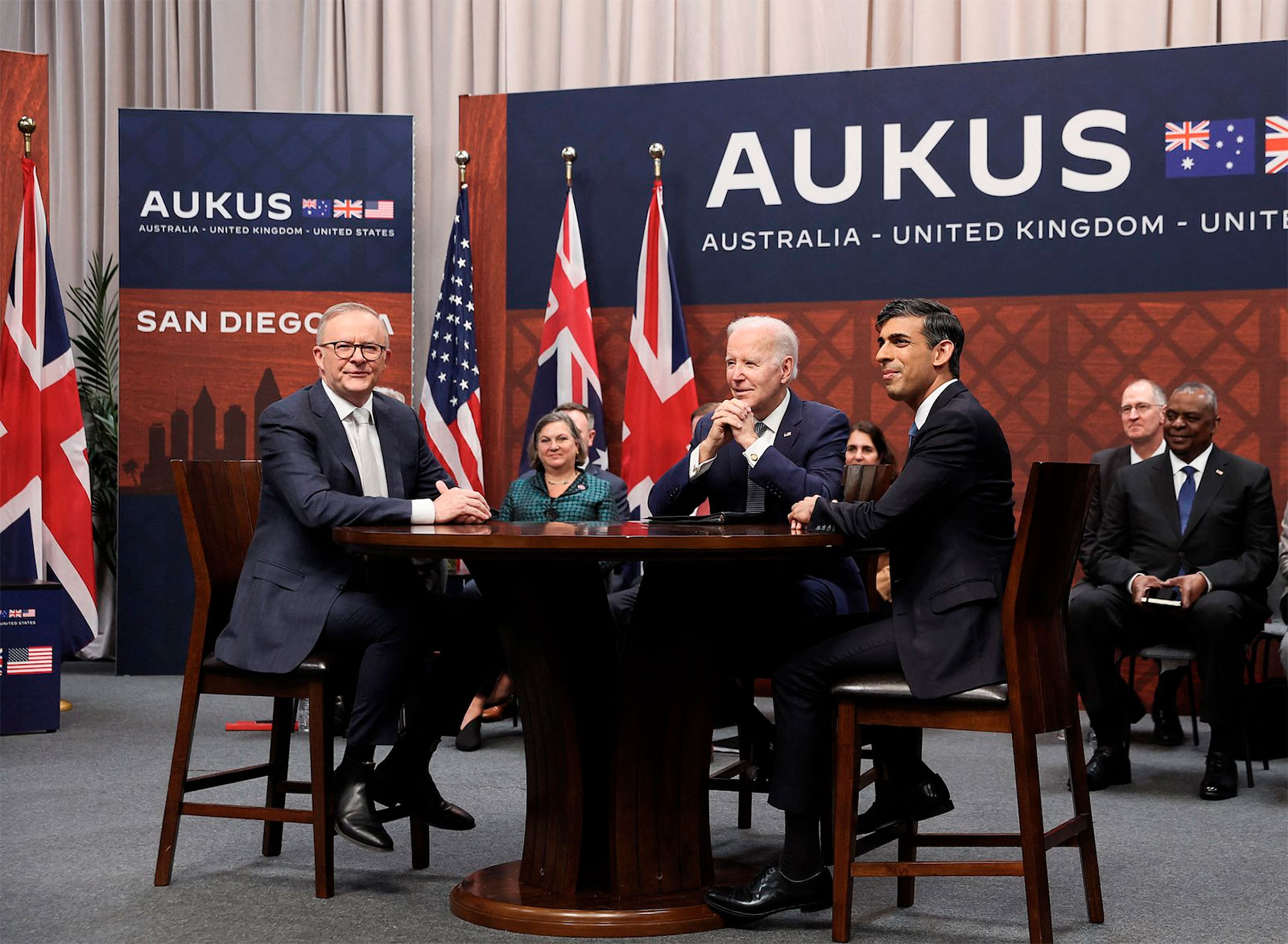
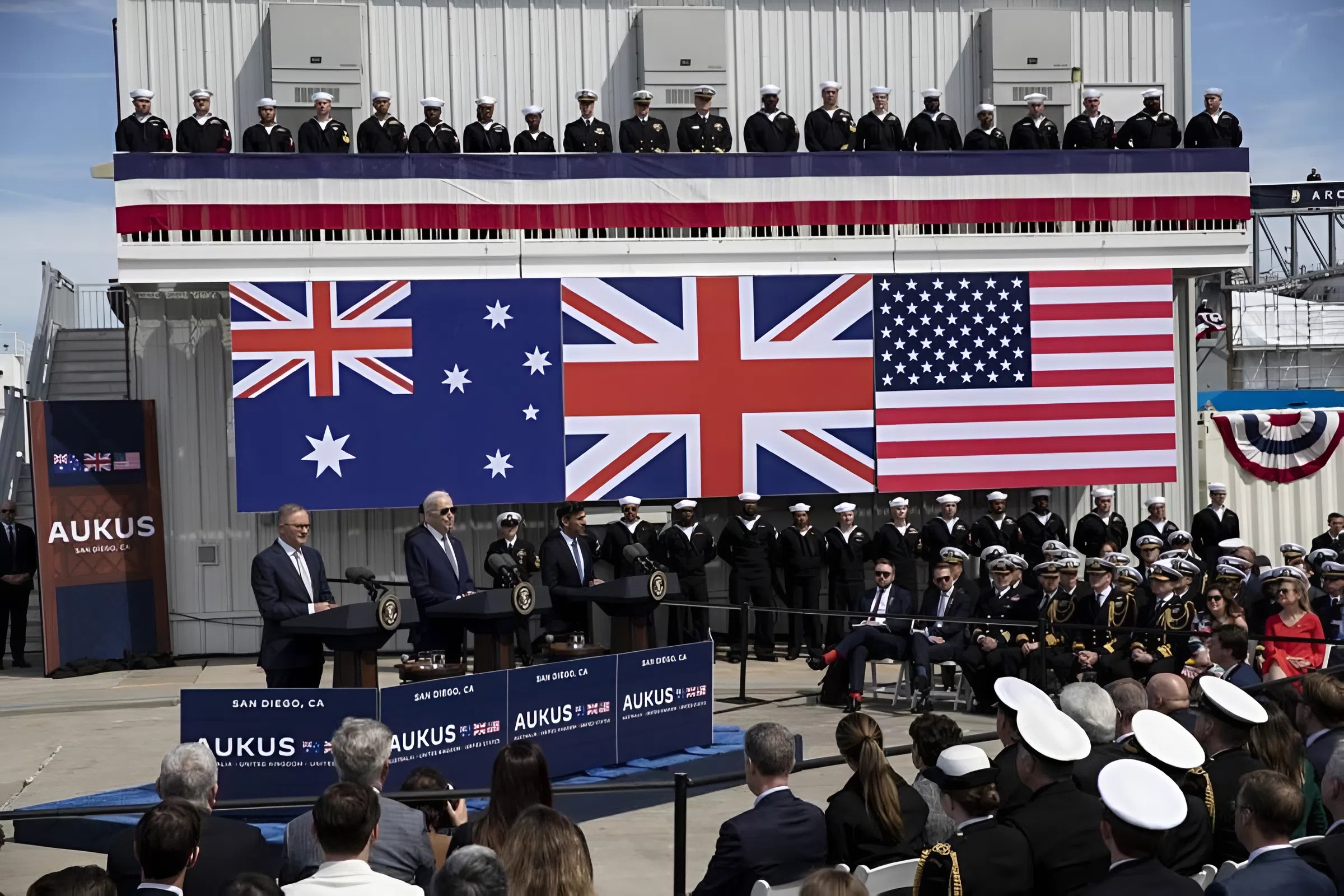
1985 saw Australia and New Zealand alongside 11 pacific islands countries (PICs) [1] signed the South Pacific Nuclear Free Zone Treaty, also known as the Treaty of Rarotonga. The parties have agreed on the emergence of the regional nuclear-free zone, aimed at keeping the region free from nuclear weapons, nuclear testing, as well as radioactive waste dumping [2]. Following 40 years since the entry into force of the Treaty, the nuclear-free zone in the Pacific has been facing brutal challenges. From the one hand, a surge in military activity of Washington and Beijing coupled with AUKUS submarine (SSN-A) programme [3] and increased nonproliferation risks worldwide jeopardises the stabilised Pacific as well as the sustainable NWFZ. But from the other hand, the region has been militarised by the key global and regional actors since the 1950s. Indeed, intensified military activity of China is making the Pacific more fluid.
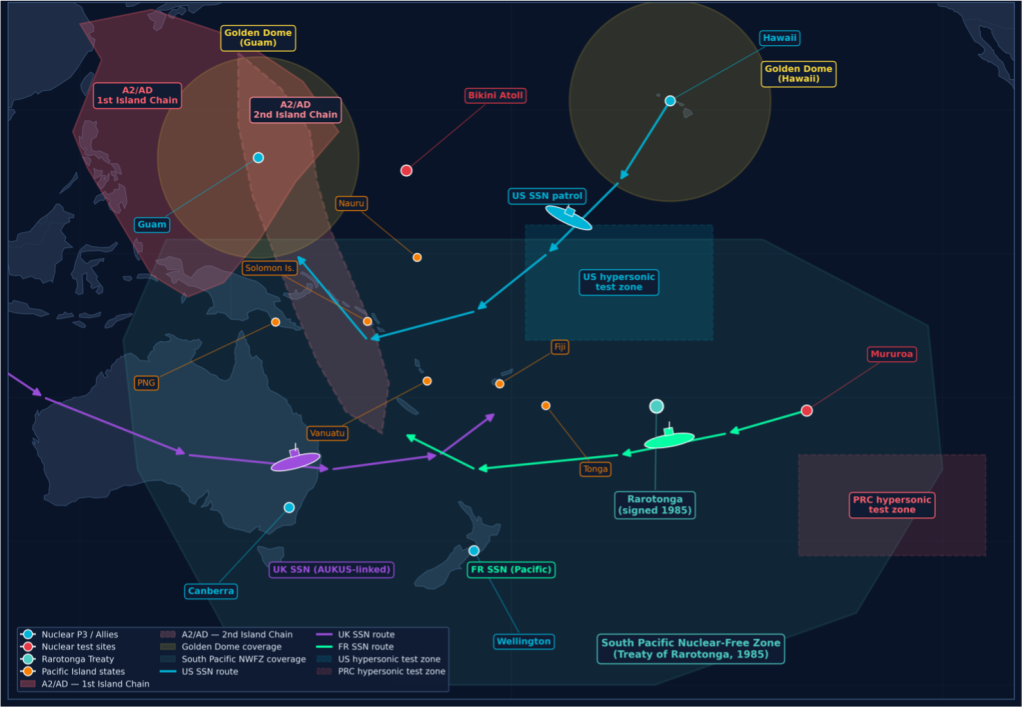
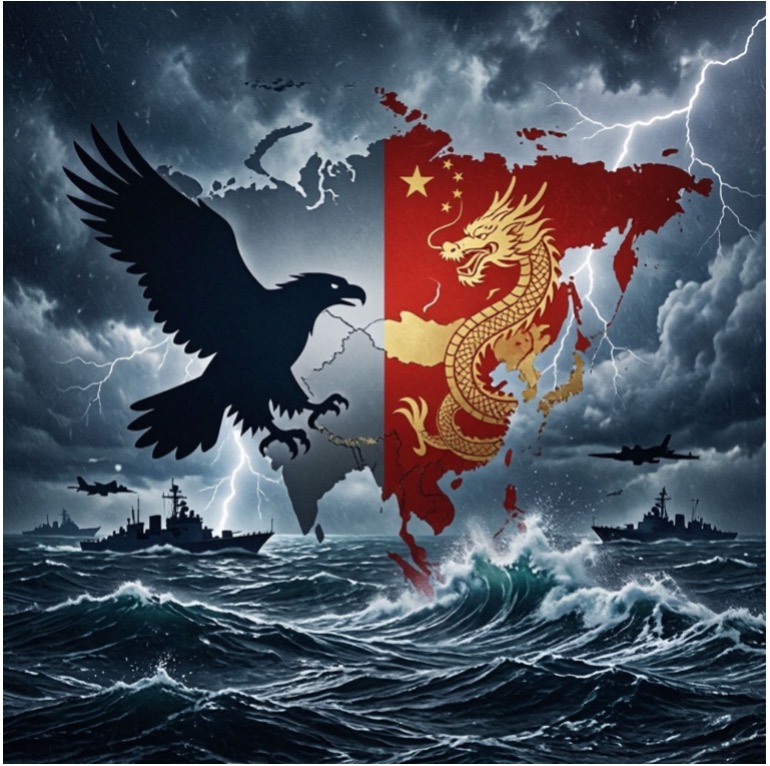
If US is keen on using a sword to promote its regional interests in order to make the Pacific more secure, referring to the latest concept of the US in the Pacific on Trump’s watch [4], China is likely to exploit economy measures to hold sway over the region. China under Xi Jinping’s presidency is seen to bash the US in dominating in the first island chain, with the countries, excepting Japan, redrawing their relationships with the White House [5]. So, there is no doubt the PRC is enjoying that leeway. The second island chain is plainly the apple of discord between Washington and Beijing due to both mineral and biological resources in the South Pacific. Also do the great powers consider the special geostrategic position of the region to defeat each other, exploiting both offensive and defence capabilities, drawing particular attention to scramjet-based cruise missiles (hypersonic weapons) and missile defence initiatives such as the Trump’s administration initiative The Golden Dome and Chinese anti-access/area denial (A2/AD) [6]. Whether the US or China will gain supremacy in the South Pacific, the region is expected to face a greater upheaval over the outlook period.
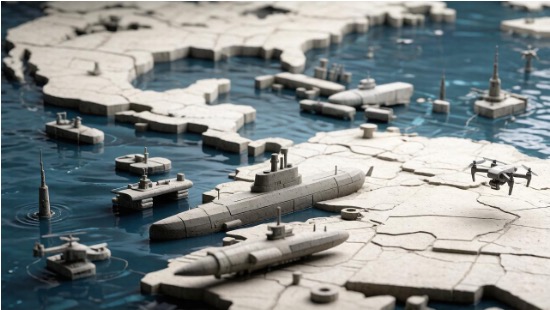
Map: Military Activity in the South Pacific* Source: compiled by the author
Serpents in the Garden: How Nuclear Ambitions Poisoned the Pacific Dream
Stepping back to the 1980s, the Pacific was up to core challenges, considering military interests of the US, UK, and France in the Pacific Rim and large-scale French and US nuclear tests in the Bikini Atoll and the Mururoa Atoll [7]. Enhanced US, UK, and French military in the region have been largely the core security interests of the P3. However, UK benighted military has forced London to take a different tack towards military build-up in the South Pacific, slimming down its own regional force posture, submarine procurement, and RDT&E [8]. Despite it, the UK prefers to cooperate with the US in this matter. Under the AUKUS agreement, the UK heavily relies on American technological transfer (specifically US nuclear propulsion tech and combat systems) to develop the future SSN-AUKUS, showcasing London’s inability to sustain advanced submarine RDT&E independently. Furthermore, the UK’s current Pacific strategy functions primarily as a force-multiplier for US Indo-Pacific Command, where British platforms rely on US logistical networks, satellite communications, and forward-basing infrastructure to remain operational in the region. France and the US have been implementing their foreign policy course to intensify oversight across the array of the territories under their hegemony in the South Pacific [9].
Amid a grand debate towards the regional NWFZ pending the negotiations on the sidelines of the Pacific Islands Forum (PIF), the three core issues were high on the agenda:
First, the prohibition of nuclear tests. The South Pacific was used for decades as a major testing ground, enduring over 300 nuclear detonations by foreign powers. Atmospheric and underground tests heavily contaminated local coral atolls, lagoons, and the marine environment. De facto, the great nuclear powers, engaged in the region, deeming it necessary to halt nuclear tests against the backdrop of massive protest activity in Australia, New Zealand, and some PICs. Suffice it to mention that in the early 1980s Wellington was determined to establish a national NWFZ, albeit it was perpetrated merely in 1987 [10]. These developments prompted the great powers (predominantly the US and France) to reduce nuclear tests in the region, taking into account a foreign policy logic and strategies of Washington and Paris. The cessation of atmospheric and underground nuclear testing in the South Pacific by the United States and France reflects a strategic evolution where physical detonations gradually became technologically redundant [11].
Following extensive test series, both nations succeeded in accumulating comprehensive empirical data regarding the yields, effects, and overall potential of their respective nuclear arsenals. This robust baseline of physical measurements, coupled with the rapid advancement of sophisticated computer simulation modeling, effectively obviated the need for further live-fire experiments, allowing both states to transition to laboratory-based stockpile stewardship [12]. Nevertheless, this transition was far from immediate, particularly for Paris. While the South Pacific Nuclear Free Zone Treaty de jure entered into force in 1986, establishing a framework to halt such military activities, France consistently resisted immediate compliance. Driven by its doctrine of strategic autonomy (force de frappe) [13], France continued a controversial series of underground nuclear tests in French Polynesia – most notably at Mururoa and Fangataufa atolls – until 1996, efficiently delaying the region’s full transition to a non-testing regime for a decade after the treaty’s formal inception [14].
Second, some PICs sought to establish comprehensive environmental safeguards by restricting the land-based isolation and storage of radioactive materials as well as nuclear waste dumping. However, this environmental consensus was subtly complicated by Australia’s domestic strategic interests, backed later by New Zealand. While championing regional non-proliferation, Canberra maintained a nuanced position due to its own established national isolation sites and radioactive waste management facilities [15].
This ambiguity allowed Australia to support broader regional prohibitions while safeguarding its sovereign capacity to manage and store nuclear-related materials on its own territory. Currently, this underlying tension is poised to intensify significantly under the framework of the AUKUS submarine programme [16]. As Australia transitions to acquiring a conventionally armed, nuclear-powered submarine fleet, the contentious issue of high-level radioactive waste isolation will inevitably move to the forefront. Given that AUKUS agreement mandates Australia to manage the lifecycle of its naval reactors domestically, the trend toward expanding nuclear storage facilities will only accelerate. Consequently, despite decades of regional non-proliferation efforts, this development poses recurring and escalating threat to the ecological stability of the South Pacific, effectively reviving long-standing regional anxieties over environmental contamination [17].
Third, the drafting of the Treaty of Rarotonga exposed a profound geopolitical schism between the PICs and the region’s middle powers. While radical Pacific states like Vanuatu, Solomon Islands, and Papua New Guinea pushed for a comprehensive demilitarisation that would ban all missile testing and military activity, Australia and New Zealand successfully intervened to narrow the treaty’s scope strictly to nuclear explosive devices [18].
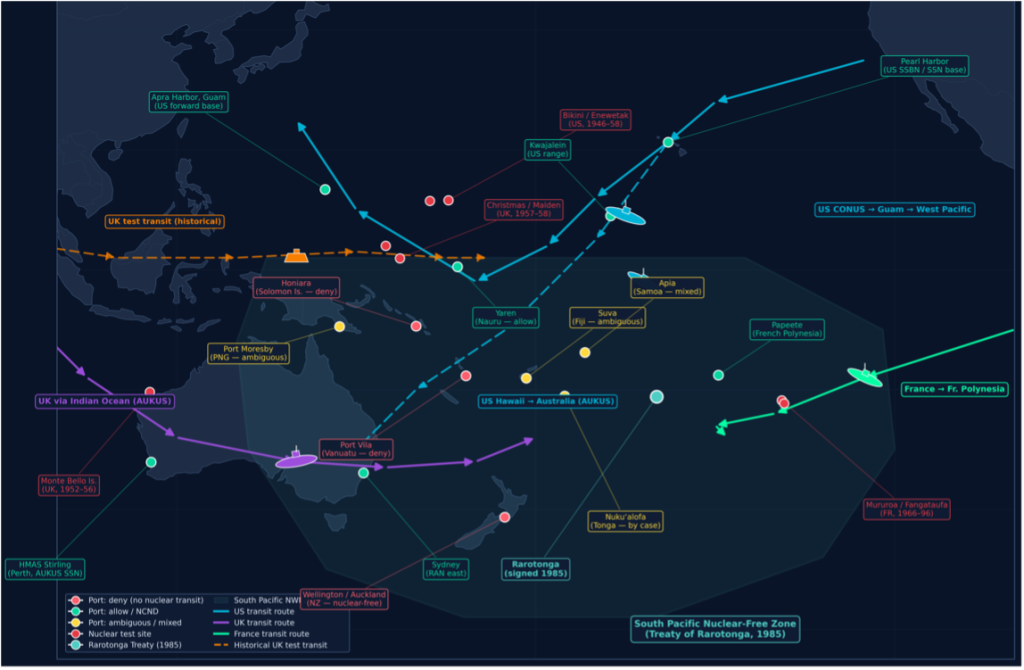
Canberra and Wellington intentionally limited the restrictions to ensure they could secure legally binding NSAs from the major nuclear-weapon states, particularly the United States, promising not to use or threaten to use nuclear weapons against treaty members. Furthermore, heavily influenced by its alliance with Washington under ANZUS, Australia adamantly insisted that the treaty must not prohibit the transit or port visits of foreign vessels carrying nuclear explosive devices through South Pacific territorial waters. This deliberate omission effectively preserved the U.S. Neither Confirm Nor Deny policy [19], enabling strategic Western naval movements while leaving the core demands of smaller Pacific nations for total regional denuclearisation unfulfilled [20].
Map: Nuclear Transit Routes in the South Pacific* Source: compiled by the author
The South Pacific would like to enter a veritable garden of Eden by establishing the regional NWFZ. While the region appears peaceful, enjoying ample rainfall and natural abundance, the underlying geopolitical reality tells a different story, obscured by threats such as the AUKUS submarine deal, incomplete US ratification, nuclear transit, and toxic environmental risks. Australia and New Zealand, due to their engagement in US-backed military activity in the region within ANZUS in the 1980-90s, brokered an agile NWFZ in the South Pacific, preserving the so-called fortochka of opportunity [21] for Washington to ramp up its military and nuclear capabilities without any restrictions for US nuclear transit throughout the Pacific. Alas, both Canberra and New Zealand have been crucial players within the PIF with a surge in military and technological inputs. Their survival in the region and morphing into middle powers worldwide cannot help asserting US authority by jolting other PICs into a great power rivalry. Rising China with immense geopolitical ambitions to dominate in the region has resulted in the outbreak a tit-for-tat war between US hawk and embolden Chinese dragon. Regretfully, the defiant PICs’ core initiatives [22] to diminish military activity of the superpowers in the South Pacific were rejected within the debate due to their drastic nature [23].
Vampires in the Pacific: Three Were Asked, One Wasn’t
Some analysts argue that the South Pacific NWFZ faces profound crises correlated with the principal nuclear proliferation risks; as a result, the regional nuclear nonproliferation region has become too volatile. But this does not reflect reality: the regional nuclear nonproliferation regime has been originally too vulnerable, and it is likely to fail to comprehensively restraint West’s military activity, since the P3 could not afford to jettison their regional capabilities and thus undermine influence in the key geostrategic region. According to Bram Stoker and Western mythology, a vampire is powerful, but his abilities are limited, and he can only cross the threshold of someone else’s house if he is invited. In the grand scheme of things, the situation is as follows: without knowing it, they had let three vampires from Washington, London, and Paris cross the threshold of their hut. But when yet another uninvited guest from Beijing stepped across that threshold without the hosts’ consent, the small island states began to suspect that something was seriously amiss. Hence, today the regional nuclear nonproliferation regime faces a few significant challenges and threats.
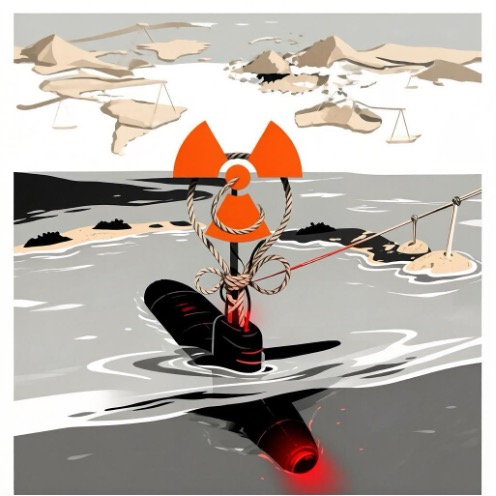
The AUKUS Noose: Tightening the Nuclear Leash on the South Pacific
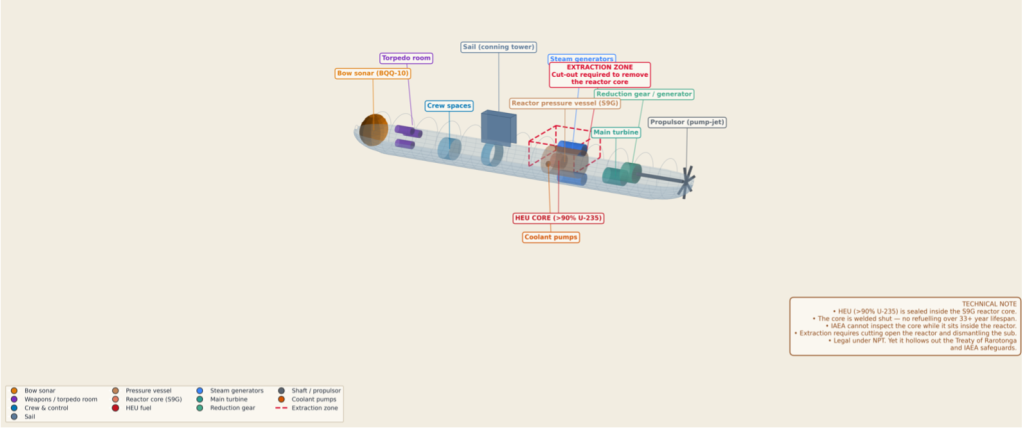
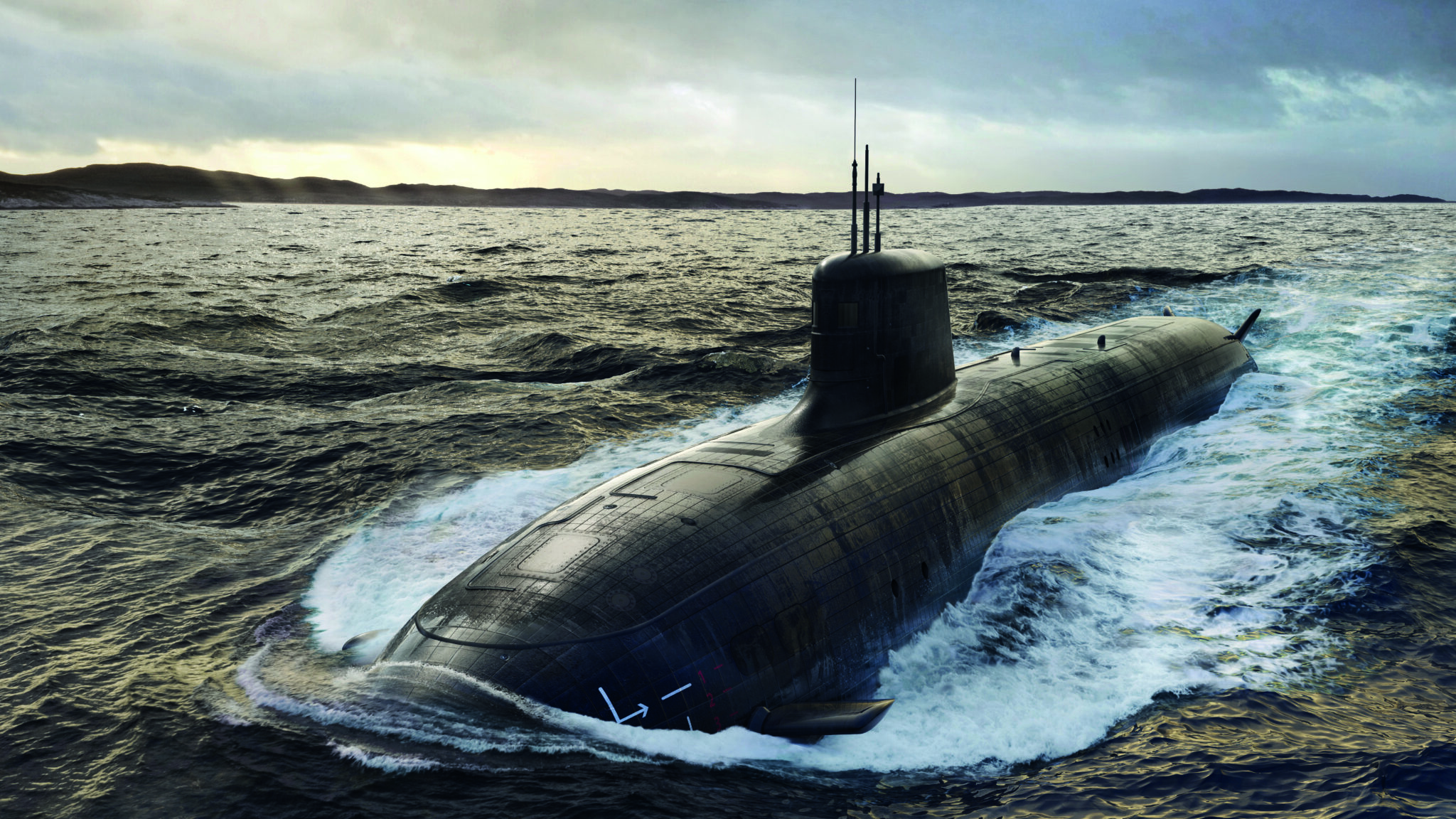
The first and the most severe challenge is the AUKUS’ military activity in the region. Transmitting three in-service Virginia-class nuclear submarines to Australia, which is non-nuclear weapon state, serves as a serious strain to the nuclear nonproliferation regime. De-jure, the AUKUS agreement complies with the NPT Treaty [24], as the treaty prohibits the further transfer of nuclear explosive devises and appropriate technologies, referring to the Comprehensive Safeguards of the International Atomic Energy Agency (IAEA) and the Additional Protocol, enshrined in the INFCIRC/153 and INFCIRC/540 respectively [25]. However, nuclear-powered submarines could not amount to these technologies and nuclear devices due to distinction between nuclear propulsion and nuclear explosives. Article 1 of the Treaty of Rarotonga set that a nuclear explosive device is explicitly defined as ‘any nuclear weapon or other explosive device capable of releasing nuclear energy, irrespective of the purpose for which it could be used.’ [26]. Submarine’s nuclear reactor is designed for controlled, sustained heat generation to turn a turbine and propel the vessel through the water. It is legally categorized as non-explosive military material [27].
The Treaty of Rarotonga specifically excludes the means of transport or delivery of a weapon if it is separable from the device. As long as the future SSN-AUKUS submarines carry exclusively conventionally armed cruise missiles or torpedoes, rather than nuclear warheads, the vessel is treated under international maritime law simply as a conventionally armed warship with an advanced engine. Under the NPT framework monitored by the IAEA, non-nuclear-weapon states are strictly prohibited from diverting nuclear material to build weapons [28]. However, Paragraph 14 of the standard IAEA Comprehensive Safeguards Agreement allows a country to temporarily withdraw nuclear material from regular IAEA civilian inspections if it is being used for a ‘non-prohibited military activity’ – such as naval nuclear propulsion. Australia is the first nation to exploit this specific clause, arguing that acquiring HEU sealed inside a naval reactor is entirely compliant because the fuel will never be reprocessed or converted into an explosive device [29].
The S9G reactor used in the Virginia-class submarines is designed to operate for over 33 years without refueling, covering the entire operational lifespan of the vessel. Consequently, Australia will have no domestic inventories of loose nuclear fuel, nor will it possess any equipment for handling, moving, or storing un-irradiated submarine fuel components [30]. ‘The core safeguard design relies on the fact that the nuclear material is locked within complete, welded power units that do not require refueling during their entire operational lifetime. This specific design feature fundamentally limits the risk of material diversion,’ the IAEA Director General Rafael Grossi’s report said [31].
Despite the IAEA technical resolution with regard to the Australia’s SSN-A programme, there are numerous concerns toward nuclear nonproliferation, spurred by the AUKUS deal. First and foremost, the AUKUS agreement creates a legal gap, permitting Canberra to acquire HEU cores and move massive quantities of fissile material outside of active IAEA safeguards [32]. Technically, Continuous inspection capabilities are lost in military exclusion zones, potentially allowing a government to mask parallel enrichment efforts under the pretext of a naval programme. Second, transferring HEU provides tons of material already prepared for warhead use, bypassing the primary enrichment barrier if a state executes a geopolitical break-out from the NPT Treaty. Third, some experts in nuclear security and safety, such as Mr. Tariq Rauf, argue that accepting sealed containment in place of active material accounting weakens the overall efficacy of the IAEA safeguards framework [33]. It could mean that eventual decommissioning leaves behind large amounts of spent fuel containing unconsumed HEU, which could theoretically become a sovereign source for chemical extraction if covert reprocessing capabilities are developed.
Figure: HEU Core Location of the Virginia-Class SSN (SSN-774)* Source: compiled by the author
By and large, the AUKUS military activity creates the new threats for nuclear non-proliferation regime not by violating principles of legally binding commitments of the NPT Treaty; there is no marker of Australia’s submarines programme non-compliance with the international nuclear law norms. But this situation is undermining the spirit of both the NPT and the Treaty of Rarotonga, engaging the region in nuclear powers rivalry. By implementing a course aimed to deploy nuclear-powered submarines in the Pacific, Australia could elicit resentment from radical-minded PICs to use a call for withdrawing the Treaty of Rarotonga as a last resort to curb Western attempts of anchoring its lead position through lasting great powers competition. For instance, the Solomon Islands and Vanuatu are leveraging regional platforms like the Pacific Islands Forum as key indicators of their readiness to challenge or even dismantle the Treaty of Rarotonga as an ultimate countermeasure against Anglo-American dominance [34]. So, one should not underestimate probable shift in the regional balance, considering radical actors from the PICs, which are more consolidated within the PIF and have determination not to be bogged down in US-backed militarisation in the Pacific. The AUKUS activity is likely to make the regional nonproliferation regime more vulnerable and create provisional risks to further weaponise the regional geopolitical environment. In any case, it is not all doom and gloom, but the prospects are precisely not great.
The Silent Tide: Beijing is Rewriting the Pacific Playbook
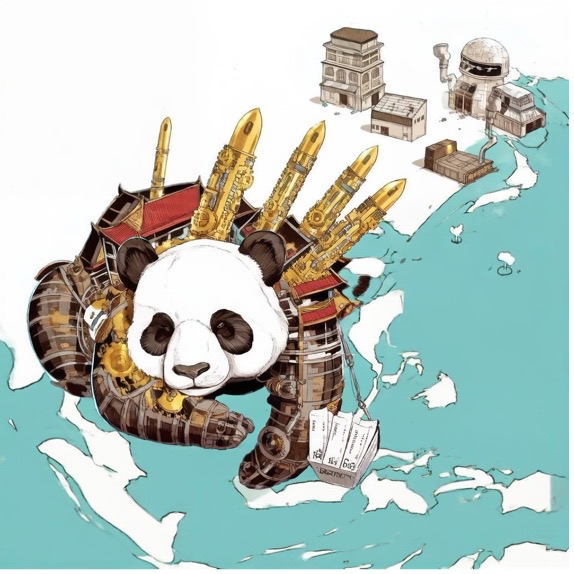
While Washington historically leaned heavily on hard-power military spending, Beijing adopted a meticulous, long-term fiscal posture. In the South Pacific theater, China steadily accelerated its regional defense-related expenditures, pushing its targeted spending to $28.1 billion and climbing toward $29.5 billion. This financial surge underpins a monumental shift from localized defense to broad power projection. Under this umbrella, the People’s Liberation Army Navy (PLAN) is aggressively forging a 9-carrier fleet to establish absolute maritime dominance across the critical island chains [35].
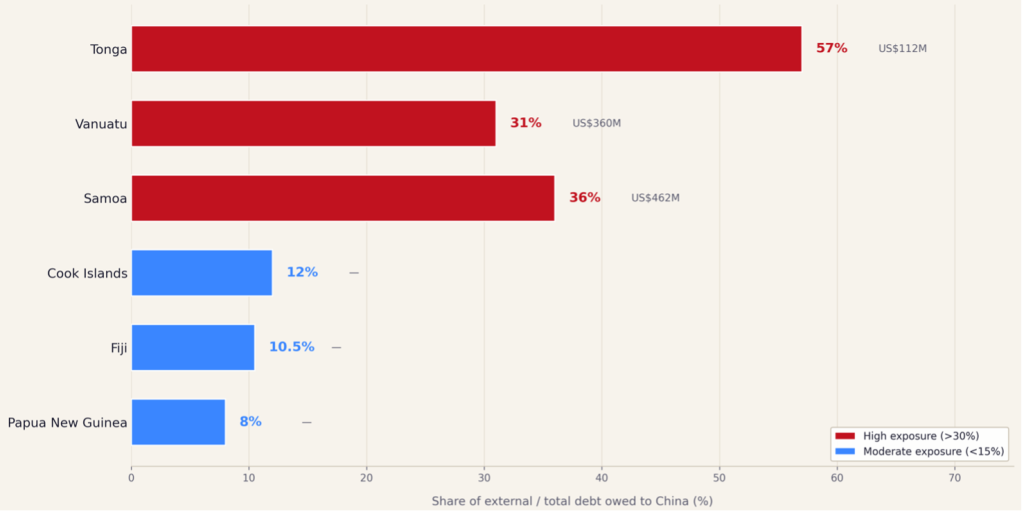
Beijing’s most lethal weapon in the South Pacific is not kinetic; it is credit. Utilizing the Maritime Silk Road framework, China deploys a sophisticated request-oriented investment model. By funding bespoke infrastructure projects that Western institutions ignore, Beijing builds massive leverage. Thus, it is appropriate to assert three pillars, describing the way China is tending to project its values to the South Pacific actors and drag them into their polar.
The Debt-To-Sovereignty Pipeline. When PICs default on these massive loans, Beijing positions itself to absorb Critical Vulnerable Infrastructure (CVI) or extract profound diplomatic concessions [36].
The Leverage Mechanics. The PICs such as Tonga (carrying a $112M debt to China) and Vanuatu (whose debt to Beijing compromises approximately 40% of its total external debt) navigate an economic tightrope [37].
Diplomatic Flips. This economic gravity was starkly demonstrated when Nauru severed ties with Taiwan to recognize Beijing after a surge of targeted Chinese investments. Recently, Beijing pivoted toward high-frequency, small and beautiful grants and in-kind assistance transfers. This effectively deepens local dependency while evading the Western narrative of predatory debt-trap diplomacy. In fact, the PICs tend to depend deeper on Beijing, with some South Pacific countries being forced to run with the hare and hunt with the hounds, stirring up geopolitical tensions surrounding the region [38].
The military theater between the US and China has devolved into a high-stakes techno-thriller centered around A2/AD and missile defense. Beijing holds a critical asymmetric advantage – its hypersonic weapons (cruising between 5 to 10 Mach) are already deployed, combat-ready, and enhanced by Super-AI trajectory algorithms. Furthermore, China is preparing a modular weapon revolution, developing containerized systems that can instantly convert ordinary civilian cargo vessels into stealth missile platforms [39].
While Washington pours billions into rebuilding World War II-era airfields on Tinian and expanding bases on Guam, it is currently locked in a dangerous war of attrition. Trump’s Golden Dome acts much like Ronald Reagan’s legacy Strategic Defense Initiative (SDI) by forcing Beijing to overspend on its defense networks while the US struggles with ballooning domestic debt and testing failures [40].
When Riptides Collide: Do the Smaller Suffer the Most?
An intensifying competition between China and the US directly threatens the structural stability of the global nonproliferation regime, as it accelerates the militarization of regional balancing states. The first phase of the AUKUS pact introduces a destabilizing precedent – transferring highly enriched uranium technology via US-built Virginia-class nuclear-powered submarines to Australia. Simultaneously, New Zealand’s potential integration into AUKUS Pillar II marks a significant shift away from its historic anti-nuclear autonomy toward deep military integration with Washington’s kill chains [41].
Compounding the geopolitical tension is Australia’s localized management of radioactive waste, which strains the spirit of regional environmental agreements. Australia remains the sole party to the Rarotonga Treaty actively operating and expanding infrastructure dedicated to the long-term isolation and burial of Low-Level Radioactive Waste (LLW). Key strategic assets include the fully operational Mount Walton East permanent repository in Western Australia, which has isolated hazardous chemical and radiological waste since 1992, alongside a newly initiated national repository project near Kimba, South Australia [42]. While these geological facilities technically adhere to the IAEA and thus escape formal legal violations of Article 7 of the Rarotonga Treaty, they can pose severe political and ecological liabilities:
First. The infrastructure prompts intense public blowback, causing sharp divisions between state governments, local communities, and agricultural interests fearing soil contamination and long-term ecological blight.
Second. The domestic containment framework faces massive strategic pressure under AUKUS. The planned acquisition of nuclear-powered submarines binds Canberra to future responsibilities for hosting, decommissioning, and processing spent nuclear fuel and Intermediate-Level Waste (ILW). For the PICs, expansional domestic nuclear facilities act as a destabilizing ecological wildcard, threatening to turn the region into a permanent repository for military nuclear lifecycles and eroding the foundational promise of a completely nuclear-free environment [43].
This rapid militarization faces fierce domestic resistance; public opinion polls within Oceania reveal a deep skepticism among local citizens who strongly oppose being dragged into a great-power conflict and view this alignment as a betrayal of the region’s hard-won anti-nuclear identity [44]. By exploiting legal gray zones in both the NPT Treaty and the Rarotonga Treaty, these developments create a hazardous loophole where non-nuclear weapon states gain access to military-grade nuclear technology. This structural decay forces smaller Pacific nations to choose sides, effectively splitting the region’s unified diplomatic stance. Consequently, it transforms the South Pacific from a legally protected community of safety into a volatile and frontier theatre for great-powers confrontation.
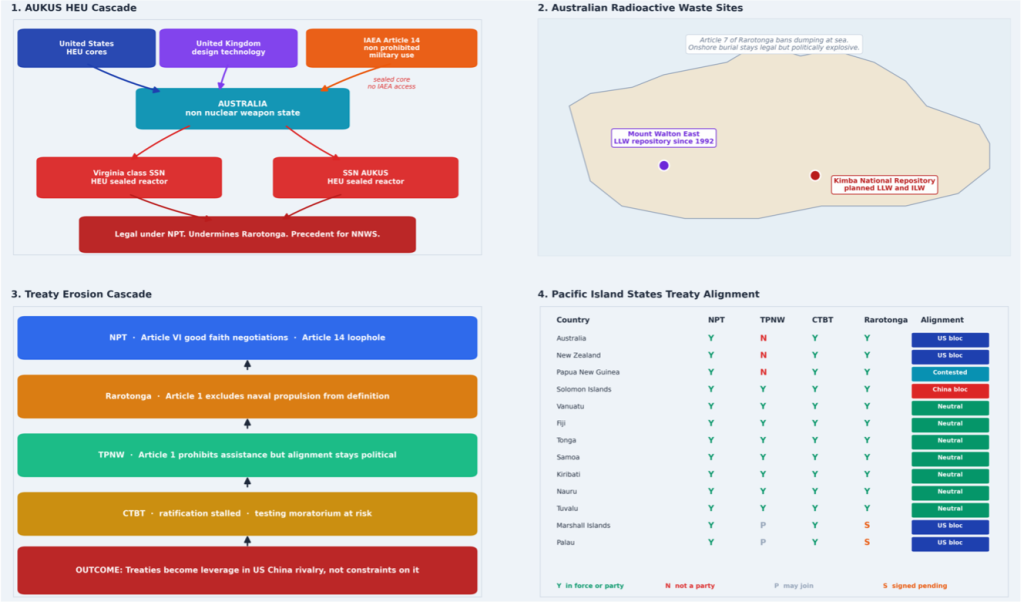
Figure: Key Challenges to the South Pacific NWFZ & the Treaty of Ratotonga* Source: compiled by the author
In toto, by transforming a non-explosive naval propulsion loophole under Article 14 of the IAEA safeguards into a geostrategic Trojan horse, the AUKUS pact sets dangerous global precedent that effectively legitimizes the laundering of weapons-grade highly enriched uranium to NNWS, ultimately transforming the Pacific from a legally protected sanctuary into the ground for the opaque non-proliferation architecture and gradually lead to the complete implosion of the security community within both the Treaty of Rarotonga and the PIF.
What is more, the key international agreements in nonproliferation, such as the NPT, the TPNW, and the CTBT, are likely to become a political leverage to gain better position and advantage amid the ongoing rivalry between the US and China. While numerous PICs currently utilize their commitment to the TPNW to declare their advocacy for a nuclear-free region, an intensifying trend indicates that many of them remain silent and refrain from speaking out against competing powers, effectively employing this stance as a tactical political tool to discreetly secure their own financial and security interests [45].
The Toll of Silence
‘Get busy living, or get busy dying,’ Steven King said. Only imagine it: you are a patient who face a fatal diagnosis is confronted with a stark binary – either actively treat the tumor or accept the inevitable end and just wait when death will knock at your house door. Human agency possesses the capacity to overcome even the most debilitating structural crises, yet the ultimate barrier is always the paralysis of the first step – the agonizing difficulty of summoning the will to begin the fight. The Treaty of Rarotonga cab be likened to an ordinary cancer patient, but, in reality, the nuclear nonproliferation regime in the South Pacific is getting worse and worse like a man living with complete paralysis. But it is hope that underlies the Rarotonga Treaty – the entire regional community can reanimate a distorted treaty. There are key recommendations and probable pathways to start normalizing the regional nuclear nonproliferation regime:
– To uphold sustainability of the nuclear nonproliferation regime Australia should safeguard that prior to use Virginia-class nuclear-powered submarines Canberra would sign a special technical agreement with the IAEA with respect to Article 14 of the Comprehensive Safeguards Agreement, considering consistent monitoring of nuclear material up to the point of reactor loading and sealing along with the IAEA inspectors’ right to conduct verification at unclassified infrastructure facilities. Furthermore, technical safeguards are also needed to be adopted to minimize proliferation risks – delivered reactors (whether US designs for the Virginia-class submarines or Rolls-Royce units developed for the SSN-AUKUS) are to be supplied as fully assembled and hermetically sealed units. The design must completely preclude any capability for Australia to extract nuclear fuel independently without disabling and destroying the entire propulsion system. Furthermore, Australia must not possess the infrastructure required for uranium enrichment or spent fuel reprocessing. Thus, it could not solve all concerns towards the AUKUS activity, but it will diminish nuclear proliferation risks in the region across the full spectrum of matters linked with Canberra’s ability to stockpile a weapons-grade uranium.
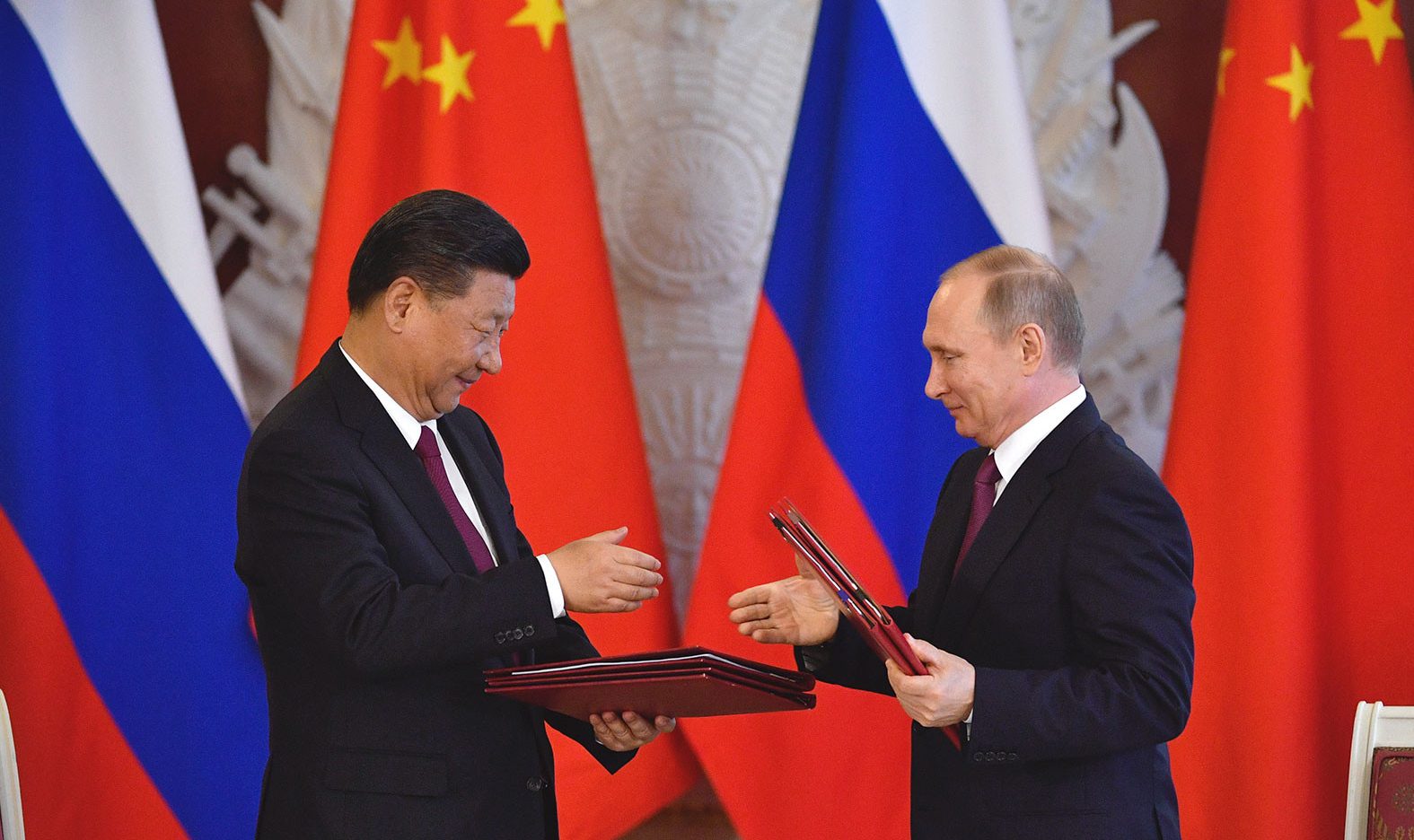
– Given the consolidated status of AUKUS in the region, it would be crucial for the PICs on the behalf of the PIF to join the Russia-China initiative regarding region-wide notification mechanism for AUKUS nuclear activity, pressing for action through unified reporting. Moscow and Beijing possess the diplomatic leverage to submit an official Working Paper to the Review Conference calling on the US, the UK, and Australia to provide a synchronized trilateral progress report alongside their individual national entries to ensure transparency. Given that the IAEA Director General issues distinct periodic reports regarding Australia’s naval nuclear propulsion program, Moscow may insist that these documents be cross-examined at the NPT RevCon as a single, interconnected case. This approach holds all three participating states collectively accountable for the transfer of highly enriched uranium (HEU). Hypothetically, if the PIF will join the initiative, it will enhance a pressure against AUKUS. Yet there is a little chance that this bid to step up control over AUKUS’ activity will succeed, but it will precisely impact a more stable nuclear nonproliferation regime in the Pacific and prompt Australia to go beyond a more transparent nuclear submarine programme. At least, it is worth a shot.
– NSAs seemed to be the leverage to control strategic balance in the region. Article 5 of the Treaty provides parties of the Rarotonga Treaty could decide whether to permit visits by foreign ships and aircraft, including nuclear-capable US vessels, to their ports and airfields. One should deem it unwise to permit visits foreign vessels with nuclear explosive devices on their boards or nuclear-based submarines through the maritime routes of the South Pacific, because that measure contradicts the key principles of the non-nuclear Pacific, enshrined in the Treaty preamble. The Russian Federation, referring to the diplomatic practice of the USSR with respect to the Treaty of Rarotonga and made special amendments by the Soviet site pending the second and third protocols ratification, must revoke NSA towards certain country, determined to allow nuclear transit throughout its internal waters. Despite the common practice of the PRC to provide unqualified NSAs to all NNWS, implementation the Soviet practice by China could rebalance the regional situation. There is no doubt that this decision of China regarding reconsidering the procedure of providing NSA will force a large part of PICs to tighten principles of nonproliferation in the South Pacific.
Conclusion: The Agency of the Small
These recommendations are not designed to preserve balanced, stable and secure nonproliferation regime in the South Pacific, but attempts to do so will contribute to get the ball rolling. As long as the core South Pacific brokers within the PIF (Australia and New Zealand) keep dominating in the regional Pacific order, representing the interests of the US to underpin military and nuclear superiority, this approach will cease to be a recipe for success. A low-key coalition of PICs will fail to meet principal ends of the Treaty with no counterweight leader. Pacific Islands’ passivity would limit the ability of the South Pacific to resist rising nuclear ambitions of a few middle and superpowers within the region. Voice from PICs could accelerate the deconstruction of the current regional compliance, transforming their passive silence into a unified, sovereign counterweight against great power encroachment. There is no doubt that the current US-led nuclear nonproliferation regime in the Pacific will not be changed overnight. But all actors concerned are obliged to act immediately to achieve the Treaty goals and make the South Pacific nuclear nonproliferation regime more fit to the secured and safe regional architecture. Before it is too late.
One should bear in mind that it is never too late to turn the ship around. The winds of change are blowing at a breakneck pace, proving that even the most established systems can be transformed, so can the South Pacific NWFZ. Though the scales may tilt for a time, the South Pacific retains the power to heal its own fractures. By weaving a new tapestry of genuine neutrality, the region is to re-establish a steady, harmonious equilibrium where every voice finds its true weight. You can offer the remedy, but the patient must choose to swallow it. The system can be healed, but the initiative must come from within. Therefore, the vital first step is for the PICs to fully realize that the responsibility to radically transform the situation lies in their own hands, insofar as you can lead a horse to water, but you cannot make it drink. Yet only the crucible of time will tell whether the South Pacific NWFZ can weather the geopolitical storm.
*This infographic was prepared and designed by the author exclusively for PIR Center.
**The views expressed in this article are solely those of the author and do not necessarily reflect the position of PIR Center.