CHAPTER 15. THE SAHEL REGION: POLITICAL TRANSFORMATION, SECURITY DYNAMICS AND OPPORTUNITIES FOR RUSSIA

In political science across different countries, the Sahel region is defined in varying ways, and there is still no consensus on which states exactly belong to this region. The geographical designation includes all the countries of the northern Sahara, namely Mauritania, Mali, Burkina Faso, Algeria, Niger, Nigeria, Cameroon, the Central African Republic (CAR), Chad, Sudan, South Sudan, and Eritrea. The political definition of the Sahel countries is tied to the so‑called G5 Sahel, an organization created in 2014 “to coordinate” the French Operation Barkhane in the region, consisting of Niger, Mali, Burkina Faso, Mauritania, and Chad.
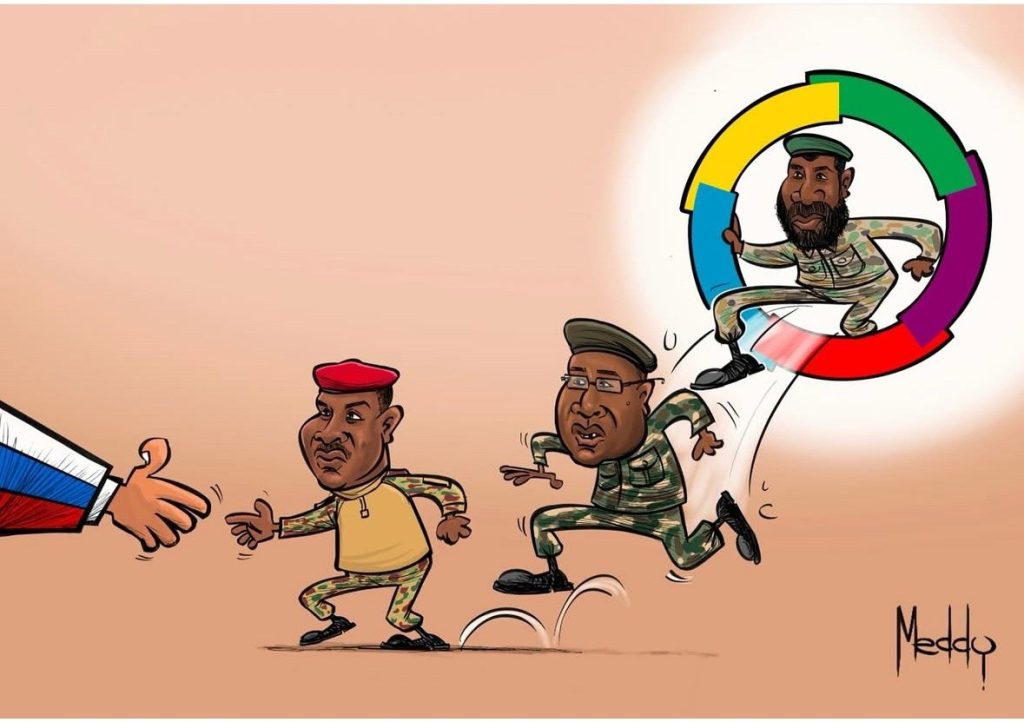
In African political and media discourse, however, there is a trend toward referring to only three countries, Niger, Mali, and Burkina Faso, as the Sahel region. In September 2023, these three formed the military‑political alliance ‘Alliance of Sahel States’ (AES) and announced their withdrawal from the Economic Community of West African States (ECOWAS).
The G5 Sahel is characterized by similar security challenges, including the spread of terrorism, organized crime, the weakness of state institutions and borders, forced migration, poverty, and humanitarian crises. Economically, the countries of the region share a high level of dependence on agriculture, vulnerability to climate change, strong political and economic dependence on former colonial powers, and shared humanitarian problems. An important element of their common agenda is the need for joint solutions to issues of development and stability.
This article focuses on the G5 Sahel in the context of the withdrawal of French troops from these countries and the consequences for political stability in the region. It will also examine how political instability, together with the situation in neighbouring states the CAR, Libya, and Sudan affects the overall security environment, including demographics, the economy, migration, terrorism, and separatism. Finally, the article will analyze the current state of bilateral relations between the countries of the region and Russia, and identify potential areas for further cooperation.
The End of the French Security Paradigm
French intervention was initially legitimized as a response to jihadist advances in northern Mali in 2012–2013. Over time, France’s presence came to symbolize dependency and unfulfilled promises of stability. This perception grew stronger as insurgent violence spread from Mali into Burkina Faso and Niger, despite the heavy deployment of French and allied forces.
One primary issue was the operation’s military-centric approach that did not integrate sufficient political, social, and economic strategies necessary to address the root causes of insurgency. French analysts highlight that while OperationBarkhane succeeded militarily, it lacked effective civil-military coordination, which is crucial for winning local support and undermining jihadist influence in communities[1]. The counterterrorism campaign was heavily dependent on airstrikes and special forces action but did not sufficiently include development projects or governance reforms to stabilize liberated areas. This shortfall allowed jihadist groups to regroup and reemerge in less-visible forms, including the formation of the Jama’a Nusrat al-Islam wal Muslimin (JNIM)[2] coalition in 2017, which later proved highly resilient.
Russian scholars and commentators bring additional perspective to the failure by underscoring the limits of Western military interventions predicated mostly on conventional operations against terrorism. According to Russian analysts, efforts like Operation Barkhane underestimated the complexity of the hybrid warfare environment in the Sahel, where insurgent groups blend terrorist tactics with local conflicts, social fractures, and criminal networks. Moscow critiques the Western approach as overly focused on kinetic operations without addressing geopolitical and governance deficits that sustain insurgency. Both French and Russian assessments agree that Operation Barkhane lacked a comprehensive “end state”, whereby defeating terrorist groups militarily was insufficient without simultaneous political reconciliation and state-building efforts[3].
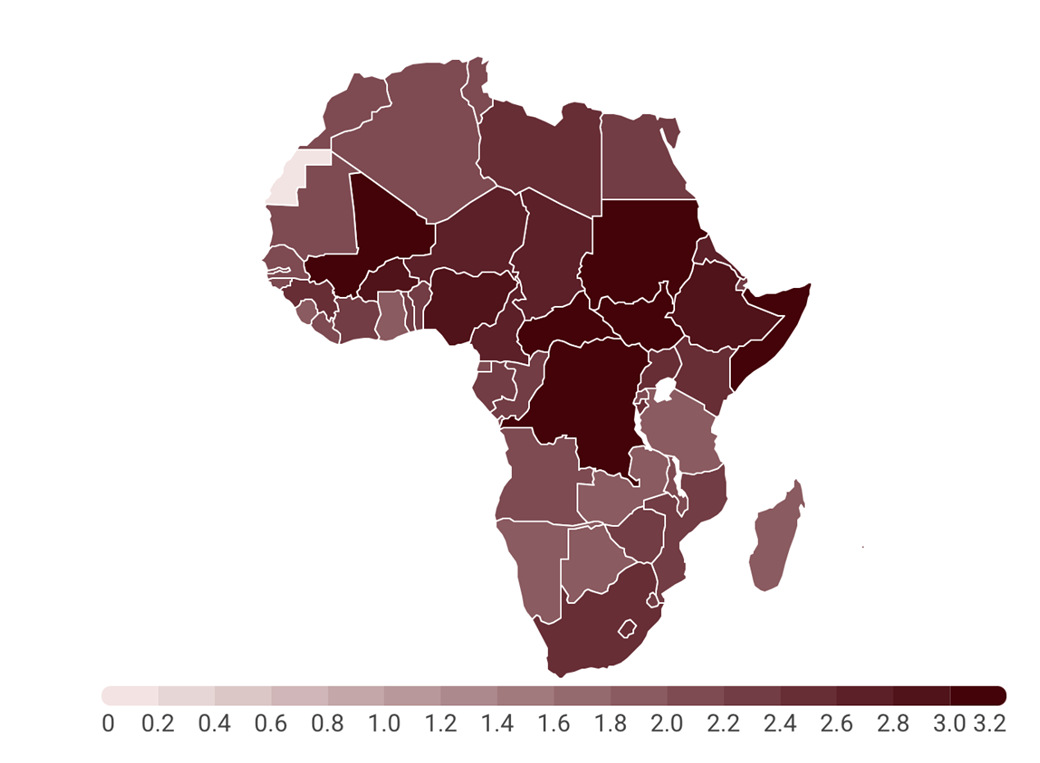
The new governments promoted a discourse of sovereignty, portraying the end of French presence as the beginning of a new era of independence. In practice, however, this rhetoric masked persistent structural weaknesses. The removal of French troops had several major consequences. First, it left overstretched local militaries as the main line of defense against increasingly aggressive jihadist networks. Armed groups exploited the security vacuum, expanding their attacks on civilians, military bases, and urban centers. By mid-2025, the Islamic State Sahel Province[4] numbered between 2,000 and 3,000 fighters, compared to an estimated 425 in 2018. Violence and terrorist attacks surged across the tri-border (Mali–Niger–Burkina Faso) Liptako-Gourma region, with the bulk of terrorism-related deaths worldwide occurring in the Sahel.
Attacks became more often, weaponry more sophisticated (including drones), and the violence began spilling into West African coastal states. In 2024 and 2025, despite a reported decline in overall deaths in Burkina Faso, Niger faced a 94% surge in terrorist fatalities, reversing recent gains and underscoring the region’s extreme fragility. Governments in the Sahel replaced Western partnerships with support from Russia and China, while ongoing coups weakened governance and undermined regional counterterrorism efforts.
Despite some restoration of control and a 21% decline in terrorism deaths in Burkina Faso in 2024, the Sahel remains a global hotspot for terrorism. Niger experienced a 94% surge in terrorism fatalities, reaching 930 deaths, the largest increase worldwide. The Sahel accounted for 51% of all terrorism-related deaths globally in 2024. Burkina Faso remained the most affected country, terrorist activity spread beyond the Sahel, with Togo suffering its worst year on record.
| Rank | Terrorist group | 2018 | 2019 | 2020 | 2021 | 2022 | 2023 | Change in %, 2022–2023 | +/- |
| 1 | HAMAS | 102 | 12 | 1 | 20 | 8 | 1549 | +19 263% | ▲ |
| 2 | ADF* (the Allied Democratic Forces) | 282 | 341 | 1422 | 1626 | 1603 | 1520 | -5% | ▼ |
| 3 | Al-Shabaab* | 2086 | 1409 | 1393 | 1040 | 1342 | 1114 | -17% | ▼ |
| 4 | JNIM* (Jama’a Nusrat ul-Islam wa al-Muslimin) | 106 | 238 | 335 | 560 | 557 | 1102 | +98% | ▲ |
| 5 | ISIS in Western Sahara* | 114 | 931 | 992 | 1004 | 575 | 1003 | +74% | ▲ |
| 6 | ISIS* | 3547 | 1460 | 1371 | 1240 | 1329 | 944 | -29% | ▼ |
| 7 | Boko Haram* | 1311 | 1385 | 1286 | 747 | 586 | 878 | +50% | ▲ |
| 8 | Ansar Allah | 2789 | 715 | 1773 | 325 | 420 | 326 | -22% | ▼ |
| 9 | Islamic State in Iraq and the Levant * | 304 | 930 | 433 | 49 | 139 | 288 | +107% | ▲ |
| 10 | Islamic State in the Greater Sahara (ISGS)* | 79 | 30 | 221 | 138 | 878 | 279 | -68% | ▼ |
At the same time, it seems that some progress was achieved in mitigating separatism, one of the common security concerns in the region. After the withdrawal of the UN peacekeeping mission (MINUSMA) in Mali in 2023, the Malian army with the support from the Russian forces managed to regain control over key areas, including Kidal, a city that had long been at the heart of Tuareg separatism. The loss of Kidal severely weakened the Tuareg armed groups and dealt a blow to their political aspirations, since the city was often regarded as the symbolic capital of Azawad. For the Malian government in Bamako, regaining Kidal became an important milestone in reasserting state sovereignty and turning the tide in the long-running conflict.
Nevertheless, a settlement remains elusive. Despite their military setbacks, some Tuareg forces continue to operate in Mali’s northern regions as well as in the border zones of Niger and Algeria, relying on support from local tribal communities. The government’s military gains have also been accompanied by heightened tensions with northern populations and the risk of renewed ethnic clashes.
Weak governance, ethnic conflicts, ecological deterioration, and competition over minerals such as gold and uranium continue to drive instability in the region[6].
Termination of Operation Barkhan and Its Influence on the Region
A combination of rising anti-French sentiment, successive military coups, and the failure to stem violence culminated in the removal of French troops, first from Mali, then Burkina Faso, and finally from Niger. In Mali, military officers first seized power in August 2020, blaming government weakness for failing to halt jihadist incursions and corruption. Although this initial coup predated the full French exit, it triggered a chain of events that led to deeper instability. In May 2021, the Malian junta consolidated power, sidelining civilian figures and making explicit its break with established political processes. Burkina Faso, suffering from spiraling violence and a demoralized security sector, underwent its own political shock when Lieutenant Colonel Paul-Henri Damiba ousted President Roch Kabore[7] in January 2022. Less than a year later, Damiba was himself removed in September 2022 by Captain Ibrahim Traoré, after a military revolt over persistent battlefield failures and the inability to protect populations from jihadist attacks. In neighbouring Niger, a coup in July 2023 toppled President Mohamed Bazoum[8], ending what was widely seen as the last Western-aligned government in the region.
These coups were not isolated acts of ambition; rather, they drew legitimacy from widespread civilian discontent, particularly over deteriorating security. The new regimes rapidly expelled French troops, terminated cooperation agreements, banned French media channels and sought alternative partners such as Russia. Promises to transit quickly to civilian rule gave way to indefinite timetables and entrenched military authority, even as violence against civilians and clashes with insurgent groups soared to unprecedented levels.
Between 2022 and 2023, both Mali and Burkina Faso suffered from exceptionally high rates of violence, with more than two thousand civilian deaths in some periods and instability serving as an aggravating factor for the stability in the region. The humanitarian situation has deteriorated sharply, with nearly 29 million people now requiring life-saving assistance and protection in 2025[9].
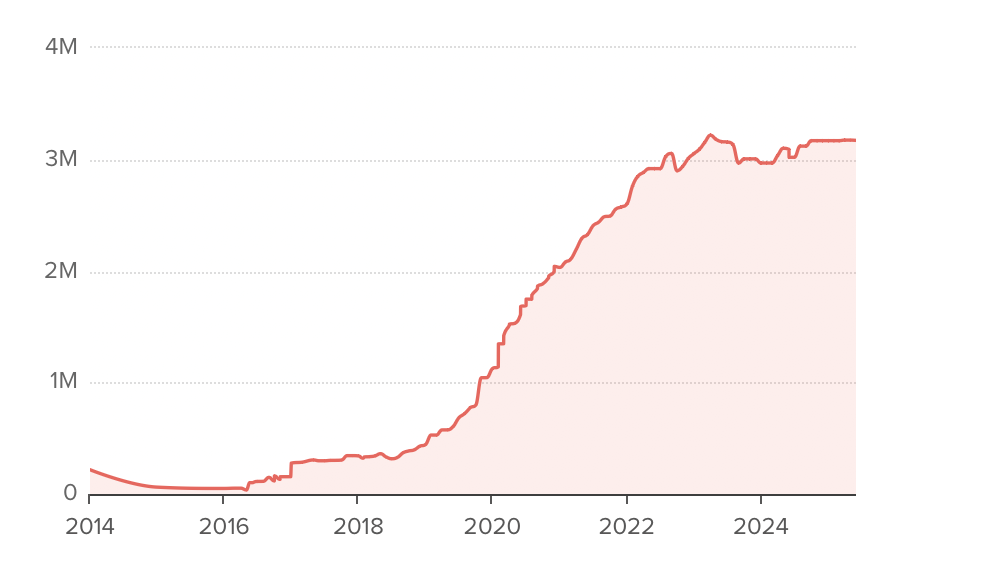
Increase in violence continued the trend on mass displacement, deteriorated food insecurity, and malnutrition, particularly affecting children and vulnerable groups. Although humanitarian actors have reached millions with essential aid, severe underfunding only 8% of required funds received as of early 2025 forces difficult prioritization decisions, leaving many without needed support. Besides, the number of internally displaced persons (IDPs) increased tenfold from 2018, rising from 284,000 in 2018 to nearly 3 million by the end of 2024. In Burkina Faso alone, the number of IDPs reached 2 million by the end of 2024, compared to only 29,000 in 2018 – the highest figure in the region that year[10]. Within the Central Sahel including Burkina Faso, Mali, and Niger there are nearly 3.86 million IDPs, while an additional 708,000 people are registered as refugees and asylum seekers[11].
Withdrawal of Mali, Chad and Burkina Faso from ECOWAS and Emergence of the Alliance of Sahel States
Secondly, the withdrawal also strained regional institutions. ECOWAS, traditionally the guarantor of constitutional order, imposed sanctions and threatened interventions after coups in Mali, Burkina Faso, and Niger. Yet its influence waned as the new governments consolidated power and turned away from Western-backed initiatives.
The first country to sever ties with ECOWAS following a military coup was Mali. After the second coup in Mali in May 2021, relations between Bamako and ECOWAS rapidly deteriorated. Concerned about the prolonged transition process and Mali’s refusal to adhere to the previously agreed election timetable, ECOWAS imposed harsh sanctions against the country in January 2022.
These sanctions included freezing Mali’s state assets in regional banks, trade restrictions, blocking financial flows, and closing member states’ borders with Mali. This exerted significant pressure on the military government, which faced the threat of economic isolation.
In return, Malian authorities accused ECOWAS of acting under the influence of external powers, primarily France, and instead sought to strengthen alliances with other states, Burkina Faso and Niger, which had also experienced coups. Amid ongoing tensions, Mali, Burkina Faso, and Niger announced their withdrawal from ECOWAS in January 2024. The formation of the Alliance of Sahel States symbolized their determination to build independent integration mechanisms, free from Western and former regional influences.
Meanwhile, the ECOWAS sanctions encompassed both political and economic measures. The Sahel countries and several other African nations affected by coups were suspended from decision-making bodies, had their land and air borders closed with ECOWAS states, and faced personal sanctions against new governments’ members and their families, including travel bans and asset freezes. All commercial and financial operations involving sanctioned countries were suspended, state assets frozen in ECOWAS banks, and financial transactions and aid from regional institutions such as the ECOWAS Bank for Investment and Development were halted. Embargoes were imposed on food, medicines, medical equipment, petroleum products, and electricity. Furthermore, all service operations, including government services, were frozen, and hiring citizens from these countries into professional positions within ECOWAS structures was restricted.
The exit from ECOWAS sparked concern in African and international media. Many analysts noted that the break weakened not only the economic prospects of these countries but also their capacity to coordinate responses to common challenges such as terrorism, humanitarian crises, and trade barriers[12]. Pro-Western African think tanks viewed the break as an opportunity to reform ECOWAS by making sanctions more transparent and fair, and by exploring new forms of regional cooperation[13]. They also highlighted the growing threat of external influence, particularly from Russia. However, in national media within Mali, Burkina Faso, and Niger, this move was portrayed as a definitive break from external domination and an assertion of national sovereignty. The AES leadership is developing plans to deepen integration: discussions include the introduction of a common currency, a new passport, and measures to expand intra-regional mobility[14]. This policy of an anti-colonial course has resonated beyond the Alliance: in Senegal, for example, leaders Bassirou Diomaye Faye and Ousmane Sonko, inspired by AES examples, won the 2024 elections, promising to reduce external influence, particularly in relation to the CFA franc.
Nonetheless, behind these successes lie serious challenges. Hubert Foy, Director of the African Center for Technology and International Security (AFRCSIS), highlighted several issues hindering the Alliance’s success[15]:
Thus, for now, the Alliance’s successes remain limited and require stronger coordination on the part of member states.
Natural Resources Politics and Strategic Interests
The post-French landscape is also shaped by competition over resources. Niger’s uranium deposits remain critical to both European energy security and potential new partners. Broader geological surveys suggest the presence of uranium and gold across several Sahel states, raising the stakes of strategic competition. Control over resource-rich zones intersects with security dynamics, as jihadist groups often operate near mining areas, and external actors view security cooperation as a pathway to resource access.
Artisanal and small-scale gold mining (ASGM) is pervasive across Burkina Faso, Mali, and Niger. Burkina Faso has approximately 800 active artisanal mining sites employing hundreds of thousands of miners. Artisanal mining produced over 8 tons of gold in 2024 alone, using rudimentary methods, with only a fraction operating under formal permits. Industrial gold production in Burkina Faso was about 55.7 tons in 2025, while small-scale mines produced around 8.1 tons in 2024. Despite this, a very small percentage of artisanal gold is officially exported, showing the dominance of informal and smuggling activities.[16]
The economic significance of informal mining is immense. OECD estimates suggest that informal sites in the Sahel produce roughly 50 tonnes of gold annually, worth approximately $2 billion. Burkina Faso accounts for 15–20 tonnes of this output, valued at up to $960 million per year. Despite this, official gold exports from Burkina Faso’s small-scale mines accounted for barely 2% of production, highlighting the overwhelming dominance of smuggling[17]. The lack of state control has allowed militant groups, including Al Qaeda[18] affiliates and ISIS in the Greater Sahara to exploit artisanal mining as both a financial base and a territorial foothold. Militants tax production, provide logistical support to miners, and repurpose sites as training grounds and hideouts. In many areas, these actors supplant local authorities, enforcing their own rules and redistributing resources to strengthen recruitment. Mining sites near conflict zones are especially vulnerable: nearly half of Burkina Faso’s informal mines are located within 25 km of militant attacks.
Artisanal mining also reflects the desperation of communities in one of the world’s poorest regions, where Burkina Faso’s per capita income is approximately $660. For many households, gold mining is essential to securing everyday needs such as food, health expenses, and school fees. Efforts to close these mines, whether for legal, environmental, or commercial reasons are deeply unpopular and often viewed as serving the interests of elites or foreign companies. Terrorist and extremist organizations exploit these grievances, positioning themselves as protectors of local livelihoods in contrast to the state. This narrative strengthens their recruitment and embeds them into the fabric of the informal economy.
Following the withdrawal of French military forces and the deterioration of diplomatic relations, the situation for French mining operations in the Sahel has considerably deteriorated. In Niger, the military government revoked the operating license of the French state-owned nuclear fuel producer Orano at the Imouraren uranium mine, which is among the largest uranium reserves globally, effectively ending French operational control there. Orano had already lost operational authority over its three primary Nigerien mines Somair, Cominak, and Imouraren in 2024, amid accusations by Nigerien authorities that the company disproportionately benefited from the uranium extracted and engaged in behavior deemed irresponsible and unfair.
Despite Orano’s efforts to resume operations and its initiation of multiple legal and arbitration actions against the Nigerien government, the military authorities blocked access to mining sites and intensified measures to nationalize the assets. This assertive reclaiming of resource sovereignty fits into a broader trend across the Sahel, where military-led governments in Mali, Burkina Faso, and Niger are tightening control over mining concessions and reducing French and Western influence in favor of alternative partners like Russia, China, Turkey[19]. Russia’s Nordgold remains active in Burkina Faso, while China is expanding investments in Mali, particularly in lithium extraction.
The Sahelian governments express strong interest in further exploration and development of their resource bases. However, the main obstacle is the prevailing insecurity and instability that threaten mining operations and broader economic activities. Hence, engagement with these countries on resource exploration carries the responsibility to address complex security-related challenges such as preventing smuggling, securing neighbouring unstable regions, protecting local populations, managing scarce and clean water resources, and developing essential infrastructure. Successful entry into the Sahelian resource market thus requires comprehensive solutions that integrate addressing security gaps alongside economic and social development challenges to create a stable environment for resource extraction and partnership.
Economic Situation in the Region
Inflation in the countries of the region fluctuates from moderate levels, such as 2% in Mali, to as high as 11% in Chad. These differences are linked to varying levels of dependence on global agricultural commodity prices, access to subsidies, and the degree of fiscal stability. For most countries, high dependence on imports and vulnerability to fluctuations in fuel and food prices remain key inflation triggers. In Chad, inflationary pressures were exacerbated by disruptions in supply chains.
Political instability has further worsened the economic situation. Before the crisis, the economies of Mali, Burkina Faso, and Niger showed relatively steady growth; for example, Mali’s GDP grew by 5.1% in 2019. However, by 2021, growth slowed sharply to 1.2%, accompanied by significant social upheavals. Burkina Faso also suffered: after a growth rate of 6.9% in 2019, its economy slowed to 2.5% by 2022. In Niger, where an economic boom was expected in 2023 due to new oil projects, actual GDP growth was only about 2.5%, far below the projected 6.5%[20].
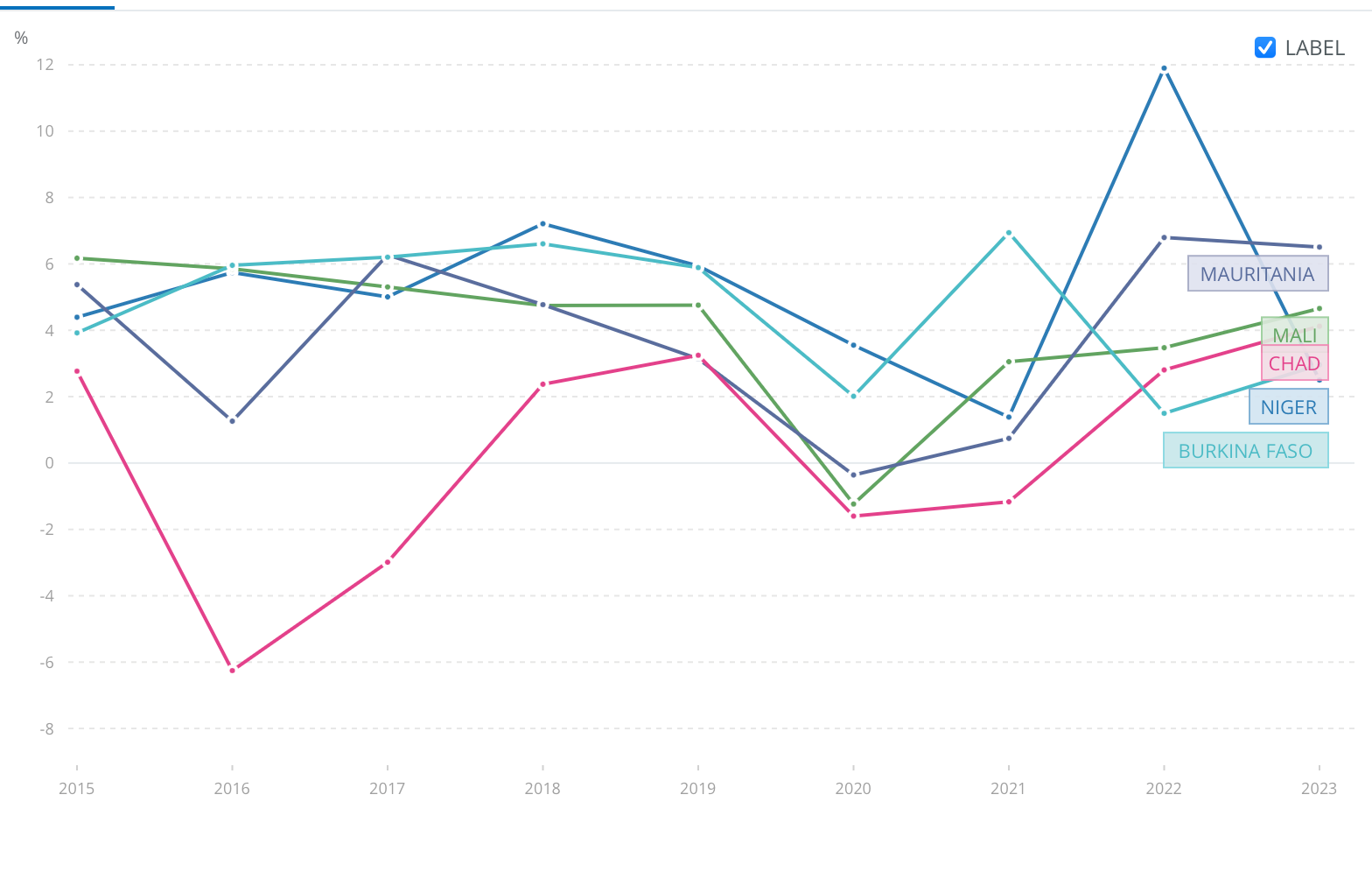
Accelerating inflation became another severe consequence of political instability. In Mali, inflation reached 9.1% in 2022, caused by both internal crises and rising global food and fuel prices. In Burkina Faso, inflation exceeded 14% in 2023. Following the 2023 coup in Niger, prices for basic foodstuffs, fuel, and medicine rose nearly 12.5%. Inflation was further aggravated by supply disruptions, broken logistics chains, and blocked access to foreign currency reserves.
Amid ongoing political instability and sanctions, the investment climate deteriorated significantly. Data shows that from 2018 to 2023, Foreign Direct Investment (FDI) in Sahel countries generally remained negative, indicating that capital outflows exceeded new investments. In other words, foreign companies were either scaling back their presence or fully exiting, selling assets, closing projects, or winding down investment activities. Despite occasional slight increases in some cases, the region showed a steady decline in investment volumes. Niger and Mauritania experienced particularly sharp declines, with FDI reaching low points in 2022[21]. In Burkina Faso, funding for mining projects, especially gold extraction a crucial source of foreign currency shrank substantially. Losing support from Western companies, Niger saw its major oil and gas projects frozen.
Moreover, following the suspension of aid from international donors and sanctions, the countries plunged into deep fiscal crises. Similar situations persist in Mali and Burkina Faso, where military regimes aim at minimizing external influences, especially from France and ECOWAS, which also impacts investment inflows and humanitarian aid.
Overall income levels remain extremely low. As of 2023, GDP per capita did not exceed $900 in Burkina Faso and Mali and stood at just over $2000 in Mauritania. This indicates very limited potential for growth in domestic consumption, further constraining economic expansion[22].
In summary, the macroeconomic picture of the Sahel region in 2023–2024 reflects fragility caused by a combination of structural poverty, ineffective governance, and geopolitical isolation. At the same time, a series of military coups over the last four years has diminished Western influence, particularly France’s, creating new opportunities for non-Western companies, including Russian firms, especially in the mining sector. The changing political course of Burkina Faso, Niger, and Mali toward greater independence may also help Russia reduce economic and political risks associated with doing business in these states. Additionally, the region’s high mining potential with relatively low production costs positions it as a prospective partner in uranium extraction and the development of non-energy applications of nuclear technology.
Transnational Threats in the Border Territories
Instability in Libya, Sudan, and the CAR has a profound and destabilizing impact on the wider Sahel, making regional security fundamentally dependent on addressing cross-border threats. Libya’s collapse after the fall of Gaddafi transformed the country into a hub for arms trafficking, human smuggling, and militant activity, which spills directly into neighbouring Sahelian states such as Niger, Mali, and Chad. The proliferation of weapons and safe havens for extremist groups allows jihadist organizations to expand their operations across porous borders.
Similarly, the ongoing conflict in Sudan generates massive refugee flows into Chad and South Sudan, straining fragile infrastructures and fueling intercommunal tensions, while also enabling armed groups to establish new networks of support. In the CAR, weak state authority and the persistence of armed groups such as the Coalition of Patriots for Change (CPC)[23] further fragment the security landscape by creating uncontrolled spaces that facilitate illicit trade and cross-border supply channels. Taken together, these crises reinforce one another, transforming borderlands into zones of insecurity that weaken national governments across the Sahel. For this reason, tackling instability solely within Sahelian countries is insufficient: durable improvements in regional security require coordinated efforts to contain and neutralize the threats emanating from neighbouring countries with the common security problems.
Reconfiguration of External Partnerships in the Sahel
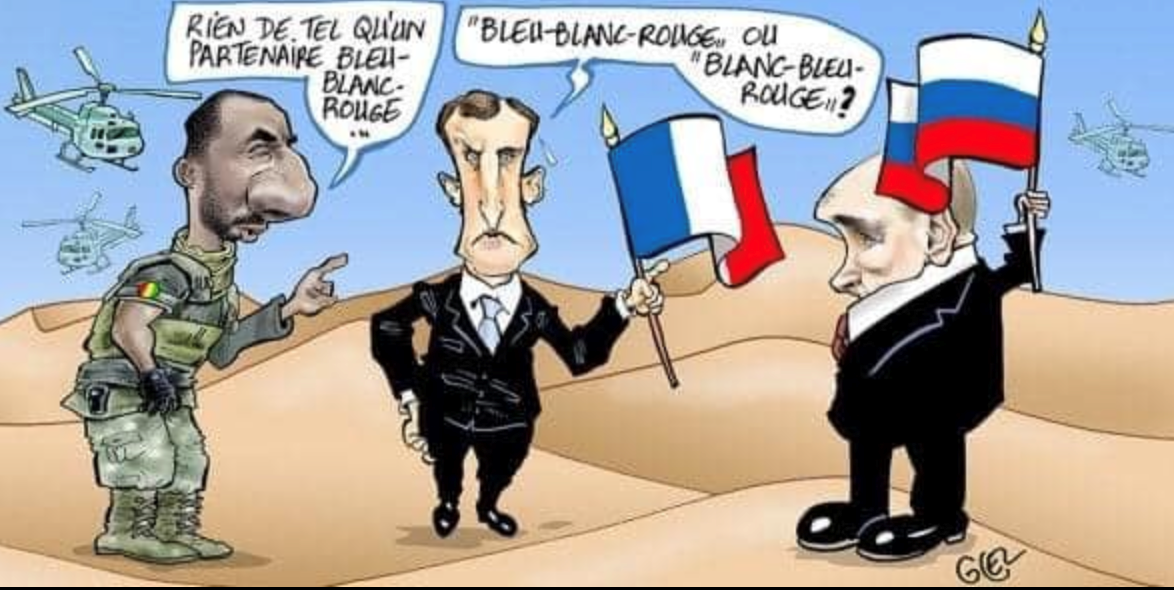
Russia’s relations with the Sahel countries have followed a trajectory of steady expansion since 2023, shaped by the withdrawal of traditional Western partners, regional instability, and the desire of local governments to diversify their external ties. Security cooperation remains the cornerstone of Moscow’s engagement, yet economic, educational, humanitarian, and even nuclear energy dimensions are beginning to surface, giving these relations a multidimensional character. In Chad, Russia is seen as a valuable but carefully balanced partner. Ndjamena pursues a pragmatic policy, avoiding overdependence on Moscow while nonetheless acknowledging the importance of Russian expertise in defense and counterterrorism. A 2021 military cooperation agreement laid the groundwork for consultations and training. Economic opportunities are mainly tied to natural resources such as oil, uranium, bauxite, and gold, with Russian companies like Rosneft and Rosgeologia expressing keen interest.
Russia’s involvement also extends to energy production, irrigation systems, medical technologies, and digital transformation. Educational cooperation is substantial, with more than 2500 Chadians already trained in Russia and a scholarship program of 300 places for 2024/25. Humanitarian exchanges and the supply of Russian fertilizers and grain are also facilitating stronger interdependence. High-level diplomacy has been active, including meetings between Vladimir Putin and President Mahamat Déby as well as the first-ever visit by Russian Foreign Minister Sergei Lavrov to Chad in 2024, underscoring Moscow’s broader aim of consolidating its political foothold in Central Africa.
In Niger, relations took a decisive turn with the 2023 coup and the subsequent withdrawal of French troops. Security and military cooperation have dominated bilateral ties, with Moscow offering advisory assistance for the creation of joint armed forces in cooperation with Mali and Burkina Faso through the AES. Russia announced the opening of its embassy in Niamey in 2025, a major diplomatic step[24]. Although economic cooperation is still in its infancy, the political shift away from Paris provides significant future potential in mining, energy, and infrastructure development.
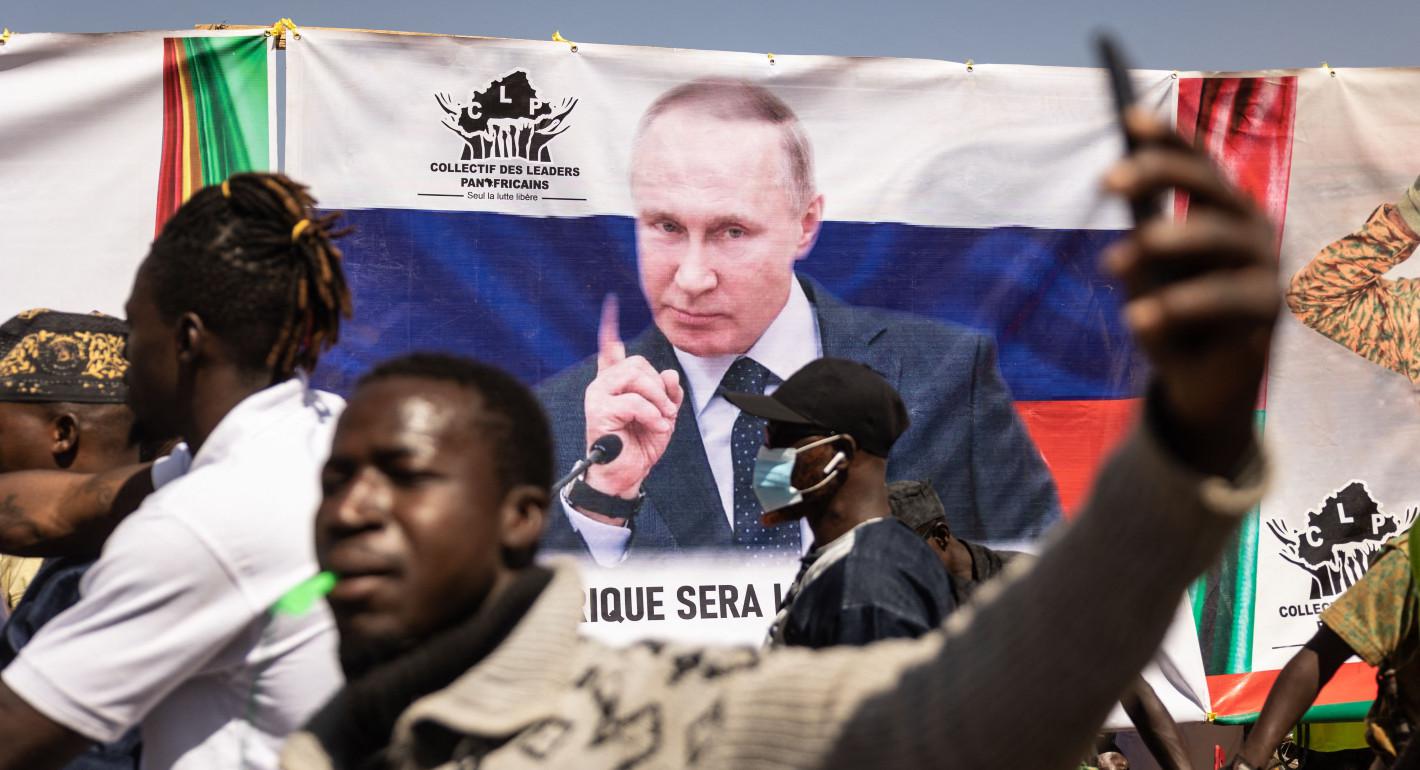
Burkina Faso has also moved closer to Russia. Following the 2022 coup, Ouagadougou emphasized independence from former colonial partners while strengthening security ties with Moscow. In May 2025, President Ibrahim Traoré met Vladimir Putin in Moscow to discuss terrorism, regional stabilization, and enhanced bilateral ties. The focus has been security aid, but trade and investments are receiving growing attention as well. The “Economic Days of Burkina Faso” held in Moscow in 2024 highlighted expanding commercial opportunities, while both sides are considering the creation of an intergovernmental commission to institutionalize cooperation. Russia has also deepened its involvement in education and public health, increasing scholarship quotas and initiating joint projects in medical research and infrastructure. A Russian delegation headed by the chief of Rospotrebnadzor visited Ouagadougou in 2025 to strengthen health-related cooperation, showing that humanitarian engagements are now being added to the security agenda.
Mali traditionally remains Russia’s closest political and strategic partner in the Sahel. Moscow and Bamako have intensified cooperation since the French military withdrawal, formalizing their partnership through successive high-level meetings and growing military-technical collaboration. A landmark visit by President Assimi Goïta to Moscow in June 2025 produced several agreements, including the establishment of an intergovernmental commission on trade, economic, and scientific cooperation, as well as a comprehensive accord on the peaceful use of nuclear energy. Politically, Mali is central to Russia’s vision of an alternative security framework in West Africa, where sovereignty and non-alignment underpin the bilateral agenda.
Mauritania, while not part of theAES, has maintained traditionally constructive relations with Russia based on mutual respect and long-standing dialogue. The dynamic of Moscow–Nouakchott ties gained new strength in the period 2023–2025. In February 2023, Foreign Minister Sergei Lavrov paid the first ever visit by a Russian foreign minister to Mauritania since the establishment of relations in 1964, meeting President Mohamed Ould Cheikh El Ghazouani and other officials. This event symbolized the opening of a new phase in bilateral cooperation. In October 2024, President El Ghazouani held talks with Vladimir Putin in Moscow, during which both leaders underscored their political coordination on international questions and expressed readiness to strengthen interaction within organizations such as BRICS and the African Union. Putin noted the sustained nature of the political dialogue and the active development of the legal basis for cooperation. Educational ties are particularly advanced: more than 3500 Mauritanian specialists have received higher education in Russia, and there is growing interest among the younger generation in pursuing studies at Russian universities. Mauritania’s role as a relatively stable political actor in the region and its constructive approach to multipolar diplomacy provide Moscow with a partner capable of balancing between North Africa and the Sahel, while Mauritania sees Russia as a reliable counterpart in education, diplomacy, and broader international coordination.
Taken together, Russia’s engagements with Chad, Niger, Mali, Burkina Faso, and Mauritania illustrate a wider reorientation of African geopolitics in which Moscow positions itself as an alternative to postcolonial Western frameworks. Security is the initial magnet of Russian cooperation, particularly in Niger, Burkina Faso, and Mali, but this has increasingly been accompanied by programs in education, infrastructure, energy, humanitarian projects, and even nuclear technology. Chad and Mauritania adopt more pragmatic stances, seeking to diversify their options while benefitting from Russian expertise.
A separate and largely important track of cooperation is nuclear energy cooperation. In June-July 2025, Russia concluded formal intergovernmental agreements on peaceful nuclear energy cooperation with both Mali, Niger and Burkina Faso. Their scope includes the creation and development of national nuclear infrastructure in line with International Atomic Energy Agency (IAEA) standards, the design and construction of nuclear power plants and research reactors, supply and management of nuclear fuel, extensive training and professional development for local personnel, and robust legal frameworks for nuclear and radiation safety. Cooperation covers the production and use of radioisotopes for medicine, agriculture, and industry, as well as joint work in nuclear medicine, including diagnostic imaging and treatment technologies. There are no formal nuclear cooperation agreements between Russia and Mauritania or Chad. Mauritania’s lack of such agreements is largely due to its heavy reliance on existing natural resources, particularly oil and gas, which shapes its energy policies and reduces the immediate need for nuclear energy development. In Chad, persistent economic and political constraints, including internal instability and limited national capacity, have hindered progress toward formal nuclear partnerships, despite expressed interest in uranium development and nuclear medicine.
These accords build on earlier memoranda and negotiations, and signal Russia’s sustained commitment to providing the Sahel with access to advanced nuclear technology, contributing to their energy resilience and independence. All in al, Russia’s cooperation with Sahelian countries since 2023 is characterized by a multidimensional approach centered on key areas such as security, economic partnership, education, humanitarian aid, and nuclear energy. Security cooperation, particularly with Mali, Niger, and Burkina Faso, forms the backbone of Moscow’s engagement, involving military training, advisory support, and the formation of joint regional forces under the AES supported by Moscow. The main avenues for cooperation remain natural resources exploration and extraction, nuclear medicine and energy, development of the logistical infrastructure, including roads, ports, airports, education, and humanitarian cooperation.
Conclusion
The security situation in the Sahel remains one of the defining challenges for the region and also a key factor shaping Russia’s potential role as a partner. States such as Mali, Burkina Faso, and Niger face persistent threats from extremist movements, organized criminal networks, and uncontrolled migration flows across porous borders. These challenges are compounded by fragile political systems, recurring instability, and the limited capacity of local governments to provide reliable governance and security for their citizens. In this environment, cooperation with external partners who can offer both pragmatic security assistance and broader development support becomes a vital component of national resilience. Russia, having established solid political ties and goodwill in the region, is well positioned to expand its engagement in a manner that balances security needs with socio-economic development.
A multidimensional approach to cooperation would allow Moscow to act as more than just a traditional security provider without limiting engagement to “resources in exchange for security”, Russia could frame its involvement as a package of mutually reinforcing initiatives that combine military assistance, infrastructure development, education and training, healthcare expansion, and humanitarian support. Military cooperation would be one pillar of this framework, contributing to the fight against transnational terrorism, organized trafficking networks, and the violent instability spreading across borders. However, this presence should not be understood as power projection, but rather as a structured system of joint defense, integrating local forces into training, logistics, and reconnaissance.
At the same time, emphasis on infrastructure and economic resilience can substantially improve the viability of long-term security arrangements. The establishment of protected industrial zones, energy enclaves, and safe transport corridors would not only enhance the sustainability of Russian investments but also provide tangible stability dividends for local populations. Integrated projects that combine modern energy solutions with job creation, logistics, and agricultural support could gradually diminish the economic basis for recruitment into extremist groups by offering employment and basic services. Russia’s experience in delivering turnkey infrastructure, coupled with its willingness to adapt agreements to local conditions, gives it a distinctive advantage in presenting itself as a reliable long-term development partner.
Equally important are the social and humanitarian dimensions of cooperation. Training local specialists, investing in healthcare and water access, and supporting educational institutions would provide credibility and public legitimacy for Russia’s presence. By embedding socio-economic initiatives into its regional strategy, Moscow can gain durable goodwill from communities that have historically seen foreign partnerships either fail to deliver benefits or replicate exploitative, neo-colonial patterns of engagement. Moreover, coordinated efforts to control migration flows, secure borders, and address humanitarian concerns would simultaneously aid regional stability and reduce external pressures on Europe, aligning Russian involvement with broader international security priorities.
Finally, Russia’s role in the Sahel will be shaped not only by tangible initiatives but also by how its engagement is presented and perceived. At present, Moscow benefits from an image untarnished by colonial history, which gives it an advantage over some Western actors. To preserve and deepen this trust, media and diplomatic efforts should highlight not only security cooperation, but also Russia’s broader contributions to health systems, education, water management, and social resilience. By strengthening ties with regional media and promoting narratives of genuine partnership and respect for sovereignty, Russia can reinforce its reputation as a strategic ally helping Sahelian states escape isolation and external pressure.
In conclusion, the prospects for Russian-Sahelian cooperation lie less in resource extraction alone and more in a comprehensive partnership that ties security assistance to infrastructure, social development, and humanitarian outreach. By presenting itself as a long-term partner focused on stability, resilience, and the well-being of local societies, Russia can build a sustainable presence in the Sahel while supporting regional governments in their struggle against insecurity and underdevelopment.
[1] The insurmountable failure of France’s strategy in the Sahel // Le Monde. November 4, 2023. URL: https://www.lemonde.fr/en/international/article/2023/11/04/the-insurmountable-failure-of-france-s-strategy-in-the-sahel_6226447_4.html
[2] hereinafter – terrorist organization banned in Russia – Editor’s note.
[3] Chikhachev A. After Sahel: The Decline of French Interventionism? Russian International Affairs Council (RIAC), December 9, 2022. URL: https://russiancouncil.ru/analytics-and-comments/analytics/posle-sakhelya-zakat-frantsuzskogo-interventsionizma/ (in Russ).
[4] hereinafter – terrorist organization banned in Russia – Editor’s note.
[5] ‘*’: hereinafter – recognizedas terrorist organization and banned in Russia – Editor’s note.
[6] Global Terrorism Index 2025 // The Institute for Economics & Peace, 2025. URL: https://reliefweb.int/report/world/global-terrorism-index-2025
[7] Roch Marc Christian Kabore – a Burkinabé politician, the President of Burkina Faso (from 2015 to 2022). Upon taking office, he became the first non-interim president in 49 years without any past ties to the military – Editor’s note.
[8] . Mohamed Bazoum – a Nigerien politician, the 10th president of Niger (from 2021 to 2023). The first Arab president of Niger in the country’s history – Editor’s note.
[9] Sahel Dashboard – Humanitarian Overview. OCHA, March 3, 2025. URL: https://www.unocha.org/publications/report/burkina-faso/sahel-dashboard-humanitarian-overview-3-march-2025
[10] Ibid.
[11] UNHCR Global Report, 2024. URL: https://www.unhcr.org/sites/default/files/2025-06/Sahel+%20GR2024%20Situation%20Summary%20v3.pdf
[12] Security and Economic Implications of the Exit of the AES Countries from ECOWAS – West Africa Network for Peacebuilding (WANEP), 2024. URL: https://wanep.org/wanep/security-and-economic-implications-of-the-exit-of-the-aes-countries-from-ecowas/
[13] The Withdrawal of AES from ECOWAS: An opportunity for re-evaluating existing instruments for regional integration? – Amani Africa. URL: https://amaniafrica-et.org/the-withdrawal-of-aes-from-ecowas-an-opportunity-for-re-evaluating-existing-instruments-for-regional-integration/
[14] Kohnert D. Navigating Rivalries: Prospects for Coexistence between ECOWAS and AES in West Africa. SSRN, 2024.
[15] The Sahel in the Crosshairs: How Security Problems Affect Uranium Mining and the Development of Nuclear Technologies in the Region After a Series of Military Coups from 2020 to 2023. An Interview by Alexandra Zubenko with Hubert Foy // PIR Center. April 11, 2025. URL: https://pircenter.org/editions/rus-interview-on-sahel/ (in Russ.).
[16] Miners in Burkina Faso: Gold Production, 7 Key Mines & Trend, 2025. URL: https://goldbuyersafrica.com/miners-in-burkina-faso/
[17] Burkina Faso: the problem of gold smuggling // WCO News. URL: https://mag.wcoomd.org/magazine/wco-news-86/burkina-faso-the-problem-of-gold-smuggling/
[18] hereinafter – terrorist organization banned in Russia – Editor’s note.
[19] Niger faces another claim over uranium mining rights. Global Arbitration Review. December 20, 2024. URL: https://globalarbitrationreview.com/article/niger-faces-another-claim-over-uranium-mining-rights
[20] GDP growth (annual %) // World Bank. URL: https://data.worldbank.org/indicator/NY.GDP.MKTP.KD.ZG
[21] World Bank Open Data. URL: https://data.worldbank.org
[22]GDP per Capita // World Bank Open Data. URL: https://data.worldbank.org
[23] Coalition of Patriots for Change (CPC) – a coalition of major rebel groups in the Central African Republic created in 2020 to disrupt the 2020–21 Central African Republic general election. In 2024, following a peace agreement with the central government, it split into several factions. The most radical (CPC-F) continued armed resistance until 2025. – Editor’s note.
[24] Russia to open embassy in Niger // Xinhua. April 4, 2025. URL: https://english.news.cn/africa/20250404/3ad2188f4e0d42e2b4d3cfb3f7fe7648/c.html