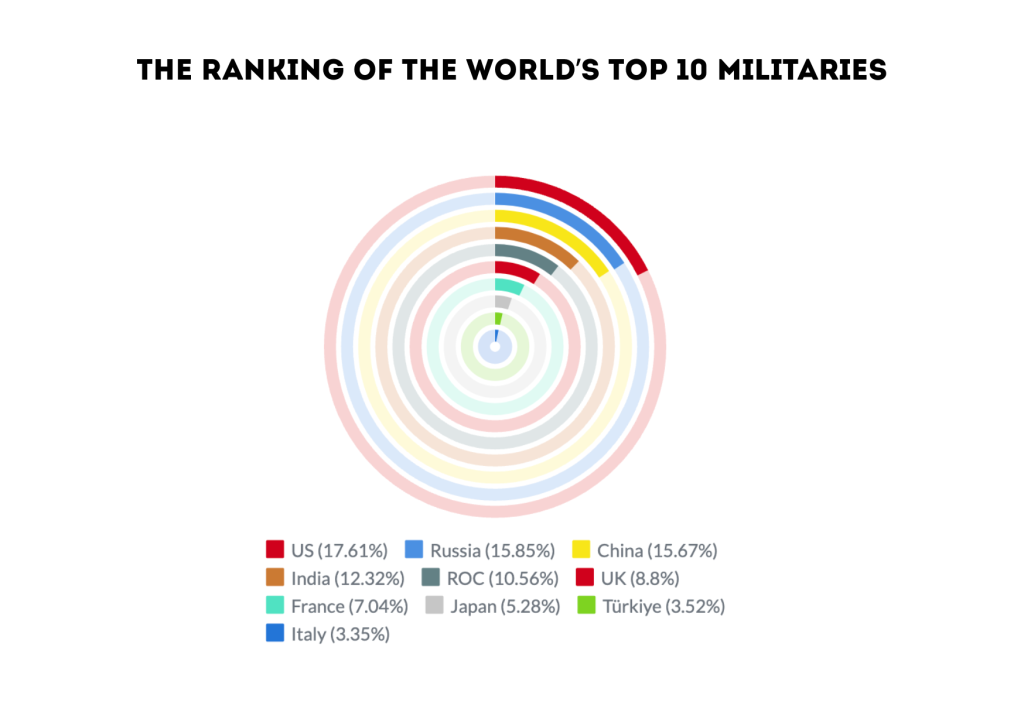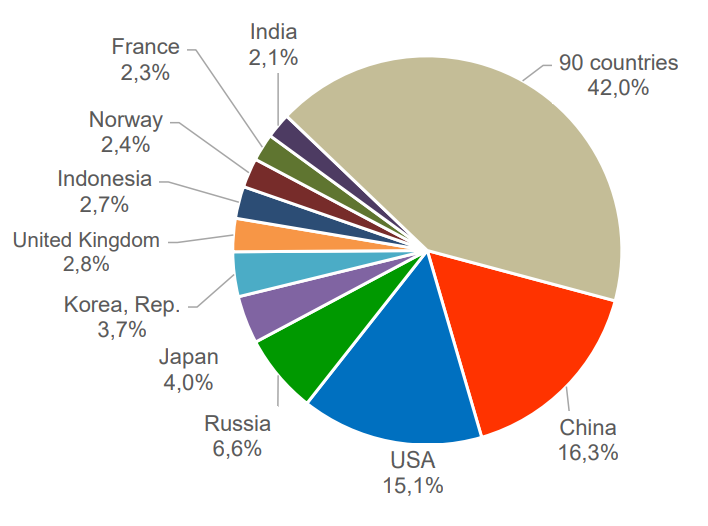
Figure 1. World’s top 10 leading economies (2020-2024)
Compiled by PIR Center based on open sources


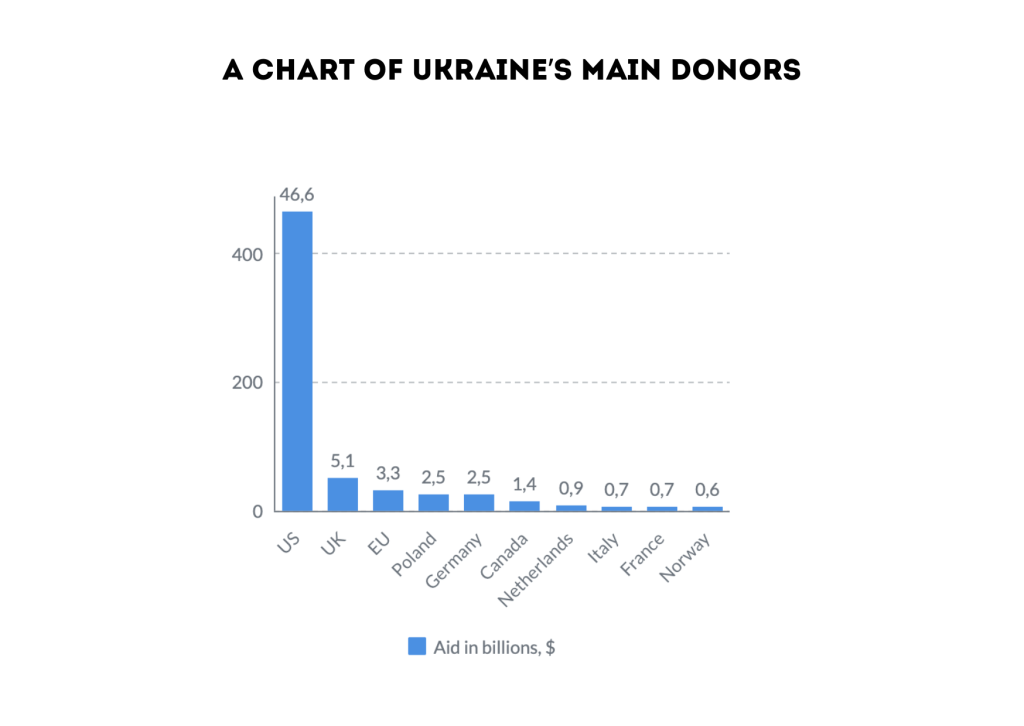
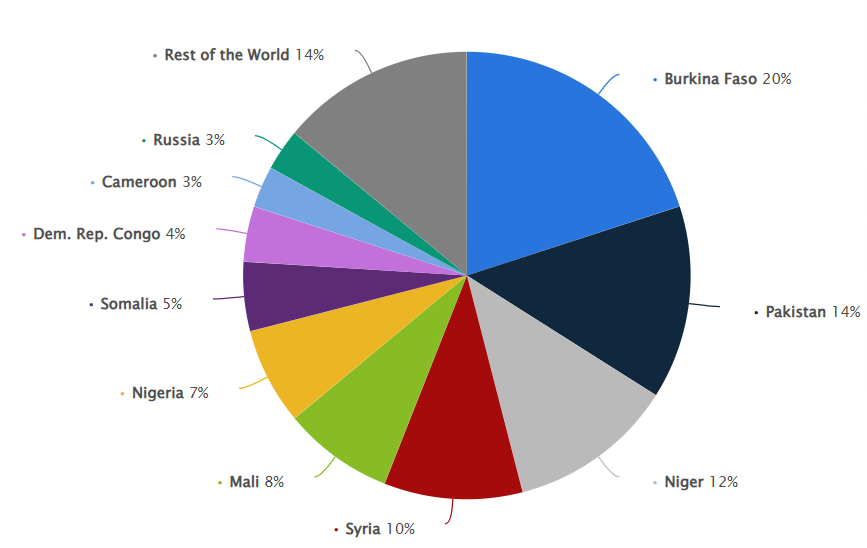
Figure 3. A chart of Ukraine’s main donors (as of October 2025)
Compiled by PIR Center based on open sources

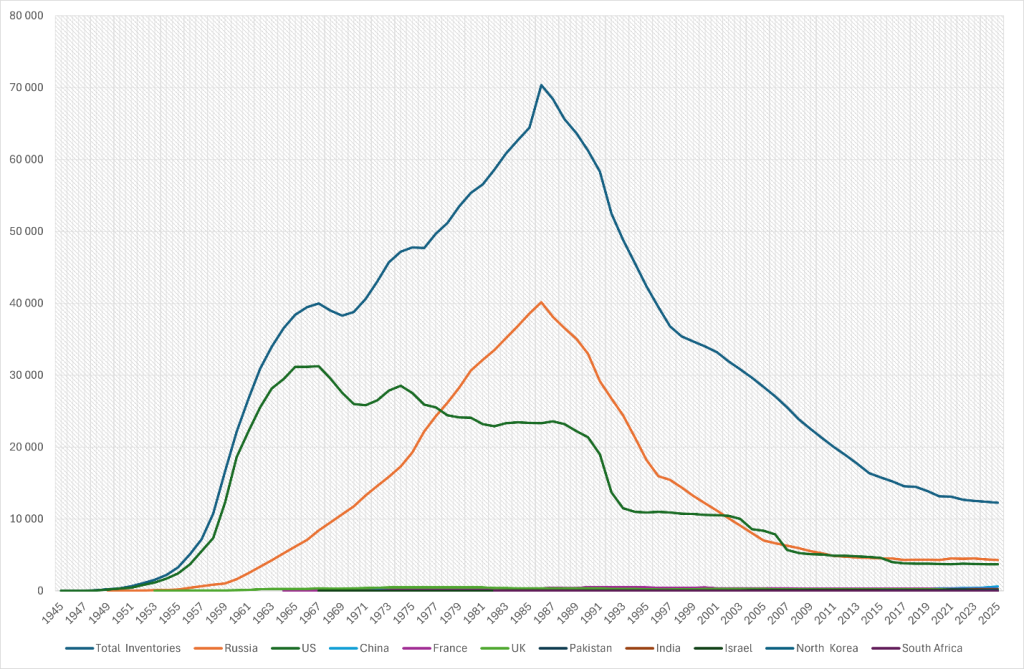
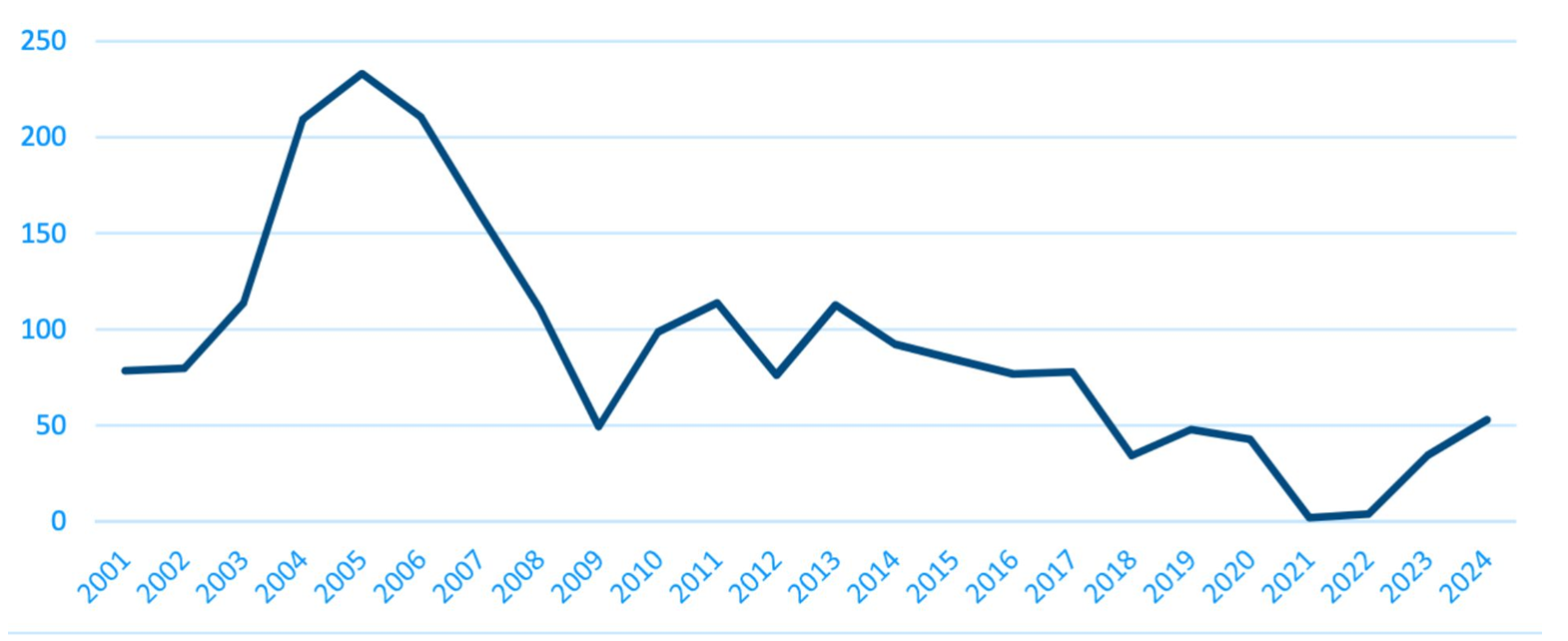
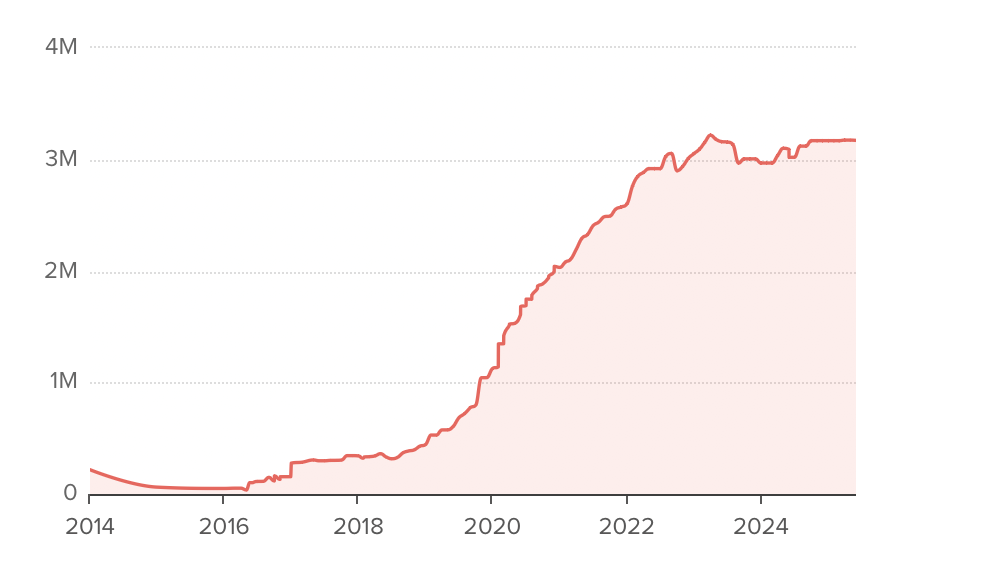
Figure 4. Estimated Global Nuclear Warhead Inventories Over Time
Source: Status of World Nuclear Forces, 2025, Federation of American Scientists (https://fas.org/initiative/status-world-nuclear-forces/)
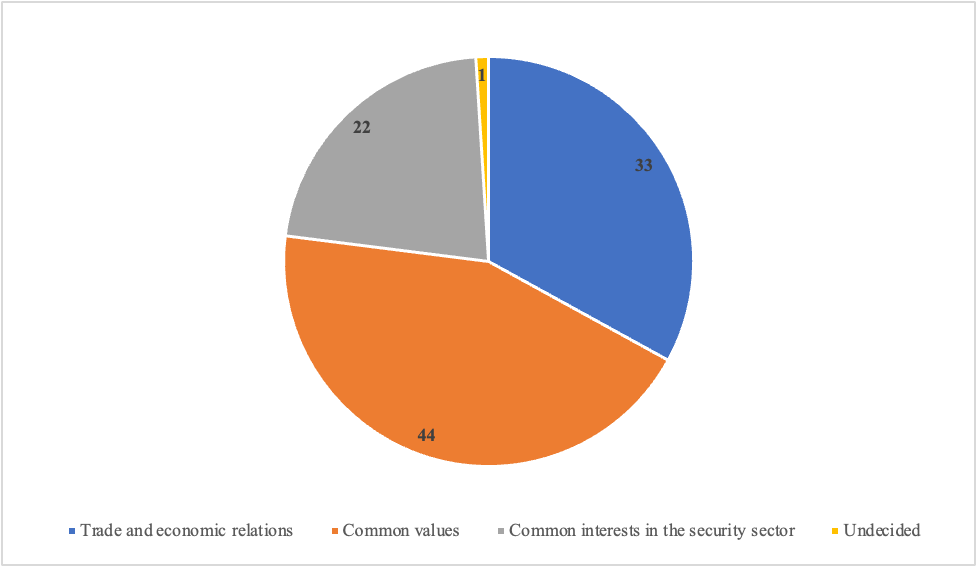
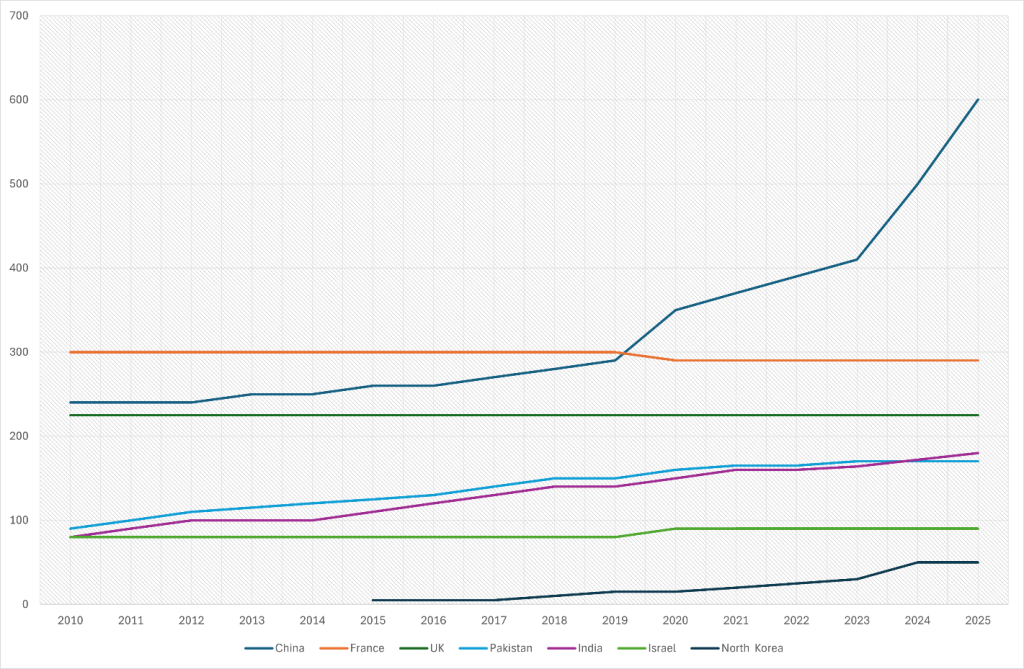
Figure 5. Selected nuclear stockpiles over 2010-2025
Source: Status of World Nuclear Forces, 2025 // Federation of American Scientists (Adapted from the data: https://fas.org/initiative/status-world-nuclear-forces/)
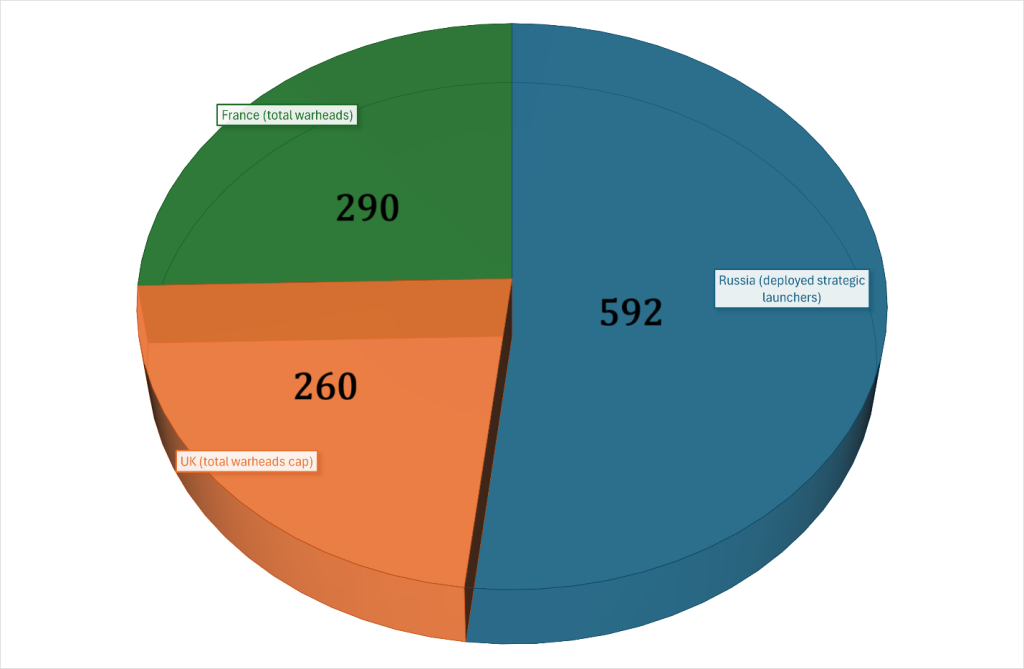
Figure 6. Russia-France-UK trilateral nuclear balance

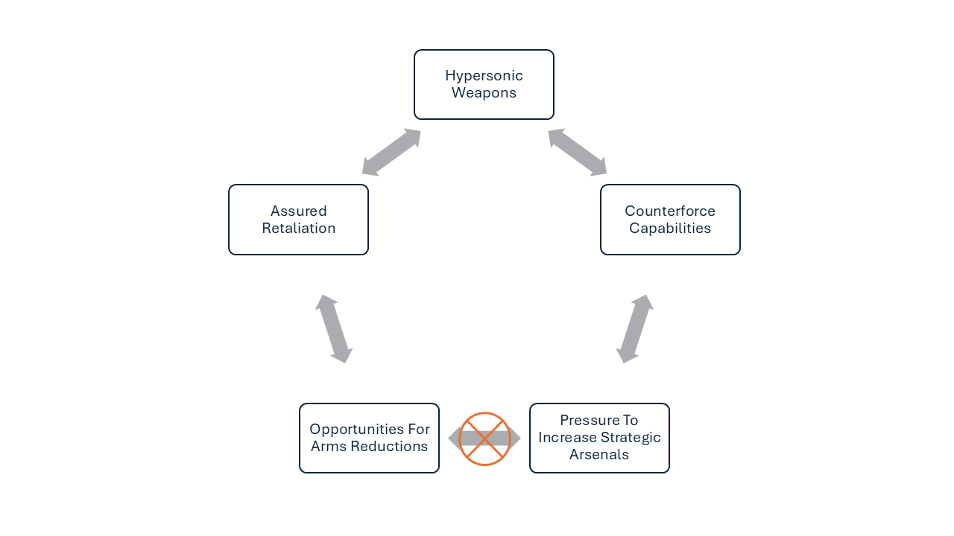
Figure 7. Hypersonic weapons effects
Compiled by the author based on open sources

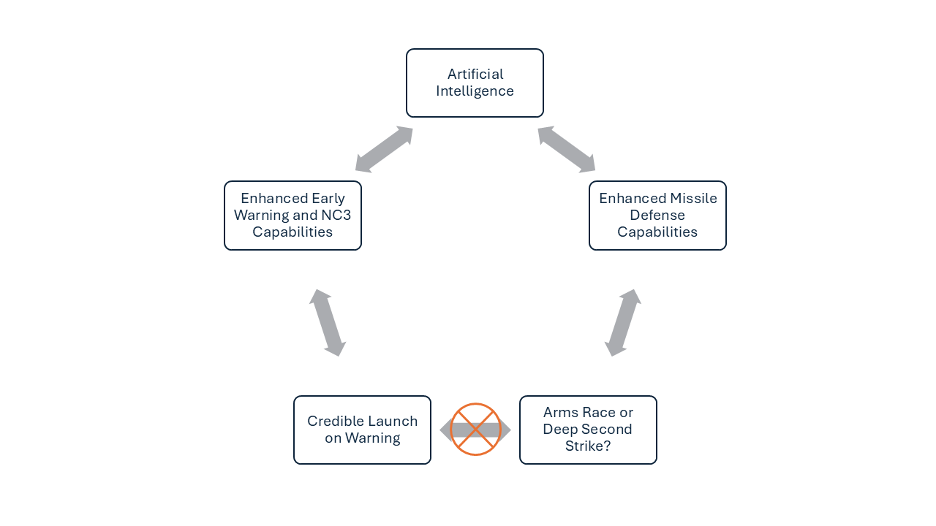
Figure 8. Artificial intelligence effects
Compiled by the author based on open sources

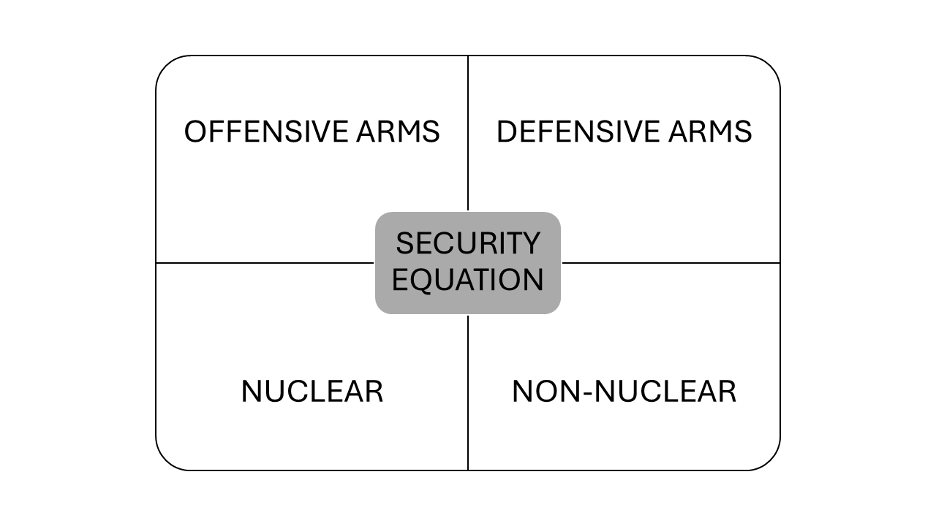
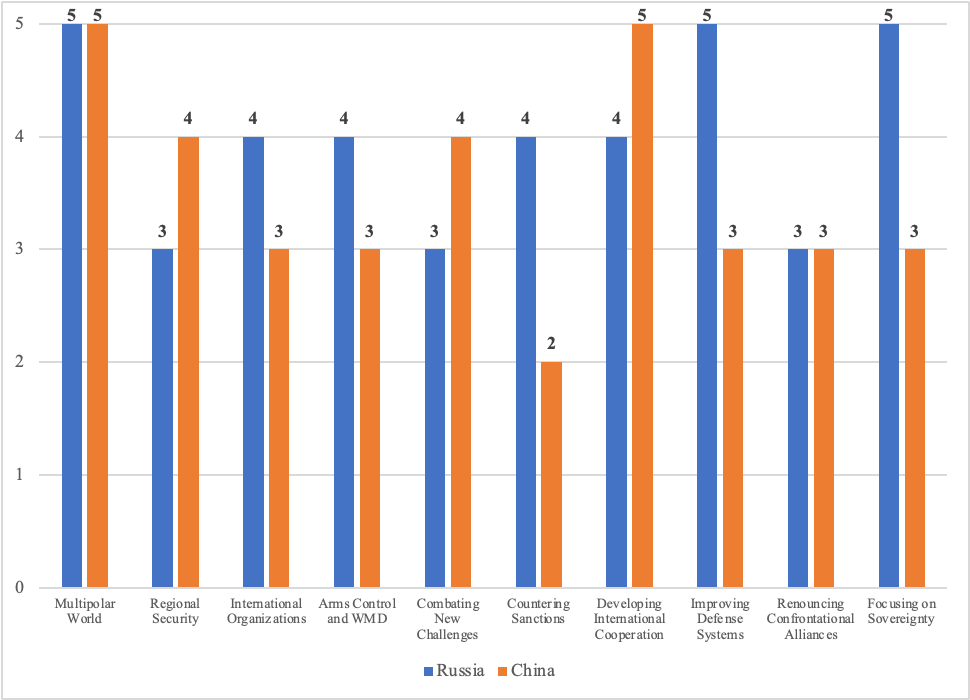
Figure 9. “The Security Equation”
Compiled by the author based on selected Russian official statements


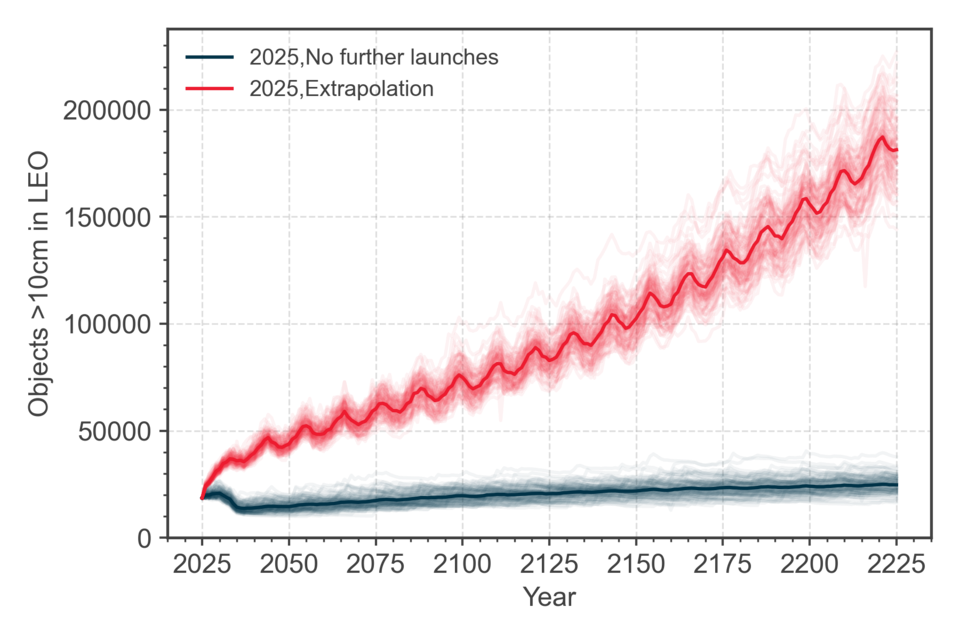
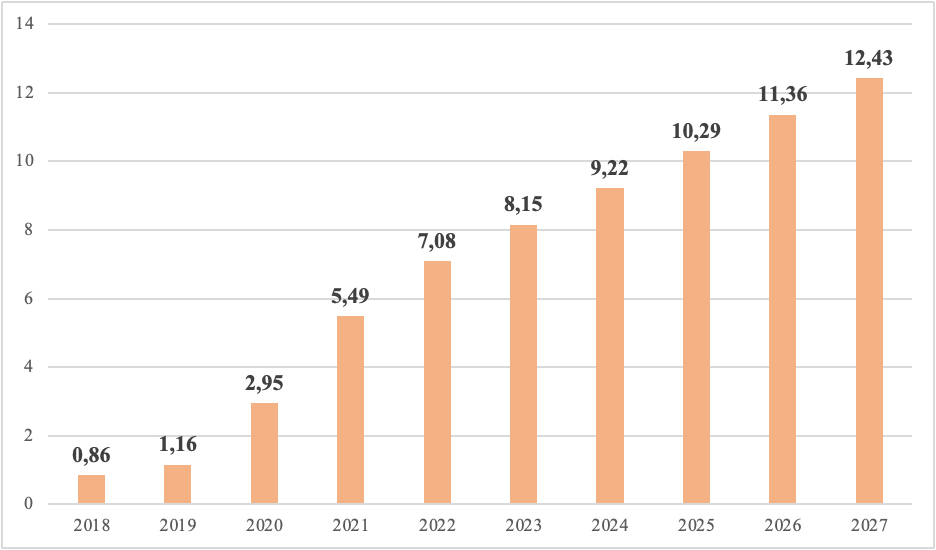
Figure 18. The future number of catastrophic collisions in Earth orbit
Source: ESA Space Environment Report 2025 (https://www.esa.int/Space_Safety/Space_Debris/ESA_Space_Environment_Report_2025)


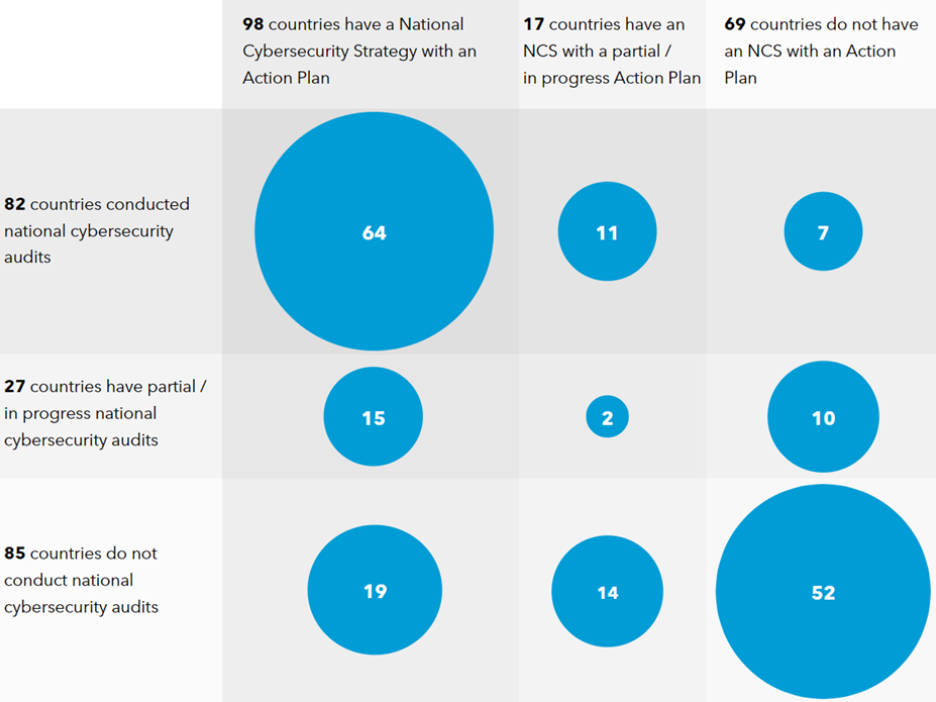
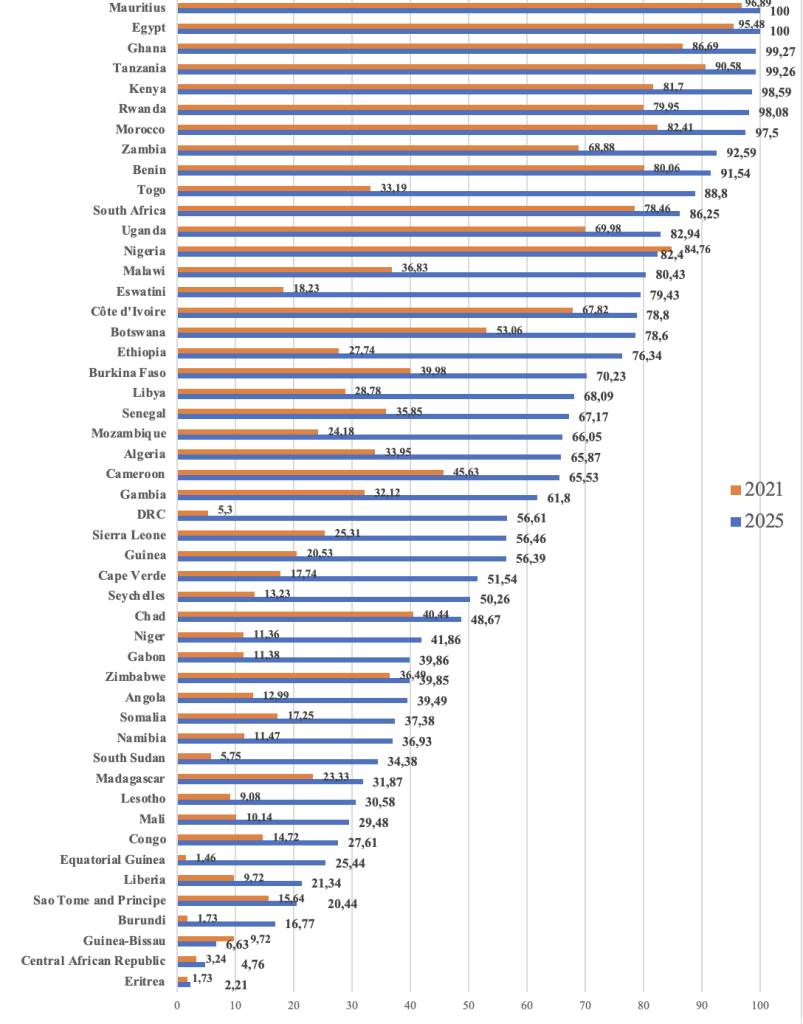
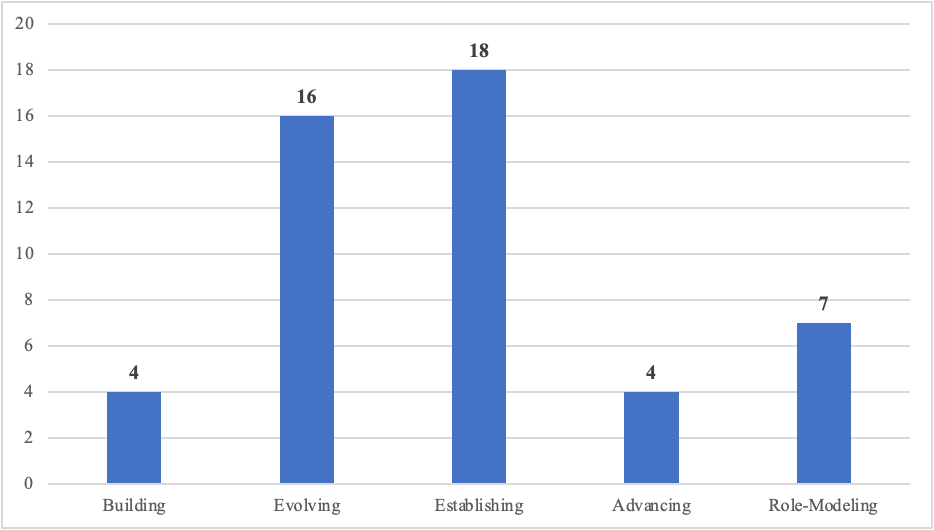
Figure 21. Overlap of having a National Cybersecurity Strategy (NCS) with an action plan and conducting national cybersecurity audits
Source: ITU Global Cybersecurity Index, 2024 (https://www.itu.int/epublications/publication/global-cybersecurity-index-2024)


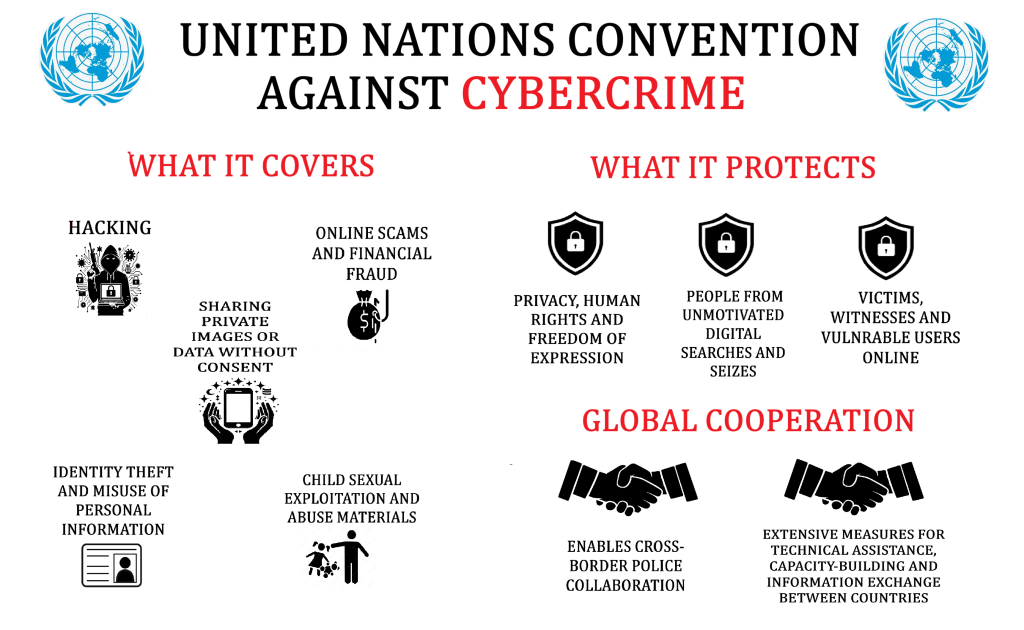
Figure 23. United Nations Convention against Cybercrime
Compiled by PIR Center based on open sources


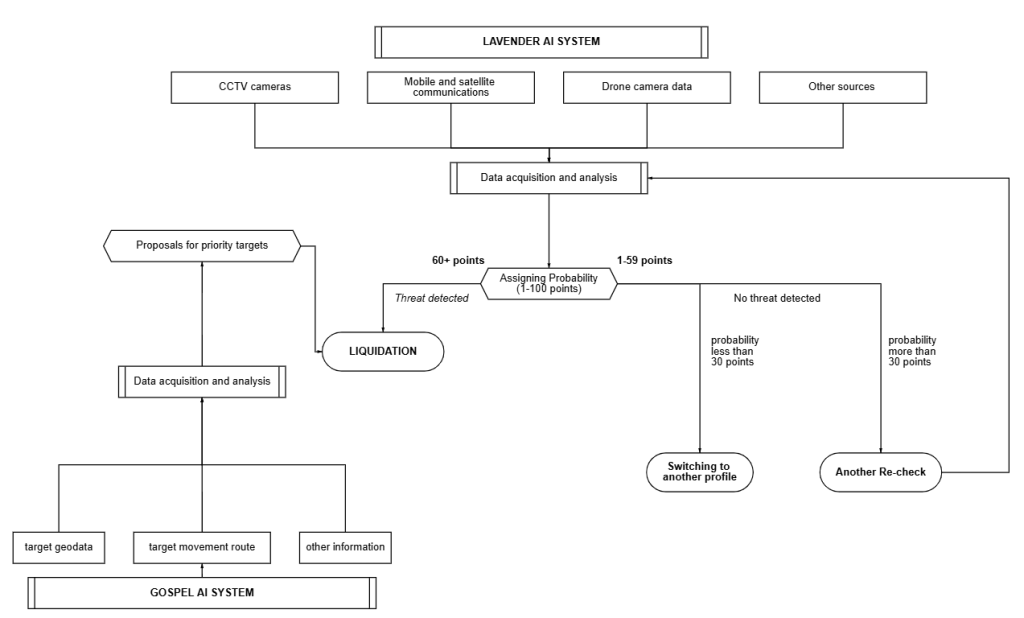
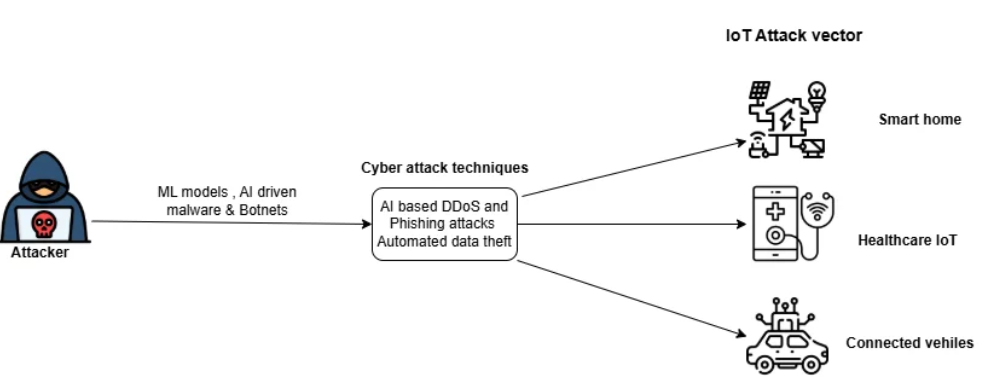
Figure 26. AI Powered Attacks on IoT Devices (simplified diagram)
Source: Karthik V. The Rise of AI Powered Attacks on IoT Devices, 2025

Figure 27. Key Principles of the Eurasian Charter
Compiled by PIR Center based on open sources

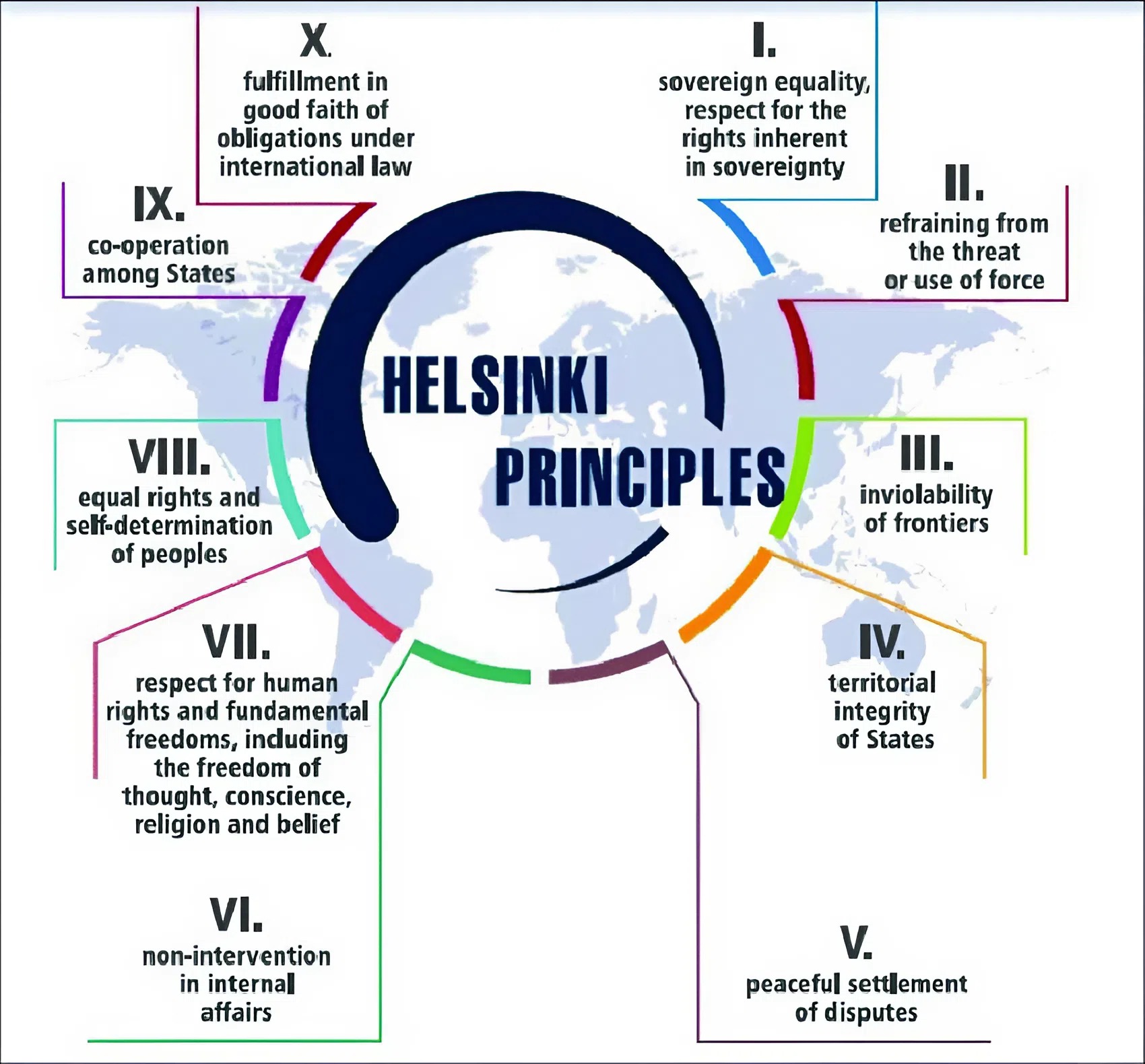
Figure 28. The OSCE Decalogue of principles, the 1975 Helsinki Final Act
Adapted from the data: Dessi A. The Search for Stability in Libya: OSCE’s Role Between Internal Obstacles and External Challenges, 2018 (https://www.researchgate.net/publication/326328513)


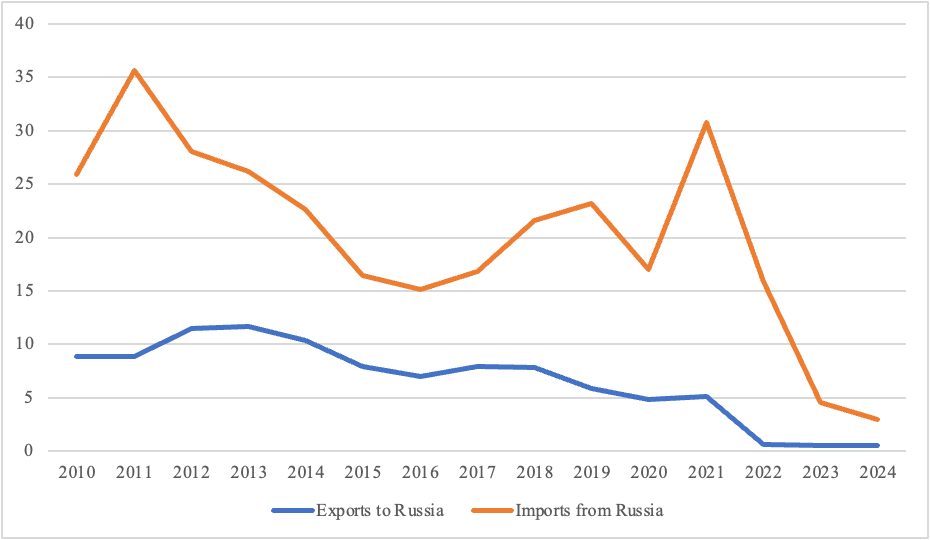
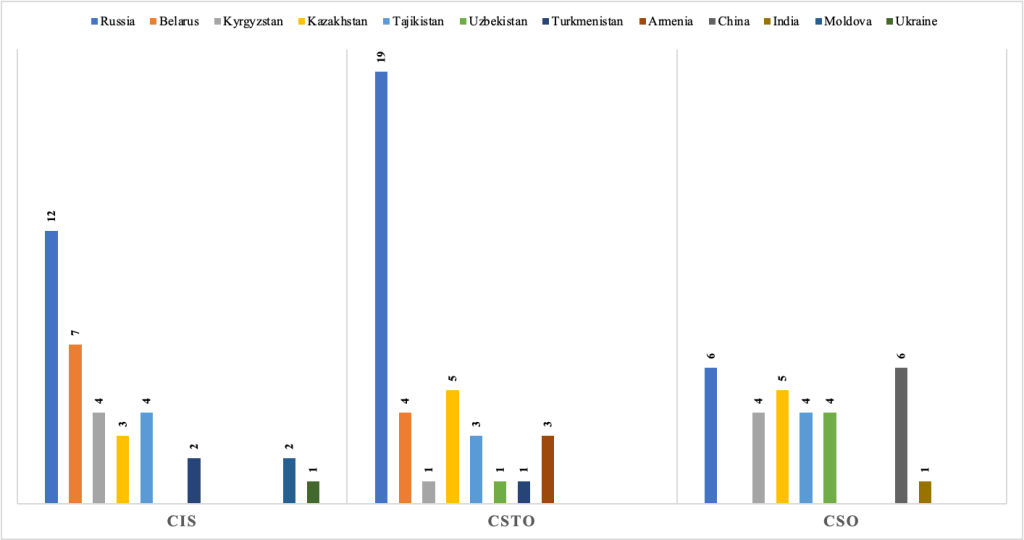
Figure 31. Dynamics of imports and exports in trade between Russia and the USA from 2010 to 2024 (nominal indicators, without taking into account seasonal fluctuations)
Based on: United States Census Bureau (https://www.census.gov/)


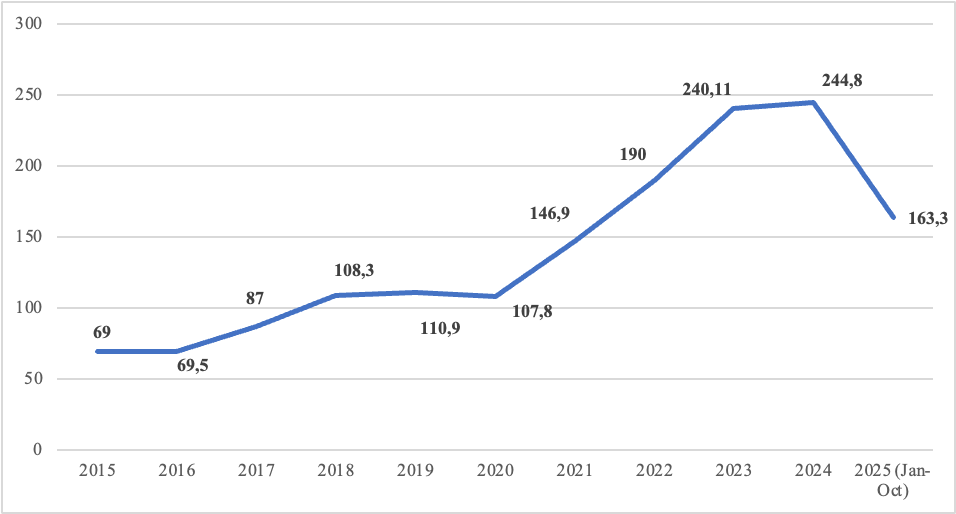
Figure 34. Trade turnover between Russia and China (2015-2025), $ billions.
Compiled by the author based on open sources


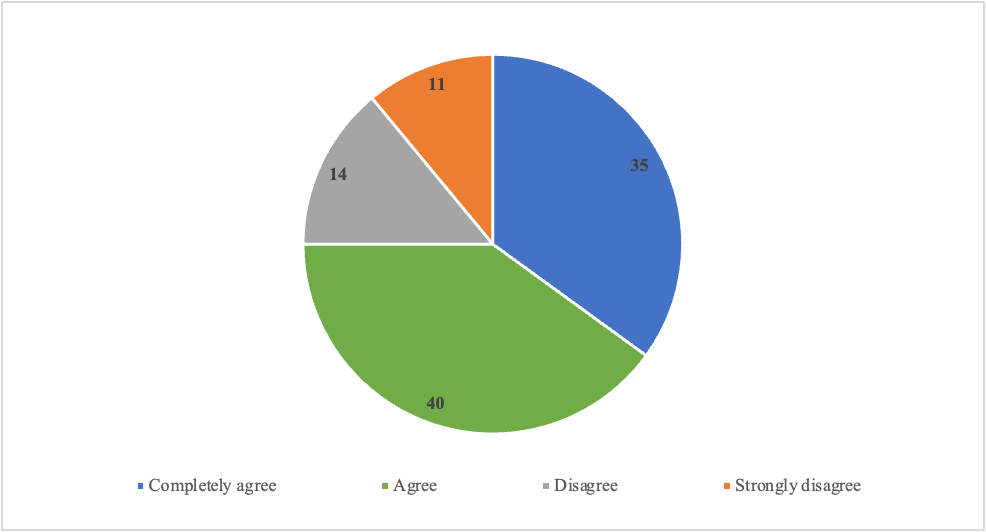
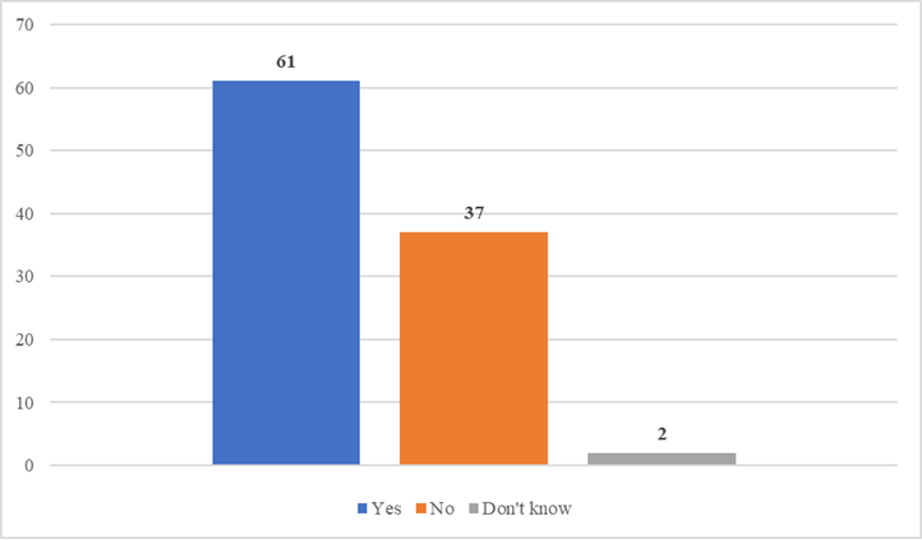
Figure 38. What is the basis for relations between China and Russia? (public opinion poll, June 2025), 1002 respondents, %
Adapted from the data: Chicago Council on Global Affairs
Source: https://globalaffairs.org/research/public-opinion-survey/friends-benefits-chinese-see-russia-and-north-korea-beijings-closest


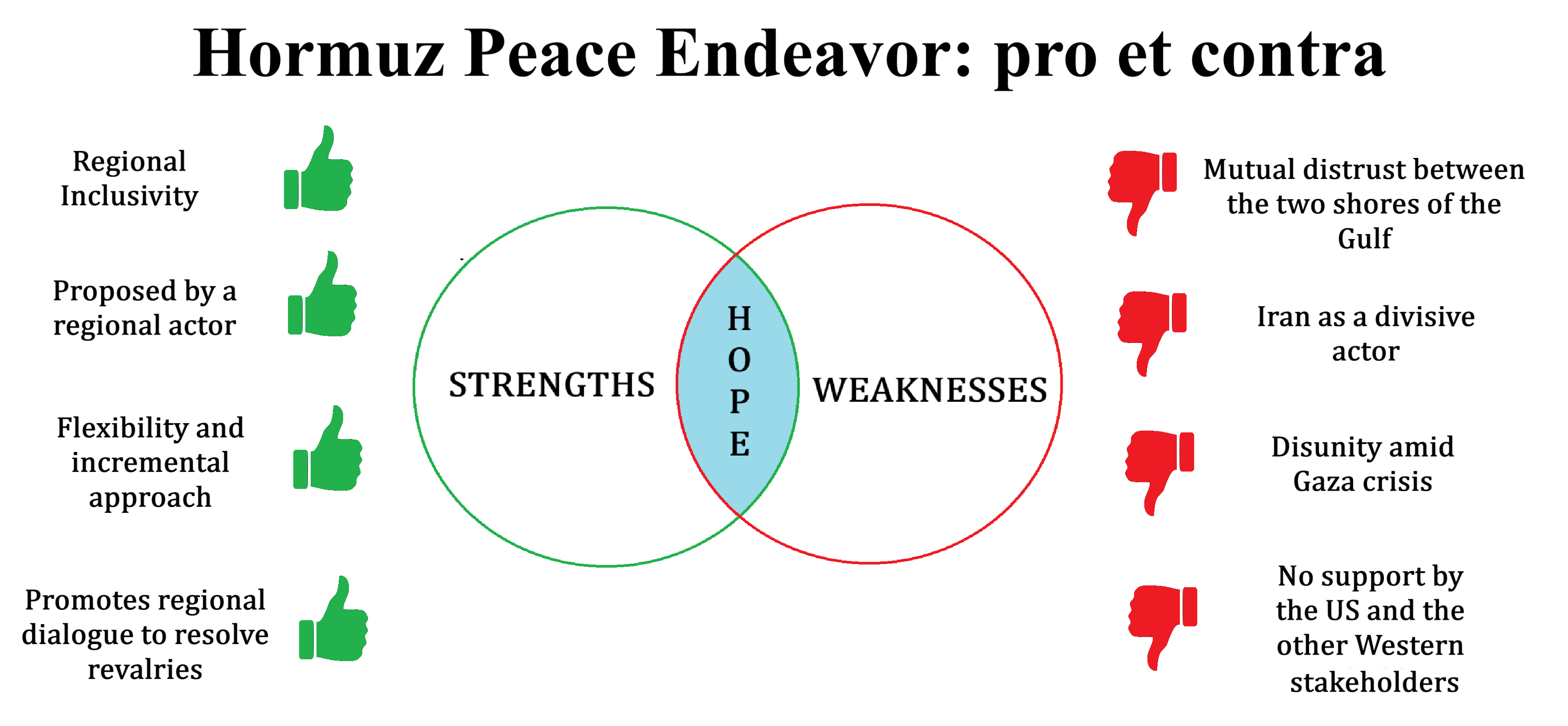
Figure 41. Hormuz Peace Endeavor (HOPE)
Adapted from the data: Dessi A., Colombo S. Fostering a New Security Architecture in the Middle East / FEPS-IAI, Rome: Nuova Cultura, 2020 (updated as of 2025)


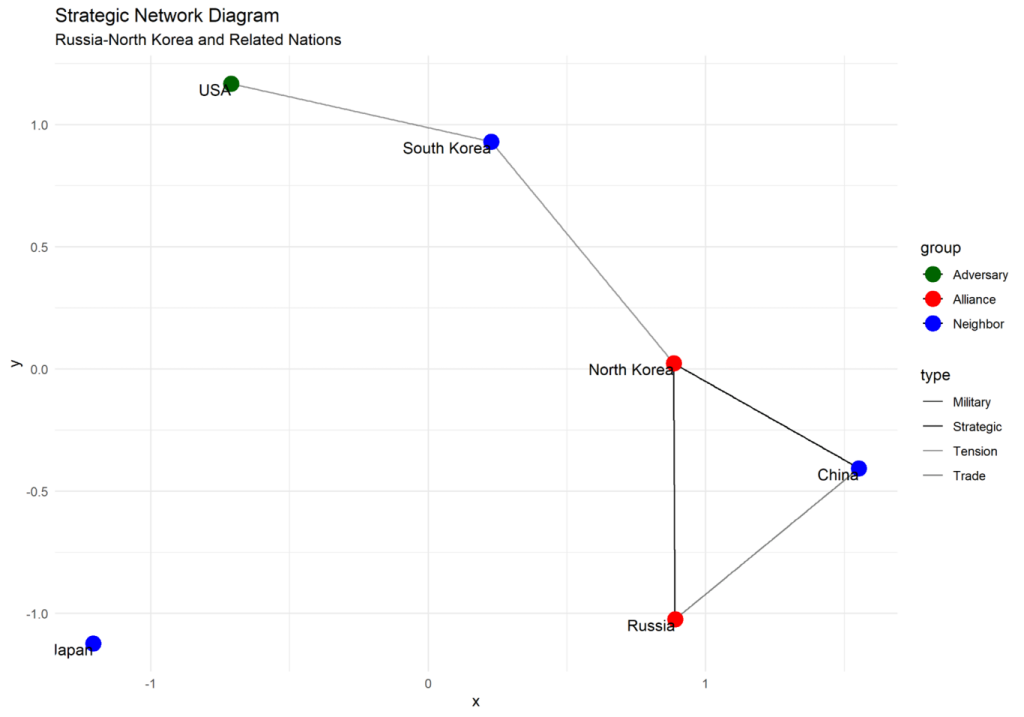
Figure 44. Strategic network diagram of Russia-North Korea and Related Nations
Source: Hassan Jubair, Mithela Mehenaz. Russia-North Korea Strategic Alliance., p.4


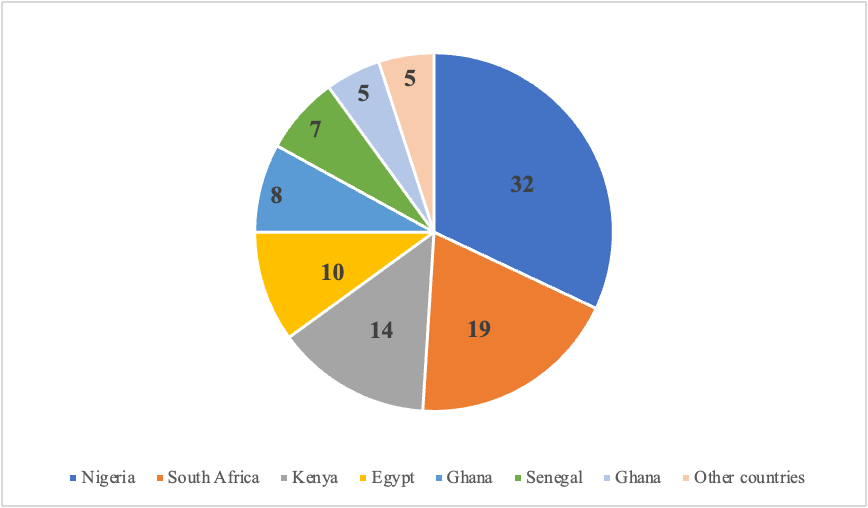
Figure 47. Share of national startups in the African FinTech-market (African companies only), as of 2025, %
Completed by the author based on open sources


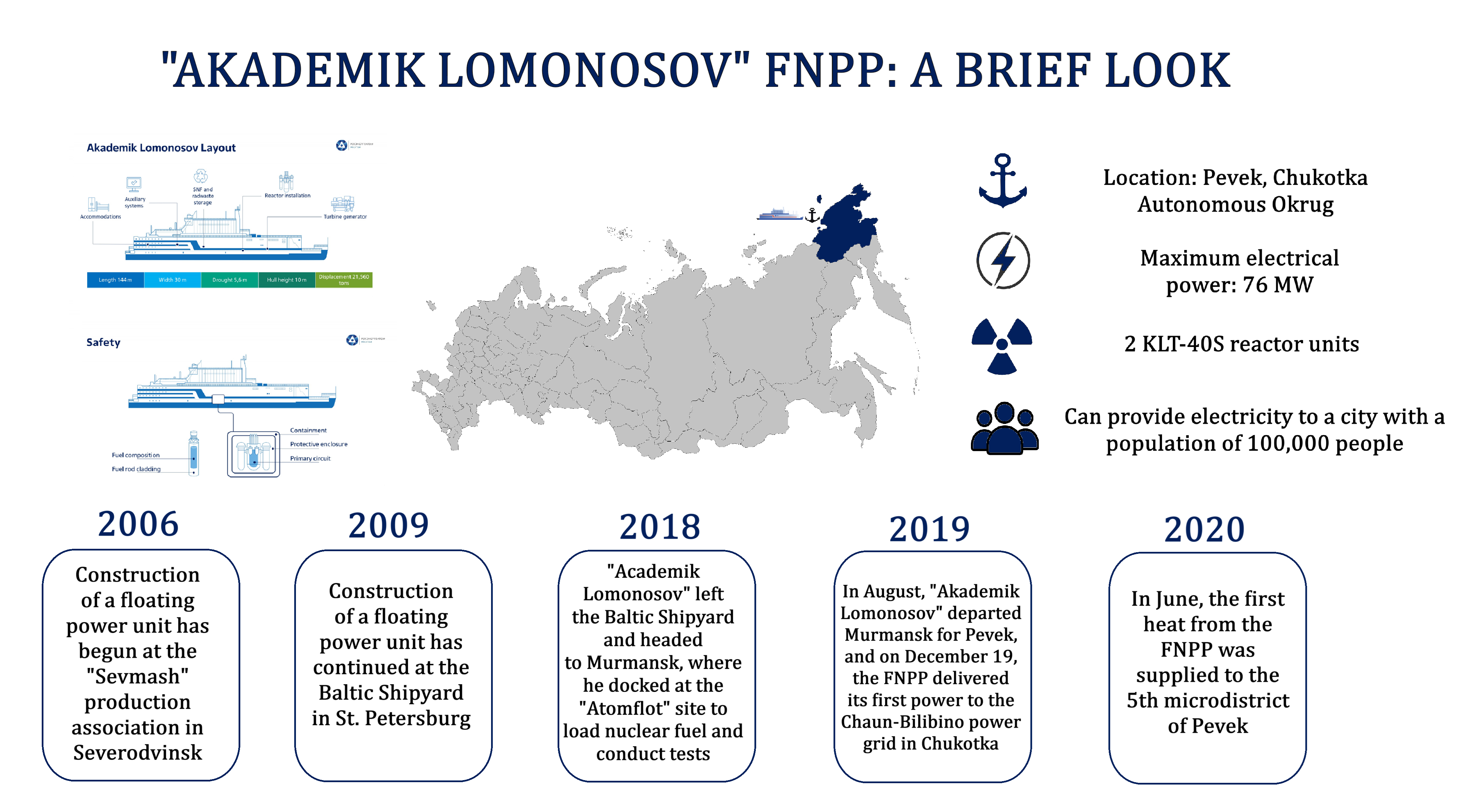
Figure 50. Akademik Lomonosov FNPP: an overview
Complied by PIR Center based on open sources


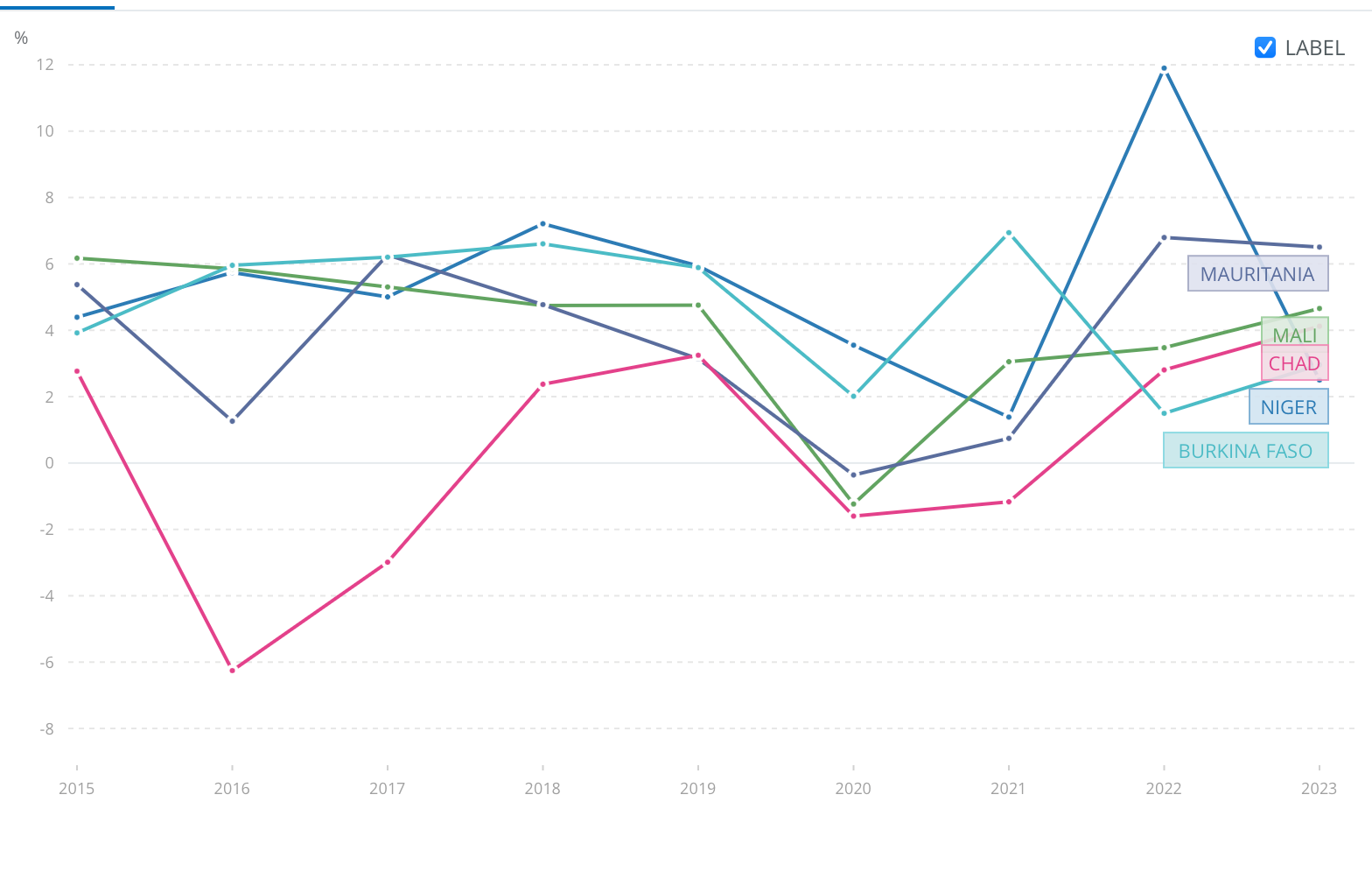
Figure 55. GDP growth (annual %) Niger, Mali, Mauritania, Chad, Burkina Faso
Based on: GDP growth (annual %) – Niger, Mali, Mauritania, Chad, Burkina Faso. World Bank national accounts data, and OECD National Accounts data files (https://data.worldbank.org/indicator/NY.GDP.MKTP.KD.ZG?end=2023&locations=NE-ML-MR-TD-BF&name_desc=false&start=2015)


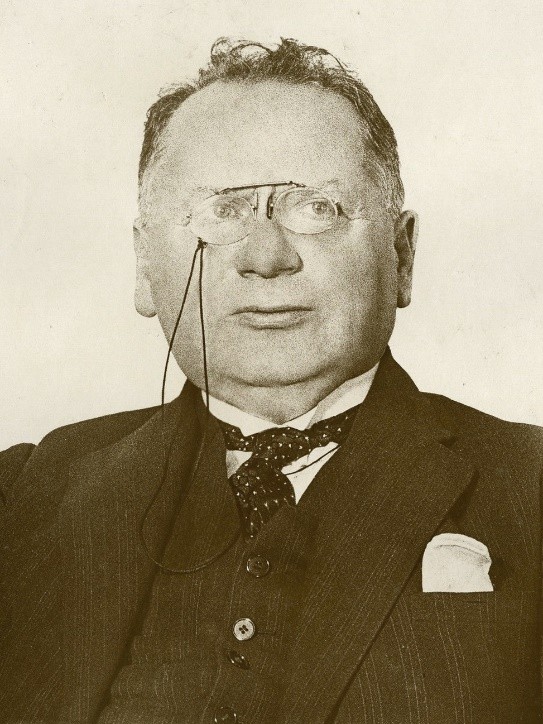
Figure 57. People’s Commissar for Foreign Affairs Maxim Litvinov in 1932
Source: Open Data


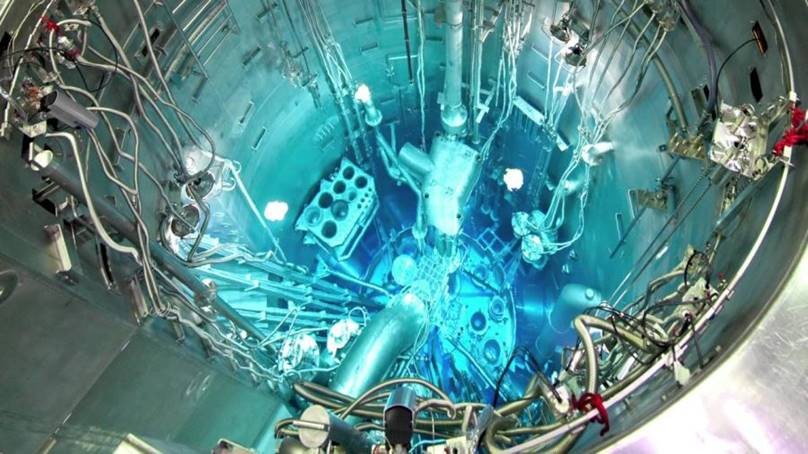
Figure 60. Open Pool Australian Lightwater Reactor (OPAL)
Source: ANSTO (https://www.ansto.gov.au/facilities/opal-multi-purpose-reactor)


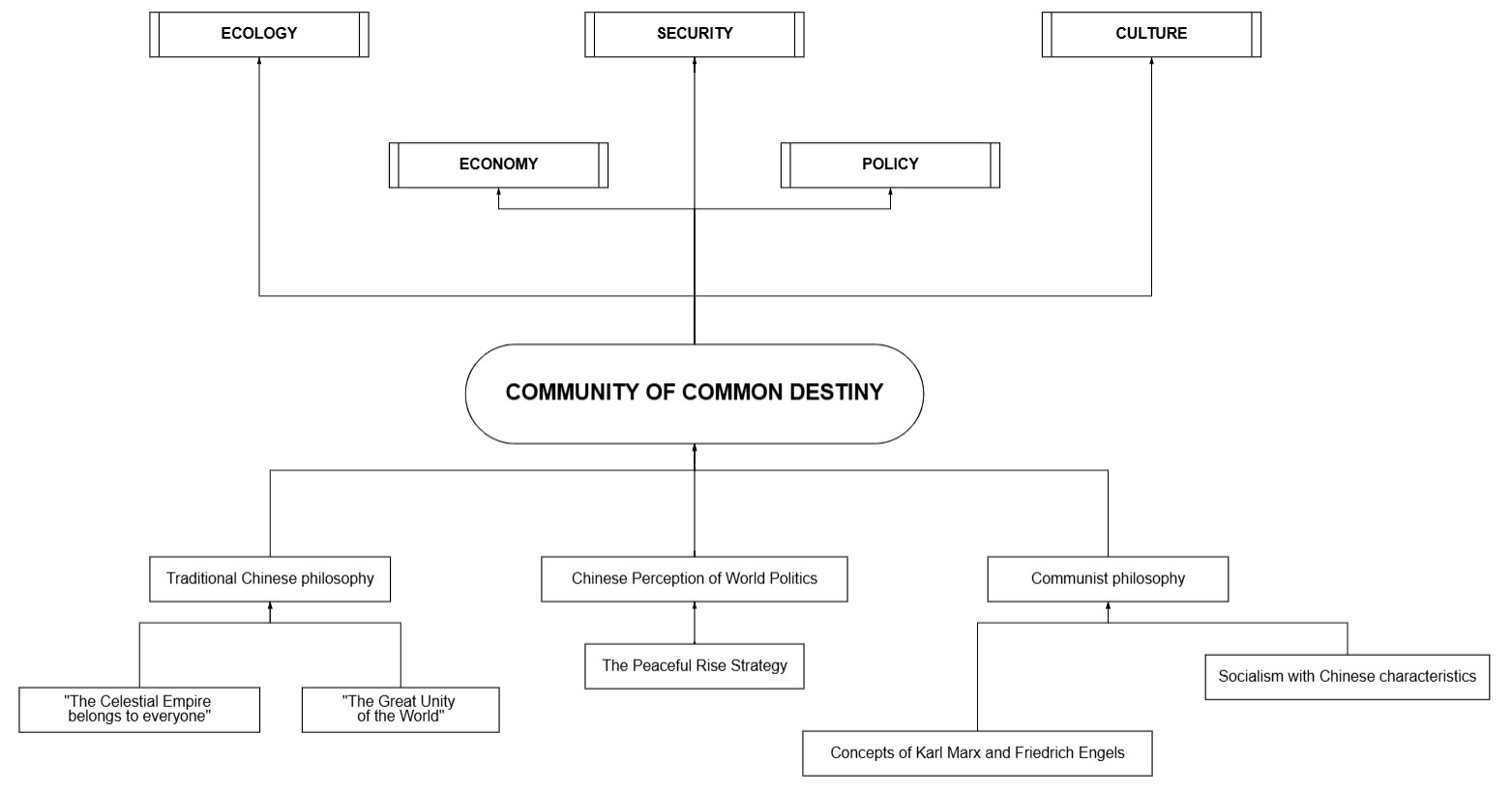
Figure 70. The ideological basis and main baskets of the “Community of Common Destiny”
Compiled by PIR Center
Adapted from the data: Semenov A., Tsvyk A. The concept of the “Community of Common Destiny” in China’s foreign policy strategy // World Economy and International Relations. 2019. Vol.63. №8. P.72-81. (in Russ.)
Source: https://www.imemo.ru/index.php?page_id=1248&file=https://www.imemo.ru/files/File/magazines/meimo/08_2019/10-Semenov.pdf


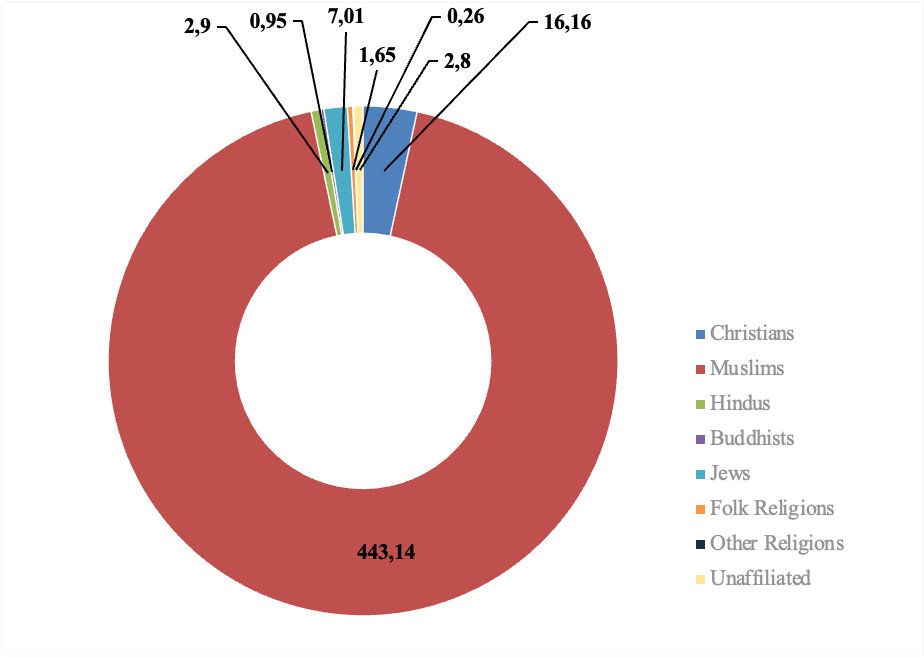
Figure 78. The Future of World Religions, 2030. Religious Composition, All Countries in the Middle East-North Africa Region (million people)
Compiled by PIR Center based on Pew Research Center (https://www.pewresearch.org/religion/2015/04/02/religious-projection-table/)

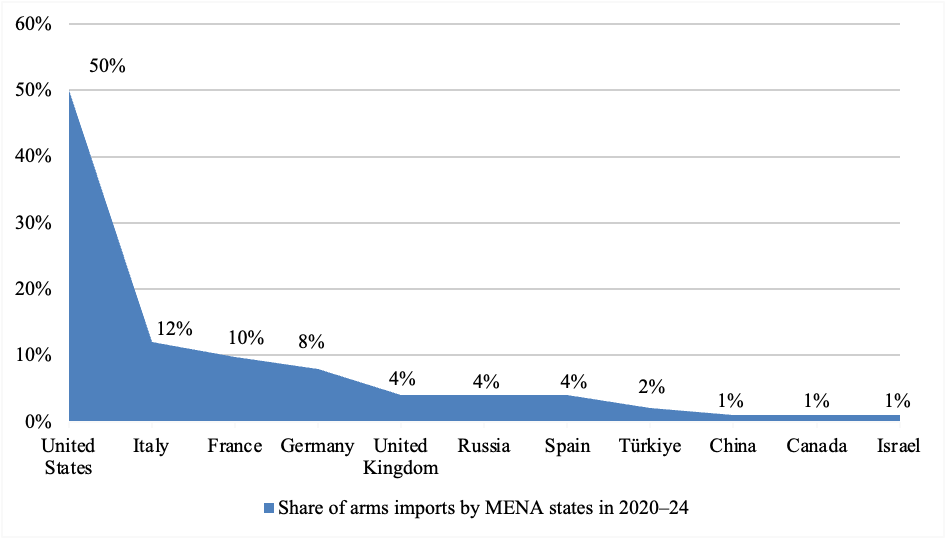
Figure 79. Major arms imports by the MENA states, 2020–2024 (Three GCC members Qatar, Saudi Arabia and Kuwait – were among the world’s top 10 arms importers in 2020–2024)
Compiled by PIR Center based on SIPRI (https://www.sipri.org/commentary/topical-backgrounder/2025/recent-trends-international-arms-transfers-middle-east-and-north-africa)


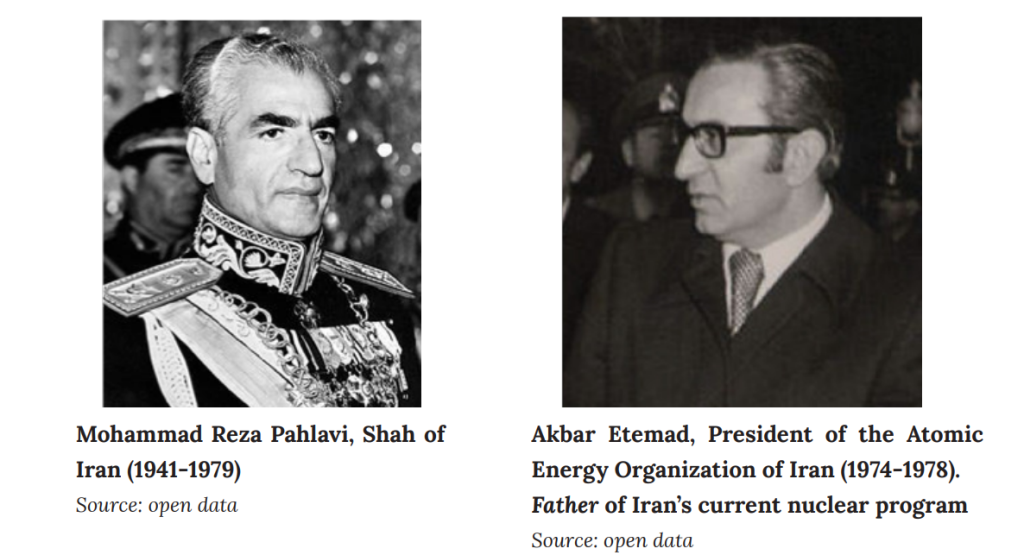
Figure 82. Mohammad Reza Pahlavi and Akbar Etemad
Source: open data


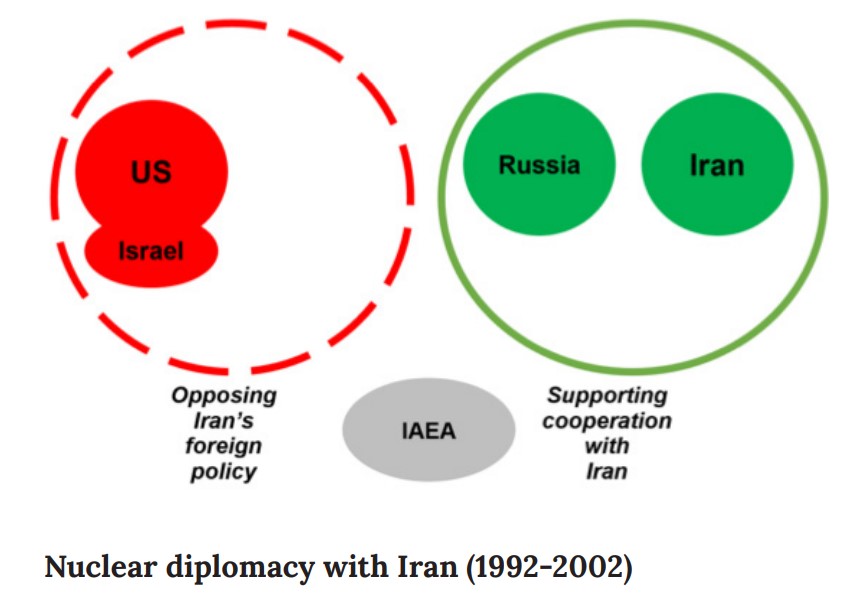
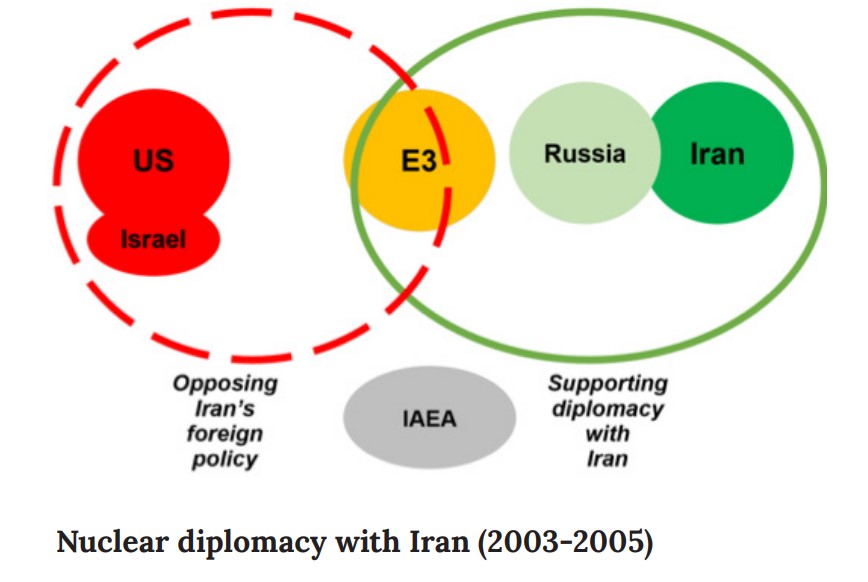
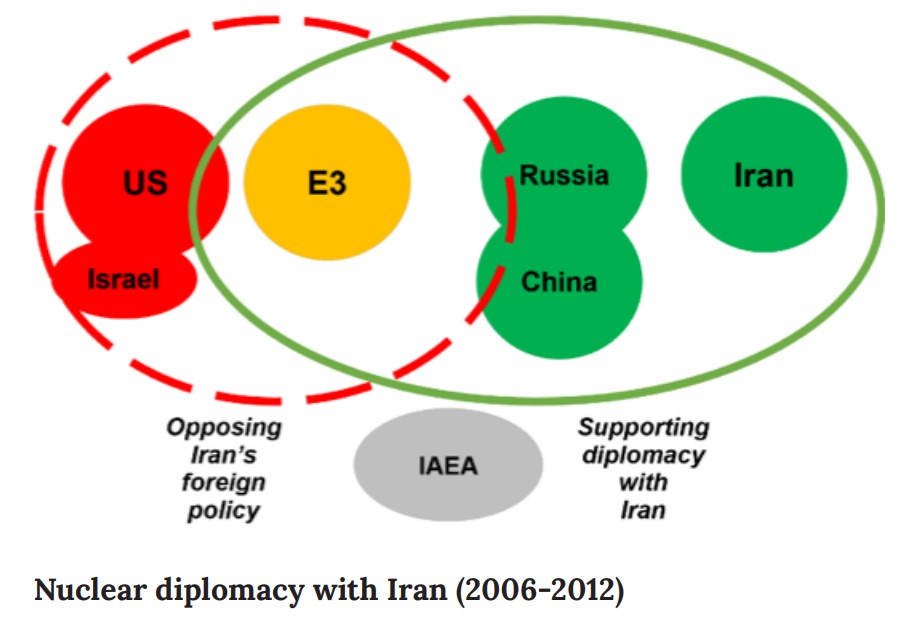
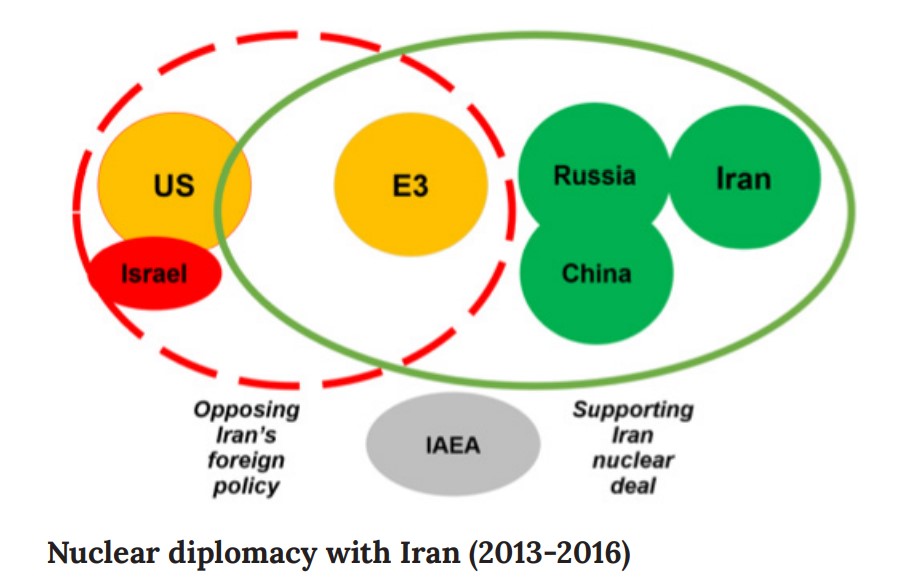
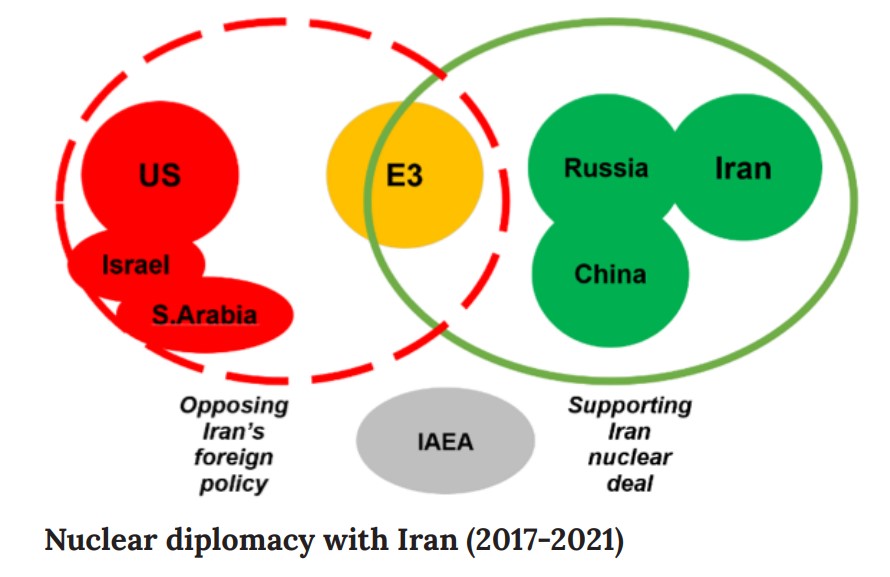
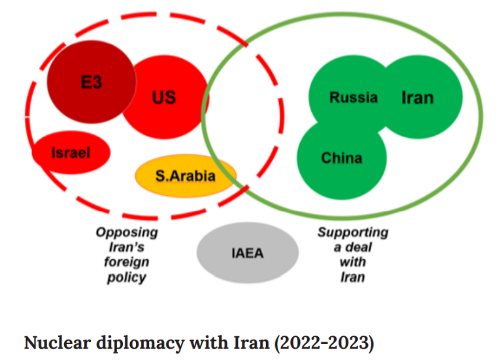
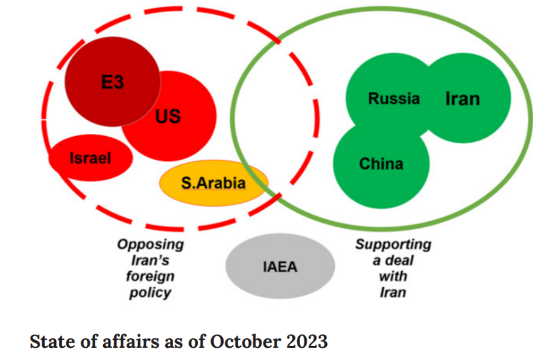
Figure 84. Nuclear diplomacy with Iran (1992-2002)
Compiled by the author


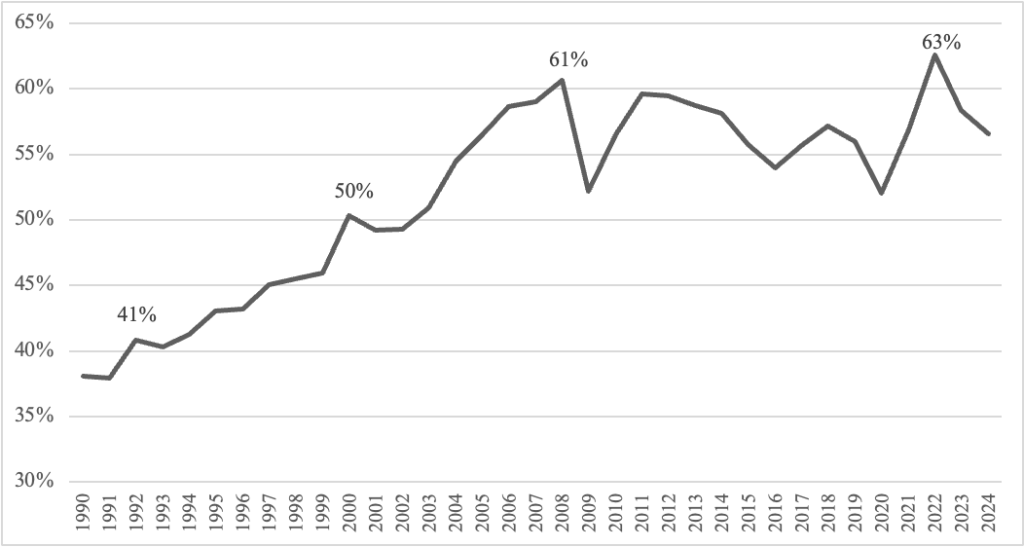
Figure 91. Share of trade relative to global GDP
Compiled by the author based on: World Bank Database (https://data.worldbank.org/)


Figure 95. Distribution of the maritime power. Shares of countries in the Index of Maritime Might (IMM-2025), in %
Source: THE IMEMO SEA POWERS’ RANKINGS 2025, p.11 (https://www.imemo.ru/publications/info/morskie-derzhavi-2025-indeksi-imemo-ran)