
Open Collar Interview № 91 with Greg Dong Suk Yoo
August 13, 2026

«Between perception and reality»
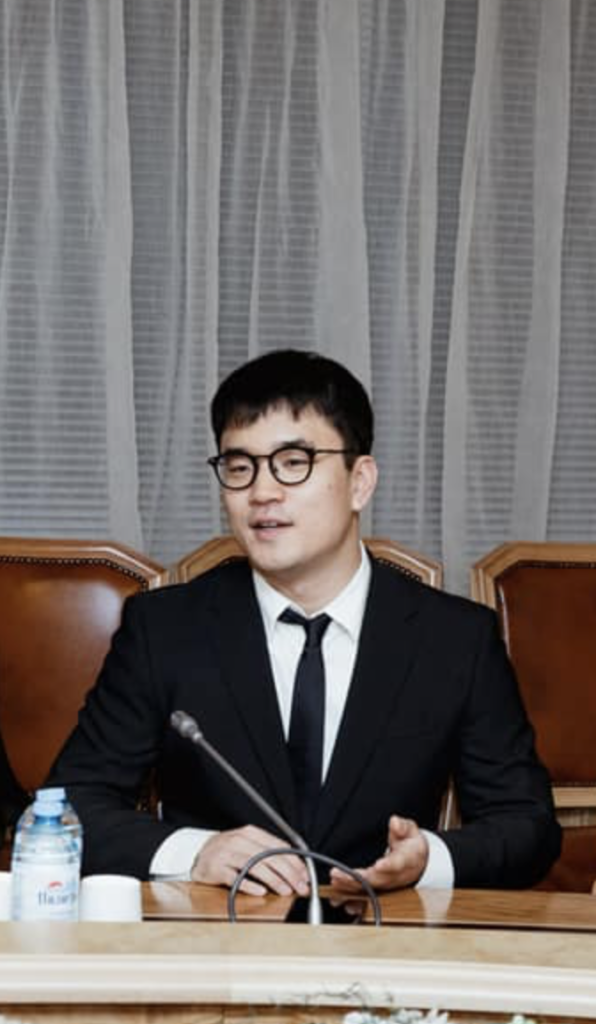
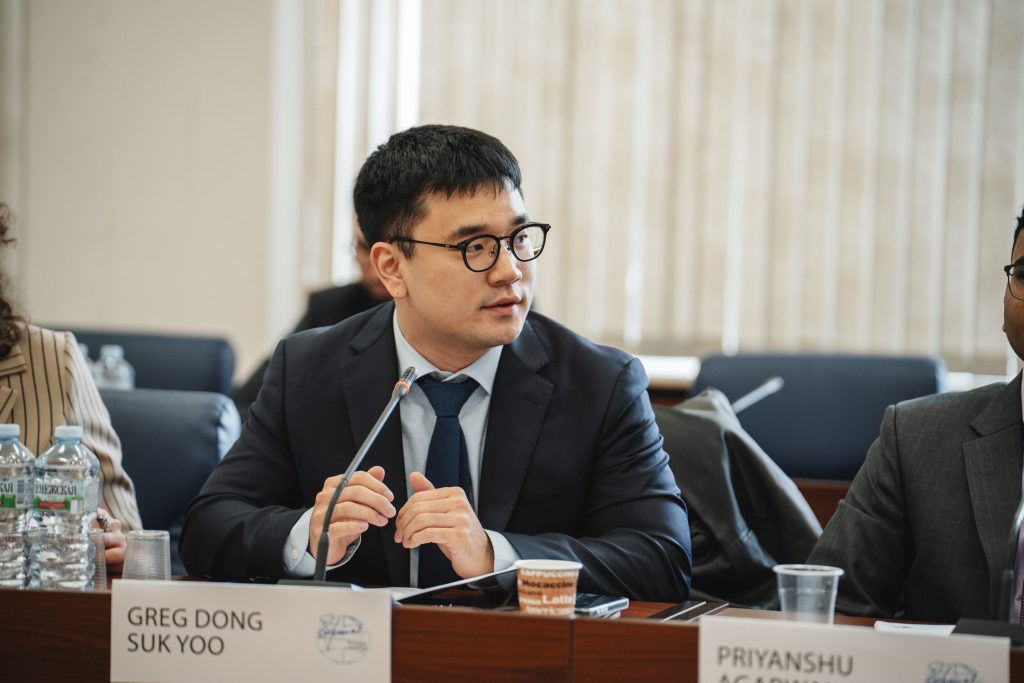
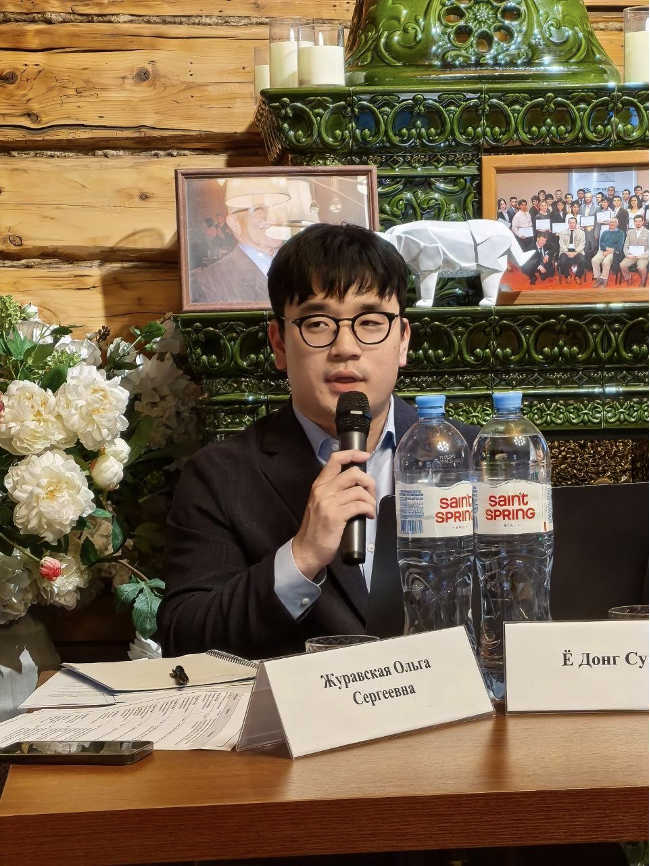
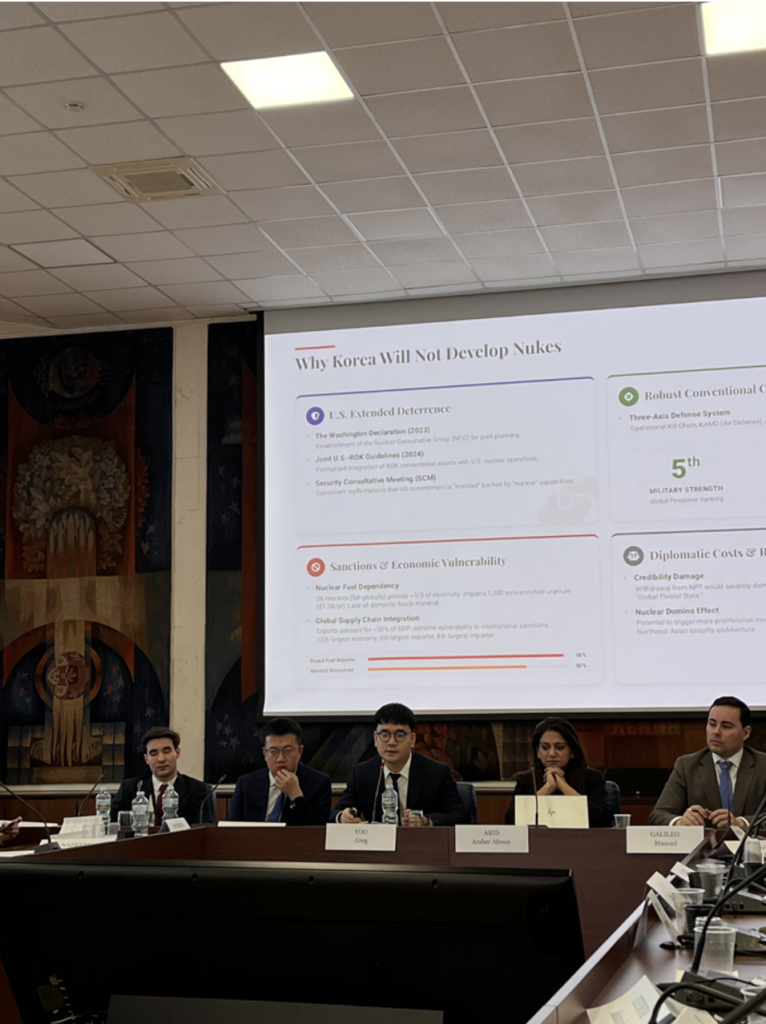
EDITORIAL: The new guest of PIR Center’s Open Collar Interview is Greg Dong Suk Yoo, a PhD candidate in Political Science at MGIMO University and a South Korean specialist in international security, nonproliferation, and Russia–Korean Peninsula relations. His academic and professional experience spans the University of Notre Dame, the Middlebury Institute of International Studies at Monterey, MGIMO University, the James Martin Center for Nonproliferation Studies, the United Nations Office for Disarmament Affairs (UNODA), government affiliated thinktank in South Korea. His current research focuses on alliance politics, nuclear issues on the Korean Peninsula, and Russia’s role in Northeast Asian security.
The interview was conducted by Roman Kalinin, Research Fellow at PIR Center.
Childhood, Education, and Growing Up in Korea
When I was very young, I wanted to become a firefighter, but later that changed to becoming a doctor, businessman, management consultant, and so on. I was never set on just one profession. I think it changed quite often because, when you are young, you feel that you have the potential to become anyone. My parents paid a lot of attention to my education. Many experts argue that one of the main reasons Korea developed so quickly is its strong focus on education. Even during the Korean War, schools remained open, which gives you a sense of how deeply education is embedded in Korean culture. Many Korean parents will avoid spending money on themselves, but will happily pay for their children’s after-school math, science, and English classes. And it’s not just a stereotype. Recent statistics show Korean households spend roughly 20 to 30 percent of their monthly income on their children’s education. I went through that system myself. My friends and I spent a huge portion of our childhood in «hagwon» – private after-school institutions mostly focused on math and English. It was competitive, no question, but looking back I actually have a lot of good memories from that time. The funny thing is that almost all of those memories are set either in a hagwon or in a library.
Growing Up Next to the Korean Question
The geopolitical situation on the Korean Peninsula did not really affect my childhood. When you grow up in Korea, it is something you gradually learn about through history classes, but in everyday life it does not feel as though a threat is nearby. Even though I was in middle school in 2006, I still do not remember the first nuclear test having much impact on my daily life. The only time I was genuinely concerned was when Kim Jong Il died, because I was serving in the military and we remained on alert for the following two weeks.
If we speak about international affairs, I think a lot of Korean families in my generation didn’t really discuss international politics at home, partly because Korean society wasn’t very open to the outside world until the 1990s. Overseas travel was only fully liberalized in 1989 for normal citizens, so my parents’ generation grew up with very limited opportunities to actually see the world. In our household, we’d watch the evening news together, and international politics would come up here and there, but it was rarely something we sat around and debated. However, one thing my parents did deliberately was to bring me and my brother to a different country every summer and winter as family travel. They thought this was part of education. Those family trips were what truly broadened my perspective. They gave me an early awareness that the world is huge, and that my way of life – I guess the Korean way of life – is just one of many.
When Security Became Personal
When I was very young, I remember going to the public library and reading cartoon books about the Korean War. I guess that was probably my first real exposure to it. On top of that, everyone in my grandparents’ generation, including my own grandparents, went through the war, so I grew up hearing their stories firsthand. In that sense, I was aware of the history from quite an early age. But interestingly, I don’t remember any of it really hitting me at the time. I just absorbed it as something that had happened – a part of family history, a part of national history – without thinking much harder than that. Growing up, it was never an especially emotional issue for me. That changed years later during the 2017 escalation between Donald Trump and Kim Jong Un.
It was in 2017, when Donald Trump and Kim Jong Un were trading insults and seemingly balancing on the verge of nuclear war. I was working at a private company at the time, and one evening, while working, I got Facebook messages from my American friends saying they were genuinely worried about the Korean Peninsula, that my family and I were in their prayers, and that we were welcome in the US anytime if things got bad. That experience really made me think more seriously about the issue. Inside Korea, life was carrying on completely normally. People were going to work, meeting friends, and planning vacations within Korea. But from the outside, it looked like a second Korean War could break out the next day.
That gap between how the situation was lived and how it was perceived really stayed with me. It made me realize that the Korean Peninsula is one of those issues people around the world worry about, but few really grasp the potential outburst of a conflict from the inside. I thought maybe this was something I should be engaging with because what looked like resilience from the inside might also have been a quiet numbness to a real and ongoing threat.
The experience eventually pushed me toward nonproliferation and international security studies. The whole situation became intellectually fascinating to me, which is ultimately why I shifted toward nonproliferation studies and international security. I also began to realize how much perception matters in international politics. There is rarely one completely objective answer, and when two views conflict, it doesn’t automatically mean one is right and the other is wrong. That said, this doesn’t mean you have to accept every opinion as equally valid. Recognizing that something is understandable is different from agreeing with it. Even when you can’t accept a view emotionally, you can usually understand the rationale and the intentions behind it rationally. And once you understand where someone is coming from, you’re in a much better position to make a real case: to persuade them, or at least help them see how you arrived at your own view.
Discovering Russia
I first visited Russia in 2013 through MGIMO’s summer school program – an experience that significantly shaped both my academic interests and future career plans. I was always interested in political science, but I didn’t have the opportunity to change my major during my bachelor’s studies since I took a leave of absence for two years to serve in the Korean military. I entered university as a finance major, added a supplementary major in Russian, and stuck with it.
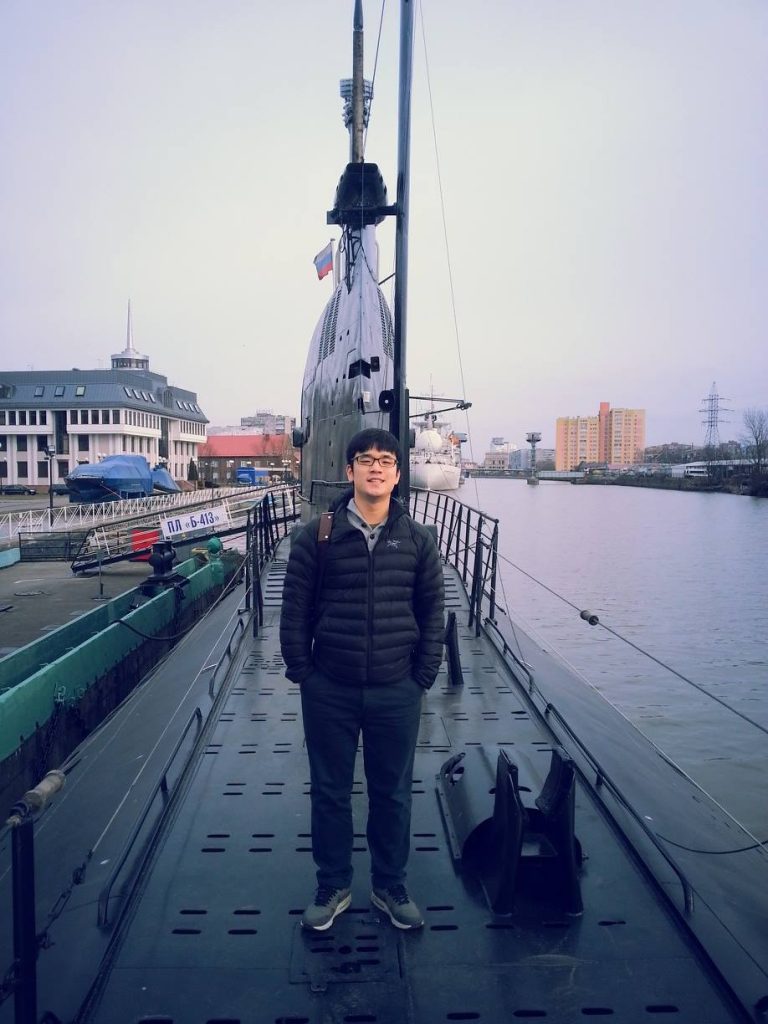
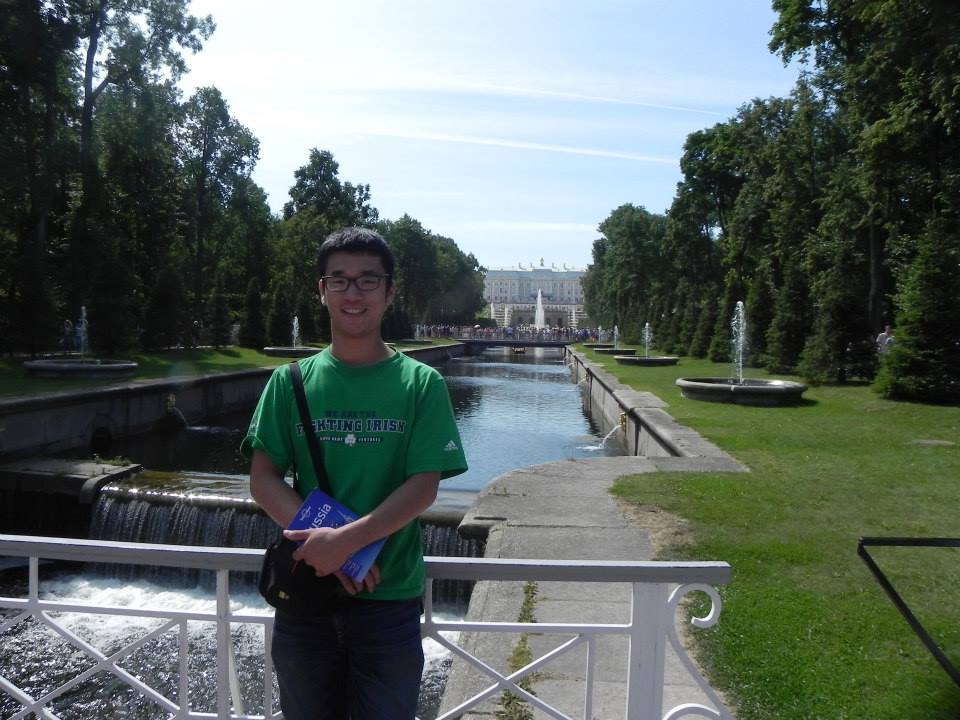
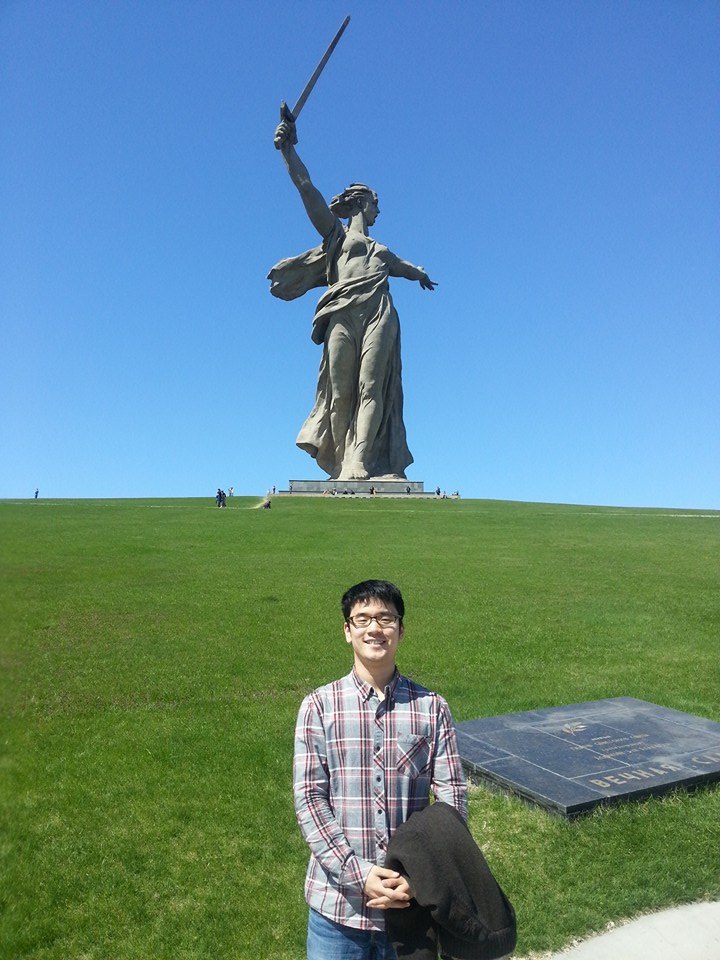
During my first visit Moscow was a very different city from what it is now. Zaryadye Park didn’t exist yet. Moskva City was still under construction. «Bombila» or «chastnik» – what we called «gypsy cab» in English – were still prevalent; that was just how you got around. There was no Wi-Fi in the metro, so on every train you’d see people reading actual books, which honestly I miss a little. Since then, I have returned to Moscow repeatedly and watched the city transform. I’ve come back every two to four years since then, and it’s been remarkable to watch how much Moscow has transformed. It’s become noticeably more modern and developed, but what I really appreciate is that it’s done so without losing its historical character. The traditional European and Soviet architecture is still there. Coming back each time felt like a small pleasure, and honestly, the way the city has evolved was one of the factors I considered when deciding where to pursue my PhD.
Russia Beyond Stereotypes
Stereotypes tend to be on the negative side, and I did hear a few before coming to Moscow. I’ll leave aside the obvious ones since I’m sure they’ve come up many times. But one thing I’d heard about was that people are unfriendly towards foreigners, which I think was tied to the image of the Russian ultra-right in the 1990s and early 2000s, and to stories from that period that stuck in people’s memory.
Honestly, I have never encountered this stereotype in reality. Through my travels in different countries, Russia has actually been one of the most comfortable countries for me personally. I’ve spent close to two years here in total, and I genuinely can’t recall an incident where I felt people were unfriendly. If anything, people have tended to be warm and helpful. That’s just my experience, of course, but the stereotypes I had heard before coming did not match my actual experience.
Why MGIMO?
MGIMO had been on my radar long before I arrived in Moscow. My high school textbook had a page of fun facts about Russian universities, and only two were mentioned: MSU and MGIMO. After I finished my military service, I wanted to spend some real time in Russia since I’d never actually been, and MGIMO was the one place offering a summer school I could join. The fact that ‘International Relations’ is literally built into the university’s identity definitely helped me make the decision. After that summer, honestly, I couldn’t see myself anywhere else in Russia. For international relations, MGIMO just felt like the place to be.
Today, my research focuses on alliance politics and the Korean Peninsula. As a postgraduate student, I research the driving forces behind Russia’s relationships with both Koreas – Russia – ROK and Russia – DPRK – and the conditions under which those relationships can actually become mutually beneficial. Among the various driving forces, I focus specifically on alliance politics: how the US – ROK alliance and the Russia – DPRK alliance interact with and constrain each other, and what that means for the prospects of cooperation in both bilateral relationships. A key part of this is alliance credibility, which inevitably brings in some of the nuclear issue, particularly the issue of U.S. extended deterrence over South Korea. So nuclear issues are very much part of the picture, but I’m approaching them through the lens of alliance politics rather than as a standalone nonproliferation study.
How South Koreans View the Nuclear Issue
When asked whether the North Korean nuclear issue dominates everyday thinking in South Korea, I draw a distinction between expert discourse and ordinary life. Honestly, I find the domestic problems of my country more concerning – things like the deepening polarization in our society. That worries me more than any international issue. Frankly, I don’t think most South Koreans are thinking about the nuclear issue on a daily basis. People are busy living their lives – working, supporting their families, and simply getting through the day – and in a way I think that’s actually a healthy sign. It means people subconsciously feel the country is safe enough to focus on ordinary life rather than constantly worrying about war. At the same time, public attitudes toward North Korean nuclear weapons remain increasingly hawkish. That said, when you ask directly, most people will tell you that North Korean nuclear weapons are a real and direct threat to South Korean security, and that we need to strengthen our own capabilities – even develop our own nuclear weapons. Polls consistently show around 70% public support for an indigenous nuclear program, although it is worth noting that such polling questions usually do not fully outline the trade-offs involved, like economic sanctions, the impact on the US alliance, or withdrawal from the NPT. I also argue that the North Korean leadership is often misunderstood abroad. I think that the North Korean political elite is highly strategic and rational. If they appear unpredictable, I think that unpredictability is often deliberate. There was a time when experts seriously debated whether the North Korean leadership, including Kim Jong Un, was rational, and I am glad that there is no longer much debate on that anymore.
Realism and the Role of an Expert
Thankfully, no international security issue keeps me awake at night. But studying security made me both realistic and pessimistic. Being realistic means looking at the world as it actually is, which means getting to know the real motivations behind actions and their actual repercussions. And a lot of what you learn in international relations just isn’t very cheerful, so pessimism kind of comes with it. It’s not that I’ve become gloomy – I just think being realistic naturally makes you somewhat more pessimistic. I’d rather see things clearly, even when the picture isn’t great. For me, the role of an expert goes beyond pure analysis. I think an ideal expert gets to experience different positions, for example, an advisor, analyst, and bridge-builder. So I’d like to do all three at different points in my career as well. I’m hoping the PhD will open enough doors that I don’t have to commit to just one path. Realistically, I think I will probably begin either at a think tank or in academia, working as a researcher or professor in Korea. Korea has a fairly active revolving door between academia, think tanks, and government, so the important thing is to start somewhere, build a solid track record of expertise, and let the other opportunities follow from there.
Blitz
Tell us about your hobbies. How do you disconnect from security studies?
I love racket sports, especially tennis and table tennis. I have friends and colleagues who are good at them, so it’s a real pleasure playing together. I also enjoy going out for dinner and spending time with friends. Lastly, I am a big fan of Russian wines – red, white, and orange alike.
One misconception about South Korea you would like to challenge?
That Koreans work too much. We do work long hours – I won’t deny that. But things have genuinely improved compared to a couple of decades ago. Actual working hours have been declining, and in 2018 the government introduced the 52-hour workweek law. We’re still above the OECD average, but we are no longer the outlier we used to be. The other thing I’d add is that I think Russians also work a lot. When I interact with my friends and colleagues in Moscow, I see them working long hours too, which makes it difficult for me to say that Koreans necessarily work more.
Moscow or Seoul?
Seoul – but Moscow is a very close second among all the places I have visited.
Optimist or realist?
Realist.
One word to describe the future of the Korean Peninsula?
Difficult.
Interview: Roman Kalinin
Editing: Maksim Nosenko
Keywords: Open Collar
ALU
E16/NOS – 26/08/14
