
Open Collar Interview № 88 with Pavel Devyatkin
May 6, 2026

«The most serious obstacles are often the ones we create in our own minds»
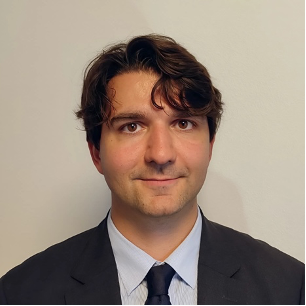
EDITORIAL: The new guest of PIR Center’s Open Collar Interview is Pavel Devyatkin, Senior Associate and Leadership Group member at The Arctic Institute, and a member of the PIR Alumni Community since 2023. His research focuses on Russian Arctic policy, U.S.-Russia and U.S.-China relations, international cooperation, governance, security, and diplomacy. Pavel also provides consultations to companies and academic institutions on Arctic affairs. Today, Pavel Devyatkin turns 30. He reaches this milestone as an accomplished researcher whose work brings together academic analysis, science diplomacy, and international expert dialogue.
Pavel’s work has been published by the U.S. Department of Defense, the Russian International Affairs Council, the Polar Journal, Strategic Analysis, The Nation, Responsible Statecraft, and other outlets. His research has been presented at international events organized by the Arctic Council, Oxford University, Ocean University of China, the Diplomatic Academy of the Russian MFA, the Association of Polar Explorers, the Gorchakov Fund, the Fridtjof Nansen Institute, IISS, MGIMO, and others. He has also provided commentary to Reuters, BBC News and Radio, The Washington Post, Al Jazeera, South China Morning Post, and TASS.
A Visiting Lecturer at the Higher School of Economics (HSE University) in Moscow, Pavel teaches BA and MA courses on international relations. Earlier in his career, he worked as a researcher at the Stanford U.S.-Russia Forum and the United Nations Convention to Combat Desertification (UNCCD). Pavel is a graduate of the London School of Economics (LSE) and University College London (UCL).
In this interview, Pavel Devyatkin speaks about his childhood in New York, his academic years in London, and the path that led him to specialize in Arctic politics. He reflects on the role of scientific diplomacy in maintaining dialogue between major powers, his work at The Arctic Institute, and his experience teaching international relations at HSE. He also shares his thoughts on the importance of maintaining professional dialogue between countries even during periods of geopolitical tension.
The interview was conducted by Yury Shakhov, Editor of the Information, Publications, and Digital Communications Program at PIR Center.
The Beginning of the Journey: Childhood in New York and First Encounter with the UN
I’m an American of Russian ancestry. I grew up in Brooklyn, New York, attending public schools: PS 230, then NEST+m, and Brooklyn Tech. New York is an incredibly international city, so from an early age, I was surrounded by people from all over the world. That certainly shaped my worldview and my interest in international issues.
However, the moment that largely determined my future professional path happened when I was eleven years old. My parents took me to the UN headquarters for the International Day for Mine Awareness and Assistance in Mine Action, where I shook hands with UN Secretary-General Ban Ki-moon. I was just a child, but the stories of people who had lost limbs to landmines and their gratitude toward the UN for demining efforts deeply moved me. For the first time, I truly understood that international organizations could change the lives of ordinary people.
That was when the idea first emerged that I wanted to pursue work that helps people globally. Years later, I had the opportunity to work within the UN system myself – at the United Nations Convention to Combat Desertification (UNCCD).
London Years: University and Intellectual Environment
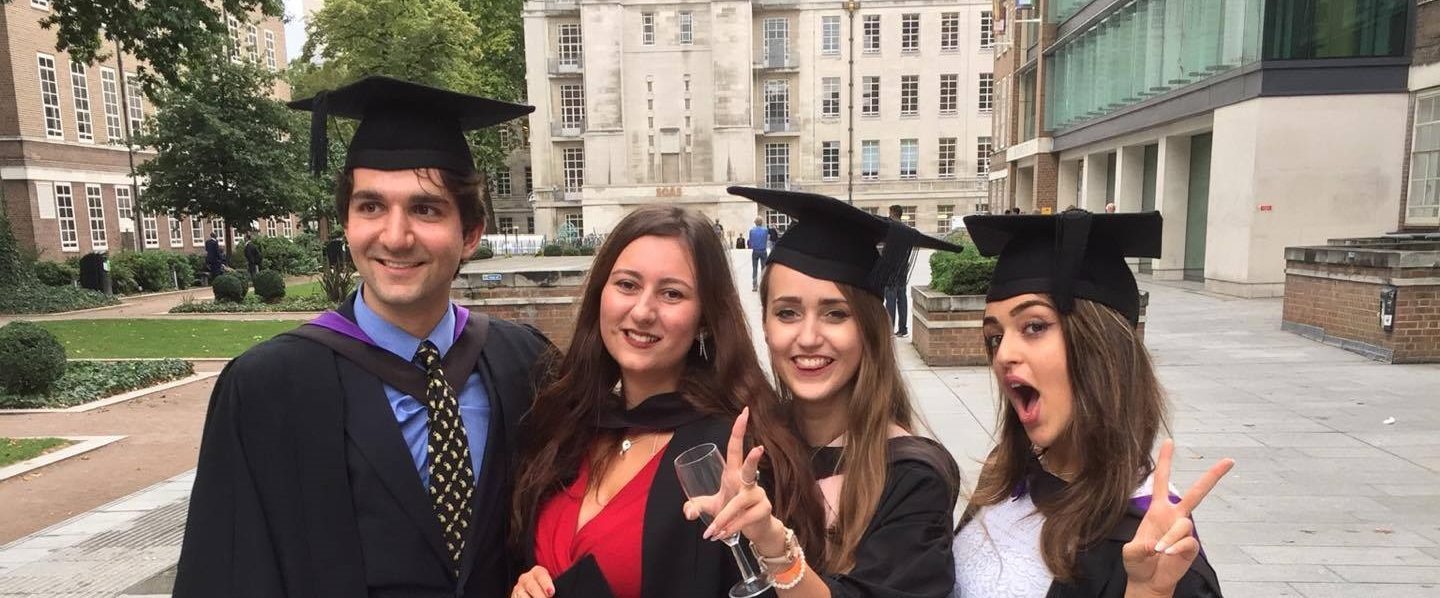
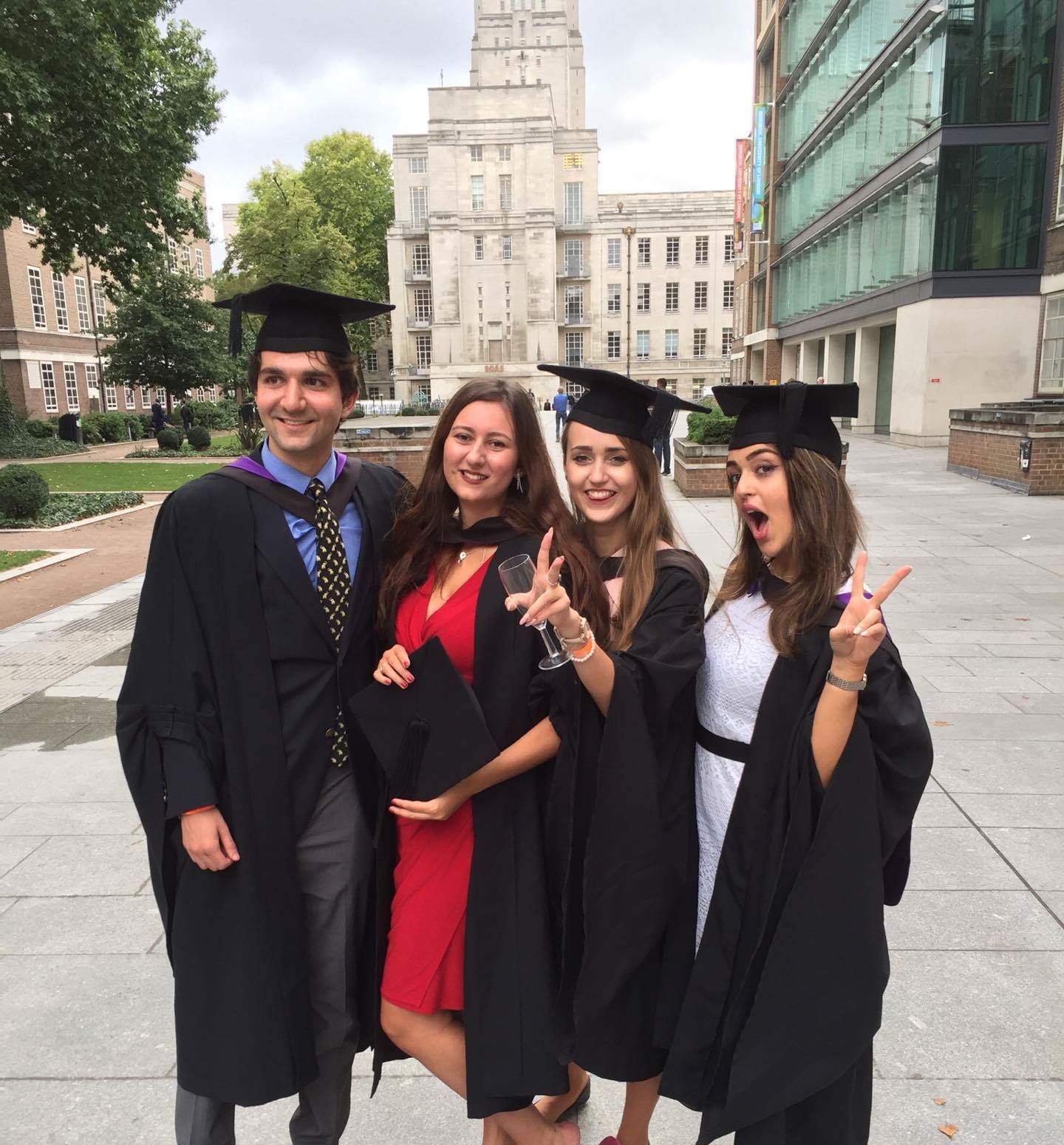
I studied in London: my bachelor’s degree at University College London (UCL) and my master’s at the London School of Economics (LSE). During my studies, I focused on Russian foreign policy, development economics, Russian philosophy, and international economics. Today, it is especially gratifying to realize that these are exactly the subjects I now teach to students at HSE.
London was an incredibly inspiring city for a student. Public lectures by leading thinkers and political analysts were taking place almost every week. I remember attending talks by Slavoj Žižek and Tariq Ali. The city was also alive with political activity – there were large demonstrations, including protests against the UK bombing Syria.
At the same time, London was full of cultural life: concerts, exhibitions, and stand-up shows. I am an extrovert by nature, so I rarely stay at home. I tried to attend as many events as possible and meet new people.
Choosing a Profession and the Path to Arctic Studies
Looking back, I feel that my life experiences naturally led me toward international relations. At the same time, I fully understand that for many people choosing a profession is far more difficult. When my students ask for advice on entering the field of international relations, I usually recommend starting with a clear specialization. This could be a foreign language, a particular region, or a specific research topic – something that helps distinguish you from others.
In my case, that specialization became the Arctic. At the time, this seemed like a rather unusual choice, but it ultimately shaped my professional trajectory.
In 2021, I moved to Moscow in order to be here during Russia’s chairmanship of the Arctic Council (2021-2023). I believe that decision helped me establish myself as a specialist in this field.
The Arctic as a Space for Cooperation
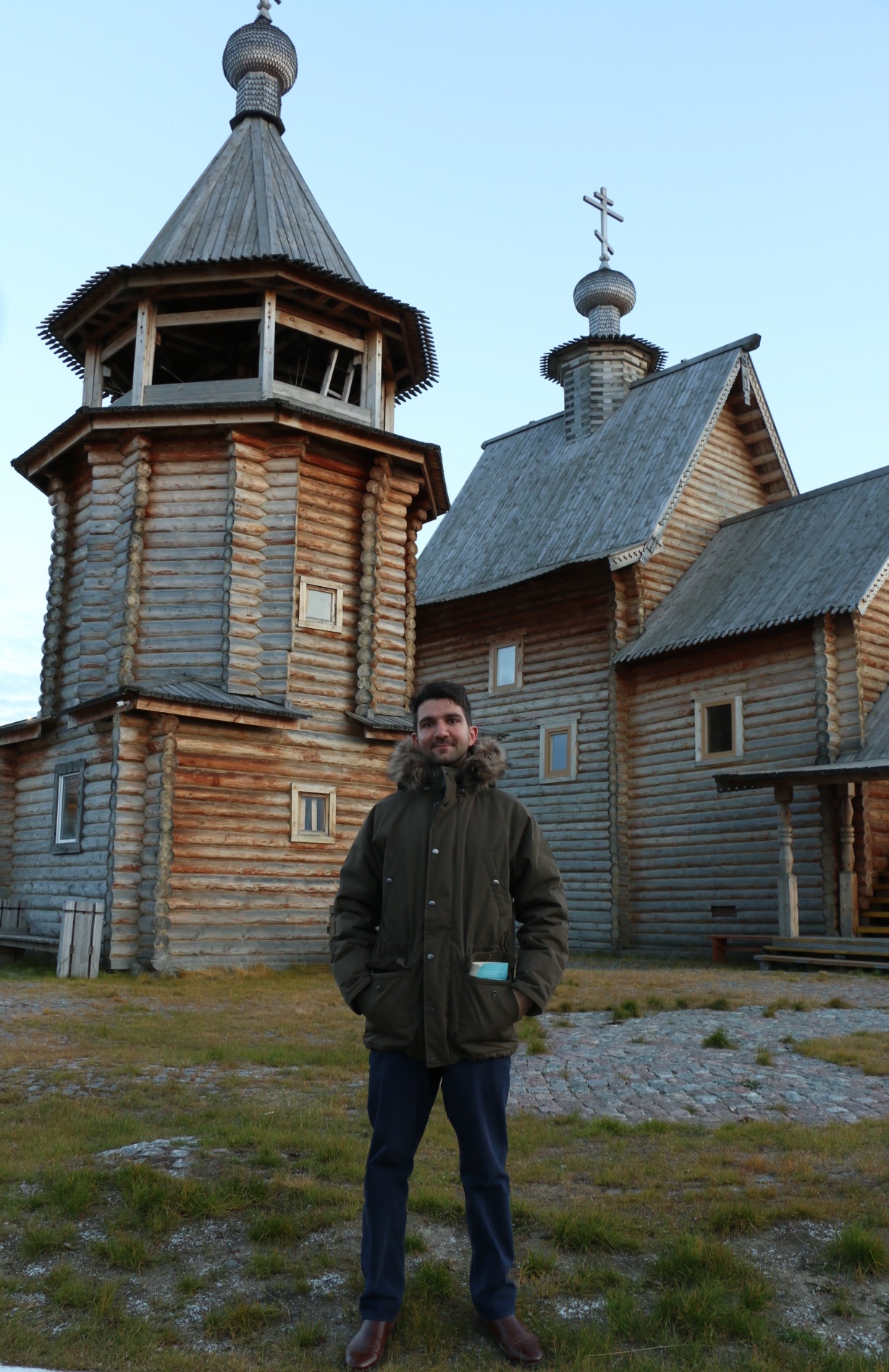
My interest in the Arctic began during my undergraduate studies in London. It was 2014 – a period of serious deterioration in relations between Russia and the West following the Ukraine crisis. Yet when I looked at developments in the Arctic, I saw a completely different dynamic: despite political tensions, Russia and the United States continued to cooperate actively in the region.
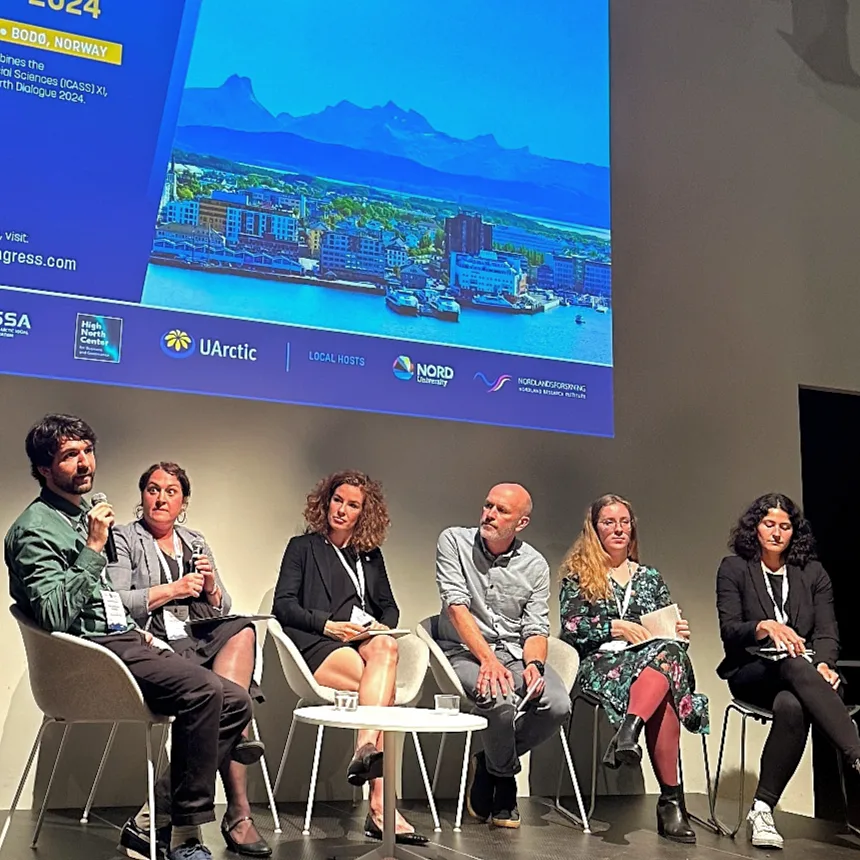
This contrast fascinated me. Why was the Arctic different from other regions? What made cooperation possible even in the midst of geopolitical conflict? I began studying Russia’s Arctic strategy and gradually realized that the Arctic is a region where powerful geopolitical, environmental, and economic interests intersect.
The region is often described as a unique example of peaceful cooperation – sometimes referred to as “Arctic exceptionalism.” I became interested in whether this narrative truly reflects reality.
My research eventually focused on how Russia and the United States have used science diplomacy in the Arctic as a communication channel, even during periods of intense political tension – from the Cold War to the present day.
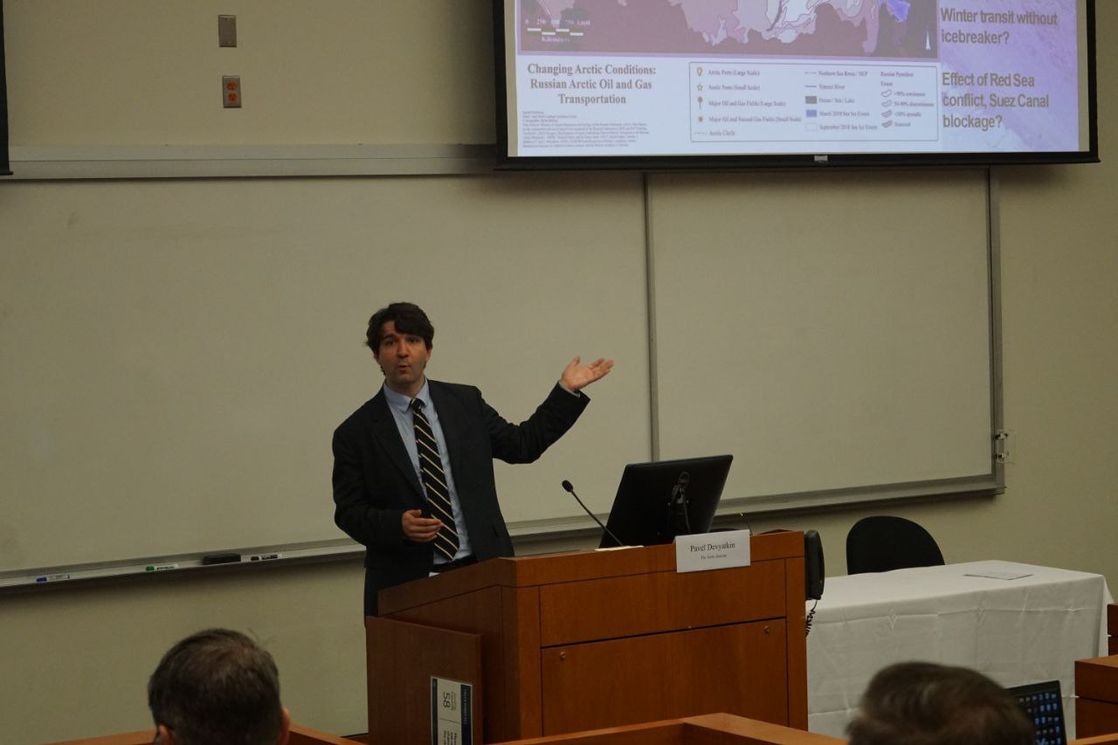
This experience shows that cooperation can strengthen trust between countries and sometimes extend into other areas, including arms control.
A Bridge Between Analytical Communities
One of my main goals has always been to promote dialogue between Russia and the United States. I try to serve as a bridge between the analytical and academic communities in the two countries, as well as among experts, diplomats, and business representatives.
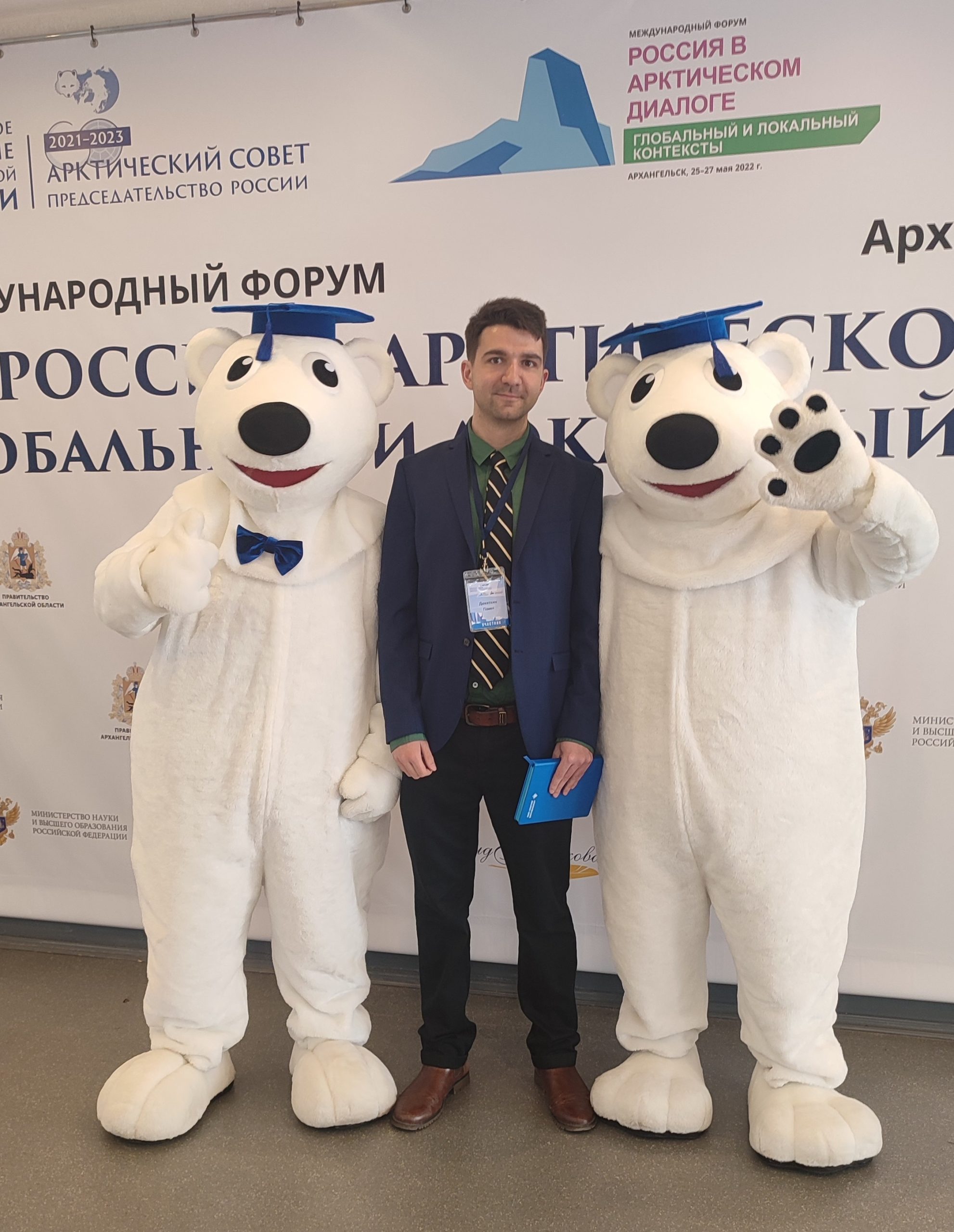
My research is published in both Russian and American institutions, and I regularly participate in conferences and expert events in various countries. An especially important decision for me was to remain in Russia in 2022, when many foreign colleagues faced serious pressure and left the country. This allowed me to gain a deeper understanding of Russian realities and maintain professional ties. I am convinced that presence matters – you cannot build bridges from a distance.
From Intern to Editor: Work at The Arctic Institute
I first joined The Arctic Institute as an intern in 2016. At the time, I wrote analytical sections on military security, energy, and natural resources for the weekly publication The Arctic This Week. At the same time, I worked on independent research projects, including a series of studies on Russia’s Arctic strategy.
Interestingly, those early publications remain among my most cited works. This once again shows how important foundational analytical work can be. Over time, my role at the Institute expanded: I became Editor-in-Chief of The Arctic This Week and helped organize the Institute’s 10th anniversary program.
The Arctic Institute brings together young researchers studying the region from the perspectives of peace, security, justice, and sustainable development. It has been a great honor to work in such a team.
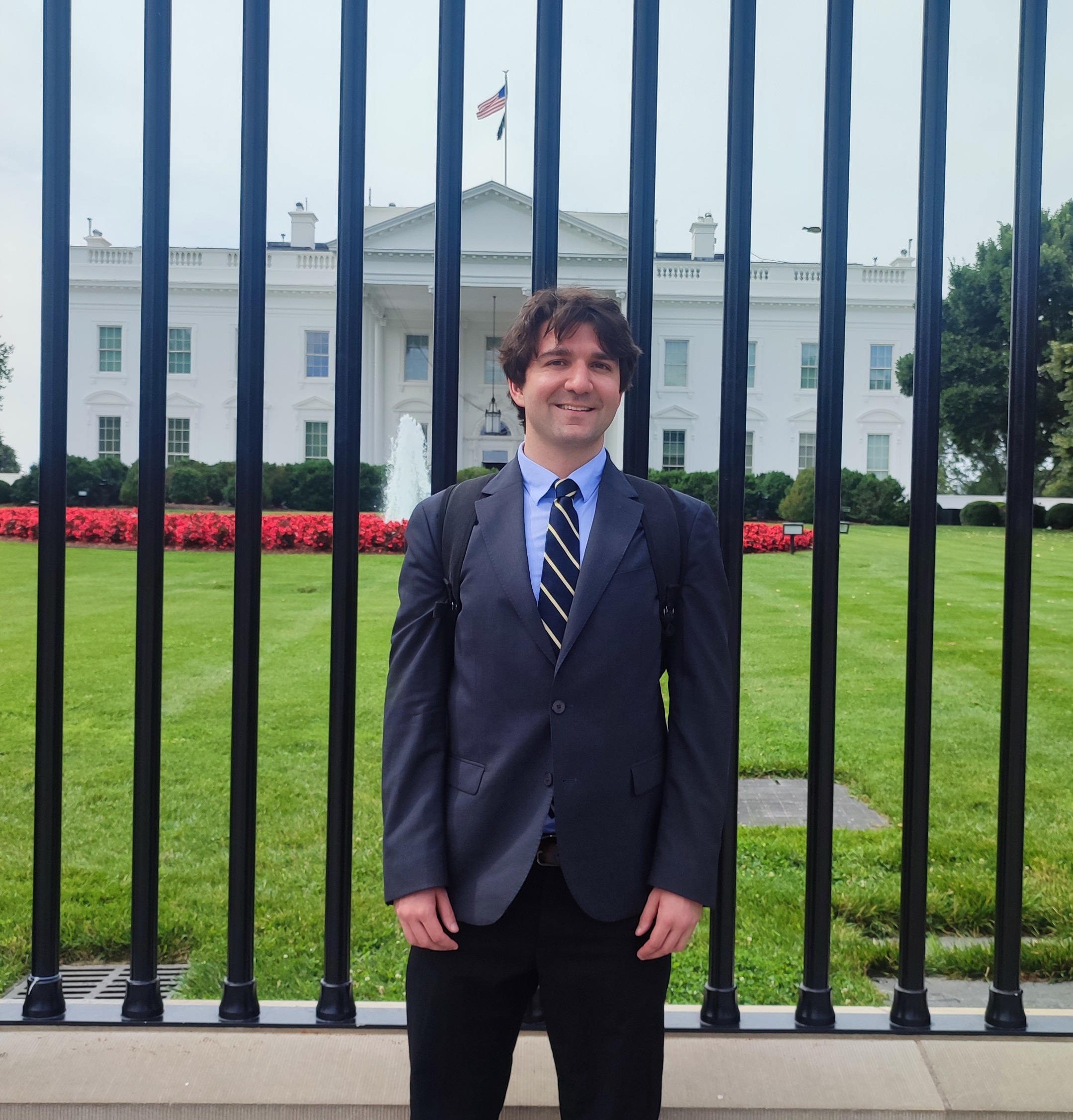
Educational Projects and Working with Students
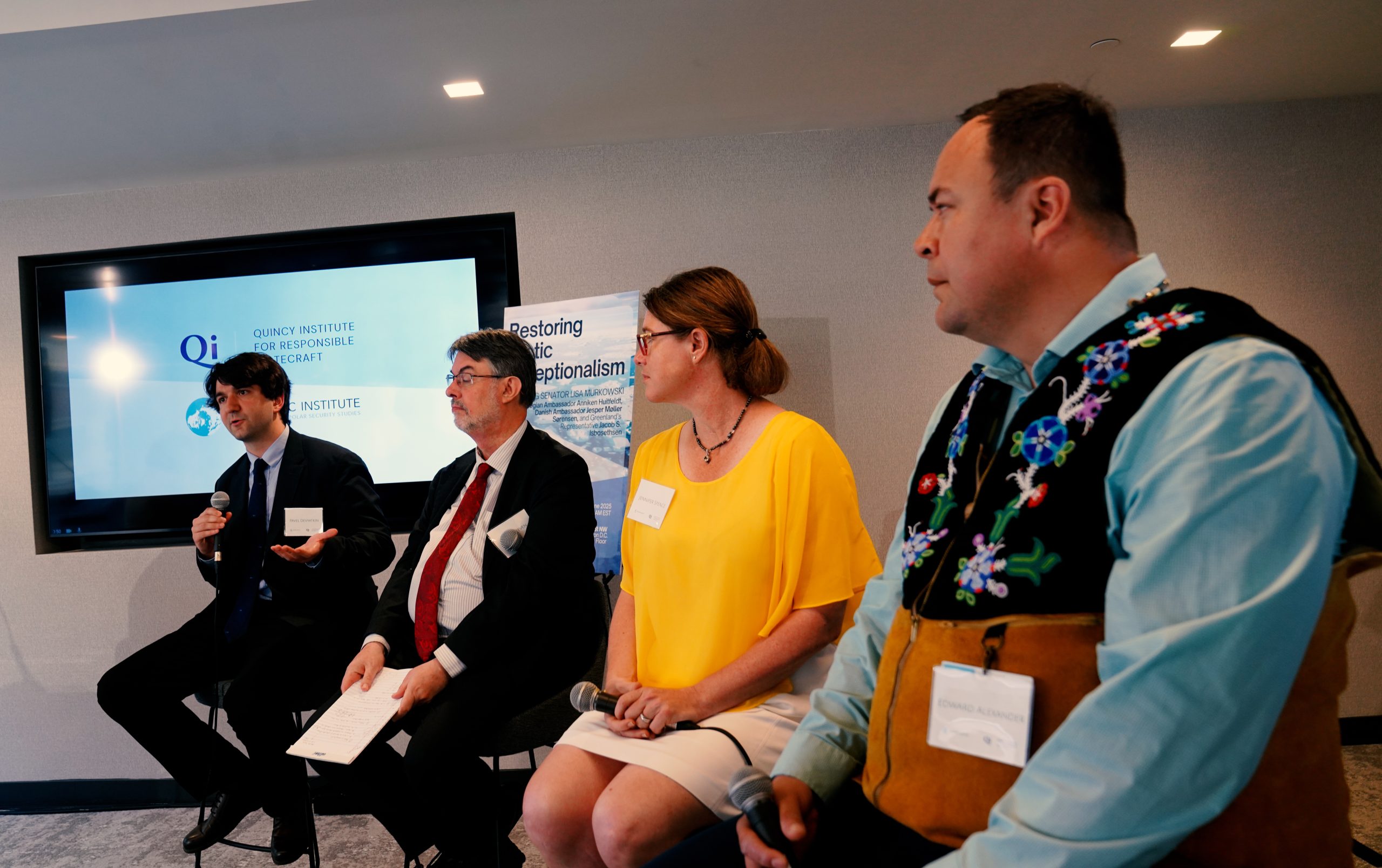
One of my recent professional experiences was my participation as a lecturer in the BRICS Project Lab Arctic 2.0, organized by the Project Office for Arctic Development in Moscow. I have collaborated with this organization for several years and consider it one of the leading Russian platforms where students can gain in-depth knowledge of the region and learn about the practical side of Arctic policy.
Programs like this are particularly valuable because they allow young specialists to meet like-minded peers, communicate with practicing experts, and build professional networks. I always encourage my students to participate in such initiatives – they often become the first step in a professional career.
The Arctic Between Cooperation and Confrontation
About a year ago, I gave a comment to The Washington Post regarding US-Russia economic cooperation in the Arctic. My position was that Moscow sees Arctic cooperation not only as an economic opportunity but also as a diplomatic instrument – a way to restore dialogue and strengthen its international standing with reduced geopolitical confrontation.
However, subsequent developments proved more complicated. President Trump’s statements about the possible seizure of Greenland significantly complicated the prospects for constructive Arctic policy. The argument about alleged “Russian and Chinese threats” near Greenland raises serious doubts among many international experts.
In conversations with American diplomats, cooperation in the Arctic is increasingly being discussed as part of a broader agreement to resolve the conflict in Ukraine. This is disappointing because there are many urgent shared challenges that require cooperation today: environmental risks, the prevention of military escalation, and the advancement of scientific collaboration.
Nevertheless, the 2025 summit in Alaska between Presidents Putin and Trump showed that the possibility of gradual improvement in relations still exists.
Students as the Main Source of Inspiration
Receiving the title “Best Teacher of HSE University 2025” became one of the most valuable recognitions in my career. What makes it especially meaningful is that the award is based on student feedback.
I have been teaching courses on international relations, Arctic policy, and EU–Russia relations at HSE for several years, and I truly enjoy it. HSE students are extremely intelligent, motivated, and eager to learn. In my teaching, I try to maintain an individualized approach: I remember every student’s name, support their applications for internships and conferences, and use humor in lectures. Humor helps make complex topics more understandable and creates a more lively classroom atmosphere.
Many students later ask me to supervise their thesis work, which is always a great honor. I believe that working with future young leaders is extremely important – we learn a great deal from each other.
Cooperation with PIR Center
My acquaintance with PIR Center began in 2023 during the International School on Global Security Issues. The School became an important intellectual experience for me. The lectures and discussions focused on arms control, nonproliferation, and international security – topics closely connected with my research.
The Arctic is a region where nuclear powers are located in close proximity to one another, making issues of strategic stability particularly important.
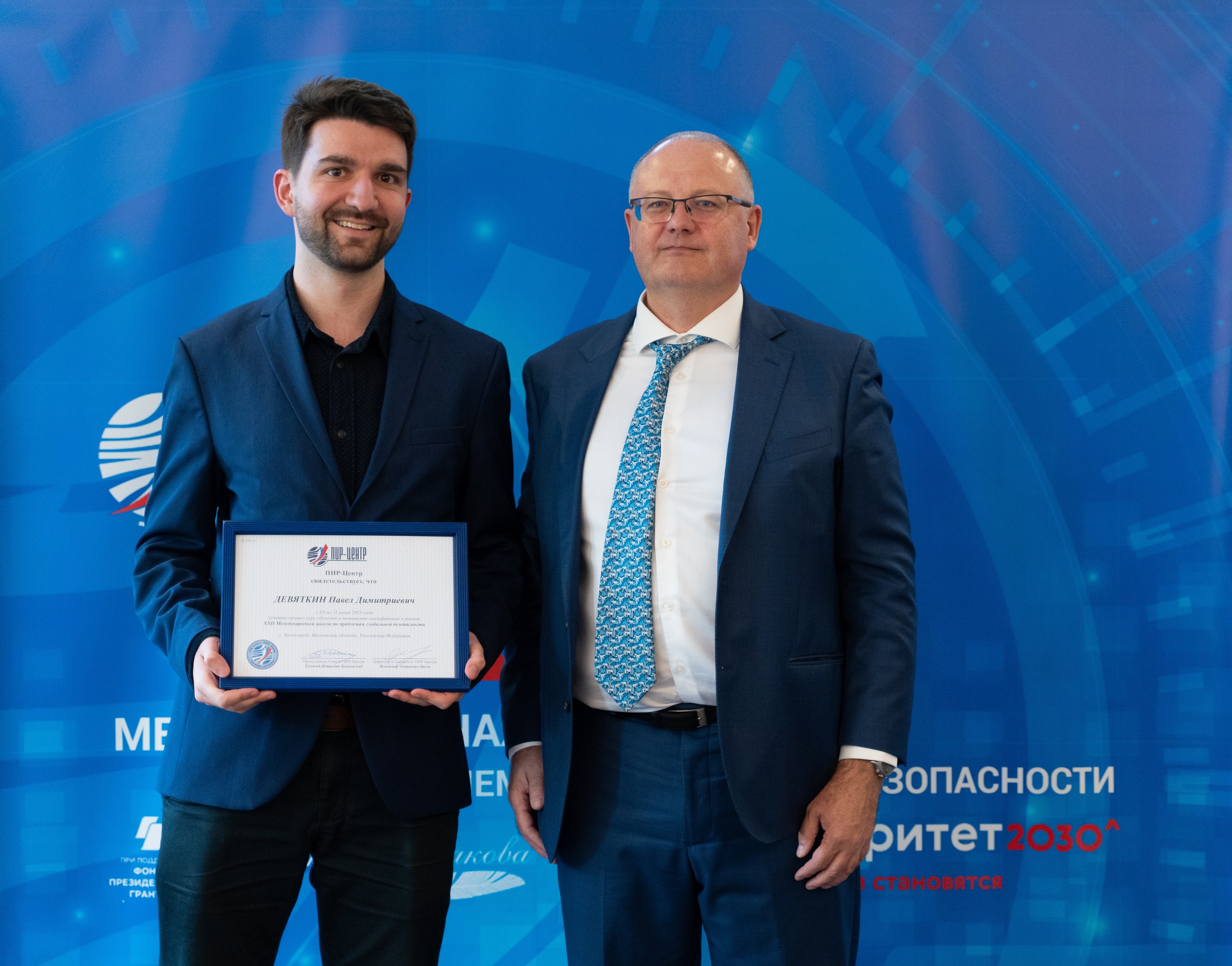
Since then, I have regularly participated in PIR Center events and hope to continue cooperating with this community. PIR Center successfully combines academic research with practical policy engagement and actively invests in training the next generation of specialists.
Moscow and Work-Life Balance
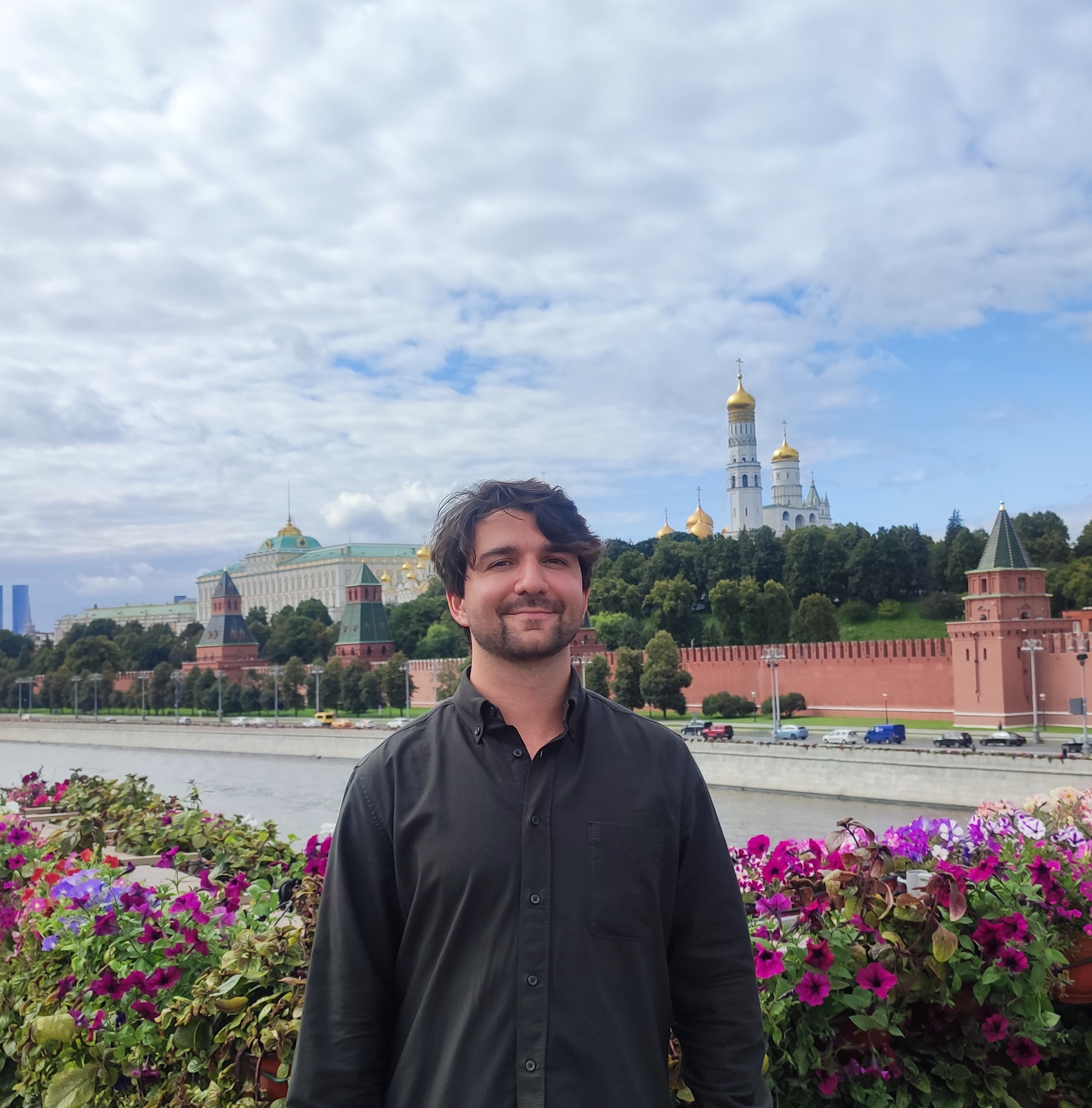
Maintaining a balance between work and personal life is essential for productive intellectual work. Moscow, I must say, is an excellent city for that. In my free time, I enjoy meeting friends, doing sports, and walking through Moscow’s parks and gardens. The cultural life of the city is also very rich: concerts, exhibitions, and lectures. My wife and I often try to attend such events.
A Principle That Helps Make Decisions
There is a famous quote from Arctic explorer Vilhjalmur Stefansson: “There are two kinds of Arctic problems – the imaginary and the real. Of the two, the imaginary are the most real.”
This idea is highly relevant to modern Arctic politics. Very often, it is imaginary threats – exaggerated fears, misinterpretations of the other side’s intentions, and political narratives – that become the main obstacles to cooperation. At the same time, real problems – environmental risks and the need for dialogue between nuclear powers – require joint efforts.
This quote also has personal meaning for me. When I decided to move to Moscow and later decided to remain here in 2022, the imaginary fears always seemed far greater than the real difficulties.
In the end, I realized a simple truth: the most serious obstacles are often the ones we create in our own minds.
Interview: Yuri Shakhov
Editing: Yuri Shakhov
Keywords: Open Collar
ALU
E16/SHAH – 26/05/06
