№ 47 (105), 2025. PIR Center hosted a seminar titled “The Impact of International Factors on the Development of Iran’s Nuclear Program and Tehran’s Strategic Decisions”
December 25, 2025
MOSCOW. DECEMBER 25, 2025. PIR PRESS. «External factors have always influenced Iran’s nuclear program. Each wave of international pressure, whether through sanctions, military threats, or diplomatic efforts, has impacted both how quickly and in what direction it has developed. Importantly, not all pressure acts as a restraint; in some instances, it has sped up the program, especially when Tehran views it as a threat to its security. This underscores that coordinated international efforts and diplomatic talks are far more effective than lone actions», – Mr. Linus Hoeller, nonproliferation researcher.
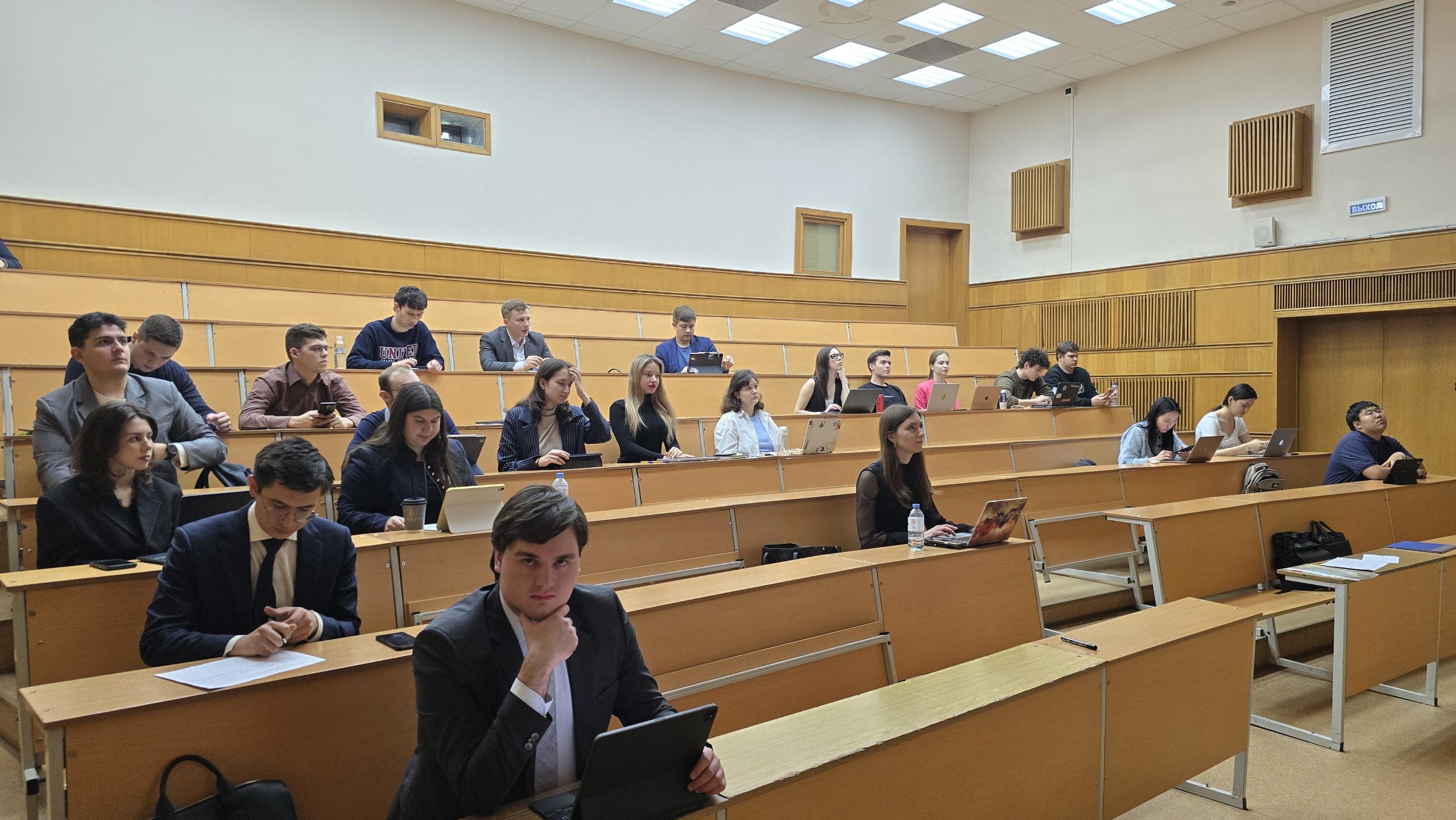
PIR Center, jointly with MGIMO University, hosted a seminar titled “The Impact of International Factors on the Development of Iran’s Nuclear Program and Tehran’s Strategic Decisions.”
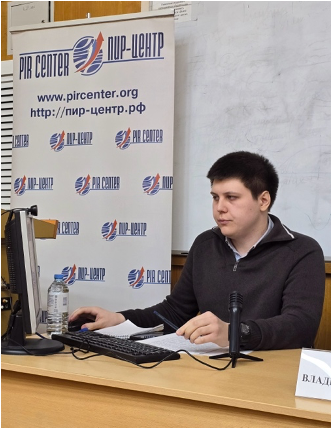
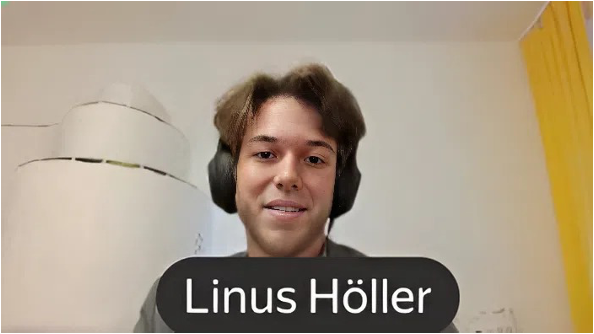
The keynote speaker was Mr. Linus Hoeller, a researcher specializing in nonproliferation, who presented an analysis of Iran’s nuclear program from the late 1950s to the present. The central focus of his presentation was the influence of international pressure on the trajectory and pace of Iran’s nuclear policy.
The speaker highlighted five major historical phases in the program’s evolution and stressed the significance of “hinge points,” moments when international actions most strongly influenced Tehran’s decisions. It was pointed out that various types of external pressure, diplomatic, economic, and military, have intermittently either slowed down or sped up Iran’s nuclear development.
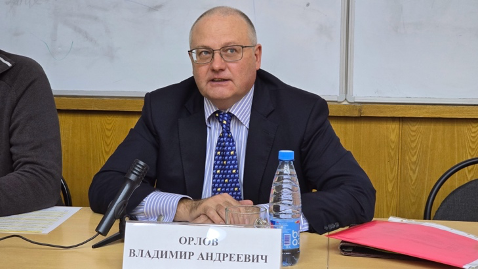
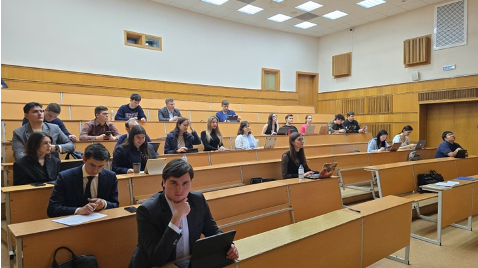
Much focus was given to the Shah-era period, during which Iran’s nuclear program grew with U.S. backing and was tied to ambitions for global prestige. The conversation also considered the impact of the Islamic Revolution and the Iran-Iraq War, which increased Iran’s feeling of strategic vulnerability and affected the later restart of its nuclear efforts.
Regarding the negotiations and conclusion of the Joint Comprehensive Plan of Action (JCPOA), the expert underscored the success of coordinated multilateral sanctions paired with ongoing diplomatic efforts. Meanwhile, the U.S. withdrawal from the JCPOA revealed the shortcomings of relying solely on unilateral pressure.
Ultimately, the speaker pointed out that international actions greatly influence Iran’s nuclear decisions, yet no single form of pressure is effective in all cases. The current environment is marked by increased uncertainty and higher risks for the global nonproliferation regime.
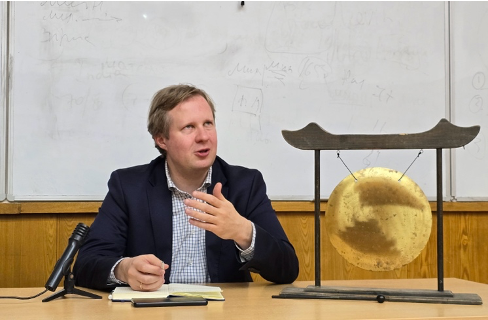
Dr. Igor Istomin, Head of the Department of Applied International Political Analysis, Leading Research Fellow at the Center for Advanced American Studies at the Institute for International Studies, and Editor-in-Chief of the International Processes journal at MGIMO University, provided expert commentary. Dr. Istomin mentioned that discussions about Iran’s nuclear program often overly focus on coercive measures, neglecting the importance of positive incentives and diplomatic efforts. The expert pointed out that historical experiences, such as during the JCPOA negotiations and implementation, show that coordinated international efforts that combine sanctions with talks are more effective. According to Dr. Istomin, the current division within the international community greatly hampers external influence on Iran’s nuclear activities and makes it harder to re-establish control and trust mechanisms.
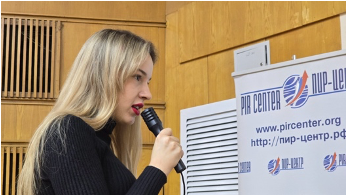
Ms. Daria Morozova, a second-year student of the MA program “International Security,” asked the speaker about the similarities between sanctions imposed on Iran and Russia. The student highlighted concerns about how economic sanctions impact Iran’s domestic policy and questioned whether sanctions remain effective as Iran diversifies its foreign economic relationships. Additionally, Daria Morozova asked if sanctions can still be influential when used alongside diplomatic measures.
In response to the question, the expert highlighted that the main difference in the Iranian case is the globally coordinated sanctions regime under UN oversight. Mr. Linus Höller explained that economic pressure can be effective only when paired with diplomacy and a solid international consensus on the goal, as sanctions alone are not enough to achieve lasting political results.
Mr. Kirill Prokhorov, a second-year student of the MA program “International Security,” inquired about the comprehensive measures that could prevent Iran from developing nuclear weapons amid rising tensions, including recent Israeli and U.S. strikes, while still allowing Iran to maintain its right to a peaceful nuclear program under the Treaty on the Non-Proliferation of Nuclear Weapons (NPT).
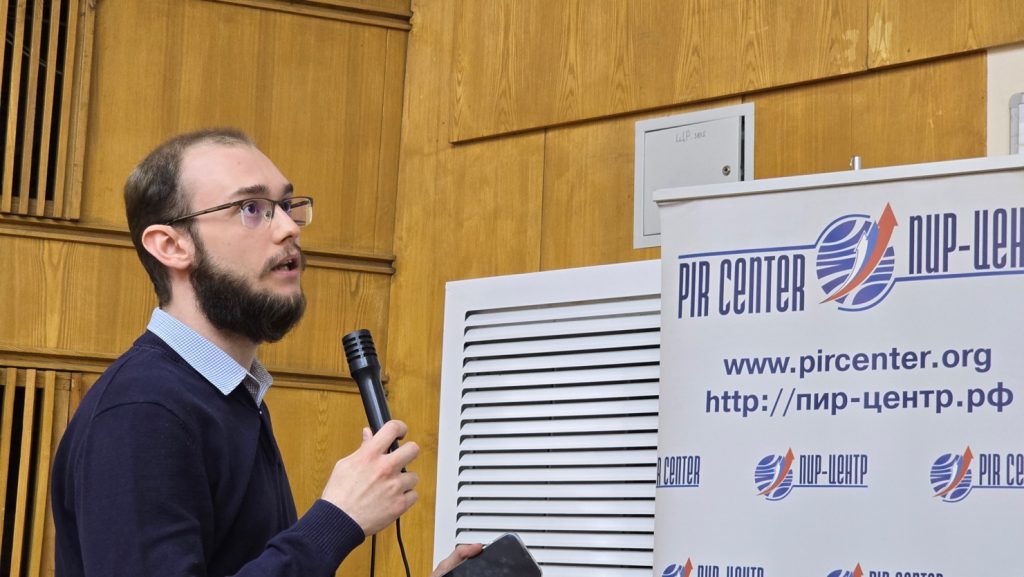
Mr. Linus Hoeller highlighted that the essential step to prevent Iran’s nuclear program from becoming militarized is to address Tehran’s security fears. The speaker pointed out that Iran’s nuclear pursuits are driven more by strategic security concerns than by technical capabilities. Additionally, Mr. Linus Höller emphasized the importance of building a wide international coalition and engaging diplomatically through established global institutions and nonproliferation mechanisms, such as the International Atomic Energy Agency.
Keywords: Nuclear Nonproliferation; NPT; JCPOA
NPT
E16/SHAH – 25/12/25
