
№ 7 (55), 2026. PIR Center Report Series: “The Nuclear Program of the Islamic Republic of Iran: An Assessment of Its Current Status and Capabilities”
March 2, 2026
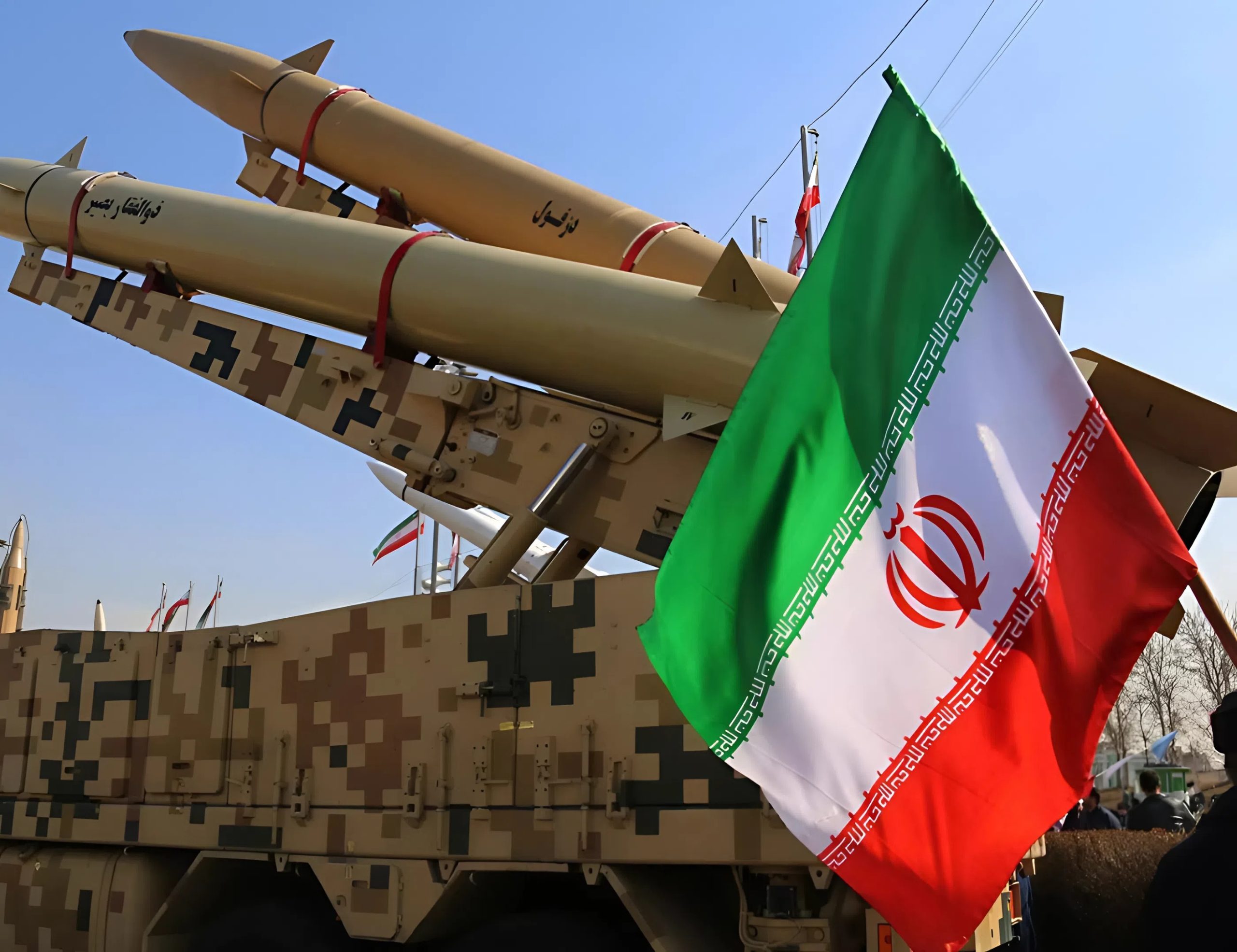
MOSCOW. MARCH 2, 2026. PIR PRESS. «The military strikes by the United States and Israel against Iran on February 28, 2026, blatantly violate international law and lack any justification, especially from a nuclear nonproliferation perspective. The stated goal of “Lion’s Roar” is clear: to dismantle Iran’s missile and nuclear programs and to foster regime change in Tehran. To achieve this, Washington and West Jerusalem have intentionally dismissed chances for diplomatic or political solutions to the crisis. This report offers an in-depth analysis of Iran’s potential to develop nuclear weapons. We believe the insights provided are crucial for understanding Tehran’s real capabilities in sensitive parts of the nuclear fuel cycle and delivery systems», – Dr. Vladimir Orlov, Founding Director of PIR Center and Professor at MGIMO University.
Today, Monday, March 2, PIR Center releases the report (in Russian) “The Nuclear Program of the Islamic Republic of Iran: An Assessment of Its Current Status and Capabilities” into the public domain.
The authors are Dr. Leonid Tsukanov, PhD in Political Science and PIR Center Consultant, and Sergey Semenov, PIR Center Research Fellow.
The report’s Executive Editor and Academic Supervisor of the project “Assessing Nuclear Proliferation Threats in the World: Who the Emerging Actors Are” is Dr. Vladimir Orlov, Founding Director of PIR Center and Professor at MGIMO University.
The report, part of PIR Centre Reports Series (№48), offers a detailed overview of Iran’s nuclear program’s current status. It assesses technological capabilities in uranium enrichment and conversion, explores prospects for nuclear weapons development, discusses religious and doctrinal restrictions, reviews missile delivery systems, and examines the implications of the June 2025 Israeli-U.S. strikes along with the ongoing diplomatic deadlock over Iran’s nuclear dossier.
The data in this report are current as of 27 February 2026. This publication is a simplified version of a more extensive PIR Center study titled “The New Nuclear Dozen: Assessing Nuclear Proliferation Threats Worldwide for 2026-2030.” The detailed study is currently under review by a select group of experts and will be released to the public at a later date.
In the coming days, PIR Center will also release an excerpt from this major study focusing on Israel’s nuclear weapons and the contours of Israel’s future nuclear policy.
Key Findings:
Keywords: Nuclear Nonproliferation; Iran; International Security; NPT
NPT
E16/SHAH – 26/03/02
