
№ 9 (57), 2026. PIR Center Report Series: “The Roar of the Lone Lion”: Contours of Israel’s Nuclear Policy After the Strikes on Iran
March 10, 2026
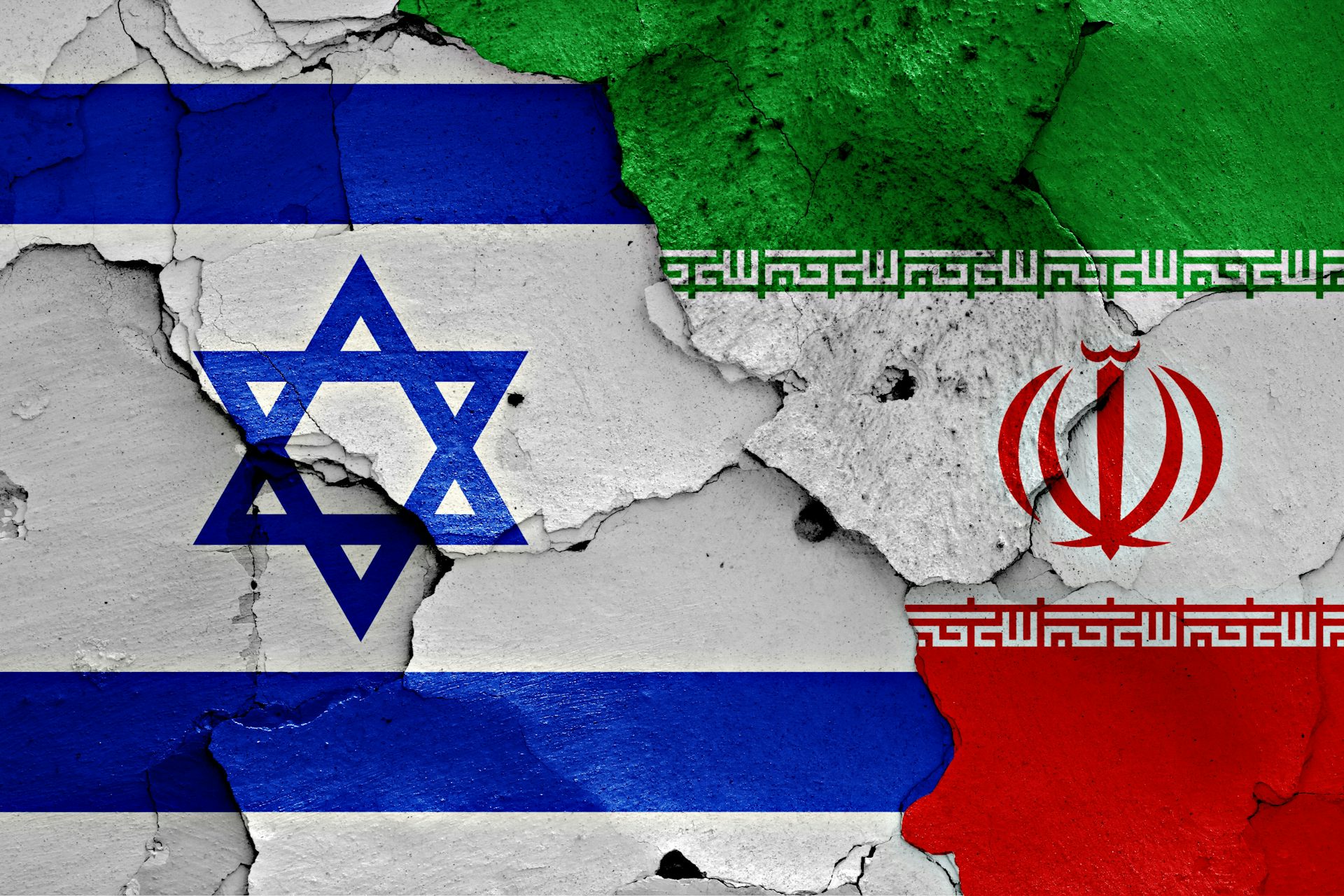
MOSCOW. MARCH 10, 2026. PIR PRESS. «According to statements by Israeli Prime Minister Benjamin Netanyahu, over the past three decades Iran has repeatedly been described as standing on the threshold of acquiring nuclear weapons, with the timeframe for such a ‘breakout’ often estimated at only a few weeks. Without entering into a discussion about the accuracy of such assessments, it should be noted that Israel itself, according to widely cited expert evaluations, de facto possesses nuclear capabilities. In this context, an analysis of the substance, principles, and logic of Israel’s nuclear policy becomes particularly relevant, especially against the backdrop of the ongoing U.S.-Israeli confrontation with Iran», – Dr. Leonid Tsukanov, PhD in Political Science, PIR Center Consultant.
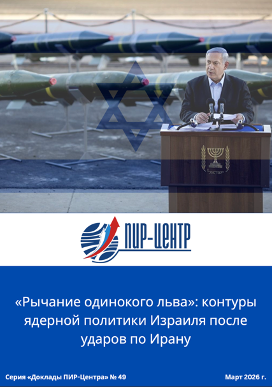
Today, Tuesday, March 10, PIR Center releases into the public domain the report (in Russian) “The Roar of the Lone Lion: Contours of Israel’s Nuclear Policy After the Strikes on Iran.”
The report is published as part of PIR Center Report Series (№49) and analyzes Israel’s presumed nuclear potential and its role in the regional security architecture of the Middle East amid the escalation of the U.S.-Israeli confrontation with Iran in 2025-2026. It examines the characteristics of Israel’s policy of “nuclear opacity” (“Amimut”), estimates the possible size of the arsenal and fissile material stockpiles, as well as key elements of the country’s nuclear infrastructure and scientific-technological base.
Special focus is given to the likely configuration of delivery systems (such as the Jericho family of missile systems, along with air and naval components), and to whether tactical nuclear weapons might be present or absent. The report also examines Israel’s doctrinal approaches to nuclear deterrence (including the inevitability of retaliation and the “Begin Doctrine”) and evaluates their influence on the selection of forceful measures in relation to Iran. By comparing statements from the involved parties and indirect evidence, the report reviews the outcomes of strikes against Iran’s “nuclear perimeter” in summer 2025 and during the late February-early March 2026 campaign, as well as their implications for regional escalation, the nonproliferation regime, and the future direction of Israel’s nuclear policy.
Keywords: Nuclear Nonproliferation; Israel; International Security; NPT
NPT
E16/SHAH – 26/03/10
