MainPIR Press News№ 50 (98), 2026. PIR Center jointly with MGIMO University held an expert seminar titled “Missile Programs of the DPRK and the Republic of Korea: Transformation of Strategic Deterrence on the Korean Peninsula in the Second Quarter of the 21st Century”
№ 50 (98), 2026. PIR Center jointly with MGIMO University held an expert seminar titled “Missile Programs of the DPRK and the Republic of Korea: Transformation of Strategic Deterrence on the Korean Peninsula in the Second Quarter of the 21st Century”
September 30, 2026
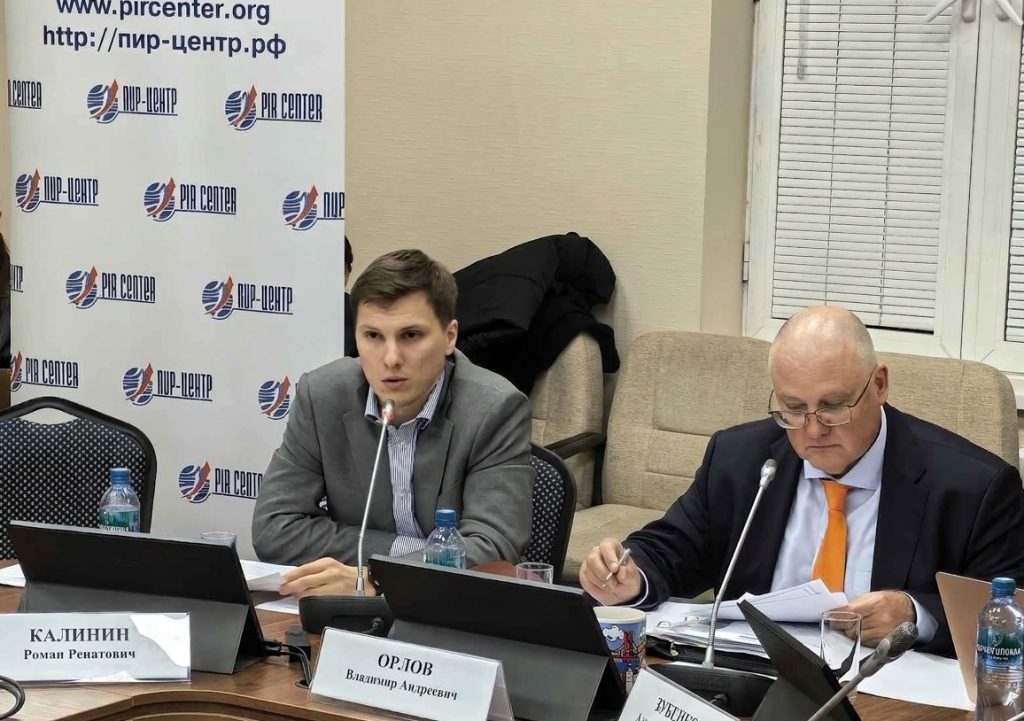
MOSCOW. SEPTEMBER 27, 2026. PIR PRESS. “Over recent decades, the DPRK has established a highly diversified system of strategic nuclear deterrence. The Republic of Korea, lacking its own nuclear weapons, is moving along a fundamentally different trajectory, gradually developing a technologically sophisticated system of strategic non-nuclear deterrence. In my view, it is precisely the interaction between these two models that currently dictates the logic of missile rivalry on the Korean Peninsula,” noted Roman Kalinin, a Research Fellow at PIR Center.
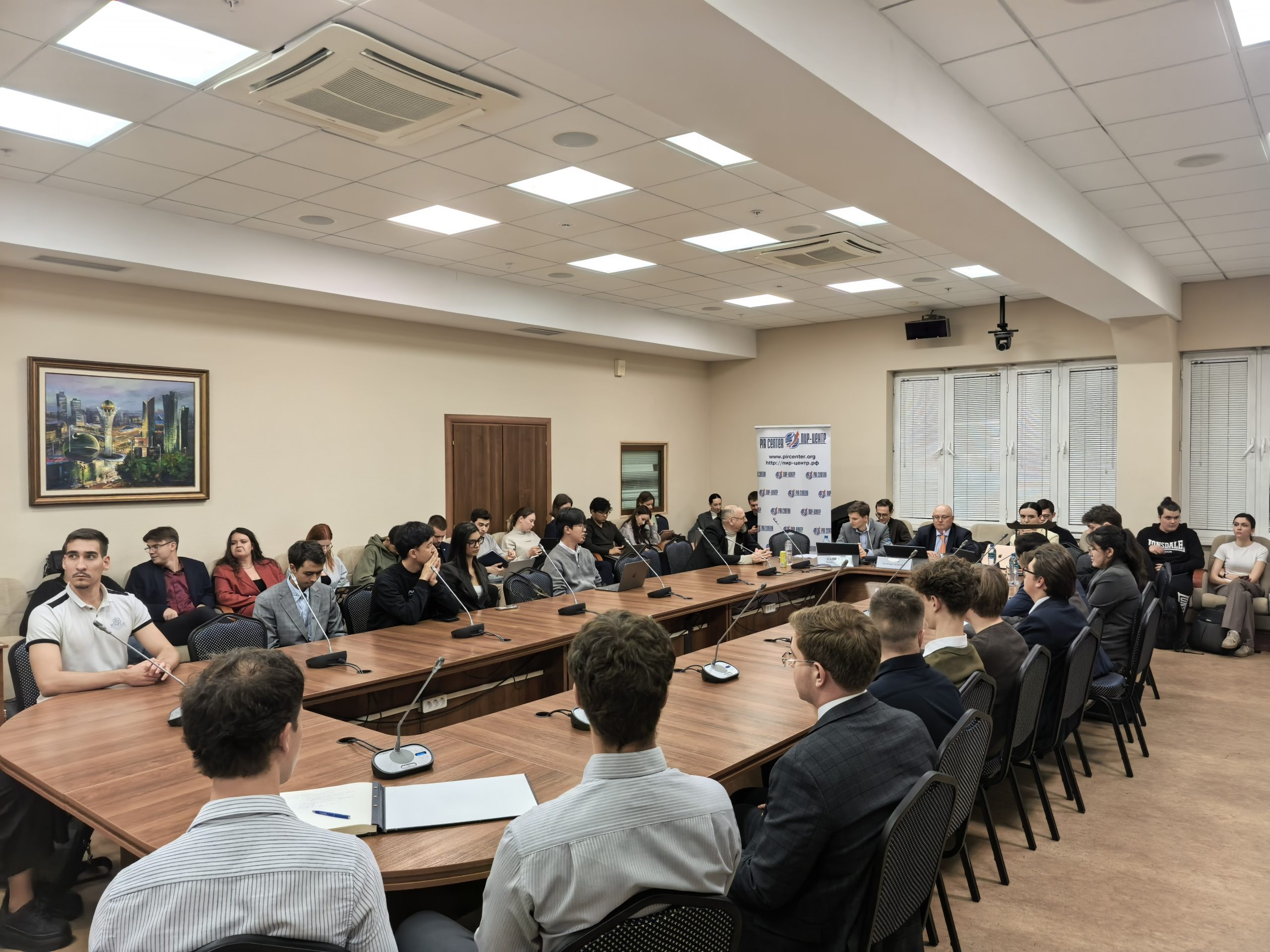
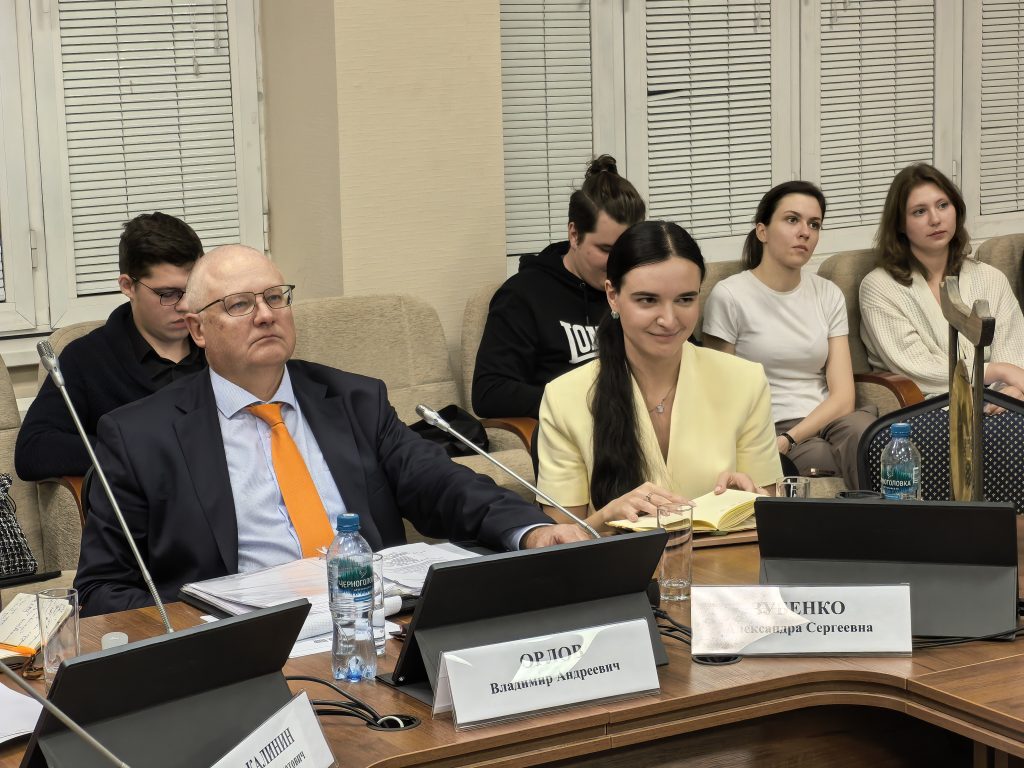
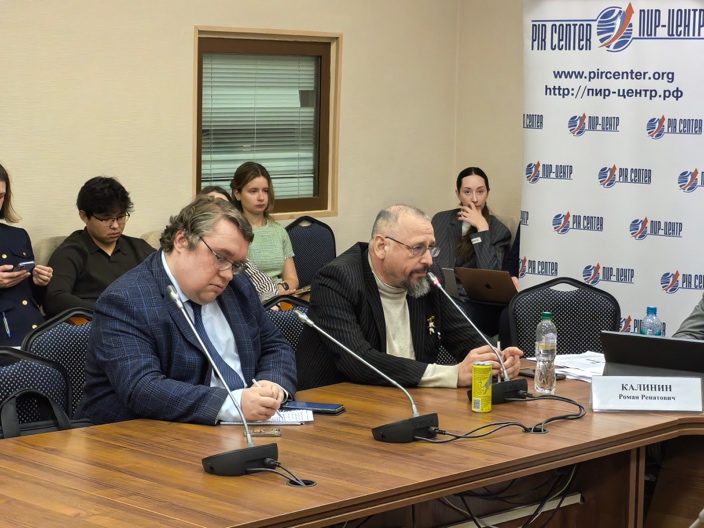
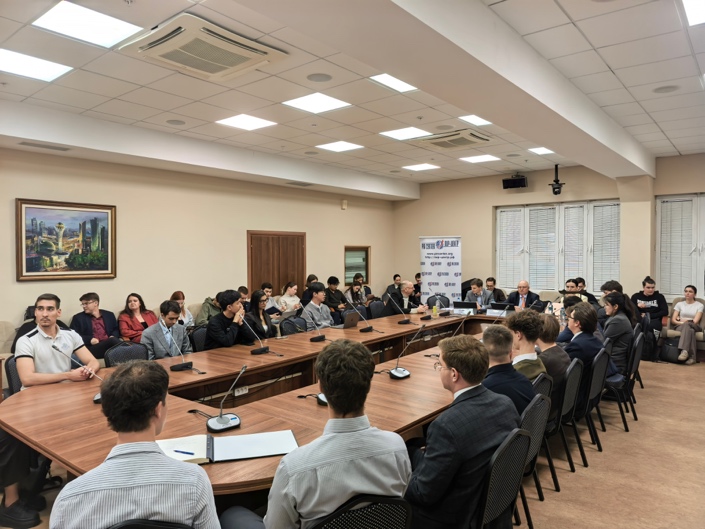
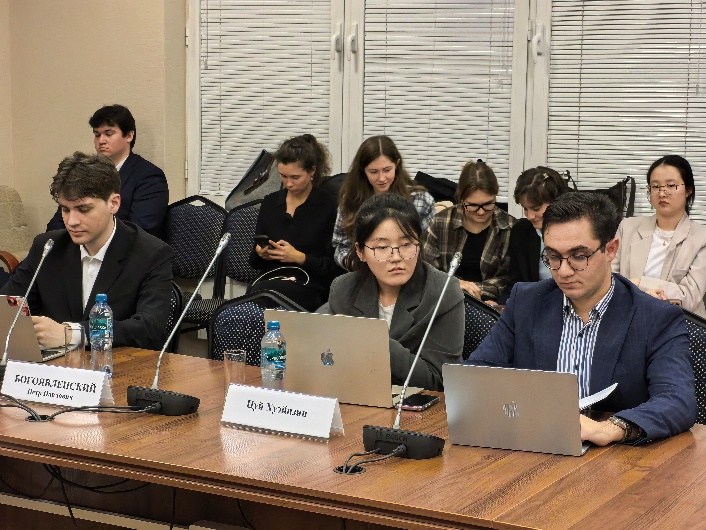
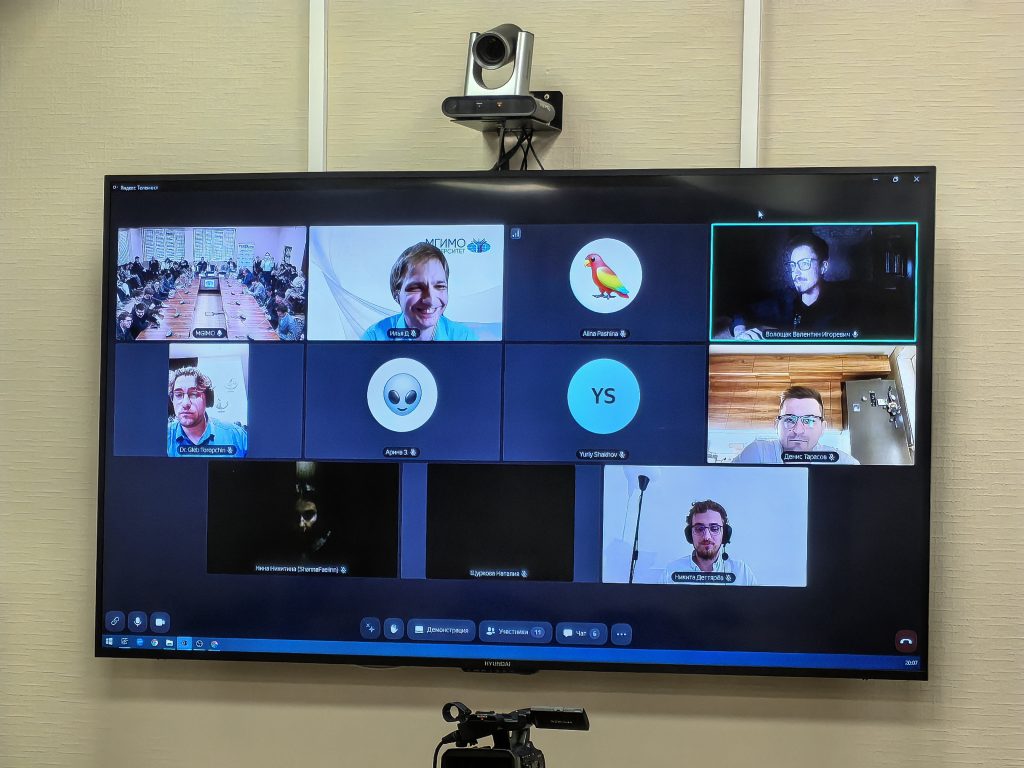
PIR Center and MGIMO University hosted the expert seminar titled “Missile Programs of the DPRK and the Republic of Korea and the Transformation of Strategic Deterrence on the Korean Peninsula in the Second Quarter of the 21st Century.” Roman Kalinin, a Research Fellow at PIR Center, served as the keynote speaker. Expert commentaries were delivered by Ilya Dyachkov, Associate Professor at the Department of Oriental Studies and the Department of Japanese, Korean, Indonesian, and Mongolian Languages at MGIMO; Valentin Voloshchak, Associate Professor at the Department of International Relations, Far Eastern Federal University, and Research Fellow at the Asia-Pacific Research Laboratory of the Institute of History, Archaeology and Ethnography, Far Eastern Branch of the Russian Academy of Sciences; Konstantin Asmolov, Leading Research Fellow at the Center for Korean Studies; and Nikita Degtyarev, Participant of the Doctoral Program in Political Science at the University of Vienna. The discussion was moderated by Petr Bogoyavlenskiy, a second-year student of International Security MA Program.
During his presentation, Roman Kalinin noted: “Over recent decades, the DPRK has established a highly diversified system of strategic nuclear deterrence. The Republic of Korea, lacking its own nuclear weapons, is moving along a fundamentally different trajectory, gradually developing a technologically sophisticated system of strategic non-nuclear deterrence. In my view, it is precisely the interaction between these two models that currently dictates the logic of missile rivalry on the Korean Peninsula.” The particular value of this research lies in its comparative and systematized approach. The report synthesizes data on both Koreas, which are frequently analyzed in isolation. It addresses the historical evolution of their missile programs, stages of technological borrowing and localization, the development of solid-fuel and mobile systems, intercontinental and hypersonic solutions, naval and space components, command and control systems, missile defense, and strategic planning mechanisms. A vast array of figures, diagrams, and graphical materials enabled a clear comparison of both technical parameters and the institutional logic undergirding the development of the two programs. The concentration of such diverse data on the DPRK and the Republic of Korea within a single comparative framework represents one of the report’s most notable merits, particularly given the scarcity of Russian-language literature on the South Korean vector. During the expert commentary session, Valentin Voloshchak focused on the missile programs of the Korean Peninsula and the challenges of studying them: “A comparative analysis of the missile capabilities of the two Koreas constitutes a fundamentally challenging research task due to the limited availability of open-source data and the significant technological gap between the two states”. Konstantin Asmolov emphasized: “The inter-Korean confrontation represents a resilient conflict in which, owing to mutual defense treaties with major powers, neither side is prepared to cross established red lines”.
During the Q&A session, participants addressed a broad spectrum of issues. The discussion encompassed not only the dynamics of deterrence on the peninsula but also the role of China in the development of Korean missile programs, alongside other critical topics pertinent to the report.
In his concluding remarks, Vladimir Orlov commended the report for its professional and non-speculative analytical approach. He also announced that PIR Center is finalizing a collective monograph dedicated to nuclear threshold states, scheduled for presentation in November 2026. According to his assessment, the Republic of Korea is emerging as a frontrunner among nuclear threshold nations.
Keywords: DPRK, Republic of Korea, deterrence, global security