
№ 26 (74), 2026. PIR Center and MGIMO hosted a seminar on «Hawaii: 210 Years Since the Russian Flag Was Raised Over the Island of Kauai and the History of Russian Hawaii»
June 10, 2026
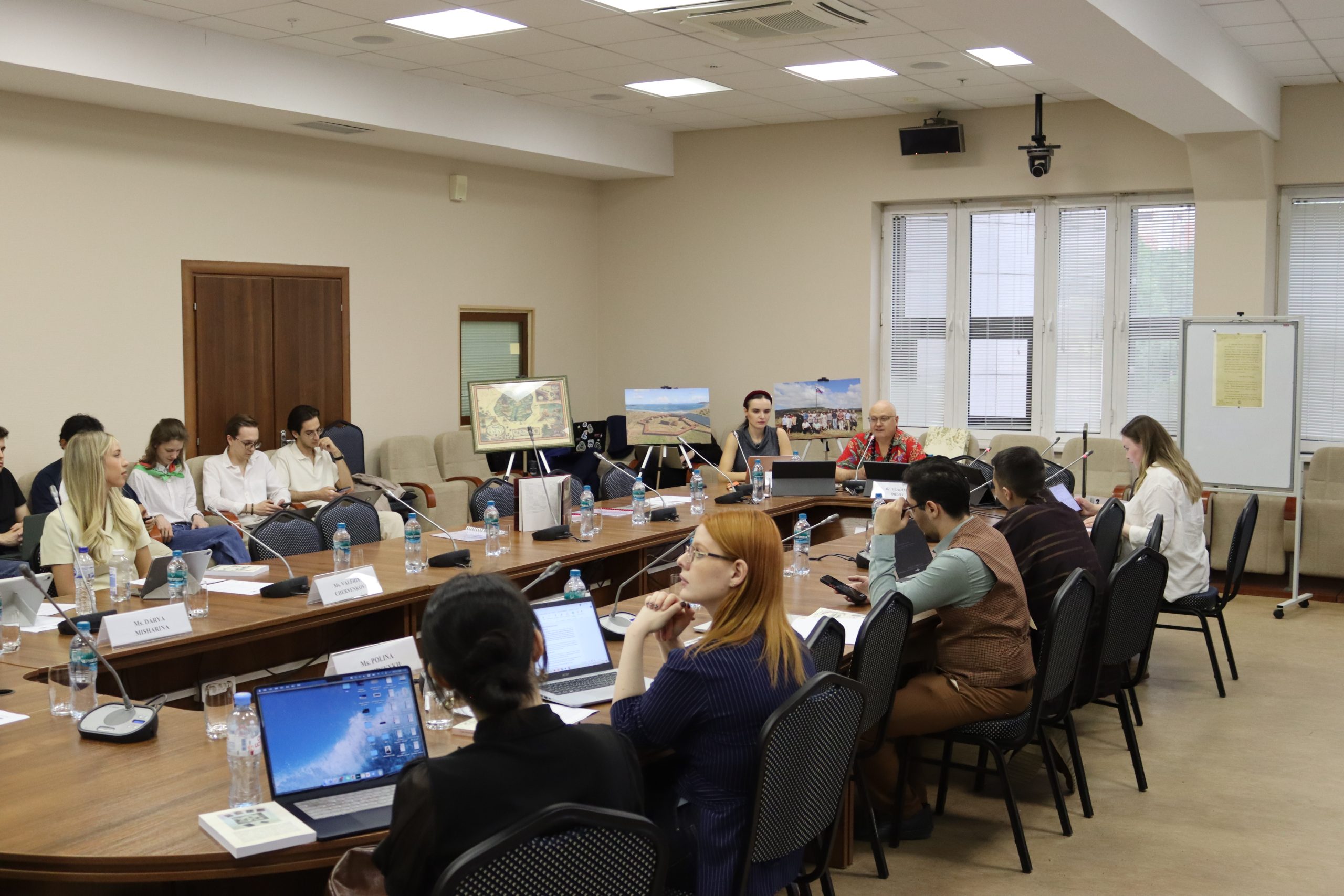
MOSCOW. JUNE 10, 2026. PIR PRESS. «On January 13, 2018, when I received a message regarding a ballistic missile threat and spent 38 minutes preparing my family for death, I managed to say goodbye to my daughter over the phone. That incident made many Hawaiians realize that the presence of the Pacific Missile Range Facility turns Hawaii from a peaceful territory into a potential target in the event of a conflict», – Ms. Cynthia Lazaroff, independent expert (U.S.), said.
PIR Center and MGIMO University held a seminar on “Hawaii: 210 Years Since the Russian Flag Was Raised Over the Island of Kauai and the History of Russian Hawaii” took place on May 21, 2026. The seminar focused on Russia’s brief presence on the island of Kauai in 1816–1817 and Hawaii’s current role in the U.S. military and strategic infrastructure, particularly in the context of both missile defense and the maintenance of the nuclear arsenal.
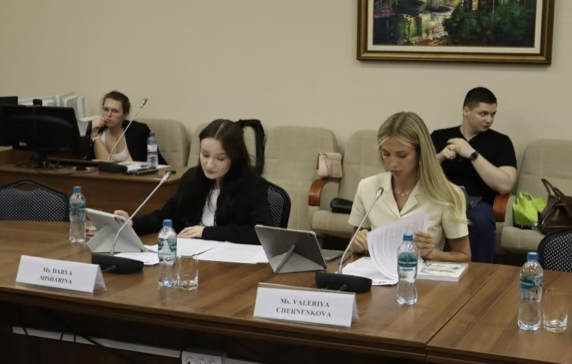
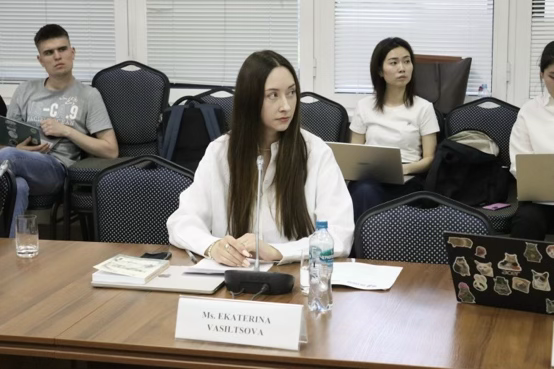
The keynote speaker was Dr. Vladimir Orlov, PIR Center Founding Director, Professor at the Department of Applied Analysis of International Problems, and Academic Director of the MA Program International Security, MGIMO University, as were Ms. Ekaterina Vasiltsova, Ms. Daria Misharina, Ms. Polina Persidskykh, and Ms. Valeria Chernenkova, first-year MA Program International Security students. The session was moderated by Ms. Anna Vinogradova, a first-year MA Program International Security student at MGIMO University.
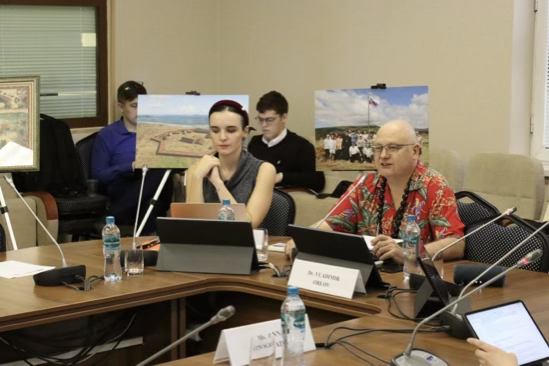
In his presentation, Dr. Vladimir Orlov provided historical context, focusing on the raising of the Russian flag in Kauai in the early 19th century and the subsequent annexation of Hawaii by the United States. The PIR Center Director also shared his personal experience researching Kauai, where traces of the Russian presence, such as Fort Elizabeth, remain, and emphasized the region’s geopolitical role both in the past and in the present.
Ms. Valeria Chernenkova alongside Ms. Daria Misharina provided a detailed account of the history of the Russian–American Company (RAC) and its agent Georg Schaefer. Based on an analysis of the historical experience of RAC’s activities in the region, MA International Security students formulated six lessons for contemporary international relations, among which it is worth highlighting the risks posed by quasi-state actors, the need for a clear political mandate, the ability of small states to use external forces with a view to balancing, the strategic importance of maritime logistics, the value of strategic restraint, and the politics of memory.
Ms. Ekaterina Vasiltsova presented a review of Swiss historian Niklaus Schweitzer’s book “His Hawaiian Excellency: The Overthrow of Queen Liliuokalani’s Government and the Annexation of Hawaii”, based on the diaries of Hawaiian diplomat Curtis Iauakea. The annexation of the Kingdom of Hawaii was a multi-stage process in which economic dependence on American sugar planters rather than a single-moment coup, emphasized the speaker. Nevertheless, the bayonet constitution of 1887, and the landing of marines from the cruiser “Boston” in 1893 successively undermined the island’s sovereignty, Ms. Ekaterina Vasiltsova said.
Ms. Polina Persidskikh discussed the current military use of Kauai. She clearly distinguished between the storage of nuclear weapons and the testing of delivery systems. As the speaker noted, there were currently two key facilities on the island. Since 1961, more than 400 launches have been conducted at the Kauai Test Facility Kauai, testing technologies for re-entry vehicles for ballistic missiles and materials to extend the service life of existing warheads. The Pacific Missile Range Facility, located on the island, is the world’s largest test range for water, air, and space environments. Among the most significant events, Ms. Polina Persidskikh cited the first successful interception of an SM-3 Block IIA missile, the testing of the Aegis Ashore ground-based missile defense system in March 2025. So did the speaker refer to the military exercises with NSM anti-ship missiles in the late February – early March 2026 as part of the strategy to deter China.
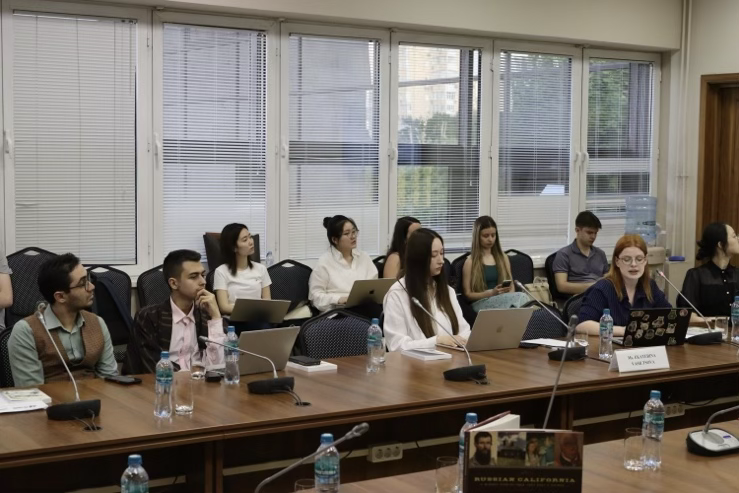
At the same time, a fundamental contradiction was noted, following the U.S. House of Representatives Resolution No. 93 (2025) calls for a nuclear-free and sustainable future for the state pf Hawaii, and the Mālama ‘āina (care for the land) movement is gaining momentum, yet military infrastructure continues to expand. The lease for the land under the Pacific Missile Range Facility, held for a nominal fee of $1 USD, expires between 2027 and 2030. Negotiations for an extension are complicated by the state’s refusal to renew the lease for another major facility – the Patokola Training Center.
Following the students’ presentations, the expert discussion featured comments by invited professionals from the United States and Switzerland. Ms. Cynthia Lazaroff, independent expert (U.S.), shared her personal account of the false missile alert on January 13, 2018. She received a message respecting a ballistic threat and spent 38 minutes preparing her family for death, managing to say goodbye to her daughter over the phone. According to her, this incident made many Hawaiians realize that the presence of the Pacific Missile Range Facility transforms Hawaii from a peaceful territory into a potential target in the event of a conflict. She also delivered a letter from Hawaiian-born guitarist and musician Matthew Swalinkowicz, better known by his stage name Makana. 2018 saw Makana left his guitar with Dr. Vladimir Orlov as a token of friendship and a promise to return. This is a striking example of public diplomacy, maintaining channels of communication even during periods of political rivalry.
Ms. Kumu Hula Puna Dawson led a workshop for the participants, explaining the meaning of the syllables ‘HA’ (breath of life) and ‘WA’ (waters of birth). She performed a song in Hawaiian and emphasized that Hawaiian culture is based on nonviolence, harmony with nature, and respect for ancestors, proceeding from the premise that its preservation is a form of resistance to militarization. Swiss historian and writer Niklaus Schweitzer confirmed the accuracy of the presentation based on his book and praised the quality of the translation conducted by Ms. Irina Kolotyrkina. The seminar concluded with a general discussion and a Q&A session, in which both master’s students and experts who joined the event remotely attended.
Master’s students also shared their impressions of the seminar:
“The seminar is particularly valuable due to its combination of historical perspective, literary and documentary evidence, and current military and technical information. The Russian-Hawaiian contacts of 1816–1817 were presented not as a model of the intersection of interests between a quasi-state actor, a local ruler, and an imperial center rather than isolated episode in the recorded history. The most valuable thesis was the idea of strategic restraint, since the refusal of Emperor Alexander I refusal to grant protection to Kauai in 1818 was rational assessment of risks and resources rather than a sign of weakness. This lesson resonates directly with contemporary discussions about the cost of militarizing remote territories,” Ms. Anna Vinogradova believes.
“The event highlighted the importance of studying lesser-known historical cases to understand contemporary international affairs. The episode examined provides a role of local actors in the international system, as well as the deeper insight into the nature of great power rivalry in the Pacific. Looking ahead, it seems advisable to continue researching Russian activity in the Pacific, drawing greater attention to both strategic infrastructure and historical memory. Those issues serve as the core components of both international politics and security,” Ms. Irina Zorina says.
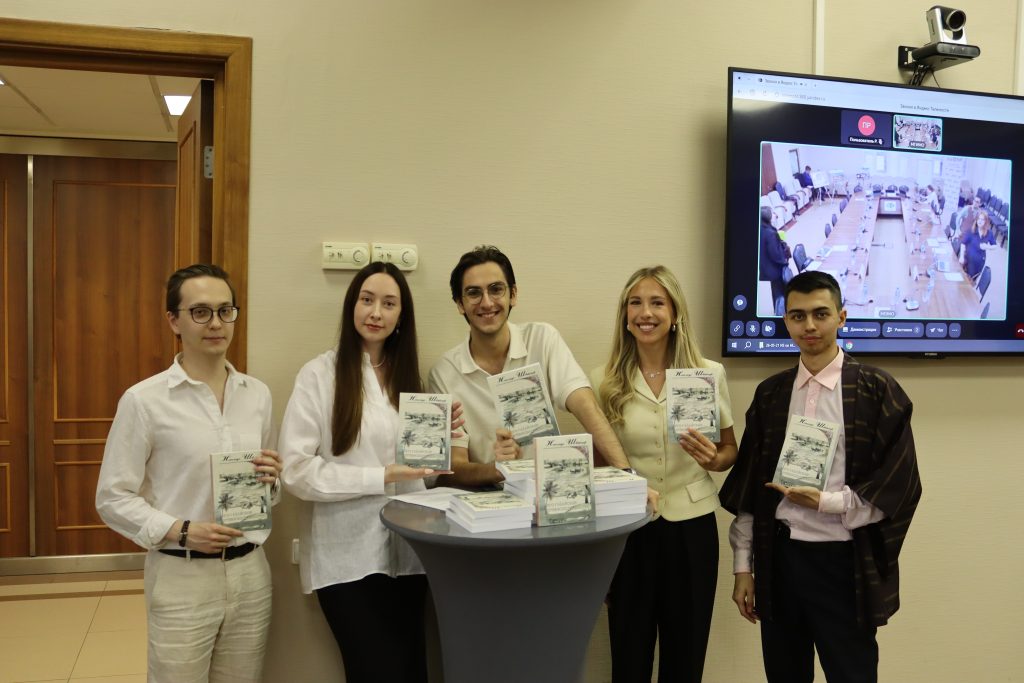
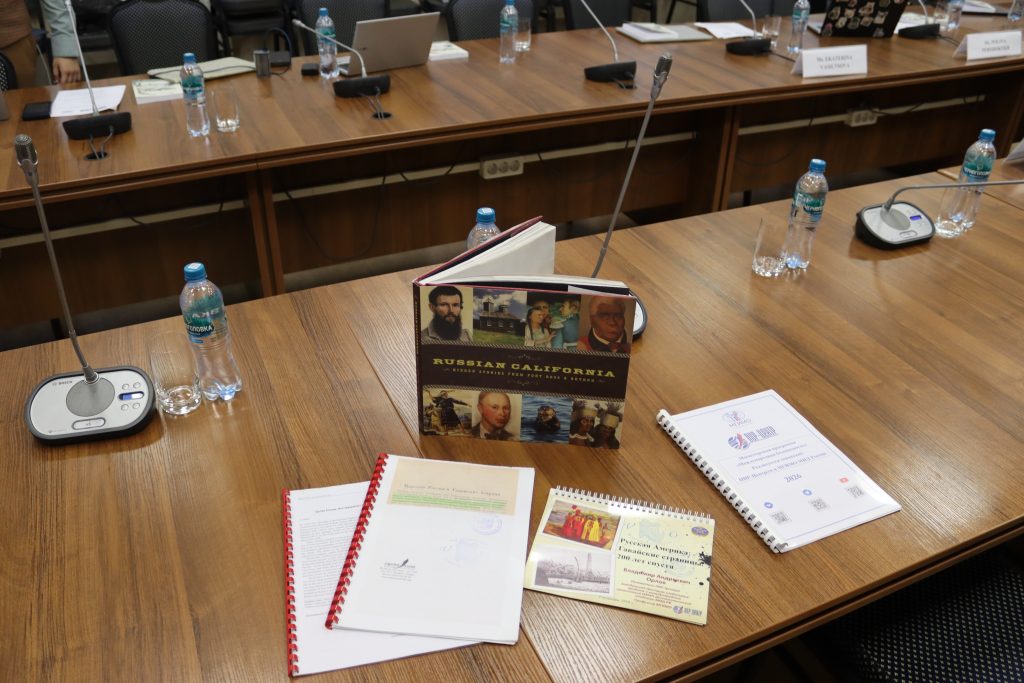
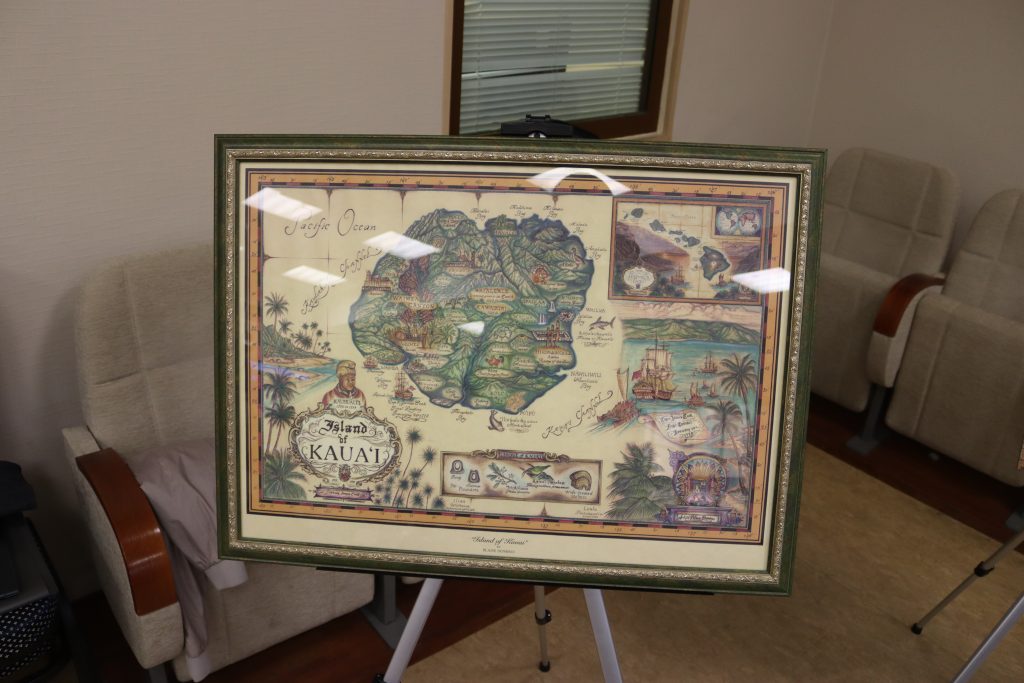
For those concerned in visiting Hawaii without leaving home, we are pleased to invite you to explore a special section on Dr. Vladimir Orlov’s personal website dedicated to Russian Hawaii. There you will find photographs taken by the author himself, literature, historical documents, and the opportunity to learn a great deal about Hawaii – a place geographically distant from Russia but close in spirit.
The website also features materials from past events dedicated to Hawaii, including a video recording, a photo gallery, and presentations from the seminar on “Hawaii: 210 Years Since the Russian Flag Was Raised Over the Island of Kauai and the History of Russian Hawaii” (in Russian).
Keywords: Hawaii, Russia; US
HIRU
E16/NOS – 26/06/10
