
№ 53 (101), 2026. PIR Center and MGIMO University Held an Expert Seminar on the Topic: “Strategic Stability in the Era of a Negotiating Vacuum: Russia’s Interests and the Future of Arms Control”
October 16, 2026
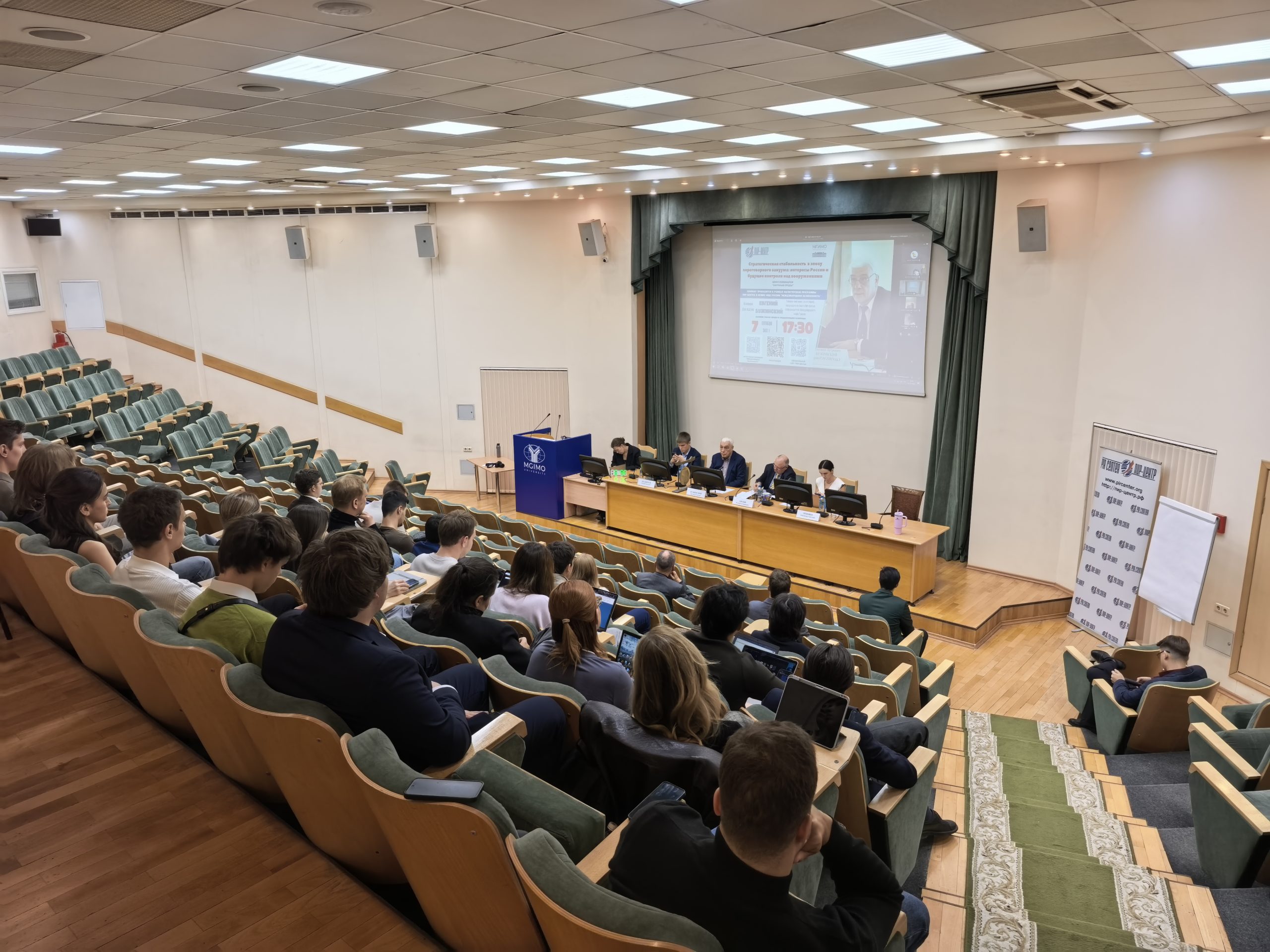
MOSCOW. OCTOBER 16, 2026. PIR PRESS. “Strategic stability during the mature Cold War was based on reliable mutual nuclear deterrence, regular contacts between the highest political and military leadership of our countries, arms control, and mutual transparency. Now, firstly, all these elements are absent today. Moreover, the very concept of a war involving the use of nuclear weapons was taboo. Now the taboo has been lifted, especially in Europe. The question of the use of nuclear weapons is arising more and more frequently” – Evgeny Buzhinsky, retired Lieutenant General, chairman of the PIR Center Council, co‑chairman of the Trialogue International Club.
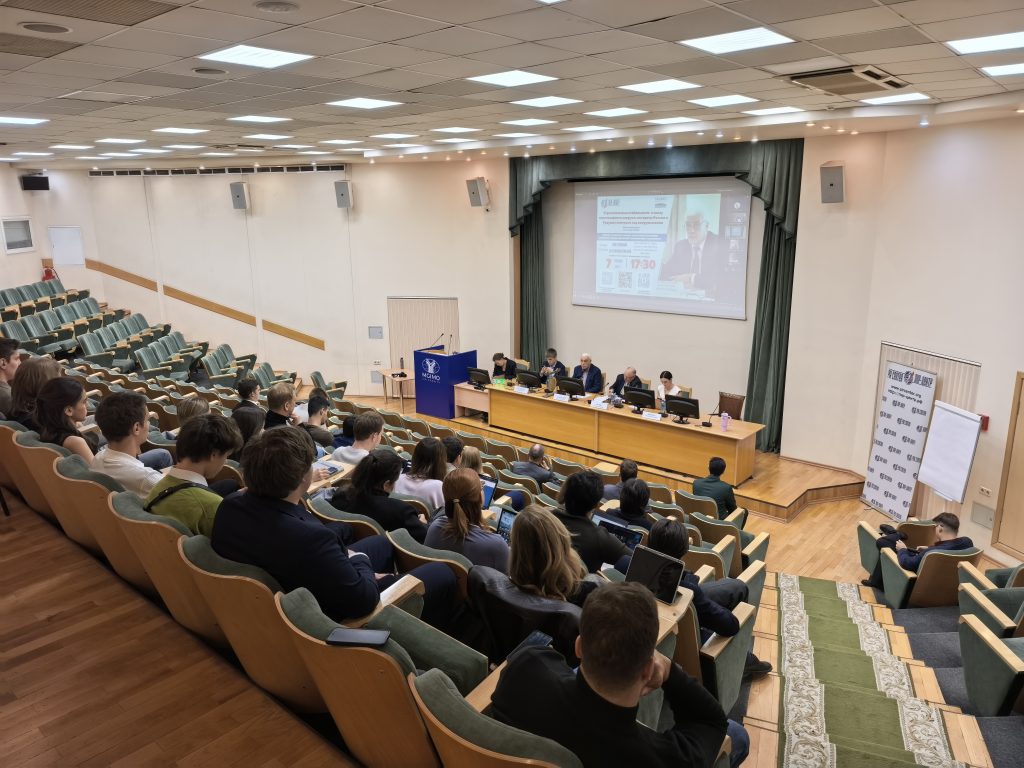
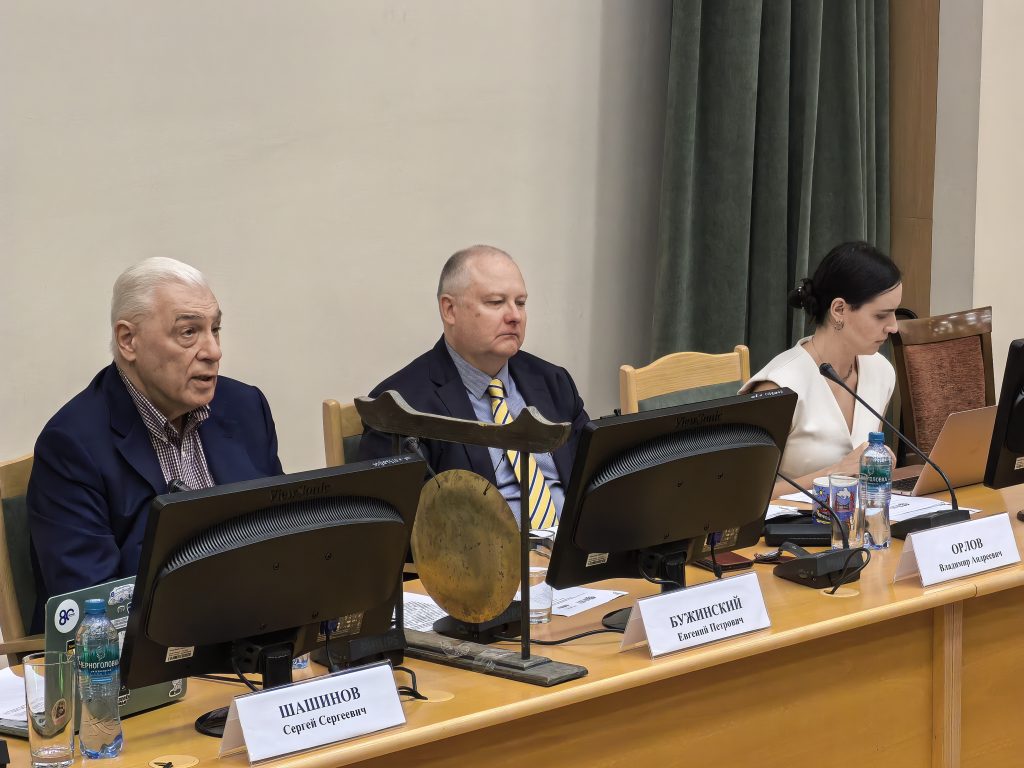
PIR Center, together with MGIMO held an expert seminar on the topic: “Strategic stability in the era of a negotiation vacuum: Russia’s interests and the future of arms control.” Evgeny Buzhinsky, Lieutenant General, Chairman of the PIR Center Executive Board, Co‑chairman of the Trialogue Club International, was the keynote speaker. The discussion was moderated by Sergey Shashinov, a second‑year student in the International Security MA Program implemented jointly by MGIMO University and PIR Center.
Vladimir Orlov, Director and Founder of PIR Center, delivered the opening remarks. He emphasized that in the current negotiation vacuum, it is of key importance to preserve expert dialogue and institutional memory in order to develop future political and diplomatic solutions.
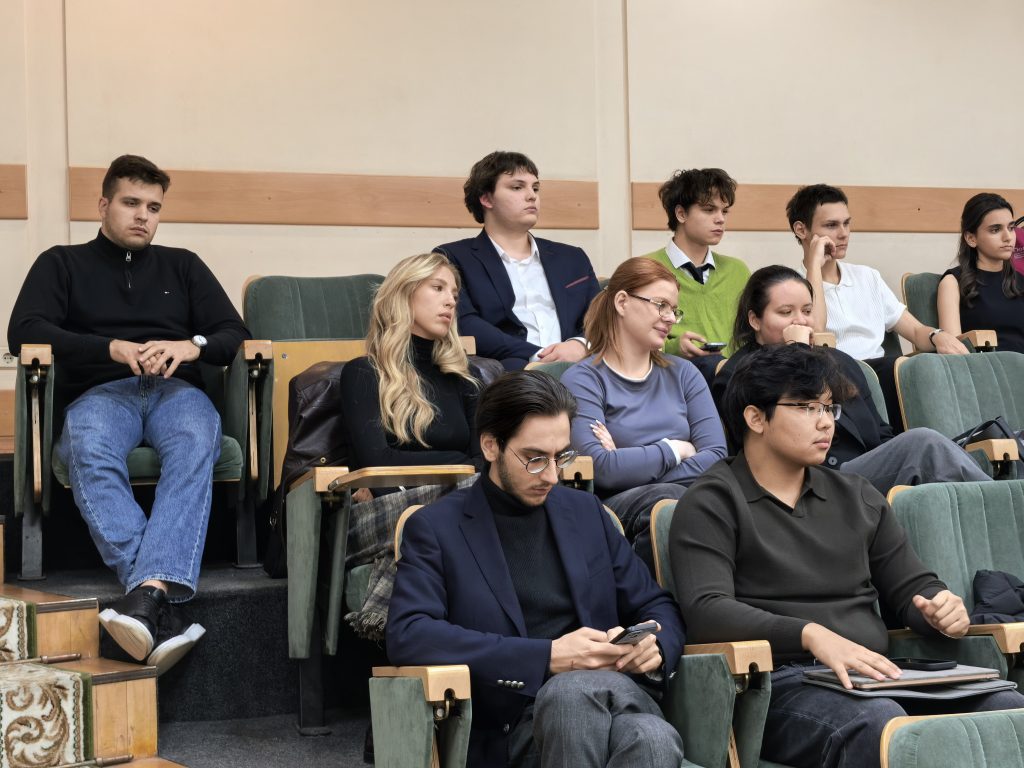
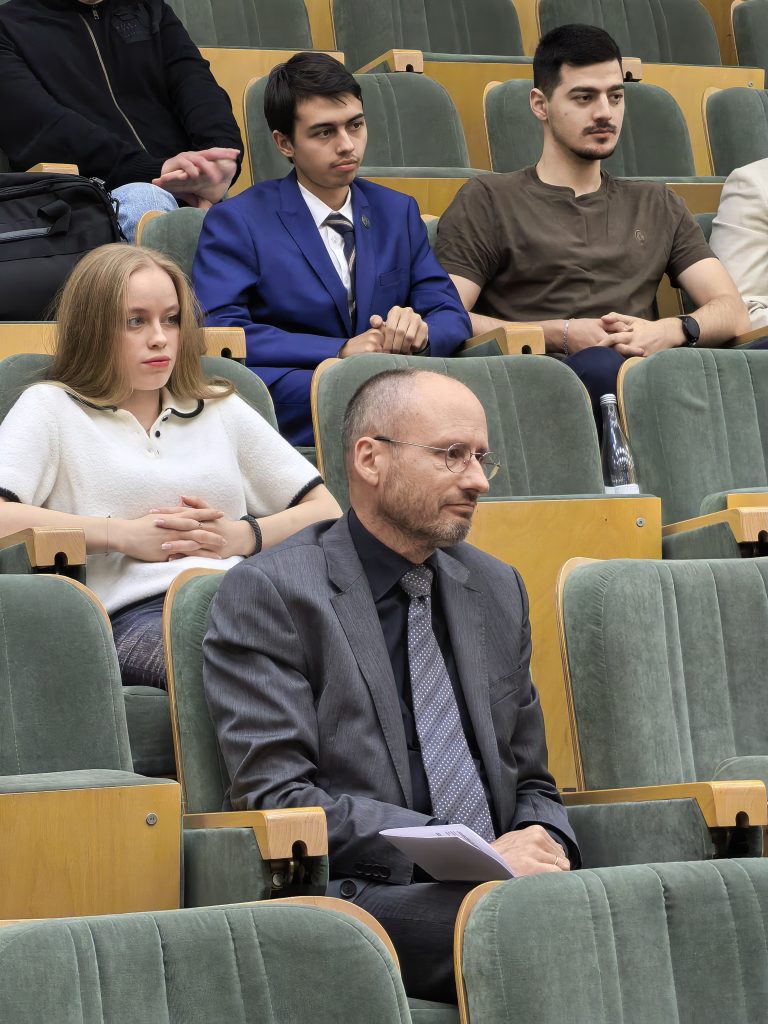
During the main presentation, Evgeny Buzhinsky provided an in‑depth historical, theoretical, and military‑technical analysis of strategic stability. He noted that the concept emerged in the 1970s–1980s under conditions of a predictable bipolar system. Today, the fundamental pillars of that stability have been completely destroyed. These included reliable mutual nuclear deterrence, regular contacts between the leadership, arms control, and transparency. In Europe, there is a normalization of rhetoric regarding the use of nuclear weapons. At the same time, the nuclear capabilities of France and the United Kingdom amount to 290 and 280 warheads, respectively. They are not comparable to the Russian arsenal, which is estimated at approximately 2,000 non‑strategic and 5,500 total nuclear warheads. The speaker expressed confidence that a limited nuclear conflict in Europe would inevitably escalate into a global one. For this reason, the United States will not risk its territory for the sake of its European allies. Representatives of the diplomatic corps took part in the discussion.
Keywords: Strategic stability; arms control; global security
AC
E16/NOS – 26/10/16
