
Open Collar Interview № 85 with Ana Livia Araujo Esteves
March 27, 2026
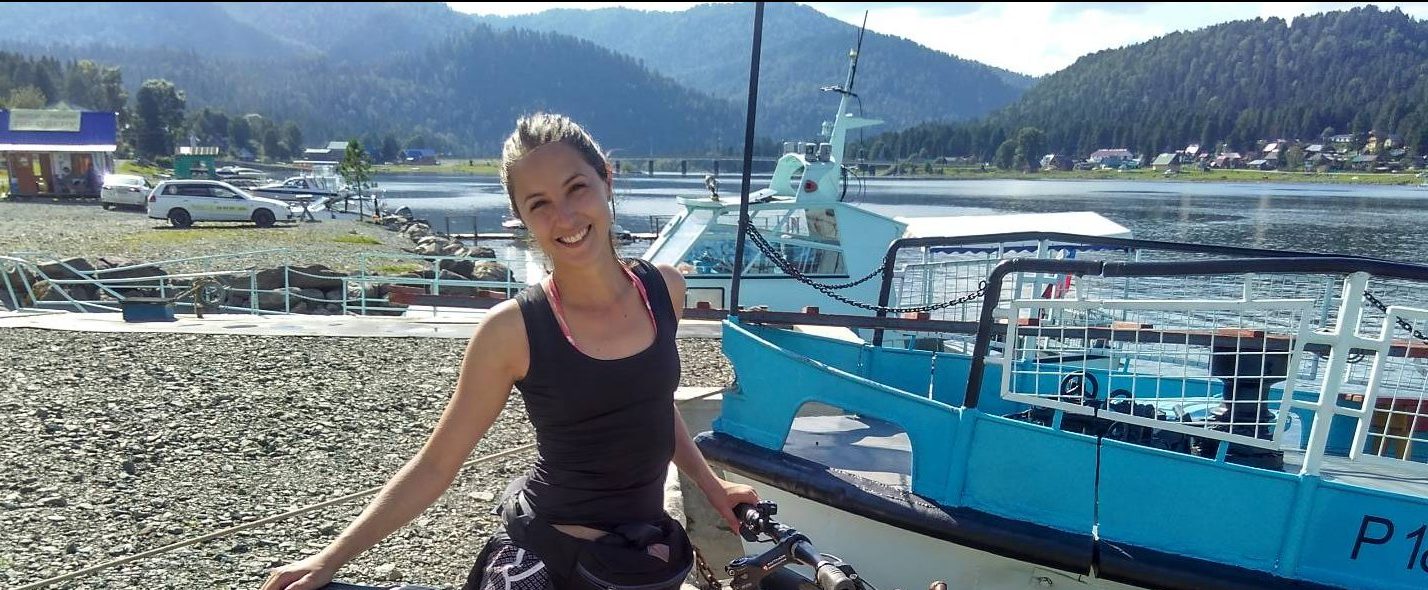

«It is easy and pleasant to tell the truth»
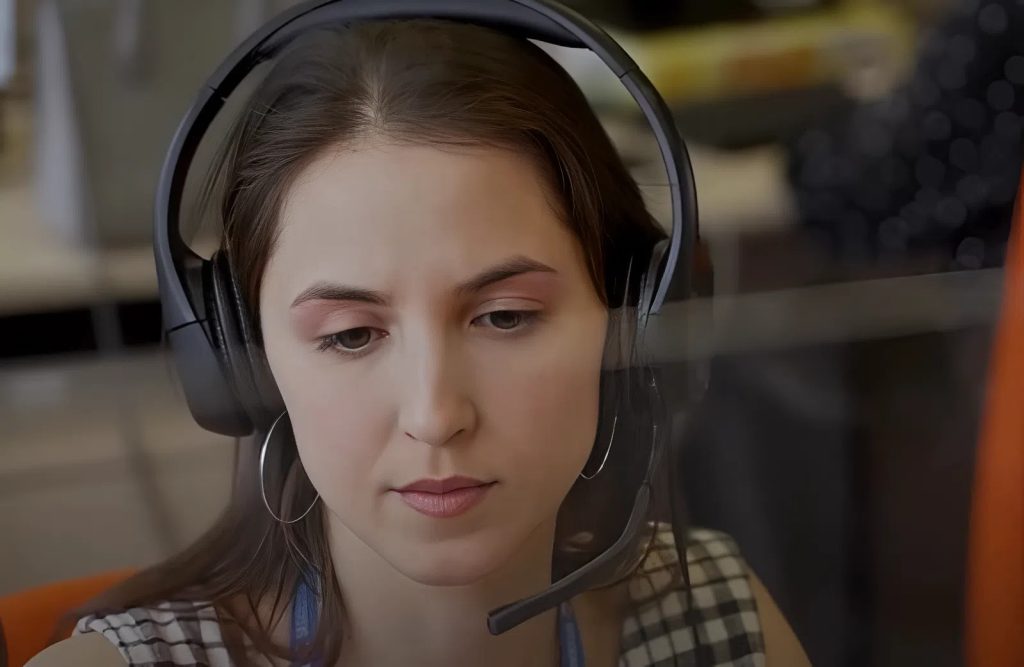
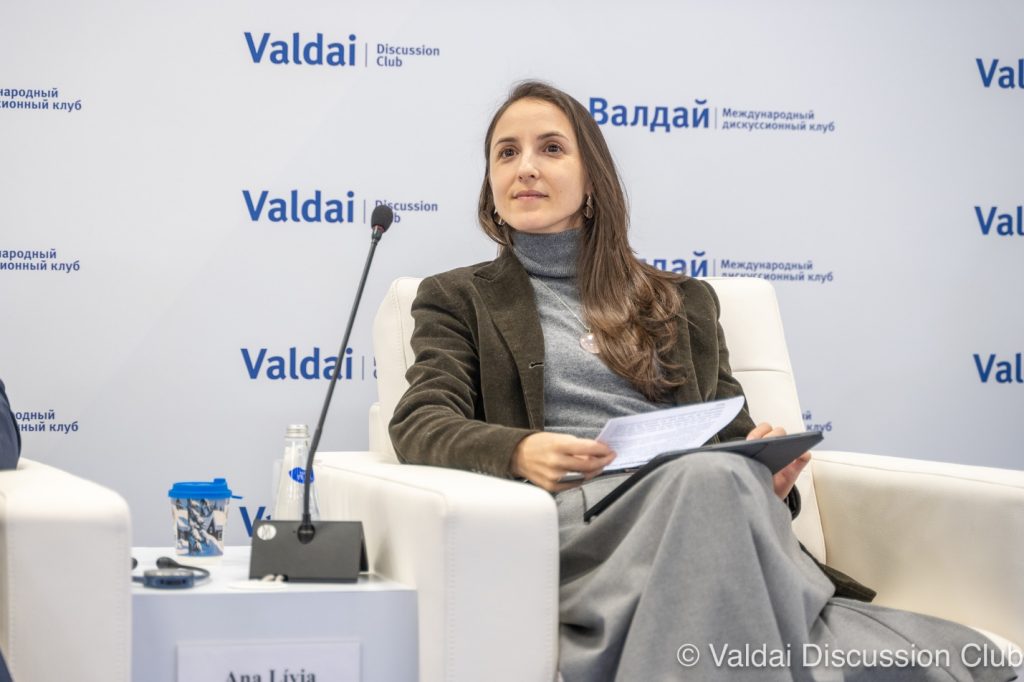
EDITORIAL: The new guest of PIR Center’s Open Collar Interview is Ana Livia Araujo Esteves, PhD in Political Sciences (HSE University), specialist in Brazilian-Russian relations and a member of the PIR Alumni Community since 2019.
This interview offers a comprehensive look at Ana Livia’s early life in Brazil, her university years, and her professional journey. In this conversation, Ana Livia shares the story of her journey from Brazil to Russia through New York and answers questions about how Russian culture won her heart, what role East Timor’s independence played in her life, and why academia is the beach where she hangs a hammock. Of course, an unavoidable part is the story of meeting the PIR Center.
The interview was conducted by Maksim Nosenko, PIR Center intern.
A Russian word in a Brazilian childhood
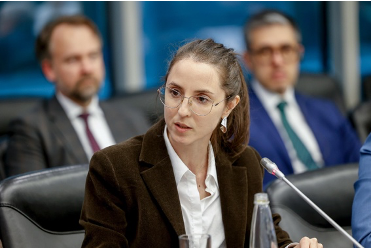
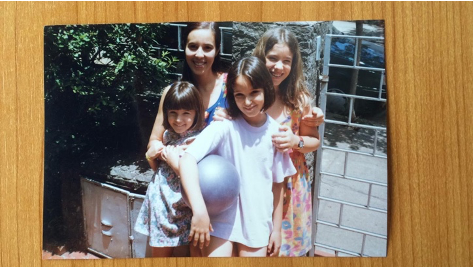
I had a very happy childhood, for which I am grateful to my parents. Nowadays, I understand the effort they had to put into making my life feel effortless. In the morning, I played in the streets with my sister and our neighbors, in the afternoon, I went to school and played a bit more, in the evening, my sister and I studied, but that felt like playing as well. My parents read to us every night, and I remember their voices vividly. That bliss was slightly altered when I started training in gymnastics. Then my mornings would start with training at our neighborhood soccer club, Palmeiras. I loved it!
My interest in International Relations came very early, maybe because English classes were so much fun. Also, my parents were always debating international issues, like the independence of East Timor. My school received refugees from various parts of the world, particularly from former Yugoslavia. Their past experience and future prospects were very intriguing to me. My interest in Russia came with gymnastics. My dream was to be trained by the best coach in town: Valeria Lakerbai. She emigrated to Brazil after the fall of the USSR. She eventually became my coach, which was an honor for me. Whenever she felt emotional – be it happy or angry – she would scream a word or two in Russian. Her professionalism, kindness, and confidence made me fall in love with the language.
Between America and Russia
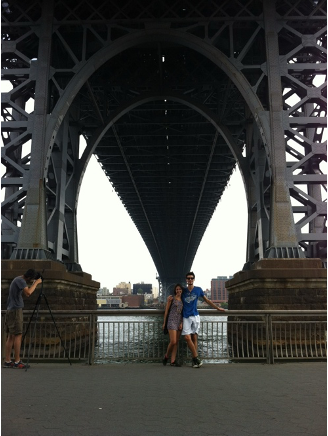
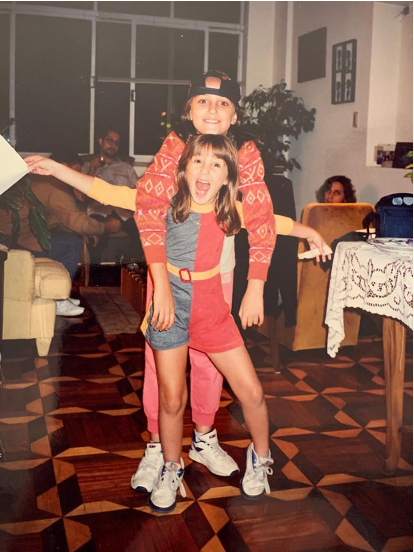
Prior to coming to Russia, I had the great pleasure of living in New York, a place where I had a blast. Before that, I used to visit the US regularly to visit my best friend, whose mother was a professor at the University of Indiana. There is where I have seen snow and experienced the winter for the first time. That helped me a lot later on to adapt to the Russian climate. My experience in New York was positive, but it felt too similar and close to home. My academic interests would take me beyond the US. I was really curious to hear other voices in International Relations study and theory. At some point, I felt I had heard enough about the US position and understood its main premises. It was time to listen to other tunes.
In search of the Russian soul
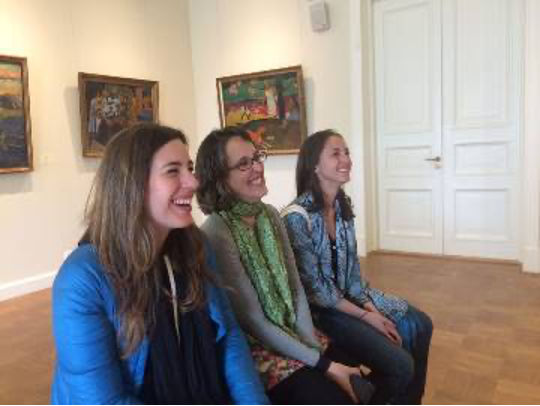
What I love most about Moscow is its cultural life. Not only are the museums great and the music halls fantastic, but I also love how culture is ingrained in people’s everyday lives. I love how people are used to including cultural activities in their weekend plans, and how they do this without pretentiousness. Therefore, the cultural life in Moscow is great not only because of the quantity and quality of events, but also because it is an integral part of its citizens’ lives.
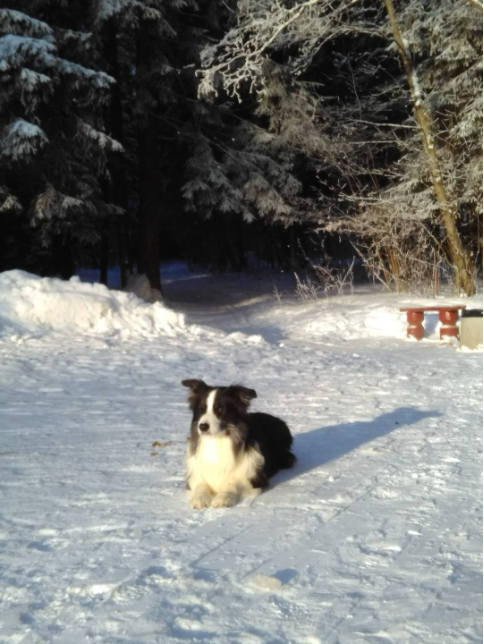
I continue to love gymnastics and sports in general. I cannot really live without it! However, I have failed miserably in winter sports! I have tried many times here in Russia, and I am surprised by how hard it is and how unfit I am for it. It is a shame, for when I see people skiing in the park, I wish I could do the same. But, for now, it is a complete failure!
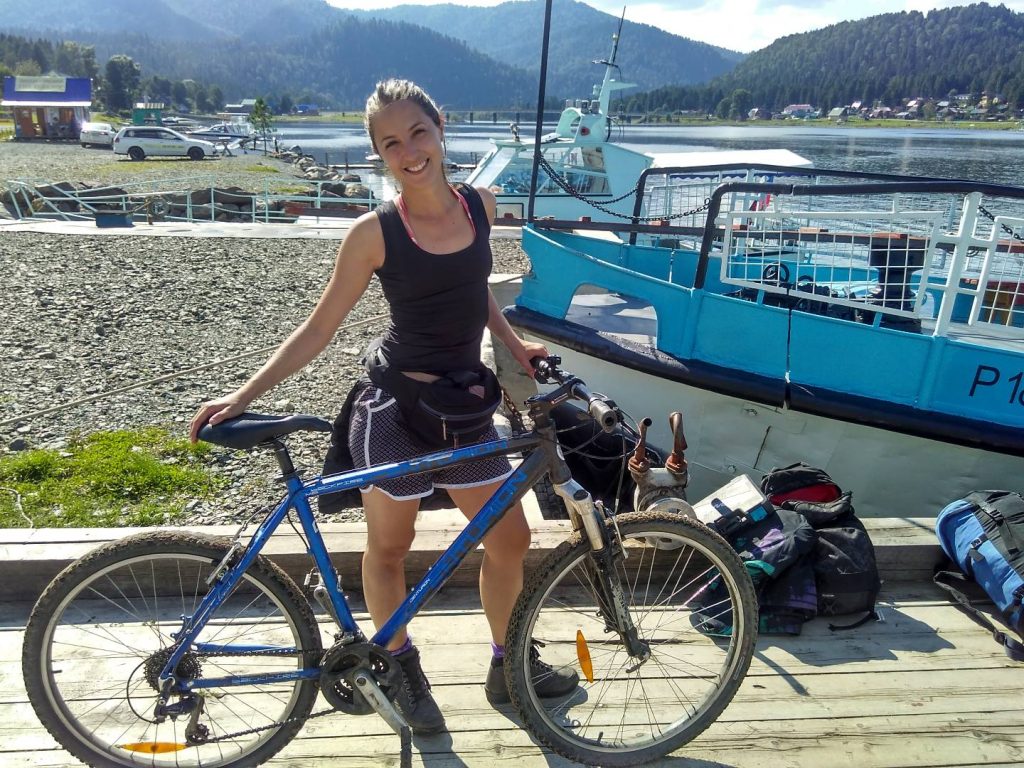
Besides, I love Yakutian cinema for its sincerity and open-heartedness. However, its straightforwardness is also found in Sokurov’s films [Sokurov – a Soviet and Russian film director and screenwriter – ed.], for example. Integrity might be the trait that unites all Russian citizens. I have been in Russia for many years now, and I could stay for many more, because I keep discovering new traits, places, and mysteries in its forests. I wonder how many lives you have to live to get to know Russia! Even though I may not have enough years, I will always keep hunting for the Russian soul. I have been to many places, including beautiful and endless Siberia. But there is still much more to find out!
By teaching others, I learn myself
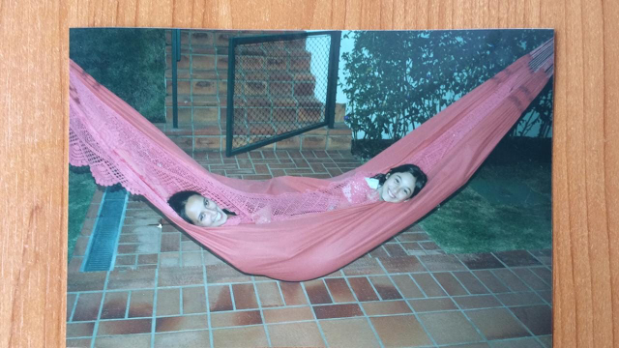
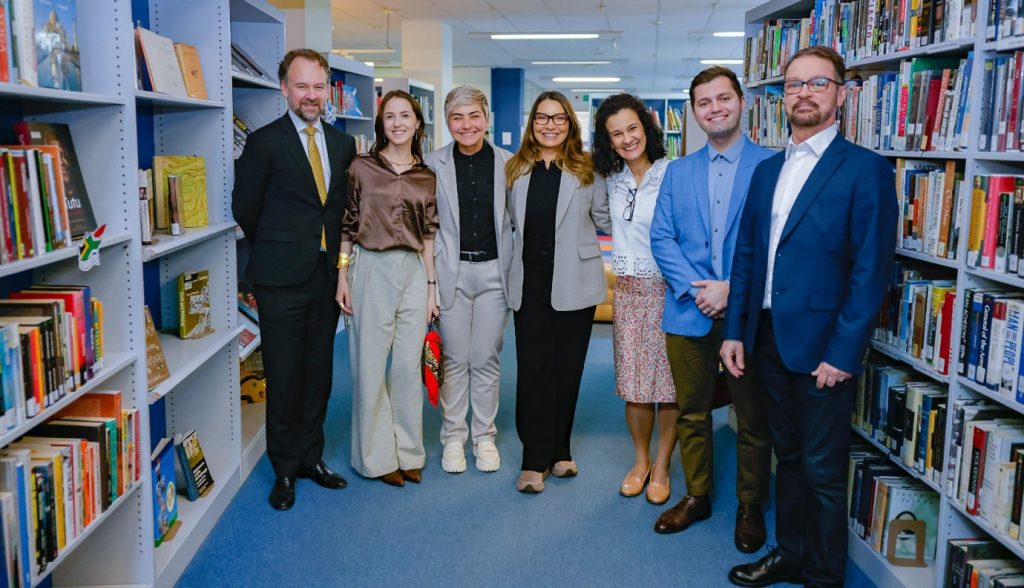
My career is a constant search for the opportunity to keep studying. In different moments of my life, I have identified the best way for me to work while developing my knowledge and satisfying my curiosity. However, what unites all of my professional activities is International Relations. That is what I truly love! Now, as a researcher and teacher, I can benefit greatly from my past experience in business and government. After years in journalism, I am no longer afraid to ask tough questions and seek the information I need. I do feel that academia is the right place for me. As we say in Brazil, academia is the beach where I want to hang my hammock.
As for teaching, it is the best way to engage in dialogue about the subjects we love. It is fascinating how much you learn when you are teaching! I am particularly enjoying teaching Russian students, as they are very engaged in the process. While I ask them questions about Brazil and the International System, their answers reveal to me the structures of the Russian thought and the philosophical assumptions of their ideas. It is a very rich exchange.
PIR Alumni Community
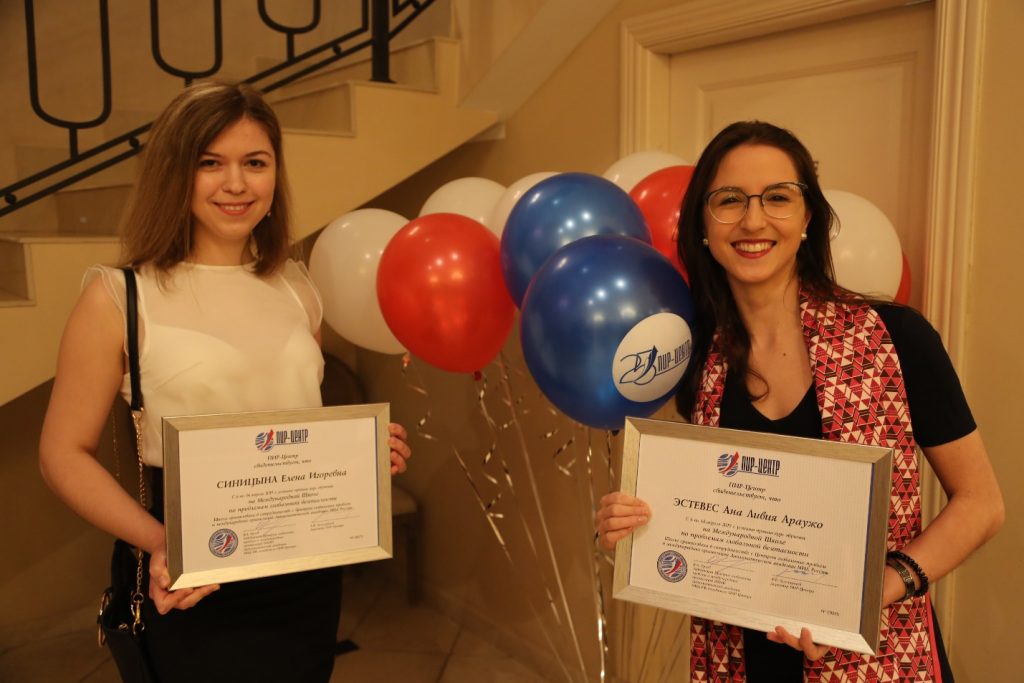
I feel so lucky to be a part of the PIR Community! It all started at MGIMO during my master’s. I was told that only crazy students took their internships at PIR Center, where people worked 27/7. That made me so intrigued! I was researching the Brazilian nuclear program and, of course, PIR Center was the best place to be. I was given the opportunity to work in the center for around four months to complete my dissertation. The highlight was participating in the PIR School in Zvenigorod. This was the single best, most serious academic short-term course I have ever taken. It was worth every minute and every sleepless night.
The bell toll of the Cuban Missile Crisis
When I was studying the Cuban Missile Crisis as an undergraduate, I realized how limited my access was to the Soviet side of the story. My university in São Paulo had thousands of books on Americans’ achievements and fears during this crisis, and maybe one or two by Cuban authors. But there were no books written by the Soviets or Russians. That rang a bell in my mind, a bell that never stopped tolling.
Regarding the present-day situation, the bad side of being an IR specialist is that you are well aware of how critical the current geopolitical situation is and how high the risks really are. History shows that humans are capable of going down very dark roads, and I see no indication that we will not go down the same destructive path again. We probably will. It might sound cold-hearted, but it is frank and honest. On the other hand, the good side of being an IR specialist is that we know diplomacy has mitigated high-risk situations, and there is no indication that it could not do so this time around.
Interview: Maksim Nosenko
Editing: Yuri Shakhov
Keywords: Open Collar
ALU
E16/SHAH – 26/03/27
