
№ 36 (84), 2026. On July 7, 2026, the X International Timerbaev Debates took place within the framework of the XXIV PIR Center School
July 17, 2026
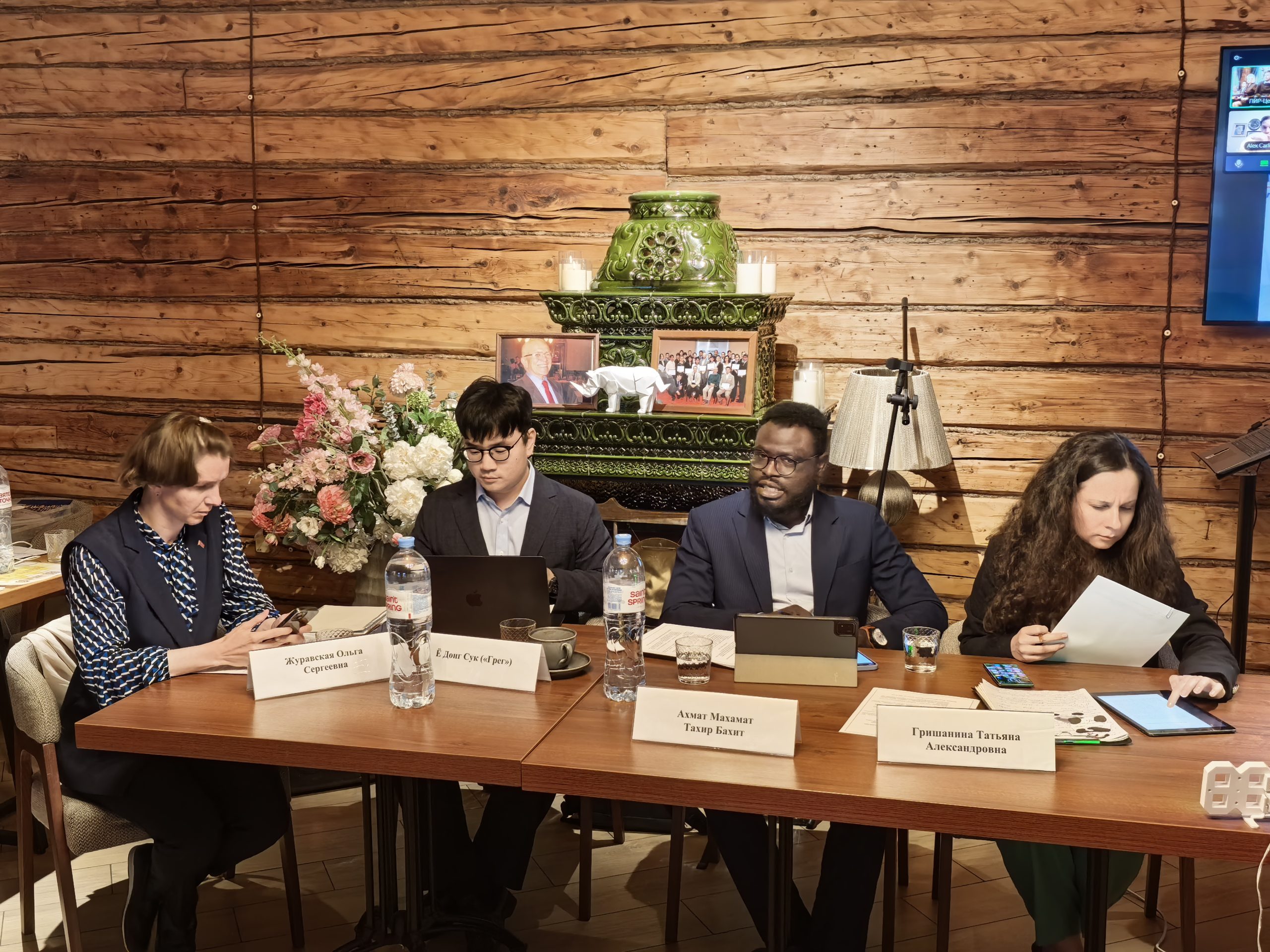
MOSCOW. JULY 13, 2026 PIR PRESS. On July 7, 2026, the XXIV PIR Center International School on Global Security hosted the X International Timerbaev Debates on the topic “Military artificial intelligence in the context of global confrontation between world powers: a strategic resource for Russia or a source of new threats to national security?”. Two teams, which included representatives of Russia, Belarus, Chad and South Korea, participated in the debates.
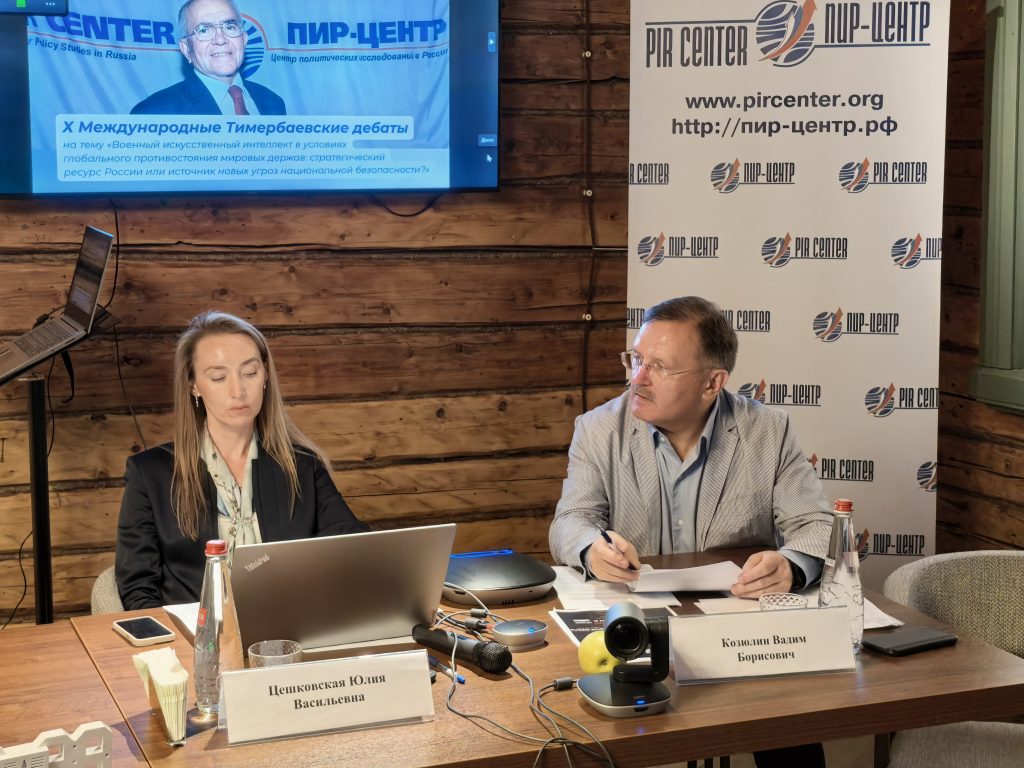
The event was moderated by the Areopagus of Debates, consisting of Vadim Kozyulin, a PIR Center Council member and consultant and Chief Researcher at the Center for Military and Political Studies at the Institute of Current International Problems of the MGIMO Diplomatic Academy, and Yulia Tseshkovskaya, a PIR Center Expert Council member and Head of Marketing at Evocargo.
During the debates, the two teams defended opposing views on the use of artificial intelligence in the military sphere. Earlier, on June 23, 2026, at the official opening of 2026 PIR Center School, the participants listened to a lecture by Vadim Kozyulin titled “Artificial intelligence and autonomous weapons: transformation of international security and interests of Russia” and the one by Yulia Tseshkovskaya called “Development of artificial intelligence and prospects of its international legal regulation in the context of international security”, and now had the opportunity apply the acquired knowledge in practice.
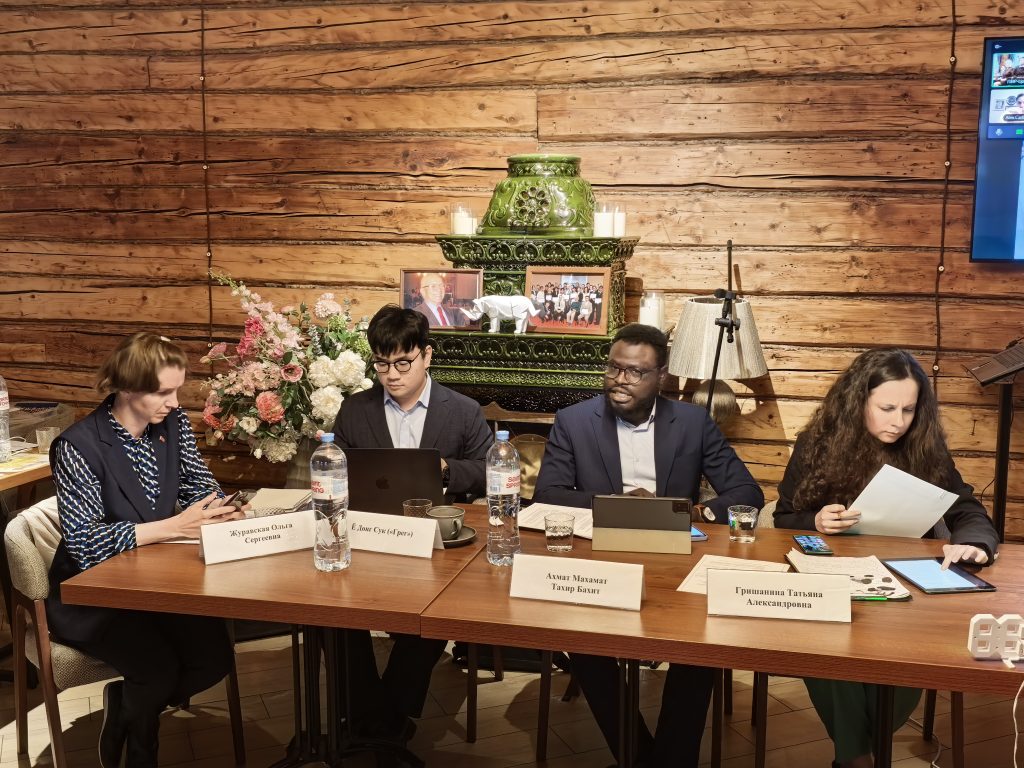
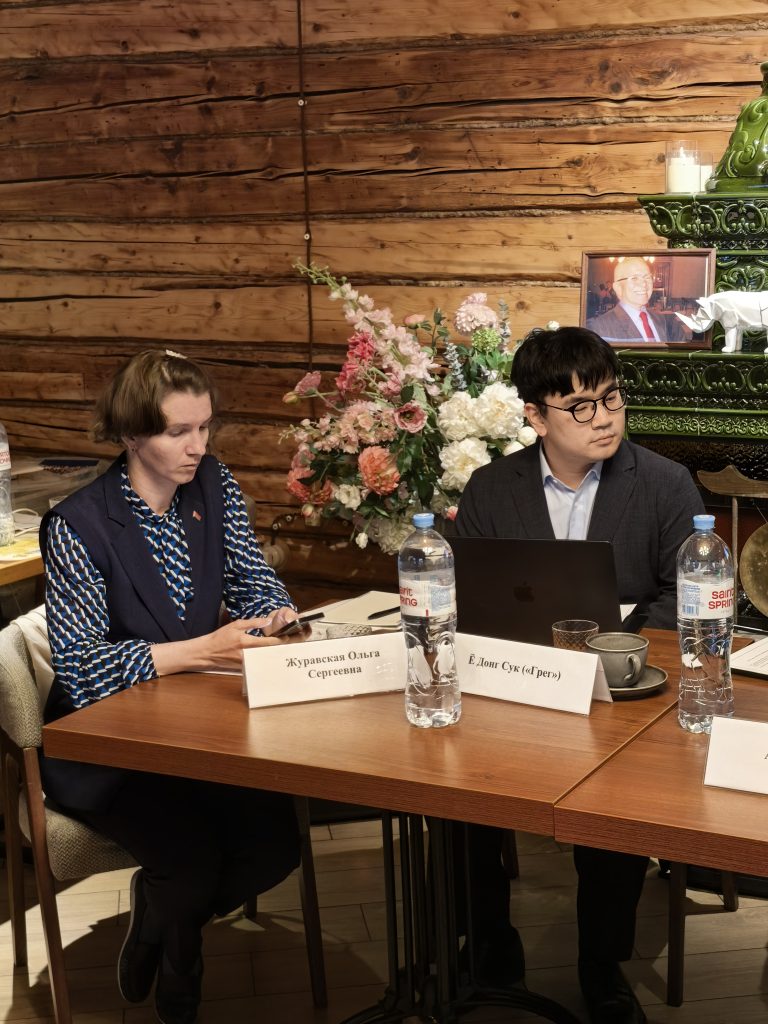
Team № 1, consisting of Olga Zhuravskaya, Associate Professor of the Department of International Relations at the Faculty of International Relations of the Belarusian State University, and Greg Yoo, a graduate student in Political Science at MGIMO, worked under the guidance of Adlan Margoev, a researcher at the Institute of International Studies and a lecturer at the MGIMO Department of Oriental Studies, and presented the position that military artificial intelligence was a source of new threats to national security. The view that military artificial intelligence was a strategic resource for Russia was defended by Team № 2, which included Ahmat Mahamat Tahir Bakhit, a journalist at the Sputnik Africa news agency, and Tatiana Grishanina, an independent researcher. Leonid Tsukanov, a PIR Center consultant, acted as a mentor of the team.
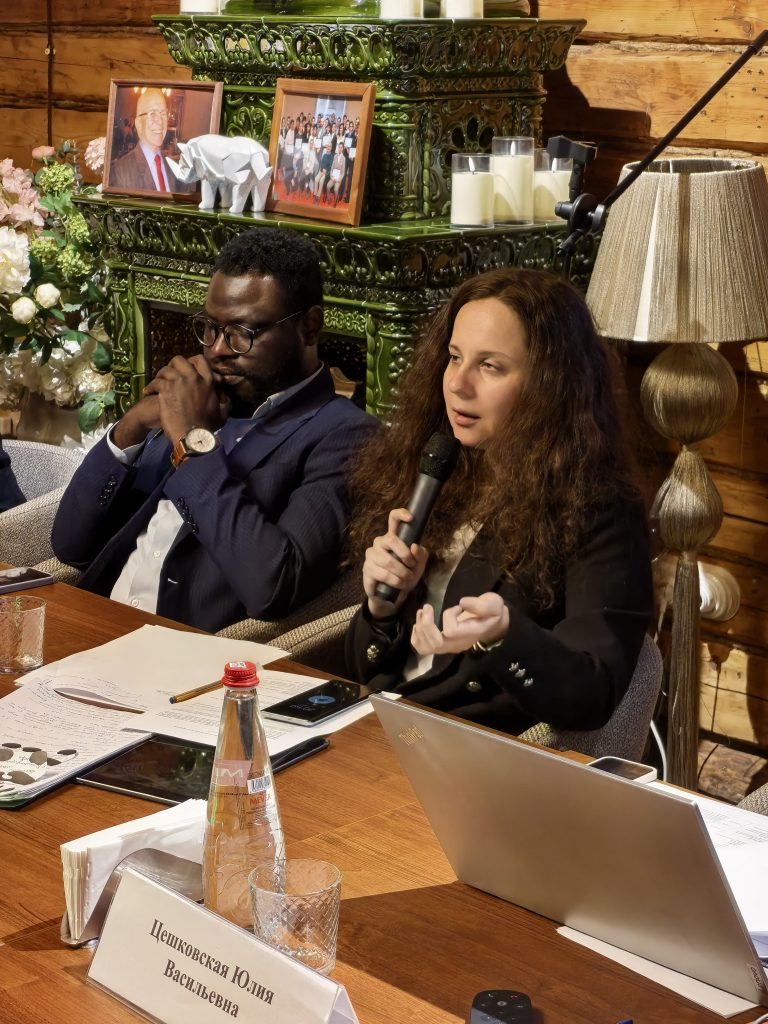
The debates were attended by other School participants who voted for the winning team. According to the audience, the most consistent arguments were given by Team № 2 members who proved that military artificial intelligence was a strategic resource for Russia’s national security. The team’s arguments were so convincing that by the end of the debates, some of the viewers who had previously considered military artificial intelligence a source of new threats had changed their minds.
In conclusion, Vadim Kozyulin noted that a country’s modern military power is shaped through the accumulation of all information by artificial intelligence into a single information support system that gathers data from various sources and, in a certain sense, issues a report on upcoming threats. The expert stressed that with the constant development of autonomous technologies, even in peacetime, it is essential to monitor the progress of foreign countries in this area, as a new circuit of technological rivalry is opening up and a new arms race is unfolding. In her closing remarks to the debates participants, Yulia Tseshkovskaya mentioned that the challenges and risks in relation to military artificial intelligence are less often discussed today than the advantages.
Participants of the 2026 PIR Center School shared their impressions of the X International Timerbaev Debates:
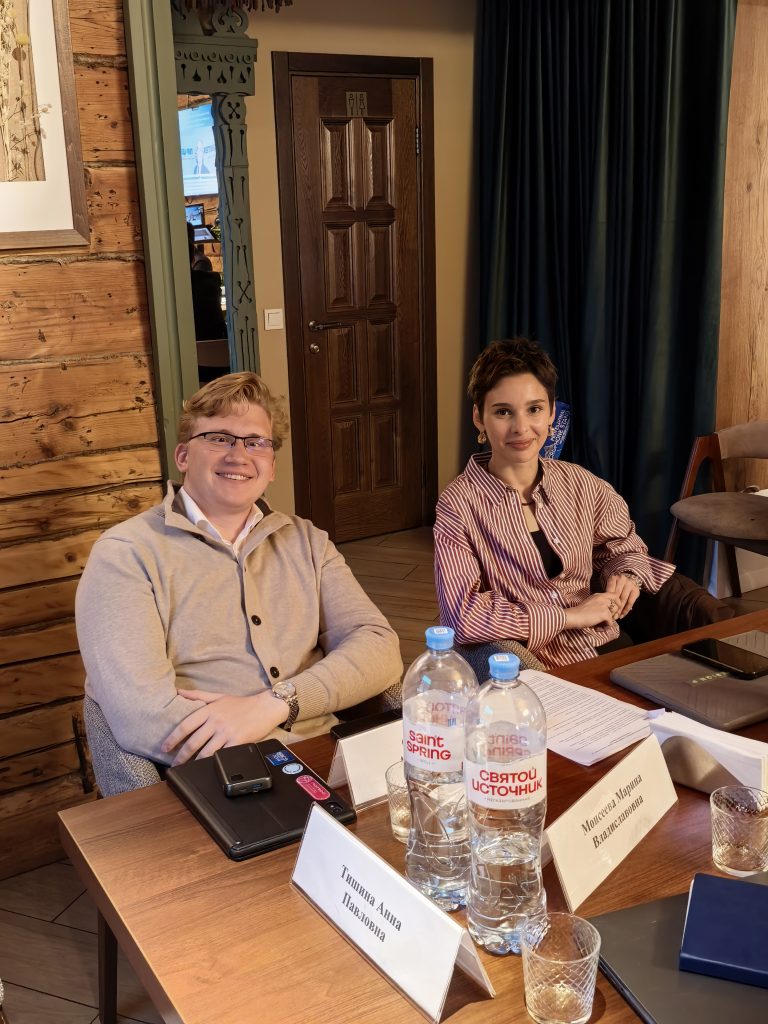
Ahmat Mahamat Tahir Bakhit, a journalist with the Sputnik Africa news agency in the Republic of Chad, shared that the Timerbaev debates were a very useful experience that allowed him to “gain a deeper understanding of modern challenges in the field of international security and learn how to defend one’s position in a reasoned manner.”
Olga Zhuravskaya, Associate Professor of the Department of International Relations at the Faculty of International Relations of the Belarusian State University, Republic of Belarus, noted that the PIR Center XXIV International School on Global Security provided a wonderful opportunity to participate in the Timerbaev debates and acquire first-hand experience working in a team with an expert from the Republic of Korea.
Egor Sogrin, a laboratory assistant and student at the Faculty of World Politics at Lomonosov Moscow State University, Russian Federation, stressed that the preparations for the X Timerbaev Debates immediately immersed the participants in the School agenda and facilitated a new look at the autonomy of military artificial intelligence.
Keywords: Timerbaev debates; military artificial intelligence
E16/NOS – 26/07/17
