
№ 1 (49), 2025. PIR Center hosted a seminar titled «Nuclear Weapons of the United Kingdom and France: Implications for the Balance within the Nuclear Five»
January 21, 2026
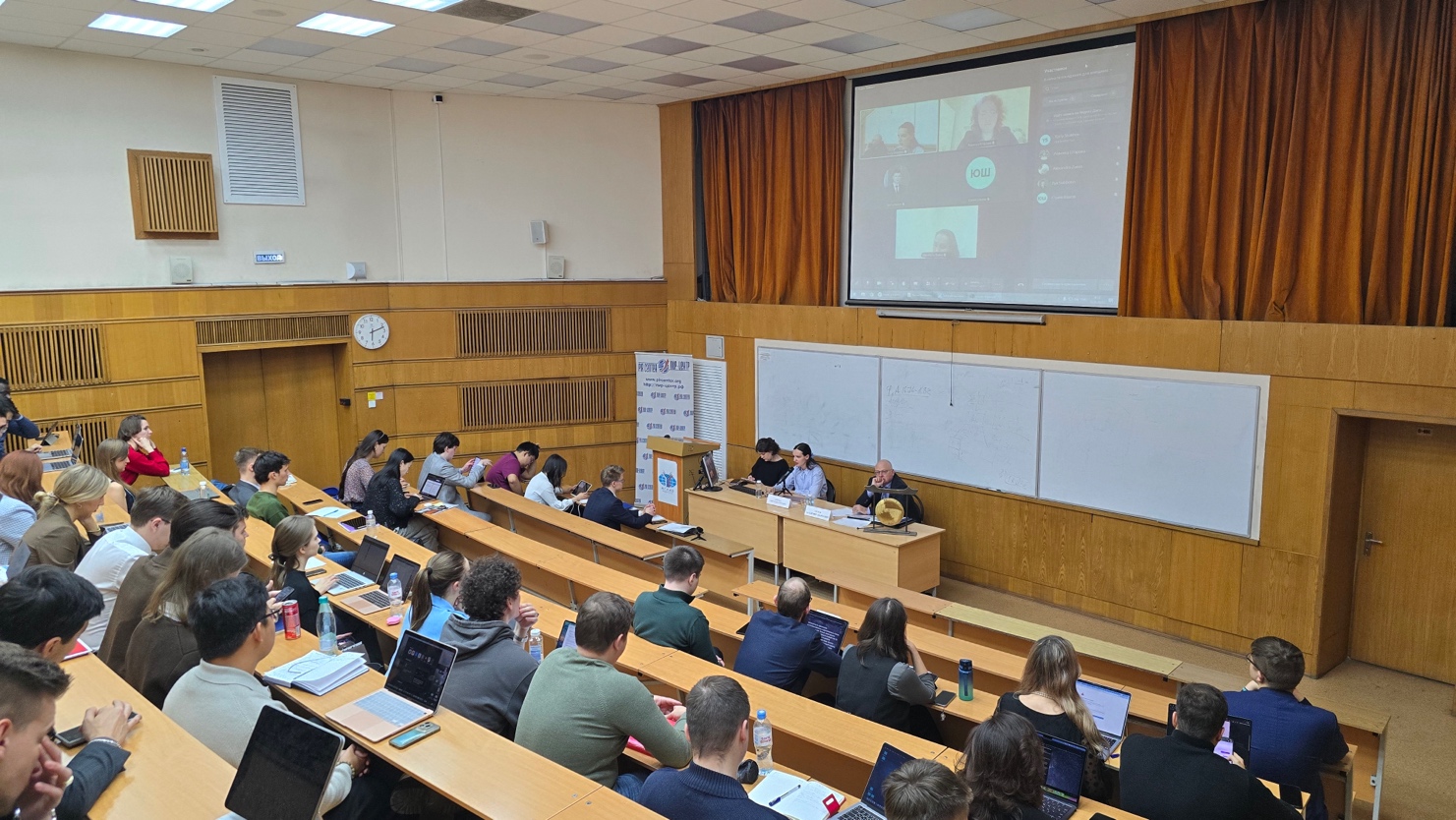
MOSCOW. JANUARY 21, 2026. PIR PRESS. «Throughout the entire period of the strategic dialogue between the USSR and the United States, France and the United Kingdom consistently refused to participate in negotiations on the limitation and reduction of strategic nuclear weapons, perceiving this format as a threat to their autonomy in nuclear planning. The dependence of national nuclear programs on U.S. scientific and technological cooperation, asymmetries in strategic capabilities, and concerns that European interests would be marginalized within bilateral agreements shaped a firm position in London and Paris. This position has largely persisted to the present day, despite the transformation of the international strategic environment», – Ms. Alexandra Zubenko, PIR Center Research Associate.
Last year was marked by substantive seminars that served as a platform for lively dialogue among experts, young professionals, and students.
PIR Center recalls the seminar hosted jointly with MGIMO University and titled “Nuclear Weapons of the United Kingdom and France: Implications for the Balance within the Nuclear Five.”
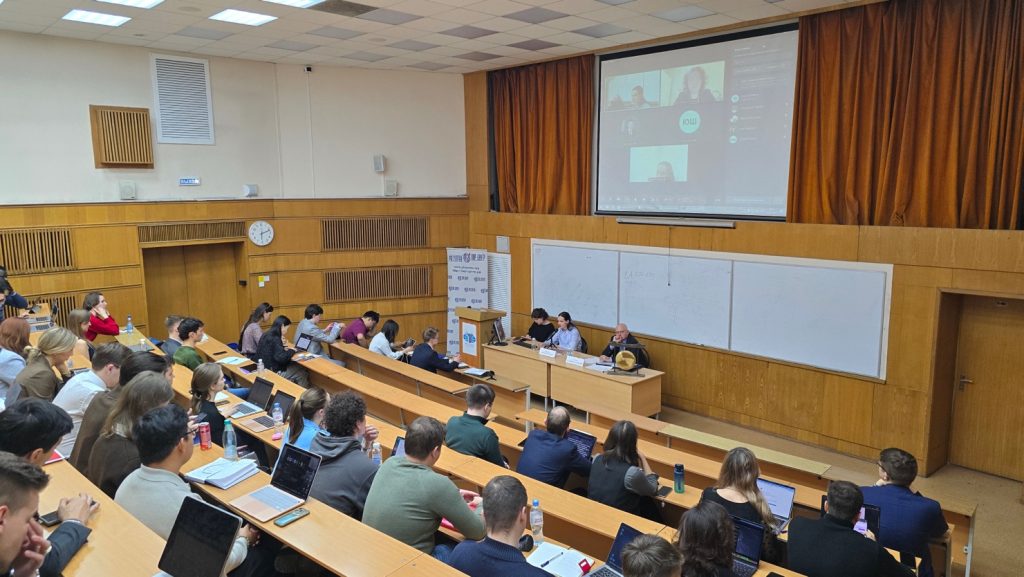
Ms. Alexandra Zubenko, PIR Center Research Associate, delivered the keynote speech. The expert highlighted that the USSR, and later Russia, had long supported the involvement of France and the UK in strategic arms control agreements, starting with SALT I. Nevertheless, London and Paris had refused to participate in this framework for many years. Meanwhile, the United States, despite recognizing the validity of Russia’s stance, did not take proactive measures to promote its adoption.
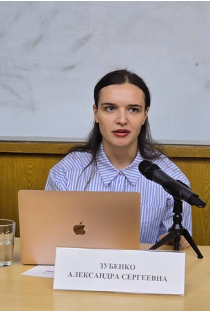
Among the key reasons for this refusal, the speaker identified concerns about the loss of autonomy in nuclear planning, the dependence of national nuclear programs on U.S. scientific and technological cooperation, and asymmetries in strategic capabilities, particularly during the 1970s and 1980s. Special attention was given to the perception in France and the United Kingdom that the Soviet-American strategic dialogue neglected European interests and posed risks to Europe’s security.
Turning to the contemporary stage, Ms. Alexandra Zubenko noted that France and the United Kingdom currently show no sustained interest in joining the strategic nuclear arms control system. At the same time, changes in the strategic environment, the growing role of tactical nuclear weapons, dual-use systems, and nuclear risk-reduction initiatives may, in the long term, create conditions for the resumption of a multilateral dialogue.
The seminar concluded with a discussion and a Q&A session addressing possible trajectories for the development of multilateral arms control mechanisms.
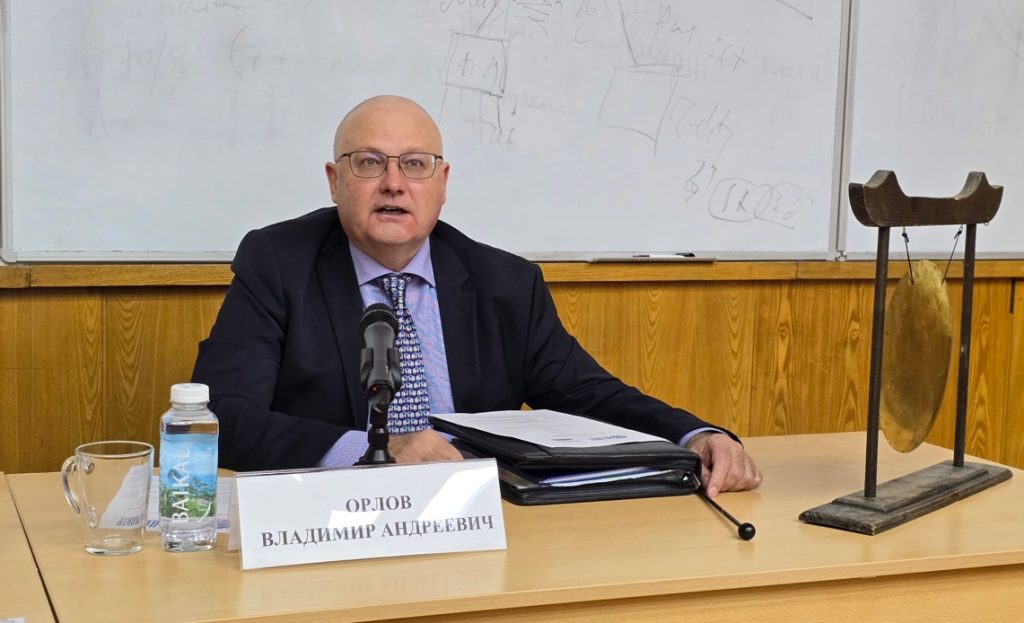
Mr. Herman Selyavin, a second-year student of the MA program “International Security,” inquired about recent media reports on initiatives to potentially integrate the nuclear forces of the United Kingdom and Germany. The student questioned the viability of a “European nuclear shield,” the possible expansion of France’s and the UK’s roles in European nuclear deterrence, and the security risks these projects might introduce to Europe and the broader international community.
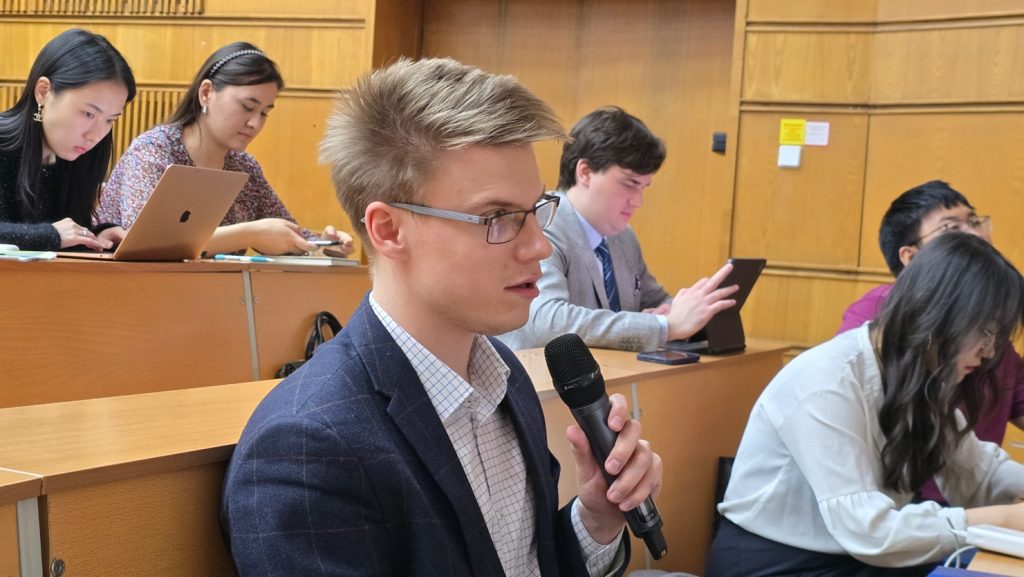
The expert explained that the idea of involving Germany with British or French nuclear forces is not new and was discussed long before the Ukraine conflict, both politically and among experts. Ms. Alexandra Zubenko clarified that the core issue is not giving Germany access to nuclear weapons but rather allowing Germany to financially participate in certain nuclear projects of France or the UK. Paris and London are probably not going to let Germany take part directly in nuclear command and control. However, such initiatives could pose risks, including exposure to sensitive technologies, the expansion of the “nuclear umbrella” concept, and the deployment of dual-capable delivery systems in Germany. Currently, there are no signs that these ideas are near implementation.
Mr. Kirill Prokhorov, a second-year student of the MA program “International Security,” inquired about France and the UK’s positions on China’s expanding nuclear arsenal and their potential role in involving China in a multilateral strategic stability dialogue.
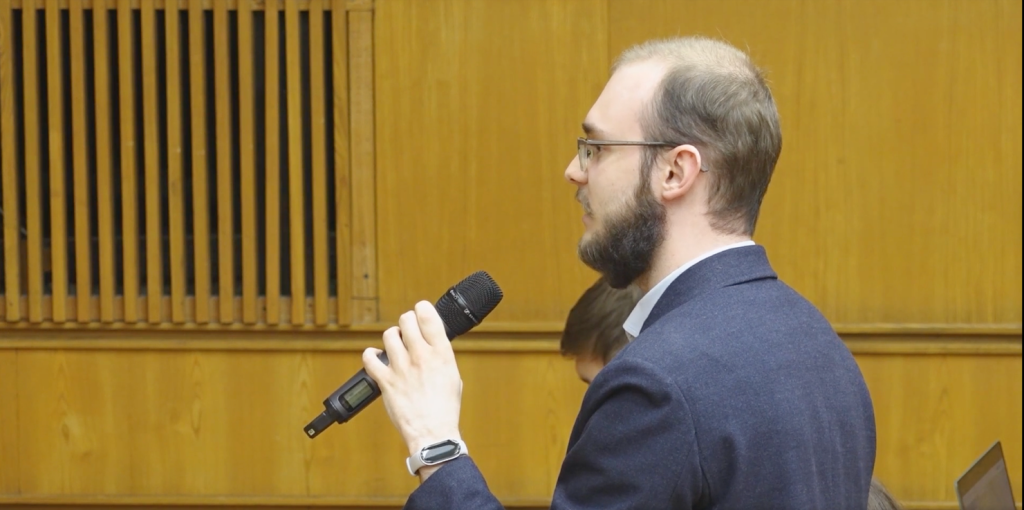
The speaker observed that France and the UK adopt a cautious stance regarding China’s nuclear development, mainly due to the limited transparency of their own nuclear programs. The expert stated that the United States currently leads the efforts to engage China, while Paris and London are not ready to impose strict demands. Vague calls for transparency alone do not motivate China to participate in negotiations; instead, more specific measures, such as agreements on ballistic missile launch notifications and military exercise notifications, could serve as a realistic basis for fostering dialogue on strategic stability.
Mr. Artem Astvatsaturov, a first-year student of the MA program “International Security,” asked about the importance of hypersonic weapons, France’s role in European hypersonic technology initiatives, and the possible transfer of civilian technology to military use.
Ms. Alexandra Zubenko pointed out that a connection between civilian and military hypersonic research indeed exists. She also noted that France already has its own military hypersonic weapons project, in collaboration with other EU countries. The main obstacle to hypersonic weapons development in Europe remains their high cost, as these systems are not meant for mass production and require collective funding. The expert added that even with further advancements, European hypersonic projects are unlikely to match Russian capabilities or pose a significant military threat to Russia.
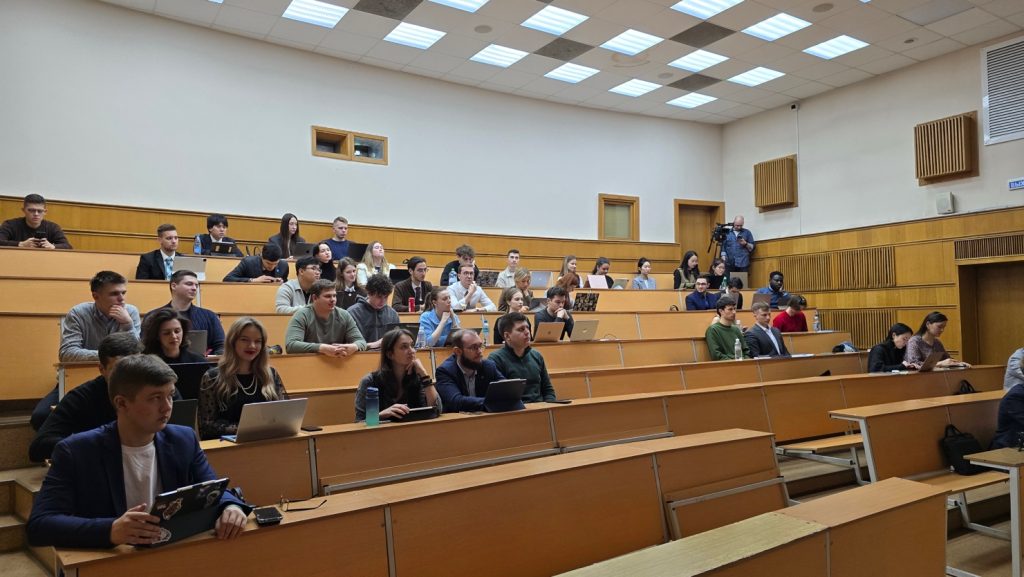
Ms. Daria Morozova, a second-year student of the MA program “International Security,” inquired about the securitization of public and political discourse in Europe and about changes in public attitudes, specifically how much European societies back government security policies and whether pacifist views persist.
The expert noted that modern European societies exhibit a significantly reduced concern about nuclear escalation risks. The fear of nuclear war, which once mobilized public opinion strongly in the 1980s when nuclear issues dominated debates and protests, has diminished. Today, even initiatives involving the deployment of dual-use systems face minimal public resistance, a trend the expert attributes to shifts in media discourse and a decline in active public engagement with nuclear threats.
Mr. Sergey Shashinov, a first-year student of the MA program “International Security,” posed a detailed question about the risks associated with nuclear weapons proliferation and technology in Europe. The student emphasized increased cooperation among certain European countries, particularly France and the UK, and explored potential collaboration formats between the UK and Germany, as well as France and Poland, amidst an increasingly unstable international security environment. While some countries, like Poland, are not yet politically prepared to join nuclear-sharing arrangements, he noted that the theoretical conditions for closer cooperation still exist. Mr. Sergey Shashinov asked the expert to assess the likelihood of further proliferation of nuclear technology across Europe.
The expert responded that such trends are observable in Europe and are mainly fueled by doubts among European nations, including Poland, about the reliability of U.S. nuclear guarantees in a large-scale conflict. The rising cooperation between France and Poland is partly seen as France’s effort to establish itself as an alternative security provider; however, concrete steps toward this are very limited. Despite discussions about deploying French fighter aircraft in Poland and Lithuania, no tangible actions have been taken regarding nuclear warhead deployment or permanent aircraft basing. The expert emphasized that France is unlikely to undertake measures that would significantly increase the risk of direct military conflict with Russia.
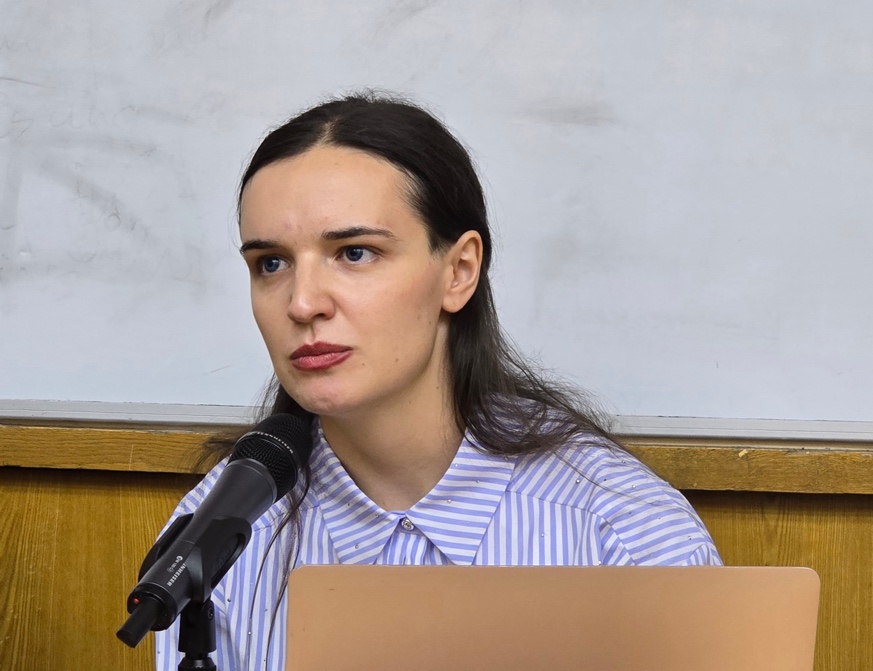
At the same time, concerns are heightened by the proliferation of dual-use systems, as the ambiguity between nuclear and non-nuclear components, along with verification challenges, could elevate the risk of covert proliferation. In conclusion, Ms. Alexandra Zubenko underscored that such discussions are inherently dangerous and require a more cautious, responsible approach from European diplomatic institutions, given their potential strategic consequences.
Keywords: Nuclear Nonproliferation; Strategic Stability
AC
E16/SHAH – 26/01/21
