Africa has become the focus of increased attention from key global and regional players. Competition for resources, political influence, economic cooperation, and military presence reshape the landscape of threats and opportunities facing the region’s countries.
The Sahel is one of the key focal points in this struggle for influence due to its strategic location, abundant natural resources, and significance for regional and international security. Uranium mining has traditionally been one of the region’s main economic drivers, attracting international interest. Niger, one of the world’s leading suppliers of uranium ore, ranks seventh among global uranium producers, accounting for approximately 5% of total production. The region’s high potential for uranium extraction is ensured by large deposits such as Arlit and Imouraren, as well as unexplored reserves, making geological exploration one of the most promising areas of cooperation.
Historically, the uranium industry in the Sahel has been dominated by foreign corporations, particularly the French monopoly Orano. However, with France’s declining political influence, the competitive landscape is shifting, with new players such as the United States and China entering the market. For the Russian nuclear energy sector, the uranium market in the Sahel presents significant opportunities.
Russia’s historically strong relationships with African countries, untainted by a colonial past, give it a unique advantage in expanding its regional presence. This makes Russia a promising partner for the Sahel countries, particularly in uranium mining and nuclear energy development. Russia’s nuclear industry — one of the most advanced in the world — possesses the expertise and technological capabilities necessary to develop uranium resources efficiently. Moreover, Russia’s established political ties with African nations further enhance the potential for cooperation. In particular, its extensive experience in security cooperation with African countries adds trust to its presence in the region.
This project explores the prospects and opportunities for strengthening Russia’s position in the uranium market of the Sahel. The research methodology will include elements of economic and political analysis and open-source research. The objective is to conduct a comprehensive study of the uranium market in the Sahel, examining its economic and competitive landscape and assessing the opportunities, risks, and key factors influencing Russia’s cooperation with regional states in uranium mining and nuclear energy development.
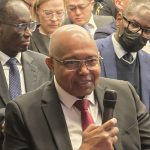
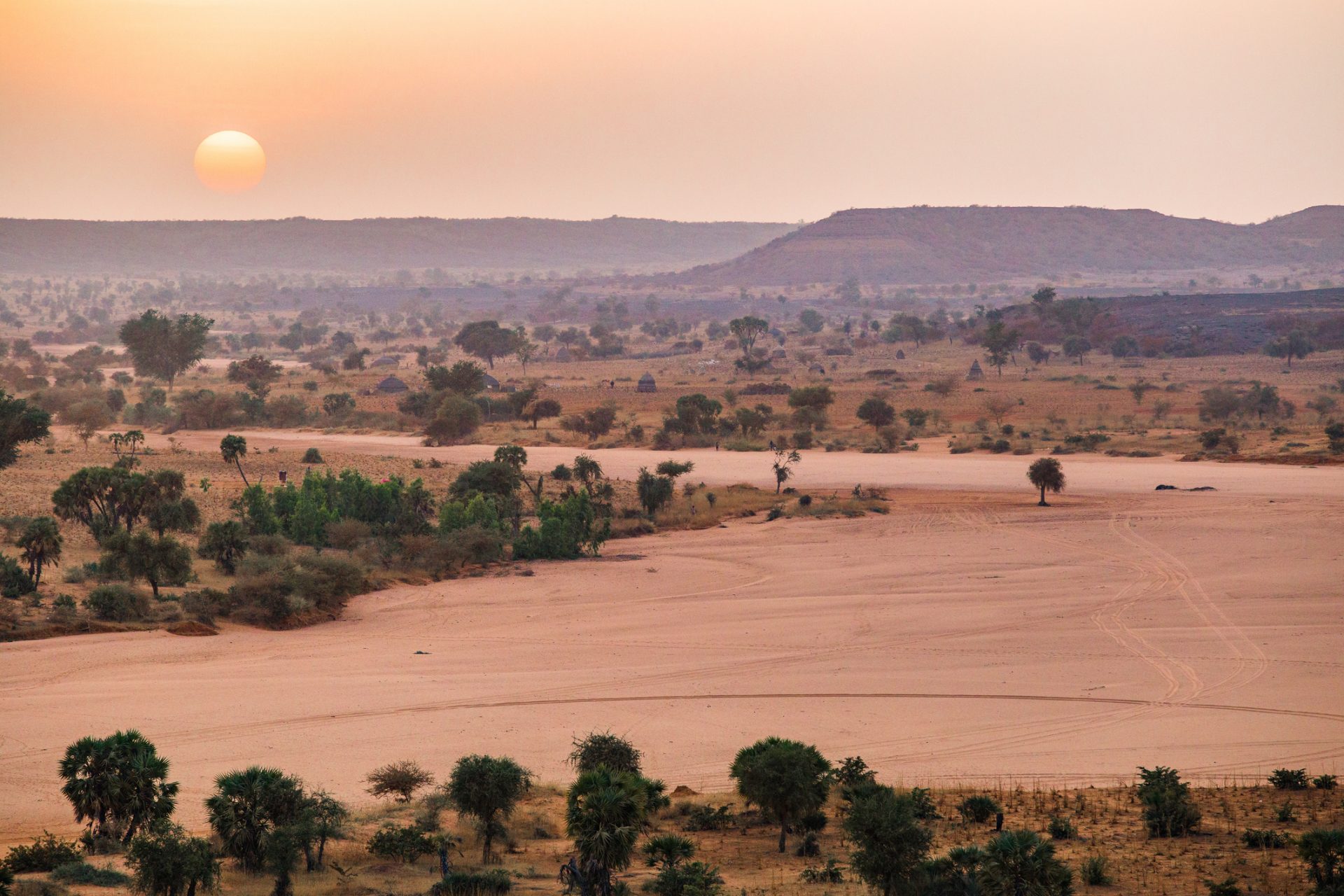
Niger has a 100-year history of exploiting uranium on its soil, and it has been mainly a French company, first Areva, later renamed Orano, that managed this extraction. We have seen the results of this exploration in the images, which show a lot of damage, and the exploitation process was not ecologically sustainable for Niger and its local population. There has been significant contamination of soils, especially in the regions of Akuta and the local populations living in those regions. Petroleum exploration and exports have been vital for Niger, although they are carried out in very modest quantities. Yet even these modest quantities surpass the quantities of uranium exportation. That is why Niger criticizes Orano for its not very fair extraction practices, because the income from petroleum extraction was surpassing the income from uranium extraction. This is why Niger is now developing cooperation with Russia in uranium extraction, especially with Rosatom and its companies. Russia places more emphasis on the country’s sovereignty, which aligns with the current course of the national government. It also places more emphasis on human resources development, national human resources development and on local technological development. The ambassador believes that this could provide very positive, even drastic, changes for Niger’s uranium mining industry. The ambassador also hopes that cooperation between Russia and Niger will expand, especially in such areas as human resources development and technological development. As you might have seen, the areas around the mining sites have been underdeveloped, and he hopes that Russia will step in and that joint projects will include this social and economic component. To make a résumé: the main areas that are interesting for cooperation are human resources development and education, technology development, and also taking care of the local populations living around the mining sites.
H.E. Mr. Issa Abdou Sidikou
Ambassador Extraordinary and Plenipotentiary, Embassy of the Republic of Niger
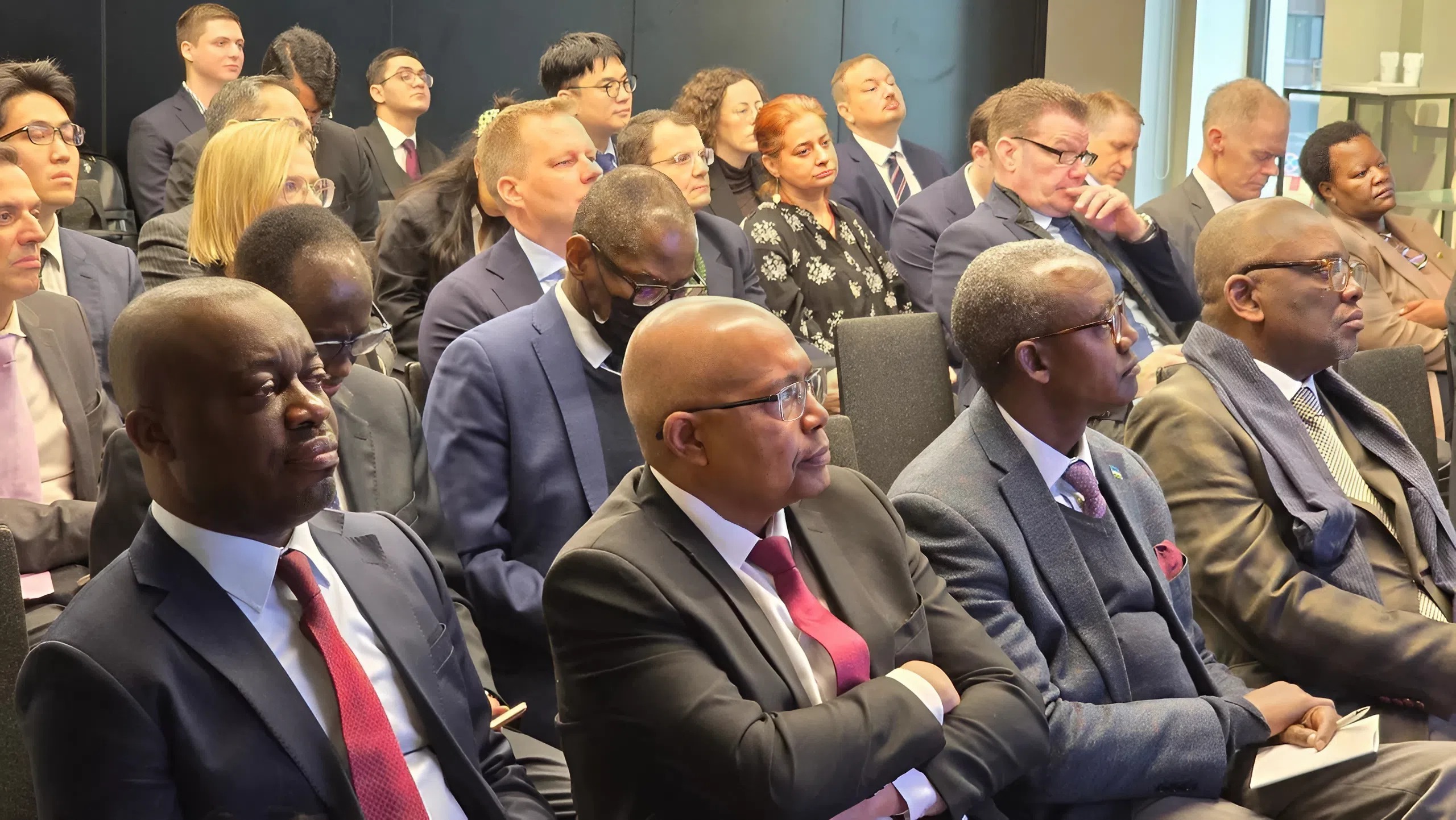
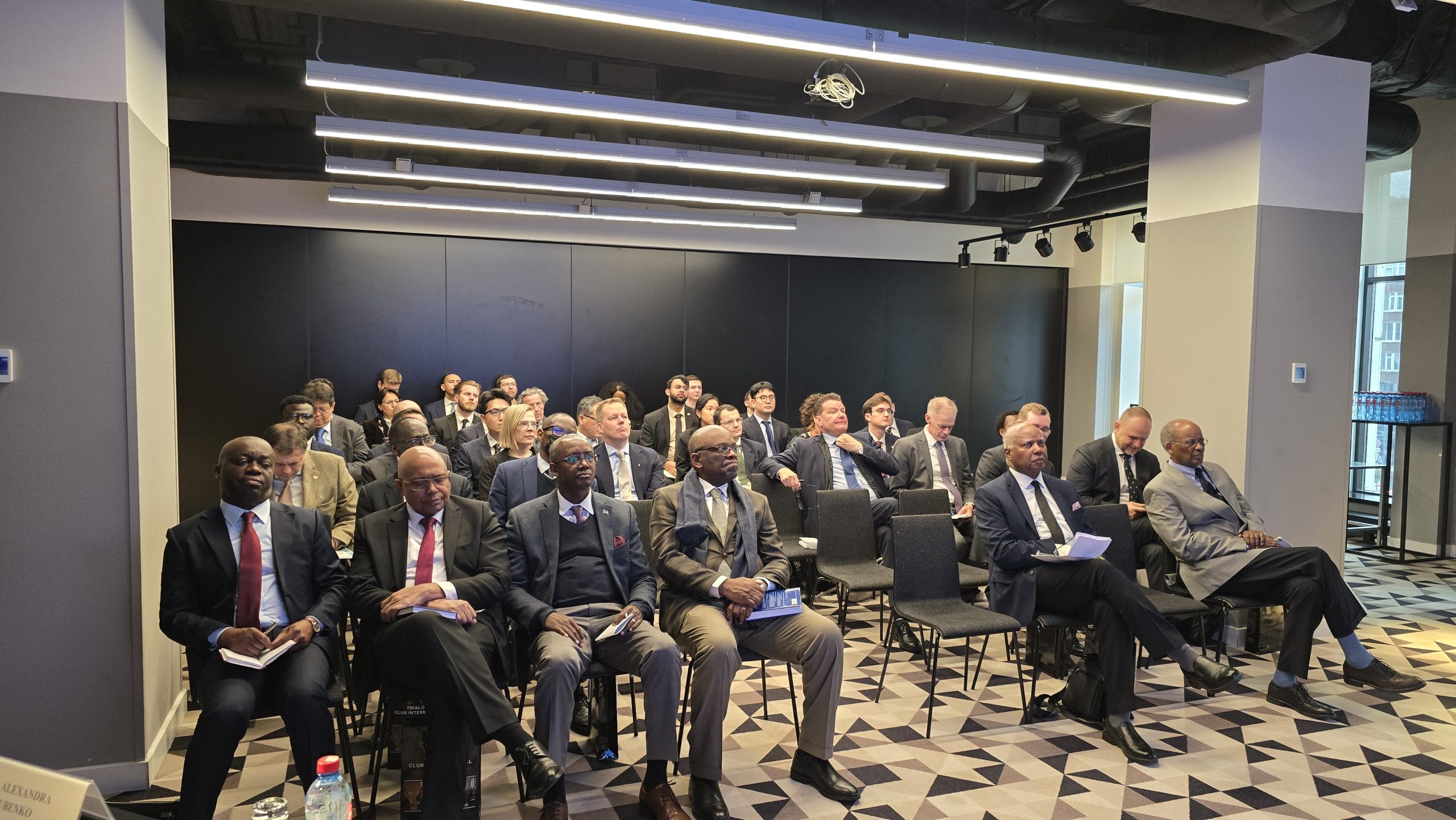
From the speech of H.E. Mr. Issa Abdou Sidikou at the expert seminar on «Russia-Africa: Analyzing Prospects for Strategic Cooperation & Identifying Obstacles. From Uranium to High Technologies», held on November 14, 2025 by PIR Center jointly with the Trialogue Club International (as part of the 128th meeting of the Club). Translated from French by Ms. Alexandra Zubenko, PIR Center consultant.