
№ 13 (57), 2026. Concluding the review of the 11th NPT Review Conference: Blitz Interview with Dmitry Stefanovich by Maksim Nosenko

June 9, 2026
Exclusive Interview


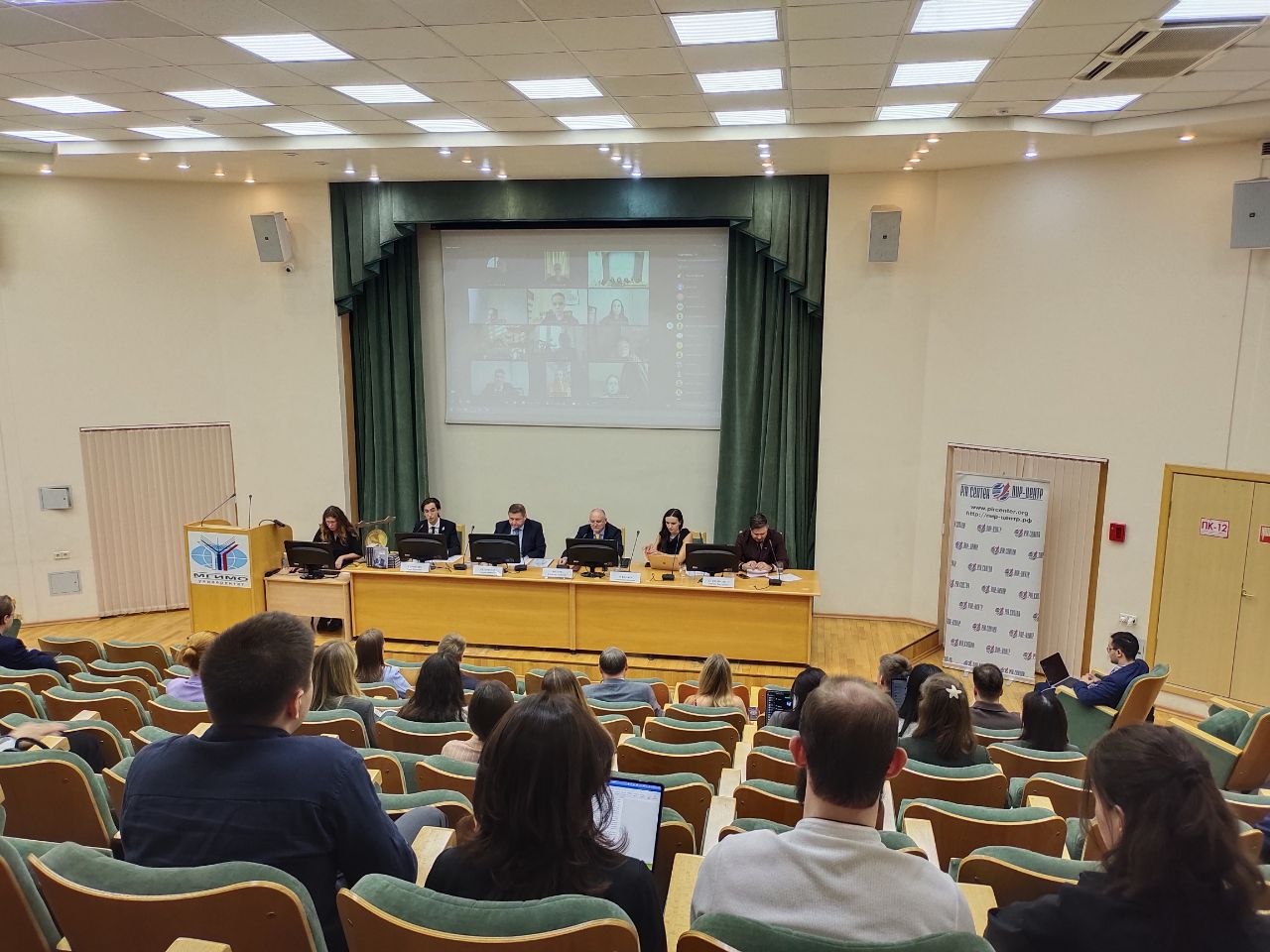
The 11th NPT Review Conference became a pivotal event in the realm of nuclear diplomacy in 2026. A couple of weeks after its conclusion, the contours of the actual outcomes of the New York review process and the framework for assessing its results began to clearly emerge. The key outcomes of the Review Conference and several other dimensions were addressed in a blitz interview with Dmitry Stefanovich, Research Fellow at the Sector of Military Economy and Innovations of the Center for International Security at IMEMO RAS and a member of the PIR Center Advisory Board, conducted on the sidelines of the seminar “Outcomes of the 11th NPT Review Conference: A Meeting with the Head of the Russian Delegation, Ambassador-at-Large Andrey Belousov”.
Blitz Interview was conducted by Maksim Nosenko, Coordinator of Information, Publications & Digital Communications Program.
Maksim Nosenko: Several weeks after the turbulent discussions have concluded, what is the primary outcome of this Review Conference? Indeed, is there one at all
Dmitry Stefanovich: From my perspective, the primary outcome is that no NPT member state has announced an intention to withdraw from this regime or exit the Treaty. This constitutes the main positive takeaway. Expecting the adoption of a joint consensus document was difficult, given the well-known global contradictions both in the nuclear sphere and, more broadly, within international security.
Ultimately, the most critical point is that the NPT remains in force. One could have hoped for some constructive initiatives within the format of the Nuclear Five, but, then again, the contradictions between the Western nuclear trio and the remaining two states are currently so profound that such expectations would look strange, to say the least.
Maksim Nosenko: Speaking of the contradictions within the Western nuclear trio, to what extent were they able to act collectively and advance any specific ideas?
Dmitry Stefanovich: In my view, the contradictions within the Western nuclear trio on nuclear issues are not that significant. Furthermore, even if we examine the efforts to align traditional American extended nuclear deterrence, NATO’s joint nuclear missions, and the French initiatives on forward nuclear deterrence, it is emphasized at all levels that these are complementary formats. In other words, even in such a seemingly potentially contentious narrative, there are effectively no contradictions as such.
Therefore, I believe that their positions on the nuclear issue remain fully aligned. In a different political climate, one might have expected some pressure on the United States regarding the Middle East zone free of weapons of mass destruction or the Iranian issue, but, then again, we are not living in that world right now.
Key words: NPT Review Conference; Nuclear Nonproliferation; International Security
NPT
E16/NOS – 26/06/09
