
CHAPTER 17. QUO VADIS? HOW FAR WILL AUSTRALIA GO ON THE NUCLEAR TRACK?

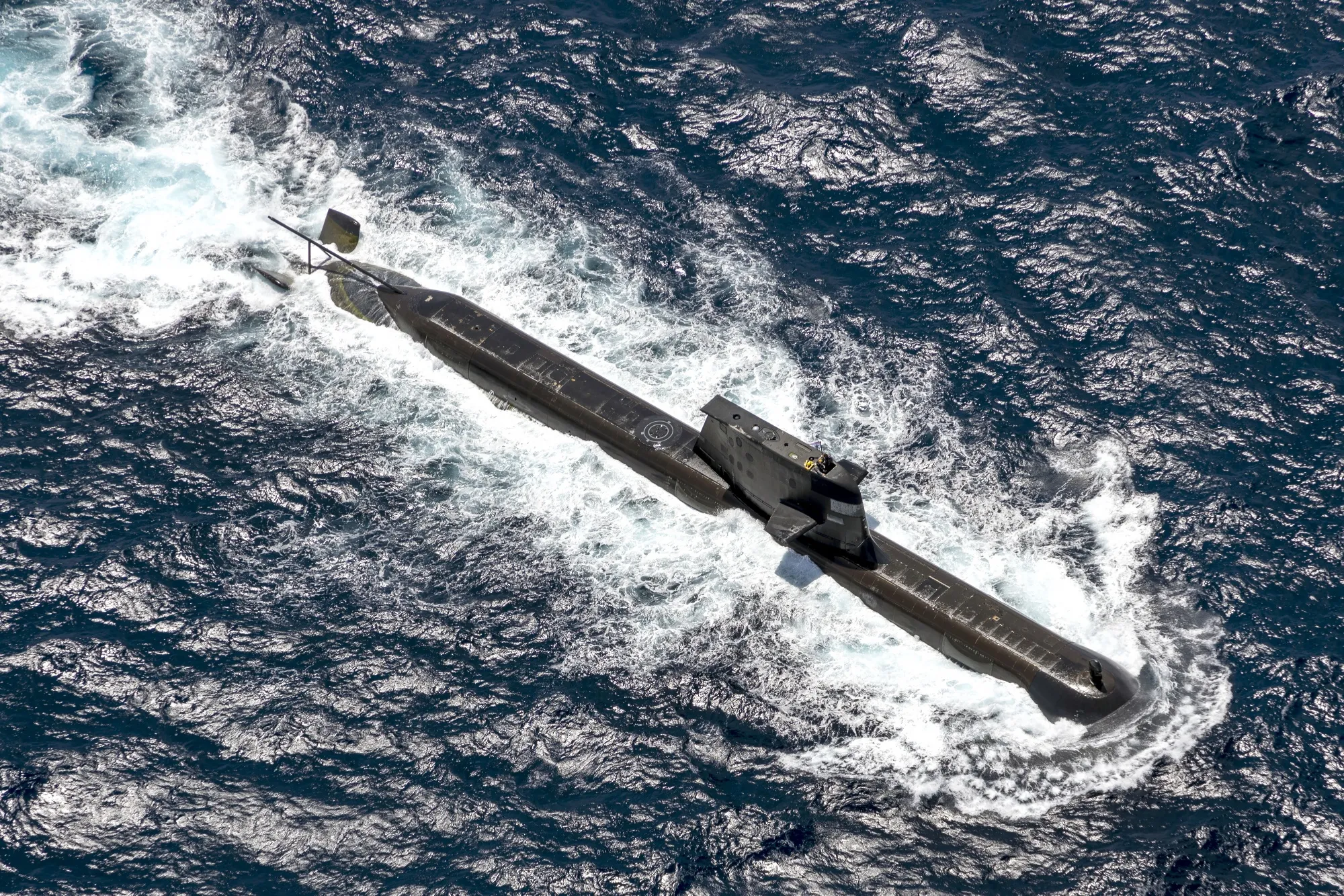
The concept of “nuclear independence” in the Australian context is a multilayered category that doesn’t imply a complete renunciation of alliance obligations, but rather indicates a state’s desire to expand its autonomy in decision-making and the development of key components of its nuclear complex. In the era of the AUKUS alliance, this formulation takes on particular significance, as Australia is gaining access for the first time to naval nuclear energy technologies – an area previously closed to most powers outside the “nuclear club”.
In Australia, “nuclear independence” should be understood as the ability of national institutions and the scientific-industrial complex to ensure sustainable control over the full spectrum of nuclear processes. Of particular importance in this framework is the distinction between the energy and military components. While Australia has traditionally maintained a restrained position in the energy sector, limiting its nuclear technology to research and medical applications, in the military sphere, AUKUS has become a turning point: access to nuclear submarines allows Canberra to claim the special status of a state “technologically close to nuclear powers” (quasi-nuclear state).
It’s important to emphasize that Australia has been a party to the Treaty on the Non-Proliferation of Nuclear Weapons (NPT) since 1973 and officially adheres to the policy that the country “does not have, and will not seek, nuclear weapons”. This is enshrined in both international documents and government policy: the Department of Foreign Affairs and Trade (DFAT) explicitly states that Australia remains committed to the global nonproliferation regime and views the NPT as “the cornerstone of international security”[1].
Therefore, all conclusions in this chapter should be viewed as an assessment of potential and capabilities, not as a prediction of a direct departure from international obligations. The focus is on building autonomy – the ability, if necessary, to deploy certain segments of nuclear infrastructure within national territory and minimize dependence on external partners.
Australia’s Nuclear Ambitions: Historical Context
As early as the mid-20th century, amid the emergence of “peaceful atom” projects and the nuclear arms race between the great powers, Canberra considered the possibility of developing its own nuclear capability. In 1956, Defence Minister Athol Townley explicitly recommended acquiring tactical nuclear weapons to equip Australian bombers, and in 1958, Australian Atomic Energy Commission Chairman Philip Baxter proposed building a reactor to produce weapons-grade plutonium in Mount Isa[2].
The most famous example of early nuclear ambitions was the Jervis Bay Project, initiated by Prime Minister John Gorton in 1969[3]. The project was ultimately abandoned for economic and political reasons: high costs, public opposition, and a change in government put an end to Australia’s first real attempts to acquire the technical capability to create a nuclear weapon. Nevertheless, it was precisely these ambitions that laid the institutional foundation. As early as the 1950s–1980s, scientific personnel were being trained, research facilities were being established (the HIFAR reactor, launched in 1958), and cooperation with the United States and Great Britain in the field of peaceful nuclear energy was being established. In 1987, the Australian Nuclear Science and Technology Organisation (ANSTO) was established, inheriting the competencies of the former Atomic Energy Commission[4].
A major milestone was the construction of the state-of-the-art OPAL research reactor (commissioned in 2007)[5]. OPAL has become the heart of Australian nuclear science, providing radioisotope production, industrial materials, and fundamental research.
Australia became one of the leading uranium exporters, but deliberately chose not to develop a full fuel cycle. This decision left it as a raw materials appendage of the global nuclear market.
Thus, by the 21st century, Australia found itself in a contradictory position: on the one hand, the country possessed a developed research base and colossal natural resources, but on the other, it remained limited in its ability to independently develop nuclear energy and completely excluded military projects.
AUKUS’s Turn: From Ally to “Nuclear Partner”
The situation changed dramatically in 2021 with the signing of the AUKUS agreement between Australia, the United States, and the United Kingdom, under which the “nuclear powers” agreed to transfer naval nuclear power technology to their ally. This decision was not only a symbol of trust in Canberra but also a challenge to the global nonproliferation regime: experts called AUKUS a “dangerous precedent”, as it allows the use of highly enriched uranium in military installations of a non-nuclear state.
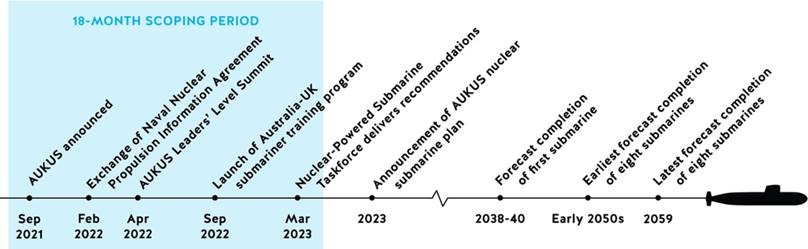
For Australia, AUKUS was a key step toward achieving a new form of “nuclear status” – albeit one unrelated to weapons development. Acquiring nuclear submarines (Virginia-class and SSN-AUKUS) requires a whole chain of competencies: from training engineers and operators to creating a maintenance infrastructure and a national regulatory system. In this sense, AUKUS can be seen as an incentive to develop that very nuclear independence, albeit within an allied framework.
Thus, historical dynamics show that Australia has repeatedly found itself at a crossroads between the military and peaceful uses of nuclear energy. Today, in the era of AUKUS, this crossroads has become relevant again, but in a different form: it’s not about the atomic bomb, but about the state’s ability to independently manage its nuclear scientific and technical base, personnel, and resources, using them for both energy and naval purposes.
Further analysis requires consideration of three key elements – technical, human and scientific resources – on which Australia’s potential future nuclear independence may be built.
Research Infrastructure: From HIFAR to OPAL
The history of Australian nuclear science and technology begins with the HIFAR (High Flux Australian Reactor), commissioned in 1958 in Lucas Heights, a suburb of Sydney. This 10-megawatt heavy-water reactor was built with technical support from the United Kingdom and was the first facility of its kind in Australia[6]. For nearly five decades, HIFAR served as the country’s central research facility: it produced the first radioisotopes for medical use, conducted experiments in materials science and radiation physics, and trained specialists in nuclear operation[7]. However, by the beginning of the 21st century, it no longer met modern safety and efficiency requirements.
The solution was the creation of the OPAL (Open Pool Australian Lightwater Reactor). The contract for its design and construction was awarded to the Argentine company INVAP, which has significant experience in this field[8]. OPAL officially began operations in 2007, becoming Australia’s largest modern research facility. The 20 MW OPAL uses low-enriched uranium fuel (<20% U-235). The choice of such fuel was crucial: Canberra demonstrated its commitment to the Treaty on the Non-Proliferation of Nuclear Weapons (NPT) and ruled out the possibility of military use of the reactor[9]. OPAL operates in 30-35-day cycles with short shutdowns for refueling, providing an average of 300 working days per year. This regime makes it one of the most productive research facilities in the world.
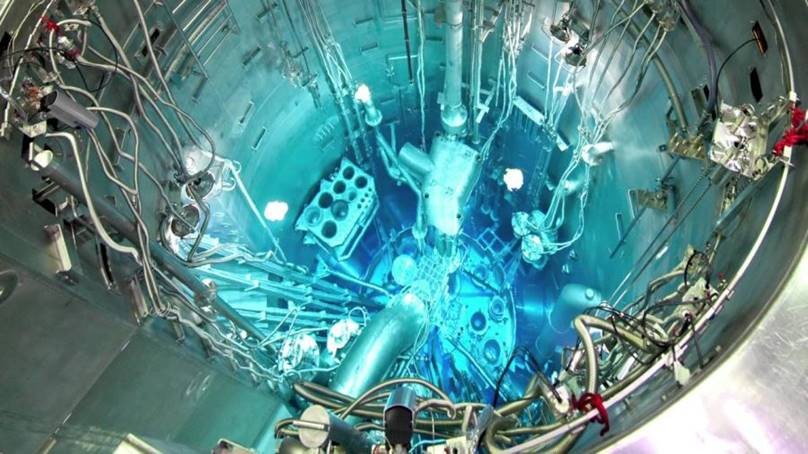
In 2024, the reactor underwent a major upgrade: the First Reactor Protection System (FRPS) and the cold neutron source (CNS) were replaced. These upgrades extended OPAL’s operational life by at least 15 years and expanded the range of research conducted[10].
OPAL is thus not only a scientific facility but also a strategic element of Australia’s infrastructure. It ensures the country’s sustainable presence in nuclear science, supports expertise in reactor operation, nuclear fuel management, and radiation safety, and serves as a practical basis for fulfilling international obligations under IAEA safeguards.
Research Centers and Institutes
In addition to the OPAL research reactor, Australia has a number of research centres under the jurisdiction of the Australian Nuclear Science and Technology Organisation (ANSTO).
The Australian Centre for Neutron Scattering (ACNS) is a leading platform in the Asia-Pacific region for fundamental and applied research using neutron scattering. Neutron beams from the OPAL reactor enable the structure and properties of various materials to be studied at the atomic level. Australian research in neutron scattering is among the leaders in the Asia-Pacific region in terms of citation impact[11].
Another important element of the scientific infrastructure is the Australian Synchrotron, located in Clayton. It is the largest scientific facility of its kind in the Southern Hemisphere. The synchrotron is an electron accelerator that generates bright X-rays, which are used to study the structure of matter. Essentially, the Australian Synchrotron serves as a bridge between fundamental science and applied research, providing Australia with access to world-class technologies[12]. There are no prospects for using this facility for defense purposes.
The third brick of the research potential of Australia is the Centre for Accelerator Science (CAS). The Centre provides access to accelerators used for a wide range of tasks, from studying the structure of materials to applied research in the radiation hardness of electronic components. CAS’s work is particularly important in the defense and space sectors, where radiation testing of materials and electronics is required. The Centre also actively collaborates with universities and international laboratories, facilitating Australia’s integration into the global scientific community.
Together, these three facilities form a nuclear science cluster that supports Australia’s development of civilian science, medicine, and industry, strengthening the country’s economic potential. Furthermore, should policy change, they could be mobilized for defense purposes. Research in materials and radiation resistance, for example, has direct applications in the development of new weapons.
Human Resources and Educational Potential
In recent years, Australia has made targeted investments in the development of educational programs and international cooperation in the field of specialist training.
The University of New South Wales (UNSW, Sydney) is a leading provider of nuclear engineering training. It offers a Master of Engineering Science (Nuclear Engineering) program, which includes courses in reactor physics, nuclear facility design, uranium and thorium fuel cycles, radiation safety, and nuclear materials. UNSW actively collaborates with ANSTO, providing students with the opportunity to participate in hands-on research at the OPAL reactor and other nuclear facilities[13]. The program focuses not only on civilian needs but also on the defense sector, which is particularly relevant in the context of AUKUS.
The Australian National University (ANU, Canberra) is the country’s leading nuclear physics center. It houses the largest national accelerator laboratory used for research in nuclear structure, isotope analytics, and materials science. ANU trains postgraduate and doctoral students in fundamental and applied nuclear science, actively collaborating with international research centers, including the European Organization for Nuclear Research (CERN) and US national laboratories[14].
Since 2024, the University of Melbourne has been implementing a national program to train specialists for nuclear shipbuilding. This initiative has allocated 300 places for students studying in fields related to nuclear installations, materials science, and marine engineering. The first intake took place in 2024, and the program is scheduled to be completed in the 2030s. According to university representatives, this initiative is “unparalleled in the history of Australian education” and is part of a national priority within AUKUS[15].
The University of Sydney, the University of Adelaide, Curtin University, and the University of Queensland are developing related training programs: radiation physics, uranium mining, and nuclear waste management. These programs have practical applications in the resource sector, nuclear medicine, and environmental safety, but if national scientific potential is mobilized, their graduates could also be involved in defense projects.
It’s worth noting that Australia isn’t limiting itself to domestic resources, actively leveraging its allied ties to train specialists. Under the AUKUS program, naval officers undergo training in the United States at Groton Submarine School in Connecticut, where they learn how to operate and maintain nuclear submarines[16]. Meanwhile, engineers complete internships in the UK at Rolls-Royce and BAE Systems[17].
This approach allows Australia to develop a core of specialists capable of operating and maintaining the SSN-AUKUS fleet in the future. These specialists will possess not only technical expertise but also an understanding of international norms, safety standards, and the safeguards system, which is especially important for a country that remains a party to the NPT.
The development of Australia’s national nuclear infrastructure cannot be viewed solely through the lens of government institutions and research centers. The private sector, including companies operating in related fields, is beginning to play a significant role. These entities facilitate investment, stimulate specialist training, and become conduits for dual-use technologies that, under certain conditions, can be used not only in civilian but also in military programs.
As AUKUS is implemented and nuclear submarines are prepared for operation, private sector participation is becoming even more crucial. These companies are the ones who can accelerate the process of technology localization and lay the groundwork for Australia’s future nuclear independence.
Uranium Resources and Fuel Cycle
According to the World Nuclear Association, Australia holds approximately 28% of the world’s proven uranium reserves – the largest share of any country. This makes the country a key player in the global nuclear fuel market and a key supplier of uranium for energy programs in Europe and Asia. In terms of uranium exports, the country consistently ranks among the world’s top three, along with Kazakhstan and Canada[18].
| Name of the mine | Key information |
| Olympic Dam (South Australia) | One of the largest multi-purpose deposits in the world, operated by BHP, it accounts for a significant portion of Australia’s uranium exports and is also a source of strategic metals. |
| Beverley (South Australia) | Deposit developed using in-situ leaching (ISL). |
| Four Mile (South Australia) | Deposit developed using in-situ leaching (ISL). |
| Ranger (Northern Territory) | Historically, one of Australia’s most famous mines, development of which began in the 1980s. For many years, Ranger was the largest exporter of uranium, but production ceased in 2021, and the site is currently undergoing reclamation. |
Despite its abundant resource base, Australia is not developing a full nuclear fuel cycle. The country lacks facilities for converting uranium concentrate into gaseous compounds (UF₆), enriching uranium (increasing the proportion of the U-235 isotope), or reprocessing spent nuclear fuel (SNF).
This is due to current legislative prohibitions. At the federal level, the construction of enrichment and reprocessing facilities is expressly prohibited by the Nuclear Activities Prohibition Act, reflecting Australia’s long-standing anti-nuclear stance. There is also the Nuclear Waste Storage Facility (Prohibition) Act 2000 and other regulations that further enshrine the country’s anti-nuclear stance. These restrictions are explained by both nonproliferation concerns and the political sensitivity of nuclear issues for Australian society[19]. As a result, the country remains a “commodity exporter”: Australia mines uranium and ships it abroad for reprocessing and enrichment, primarily to the United States, Europe, and Asia.
Some researchers note that such dependence cements Australia’s status as an atomic appendage – a state possessing the richest resources, but not controlling the full cycle of their use[20].
To move towards greater autonomy, Australia would have to take several steps:
1. Revise legislation, lifting bans on the construction of enrichment and reprocessing facilities.
2. Create national uranium conversion and enrichment capacity, which would require billions of dollars in investment and years of planning.
3. Ensure political consensus and public support, which is a particularly challenging task given the strong anti-nuclear sentiment in the country.
However, such steps come with enormous costs and could provoke significant resistance both domestically and from the international community, which views Australia as a pillar of nonproliferation.
Australia’s Energy Infrastructure
Australia remains one of the few developed countries without nuclear power plants. Despite possessing the world’s largest uranium reserves, the country has never operated nuclear power plants for civilian purposes[21]. Unlike countries such as France, Japan, and South Korea, Canberra has relied on other generation sources – coal, gas, and, in recent years, renewable energy.
The absence of nuclear power plants is entrenched not only historically but also legally. Federal legislation has established strict barriers to the development of nuclear energy[22], eliminating the possibility of developing nuclear power and the fuel cycle and focusing efforts solely on research reactors (HIFAR, OPAL), medical, and industrial applications.
At the same time, the question of the future of nuclear energy regularly returns to the political agenda. In 2023-2024, the opposition Liberal-National Coalition actively promoted the idea of introducing small modular reactors (SMRs)[23]. It was proposed to use the sites of closed or decommissioned coal-fired power plants. Such an initiative could make use of existing grid infrastructure and human resources, minimizing the costs of creating new energy hubs. However, the Australian government and independent experts were skeptical of these proposals[24].
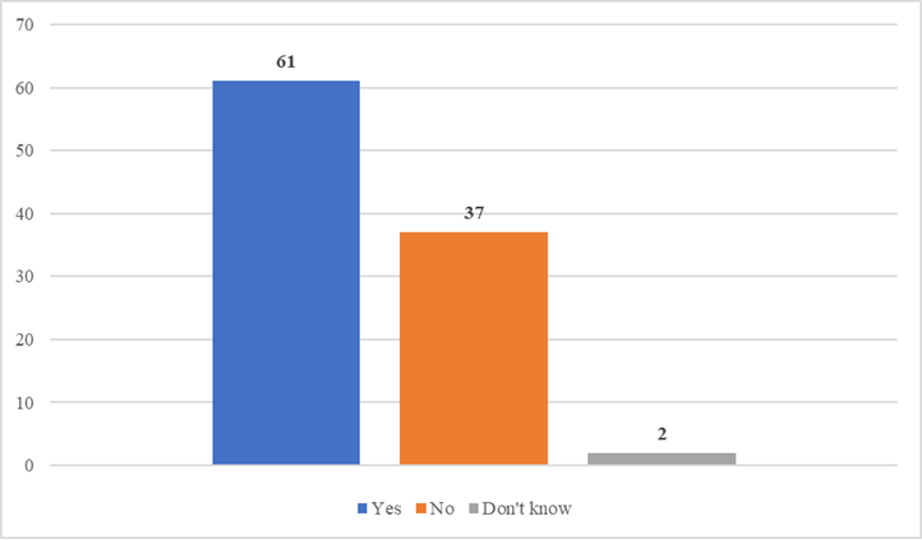
Despite legal and economic restrictions, Australians’ attitudes toward nuclear energy are gradually changing. According to the Lowy Institute Poll (2023), approximately 61% of respondents supported the use of nuclear energy as a source of electricity, while 37% opposed it[25]. This result indicates a significant shift in public opinion toward perceiving nuclear energy as a viable alternative to coal and gas. However, the anti-nuclear movement and environmental organizations continue to exert a strong influence on public debate.
Military Infrastructure of Australia
Unlike the energy sector, where Australia maintains a nuclear vacuum, the military sector is showing a different dynamic. A key turning point was the conclusion of the AUKUS agreement between Australia, the US, and the UK in September 2021. The program will be implemented in two phases:
1. Beginning in the 2030s, Australia will receive several nuclear submarines from the United States to temporarily close a strategic gap in its defense capabilities[26].
2. Construction of the SSN-AUKUS submarines – starting in the 2040s, based on a design by British companies Rolls-Royce and BAE Systems, the submarines will be built at Australian shipyards in Adelaide. The project calls for the construction of up to five such submarines, which will take the Australian Navy to a qualitatively new level[27].
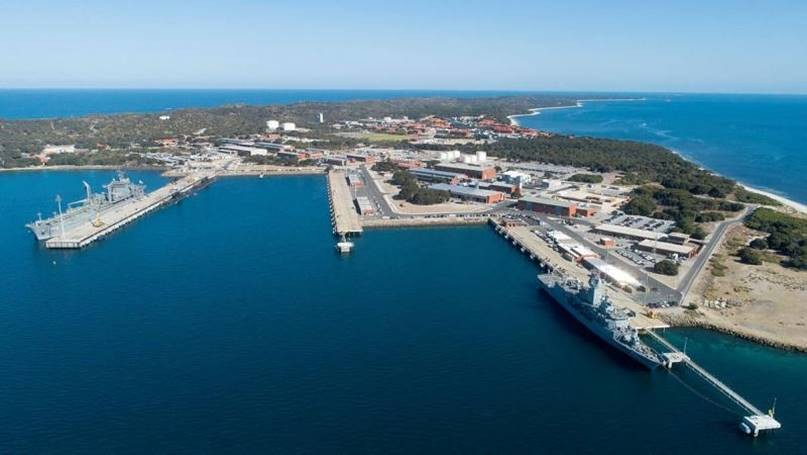
The country is preparing the necessary infrastructure to implement this program. The HMAS Stirling naval base in Western Australia[28] is being expanded to accommodate and service nuclear submarines, new training centers are being established for personnel, and naval officers are already undergoing training in the US and UK, which, as noted above, will help form the “backbone” of the future fleet.
Of particular importance within the AUKUS framework is the development of a unique safeguards mechanism involving the IAEA, which should eliminate the risk of submarine nuclear fuel being used to create nuclear weapons. This will likely be the first time in history that the IAEA is developing a verification regime for nuclear power plants in a non-nuclear state.
Delivery Vehicles
Australia’s interest in delivery systems potentially suitable for nuclear weapons dates back to the 1950s and 1970s. As early as 1956, Defence Minister Athol Townley recommended acquiring tactical nuclear weapons to equip Canberra bombers and Sabre fighters[29]. In subsequent years, projects to develop indigenous ballistic missiles in cooperation with the UK were considered[30], as was participation in the testing program at the Woomera range in South Australia.
The aforementioned Jervis Bay Project (1969) also envisioned the possibility of using the resulting plutonium to create nuclear weapons that could be deployed on aircraft platforms. Although this scenario never materialized, it demonstrates that, even half a century ago, delivery systems were considered a key element of the country’s potential “threshold status”.
Submarines. Nuclear submarines have virtually unlimited range and are capable of operating covertly in remote areas. Equipped with vertical launch tubes, they will be armed with Tomahawk cruise missiles and other strike systems, forming the basis of the sea-based component of strategic deterrence[31]. Although Australia has no official plans to deploy nuclear warheads, the technical compatibility of these systems leaves this a possibility in the future.
Aircrafts. Australia operates 72 F-35A Lightning II fighters, already certified by NATO countries for the delivery of tactical nuclear bombs[32]. Australia does not officially utilize this capability, but the mere presence of such platforms ensures technological compatibility with allied standards. The fleet is complemented by F/A-18F Super Hornet multirole fighter-bombers[33] and EA-18G Growler electronic warfare aircraft[34], expanding the range of long-range and electronic warfare capabilities.
Missiles. In 2023, Australia signed a contract with the United States for the delivery of over 200 Tomahawk cruise missiles, becoming the first country outside NATO to receive these weapons[35]. In December 2024, the Navy conducted its first successful launch from the destroyer HMAS Brisbane, becoming the third country after the United States and Great Britain to do so[36]. As part of the Southern Cross Integrated Flight Research Experiment (SCIFiRE) program, Australia and the United States are jointly developing hypersonic missiles capable of penetrating modern air and missile defense systems[37]. As part of the Guided Weapons and Explosive Ordnance Enterprise (GWEO) initiative, the country is building capacity to localize the production of precision-guided munitions, reducing dependence on imports[38]. Additionally, American HIMARS systems are being purchased, strengthening the land segment and enabling long-range strikes[39]. The combination of these projects forms the basis for the creation of a powerful arsenal of long-range weapons, potentially compatible with nuclear warheads.
Launch vehicles deserve special mention. The company Gilmour Space Technologies is developing the Eris series of launch vehicles, capable of launching up to 300 kg of payload into low orbit. While these projects are currently commercial in nature, the availability of rocket infrastructure and expertise opens up possibilities for future military applications[40]. Former Prime Minister Scott Morrison even proposed considering the space segment as strategic and as a complement to the “third pillar” of AUKUS[41].
In terms of its delivery capabilities, Australia is approaching the status of a “threshold state”. Its alliance with the United States ensures access to modern weapons systems, while political commitments limit their nuclear use. In other words, even without developing its own nuclear warheads, Australia has an infrastructure fully compatible with them, and if policy changes, it is capable of quickly integrating a nuclear component into its armed forces.
Legal and Political Restrictions
Canberra remains a vocal supporter of the nonproliferation regime, actively participating in the IAEA and reaffirming its commitment to the Treaty on the Non-Proliferation of Nuclear Weapons (NPT). An examination of legal and political constraints is necessary to understand how far Australia can go in realizing its ambitions of nuclear independence and where the boundaries of what is acceptable lie. Crucially, Australia has voluntarily accepted obligations that go beyond the basic requirements of the NPT, legally enshrining its status as a non-nuclear state, which limits the development of sensitive technologies, even in the energy sector.
The legal aspect has acquired particular significance in the context of the AUKUS agreement. The transfer of nuclear propulsion technology for Australia’s submarines has sparked heated debate in the expert community, as it involves the supply of highly enriched nuclear fuel, which has the potential to be used for weapons purposes.
To avoid undermining the nonproliferation regime, Australia, the United States, the United Kingdom, and the IAEA have begun developing a unique safeguards system designed to ensure the impossibility of diverting fuel from submarine reactors. Thus, the country’s legal framework remains closely linked to international obligations and may soon be further institutionalized in the form of “maritime safeguards”[42].
At the same time, the government is discussing the possibility of Australia joining the Treaty on the Prohibition of Nuclear Weapons (TPNW). Foreign Minister Penny Wong stated in 2023 that this option was being considered as part of national nonproliferation policy. However, there is no consensus within the government: supporters of the alliance with the US fear that joining the TPNW would conflict with Australia’s commitments under the nuclear umbrella and AUKUS. Therefore, the prospect of signing the treaty remains uncertain and largely depends on the balance of power within the political elite[43].
Potential changes to international agreements are primarily related to AUKUS. If a safeguards mechanism for nuclear propulsion is agreed upon with the IAEA, this would set a new precedent in international law and potentially alter the balance of obligations for other countries seeking nuclear submarines. In this case, Australia would become a testing ground for the development of a new standard combining the right to develop military nuclear energy with the strict requirements of the nonproliferation regime.
Economic and Technological Barriers
Despite Australia’s unique position for developing its own nuclear program – a rich uranium resource base, a well-developed research infrastructure, and growing public support for the idea of peaceful nuclear energy – its path to nuclear independence remains extremely challenging. The main obstacles are not so much technical or personnel-related, but economic and technological.
First and foremost, we’re talking about the colossal financial burden that inevitably accompanies the creation of a national nuclear program. Given Australia’s active investment in renewable energy, the construction of nuclear power plants seems unjustified.
Military costs are no less significant. The AUKUS nuclear submarine program is estimated to cost 368 billion AUD over 30 years, making it the most expensive defense project in Australian history[44]. These costs include not only the procurement and construction of the submarines but also the creation of associated infrastructure – the HMAS Stirling base, training centers, maintenance systems, and logistics. Furthermore, operating nuclear submarines requires ongoing investments in highly qualified personnel, radiation safety, and the future disposal of spent fuel.
The second fundamental obstacle is dependence on foreign technology. Australia, despite possessing the world’s largest uranium reserves, lacks its own enrichment and reprocessing facilities. Federal legislation explicitly prohibits the construction of such facilities, forcing the country to rely entirely on technology and services from partners. In the energy sector, this makes Australia a “raw materials appendage” of the global nuclear market, and in the military sector, a “junior partner” in an alliance with the US and UK. For example, the reactor units for the SSN-AUKUS submarines will be manufactured by the British company Rolls-Royce, and the nuclear fuel will be supplied ready-to-use, with no right to reprocessing or local production.
Thus, economic and technological constraints create a kind of capacity ceiling for Australia. Even with the political will, the country is unlikely to achieve full nuclear autonomy in the coming decades. It will remain in an intermediate position: on the one hand, it possesses powerful raw material and scientific potential, on the other, it is strategically dependent on its allies and lacks the economic viability for large-scale national programs.
Public opinion is an additional factor. Despite the gradual softening of anti-nuclear sentiment, nuclear energy remains controversial, while solar and wind power enjoy the support of the majority of Australians. This creates the risk of political costs for parties supporting nuclear initiatives.
Dependence on Technologies and Resources of Partners
Despite Australia possessing the world’s largest proven uranium reserves, as noted above – approximately 28% of global resources – it lacks a fully functional nuclear fuel cycle. All stages after uranium ore mining, including conversion, enrichment, fuel fabrication, and spent nuclear fuel (SNF) reprocessing and storage, are absent from the country. Federal legislation explicitly prohibits the construction of such facilities.
This means that Australia effectively plays the role of a “commodity exporter”: production is conducted at the country’s largest mines. All extracted ore is exported, and the country itself is entirely dependent on foreign companies and technologies for the conversion and enrichment stages. To launch a full-fledged energy or military program, Australia would have to face two scenarios: either develop its own enrichment and reprocessing facilities – which would require legislative revisions, billions in investment, and decades of construction and licensing – or remain dependent on foreign suppliers – the United States, France, Great Britain, or Japan – which would make the national nuclear program vulnerable to foreign policy considerations. Both scenarios are fraught with serious difficulties: the first due to domestic political and economic barriers, the second due to continued strategic vulnerability.
The AUKUS nuclear submarine program clearly demonstrates Australia’s technological dependence. The reactors for the future AUKUS SSNs will be entirely developed and supplied by the British company Rolls-Royce, while some key weapons and control systems will be supplied by American contractors. Crucially, Australia will not have the right to produce or reprocess the nuclear fuel for these reactors. By agreement with its partners, it will be supplied ready-to-use, hermetically sealed in reactor units that are not designed to be opened or refuelled during the submarine’s service life. Thus, Australia will be able to operate the submarines, but will not have control over their entire nuclear supply chain. This decision was made to minimize proliferation risks, but it also highlights the limitations of Australia’s autonomy: even with a nuclear fleet, the country effectively remains a “client” of its allies, deprived of access to the most sensitive technologies.
The Australian defense industry is rapidly developing, but its capabilities in nuclear technology remain limited. Even projects like GWEO involve significant reliance on the US: localization only affects certain assembly stages, while critical components continue to be imported. A similar situation is observed in the SCIFiRE (Southern Cross Integrated Flight Research Experiment) program, an Australian-American project to develop hypersonic missiles. Despite the participation of Australian research centers (University of Queensland, DSTG), the leading role belongs to US companies, which control the core technologies. Australia gains experience and access to joint developments, but not to key, sensitive know-how.
In other words, in the military sphere, the country retains the status of a “junior partner”, receiving technology in exchange for political and military loyalty. The comparative experience of other states confirms this picture: even developed countries like Japan and South Korea, with their powerful scientific and industrial bases, remain dependent on the United States in the nuclear sphere. Canada, with its own CANDU reactor and advanced nuclear energy, is also fully integrated into the Western cooperation system. Australia, in this context, appears even more vulnerable: it has neither a nuclear power plant nor its own fuel cycle, and its dependence on its partners is not only technological but also institutional – enshrined in national legislation and international agreements.
Thus, economic and technological barriers combined seriously limit Australia’s prospects for nuclear independence. Even with its abundant resource base and research potential, the country remains deeply dependent on the United States and the United Kingdom. The lack of its own fuel cycle prevents the country from closing the nuclear supply chain within its territory. The AUKUS program perpetuates dependence on allies for key issues – from reactor supplies to fuel supplies. The limitations of the national military-industrial complex make the country incapable of independently reproducing critical technologies.
As a result, Australia remains a “nuclear-dependent power”: its independence is limited by its allied obligations and access to foreign technology. Only through a major legislative overhaul, multibillion-dollar investments, and political will could the country become a fully autonomous player in the nuclear sphere. However,this scenario appears unlikely in the foreseeable future.
[1] Khlopkov A. Australia’s military nuclear program // PIR Center. August 8, 2022. URL: https://pircenter.org/2022/08/08/voennaja-jadernaja-programma-avstralii/ (in Russ).
[2] Walsh J. Surprise Down Under: The Secret History of Australia’s Nuclear Ambitions // The Nonproliferation Review, 1997. Vol. 4, No. 1.
[3] Clarke M. Thinking the unthinkable again // The Interpreter. Lowy Institute, 2024. URL: https://www.lowyinstitute.org/the-interpreter/thinking-unthinkable-again
[4] Australian Nuclear Science and Technology Organisation (ANSTO). History, 2005.
URL: https://web.archive.org/web/20050614074630/http://www.ansto.gov.au/ansto/history.html
[5] Australia’s OPAL research reactor officially opens // AtomInfo.Ru, April 23, 2007.
URL: http://www.atominfo.ru/news/air1293.htm (in Russ).
[6] World Nuclear Association. Australian Research Reactors // World Nuclear Association Information Library, 2017. URL: https://world-nuclear.org/information-library/appendices/australian-research-reactors
[7] Engineers Australia. High Flux Australian Reactor (HIFAR) // Engineers Australia Heritage Recognition Program, 2023. URL: https://heritage.engineersaustralia.org.au/wiki/Place:High_Flux_Australian_Reactor
[8] INVAP S.E. OPAL in Australia // INVAP Official Website. URL: https://www.invap.com.ar/en/divisions/nuclear/opal-in-australia
[9] World Nuclear Association. Australian Research Reactors // World Nuclear Association Information Library, 2017. URL: https://world-nuclear.org/information-library/appendices/australian-research-reactors
[10] Australian Nuclear Science and Technology Organisation (ANSTO). OPAL Multipurpose Reactor // ANSTO Official Website, 2025. URL: https://www.ansto.gov.au/facilities/opal-multi-purpose-reactor
[11] Australian Nuclear Science and Technology Organisation (ANSTO). Australian Centre for Neutron Scattering // ANSTO Official Website, 2025. URL: https://www.ansto.gov.au/facilities/australian-centre-for-neutron-scattering
[12] Ibid.
[13] University of New South Wales (UNSW). Master of Engineering Science (Nuclear Engineering) // UNSW Sydney Official Website. URL: https://www.unsw.edu.au/study/postgraduate/master-of-engineering-science-nuclear-engineering
[14] Australian National University (ANU). Department of Nuclear Physics and Accelerator Applications // ANU Research School of Physics. URL: https://physics.anu.edu.au/research/npaa/
[15] University of Melbourne welcomes student places to support nuclear-powered submarines student pathways // University of Melbourne Newsroom, 2023. URL: https://www.unimelb.edu.au/newsroom/news/2023/november/university-of-melbourne-welcomes-student-places-to-support-nuclear-powered-submarines-student-pathways
[16] Australian Submarine Agency. Royal Australian Navy Sailors graduate Submarine Officer Basic Course: next step, assignment to U.S. Virginia class submarines // Australian Submarine Agency News. April 22, 2024. URL: https://www.asa.gov.au/news/all-news/2024-04-22/royal-australian-navy-sailors-graduate-submarine-officer-basic-course-next-step-assignment-us-virginia-class-submarines
[17] BAE Systems Australia. Earning and learning with BAE Systems Australia // BAE Systems Australia Story. URL: https://www.baesystems.com/en/story/earning-and-learning-with-bae-systems-australia
[18] Investing News. Top Uranium Reserves by Country // Investing News, 2025. URL: https://investingnews.com/top-uranium-reserves-by-country/
[19] Parliamentary Library of Australia. Nuclear activities prohibitions in Australia // Parliament of Australia, 2024. URL: https://www.aph.gov.au/About_Parliament/Parliamentary_departments/Parliamentary_Library/Research/Quick_Guides/2023-24/NuclearActivitiesProhibitions
[20] Clarke M, Frühling S, O’Neil A. Australia’s Nuclear Policy: Reconciling Strategic, Economic and Normative Interests // Routledge, 2016.
[21] The Jervis Bay Project, initiated in 1969, was considered by Australian authorities, among other things, as a potential source for producing weapons-grade plutonium. However, due to high costs and growing anti-nuclear sentiment in the country, the project was abandoned.
[22] This refers primarily to the Environment Protection and Biodiversity Conservation Act (1999) and Australian Radiation Protection and Nuclear Safety Act (1998).
[23] Hurst D. Peter Dutton ramps up nuclear power push and claims Labor down “renewable rabbit hole” // The Guardian, 2023. URL: https://www.theguardian.com/australia-news/2023/jul/07/peter-dutton-ramps-up-nuclear-power-push-and-claims-labor-down-renewable-rabbit-hole
[24] Turnbull M. The Coalition’s nuclear power plan offers the worst of all energy worlds: higher emissions and higher electricity costs // The Guardian, 19 June 2024. URL: https://www.theguardian.com/commentisfree/article/2024/jun/19/the-coalitions-nuclear-power-plan-offers-the-worst-of-all-energy-worlds-higher-emissions-and-higher-electricity-costs
[25] Lowy Institute. Do you support or oppose Australia using nuclear power to generate electricity, alongside with other sources of energy? Lowy Institute Poll – Climate Change and Energy, 2024. URL: https://poll.lowyinstitute.org/charts/australia-using-nuclear-power-to-generate-energy
[26] Mills C. AUKUS submarine (SSN-A) programme: Research Briefing // House of Commons Library, 2024. URL: https://securityanddefenceplus.plusalliance.org/wp-content/uploads/2024/05/AUKUS-Submarine-SSN-A-Programme-Research-Briefing-–-House-of-Commons-Library.pdf
[27] BAE Systems; ASC Pty Ltd. Australia selects BAE Systems and ASC to build sovereign nuclear-powered submarines // BAE Systems News, 2024. URL: https://www.baesystems.com/en-us/article/australia-selects-bae-systems-and-asc-to-build-sovereign-nuclear-powered-submarines; SSN-AUKUS class nuclear attack submarines (UK & Australia) // Naval Technology, 2024. URL: https://www.naval-technology.com/projects/ssn-aukus-class-nuclear-attack-submarines-uk/
[28] Nicholson B. Subs will be bigger, better and faster // The Australian, 2024. URL: https://www.theaustralian.com.au/special-reports/subs-will-be-bigger-better-and-faster/news-story/96c7ae4e053e73debe3cc24c8479642f
[29] Walsh J. Surprise Down Under: The Secret History of Australia’s Nuclear Ambitions // The Nonproliferation Review. 1997. Vol. 4, No. 1. P. 16.
[30] Broinowski R. Australian Nuclear Weapons: The Story So Far // Nautilus Institute, Austral Policy Forum, 2006.
[31] Australian Government, Department of Defence. Tomahawk missile a game changer for Navy // Defence.gov.au, 2024. URL: https://www.defence.gov.au/news-events/news/2024-12-11/tomahawk-missile-game-changer-navy
[32] Royal Australian Air Force. F-35A Lightning II // Airforce.gov.au, 2025.
URL: https://www.airforce.gov.au/aircraft/f-35a-lightning-ii
[33] Royal Australian Air Force. F/A-18F Super Hornet // Airforce.gov.au, 2025. URL:https://www.airforce.gov.au/aircraft/18f-super-hornet
[34] Royal Australian Air Force. EA-18G Growler // Airforce.gov.au, 2025. URL: https://www.airforce.gov.au/aircraft/ea-18g-growler
[35] Remeikis A. Australia to buy Tomahawk cruise missiles in $1.7bn spend on long-range defence capability // The Guardian, 2023. URL: https://www.theguardian.com/australia-news/2023/aug/21/australia-to-buy-tomahawk-cruise-missiles-in-17bn-spend-on-long-range-defence-capability
[36] Australian Government, Department of Defence. Tomahawk missile a game changer for Navy // Defence.gov.au, 2024. URL: https://www.defence.gov.au/news-events/news/2024-12-11/tomahawk-missile-game-changer-navy
[37] U.S. Department of Defense. Department of Defense Announces New Allied Prototyping Initiative Effort With Australia to Continue Partnership in Developing Air Breathing Hypersonic Vehicles // Defense.gov, 2020. URL: https://www.defense.gov/News/Releases/Release/Article/2429061/department-of-defense-announces-new-allied-prototyping-initiative-effort-with-a/
[38] Lockheed Martin Australia. Guided Weapons and Explosive Ordnance Enterprise (GWEO) // Lockheed Martin Australia, 2023. URL: https://www.lockheedmartin.com/en-au/features/australian-guided-weapons-and-explosive-ordnance-enterprise.html; Australian Government, Department of Defence. Guided Weapons and Explosive Ordnance Enterprise (GWEO) launches consolidation and domestic production programs // Defence.gov.au, 2023. URL: https://www.defence.gov.au/business-industry/industry-capability-programs/guided-weapons-explosive-ordnance-enterprise
[39] Defense Security Cooperation Agency. Australia – HIMARS Launchers, News Release Transmittal No. 22-28 // DSCA, 26.05.2022.
[40] First Australian-made rocket crashes after 14 seconds of flight in a failed attempt to reach orbit // AP News, 2025. URL: https://apnews.com/article/5df36f956621db85c360157400b88c09
[41] Scott Morrison. Address, Australian Space Summit // ScottMorrison.com.au, 27.05.2025. URL: https://www.scottmorrison.com.au/speeches/aus-space-25
[42] International Atomic Energy Agency. Report by the Director General on Naval Nuclear Propulsion: Australia (GOV/INF/2024/12) // IAEA, 15 November 2024. URL:https://www.iaea.org/sites/default/files/24/11/govinf2024-12.pdf
[43] International Campaign to Abolish Nuclear Weapons (ICAN). Australia hasn’t joined the TPNW yet, but the government is “considering the TPNW systematically and methodically…” // ICAN, 2025. URL: https://www.icanw.org/australia
[44] AUKUS will cost Australia $368 bn // The Guardian, 2025. URL: https://www.theguardian.com/world/2025/jun/15/aukus-will-cost-australia-368bn-what-if-there-was-a-better-cheaper-defence-strategy
