MainNew Technologies and Open-Source Intelligence (OSINT): Assessing Nuclear Proliferation Threats
New Technologies and Open-Source Intelligence (OSINT): Assessing Nuclear Proliferation Threats
PROJECT GOAL AND OBJECTIVES
Against the backdrop of the transformation of the international security architecture, the rapid advancement of military technologies, and growing risks of nuclear weapons proliferation, the ability to identify, analyze, and anticipate military and political threats in a timely manner, based on reliable and verifiable information, is becoming increasingly important. The growing availability of satellite imagery, geospatial data, digital databases, and advanced information-processing tools creates new opportunities for independent expert assessments of developments that have traditionally been characterized by a high degree of secrecy.
The goal of PIR Center’s project, is to develop a comprehensive research methodology that integrates modern digital technologies, open-source intelligence (OSINT), and expert analysis to identify, assess, and forecast risks related to nuclear nonproliferation, arms control, and international security.
The project seeks to establish a sustainable methodological and technological foundation for independent research, enhance the quality and evidentiary basis of expert assessments, and develop new competencies among Russian specialists working in the field of international security.
The project’s key strategic objectives are:
Developing advanced methods for assessing military and political risks. Improving approaches to monitoring national nuclear and missile programs, assessing states’ military and technological capabilities, identifying indicators of the development of proliferation-sensitive technologies, and evaluating potential nuclear proliferation scenarios.
Integrating digital technologies into international security research. Systematically employing satellite imagery and geospatial intelligence (GEOINT), photo and video analysis, government registries, corporate reporting, digital archives, and specialized databases. Developing tools to automate the collection, organization, and processing of information.
Enhancing the reliability and analytical value of research. Developing and refining procedures for information verification, cross-referencing independent sources, identifying information manipulation, and assessing the reliability of collected data. Establishing reproducible analytical approaches that enable expert assessments to be substantiated by verifiable evidence.
Using OSINT methodologies to identify long-term trends, potential drivers of escalation, and emerging threats to the nuclear nonproliferation regime. Establishing an analytical foundation for scenario-based forecasting and the development of practical recommendations for the expert community and policymakers.
Building national expertise in open-source intelligence. Training a new generation of Russian specialists proficient in modern digital tools for international security research and promoting the wider adoption of OSINT methodologies within Russia’s academic and expert communities.
EDUCATIONAL AND APPLIED COMPONENTS
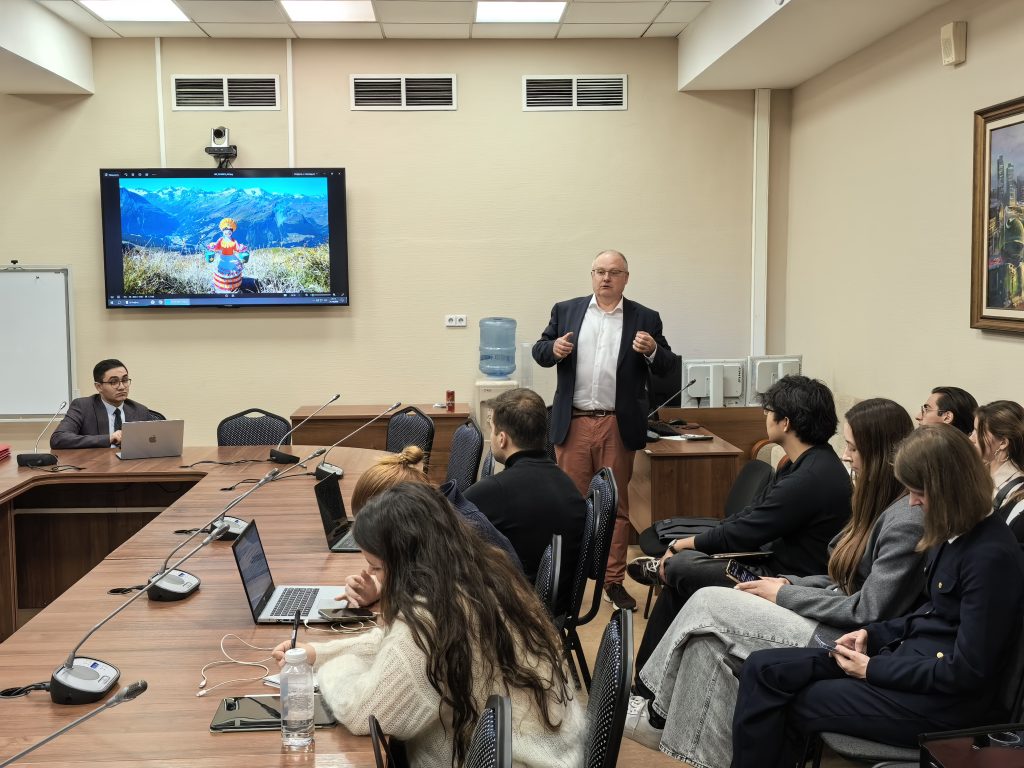
A central component of the project is the integration of advanced research methodologies into PIR Center’s educational activities. The joint MGIMO University–PIR Center Master’s Program in International Security includes a course entitled “Open-Source Intelligence (OSINT),” designed to develop practical skills in open-source research and analysis. Students acquire competencies in information searching, collection and verification, geospatial analysis, basic automation of research processes, and the preparation of analytical reports based on open-source information. Particular attention is devoted to information security and the responsible use of digital tools.
At the same time, PIR Center views OSINT not only as a distinct area of research but also as a cross-cutting research methodology integrated into virtually all of its major research projects and analytical publications. This approach is reflected in several landmark PIR Center publications, including its methodological report on OSINT, the monographs “The New Nuclear Nine?” and “The New Nuclear Dozen?”, as well as its research report examining competition for uranium markets in the Sahel region.
The project’s strategic significance lies in building sustainable institutional capabilities in technology-driven international security analysis, enabling PIR Center not only to assess current developments but also to identify emerging threats at an early stage, produce evidence-based forecasts, and contribute to more informed decision-making in the fields of nuclear nonproliferation and strategic stability.