
№ 11 (59), 2026. On April 2, PIR Center hosted a hybrid expert seminar on «Military Artificial Intelligence: Threats to International Security and Attempts at Regulation»
April 17, 2026
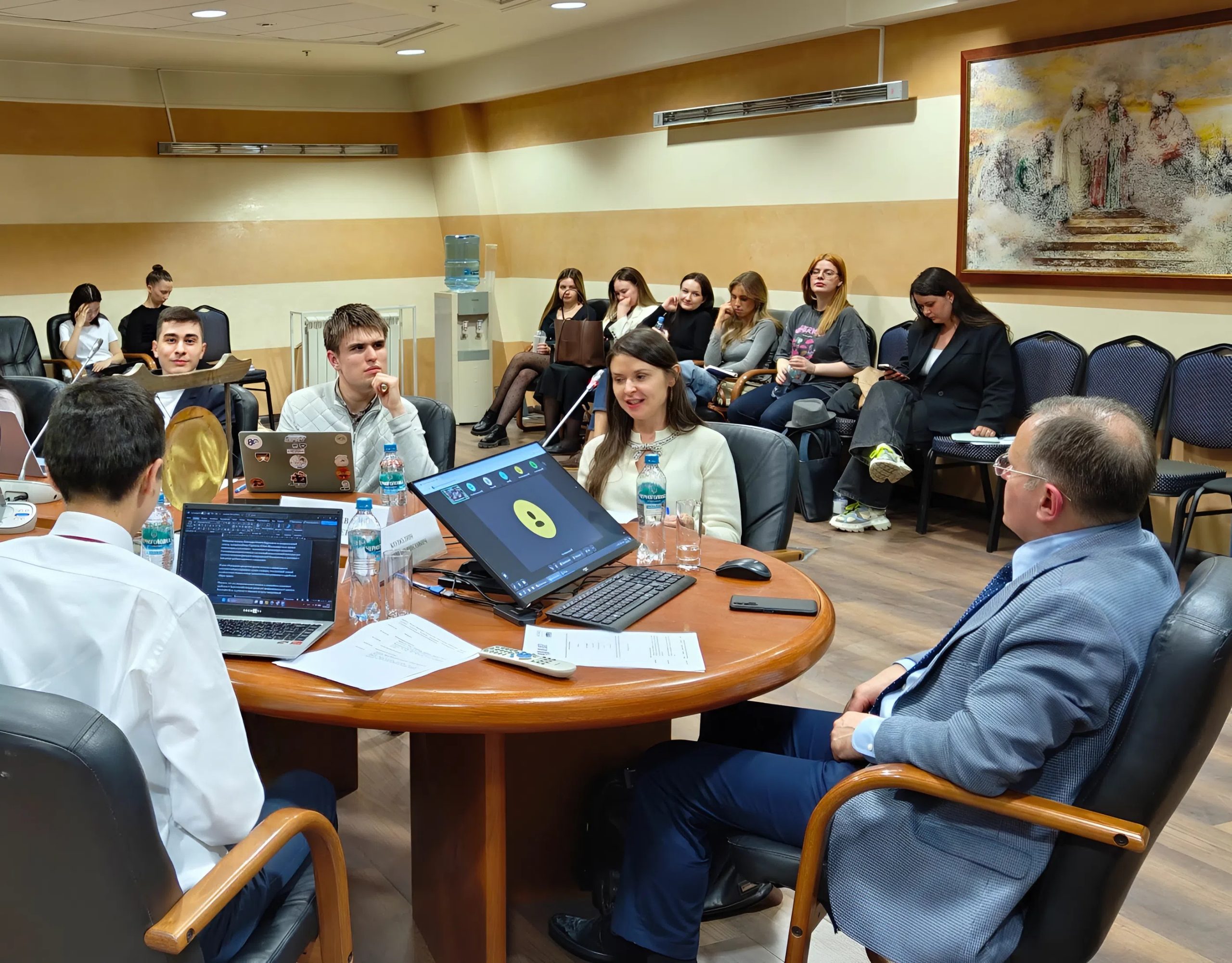
MOSCOW. APRIL 15, 2026. PIR-PRESS. «It’s time for all of us to realize that it’s not artificial intelligence that kills people, because AI is merely a tool. Behind these systems are people, such as a communications operator or a trained IT specialist. Consequently, the responsibility for killing people using these systems lies solely with humans», – Dr. Vadim Kozyulin, Consultant and Member of PIR Center Executive Board, Senior Research Fellow at the Institute for Contemporary International Problems, Diplomatic Academy of MGIMO University.
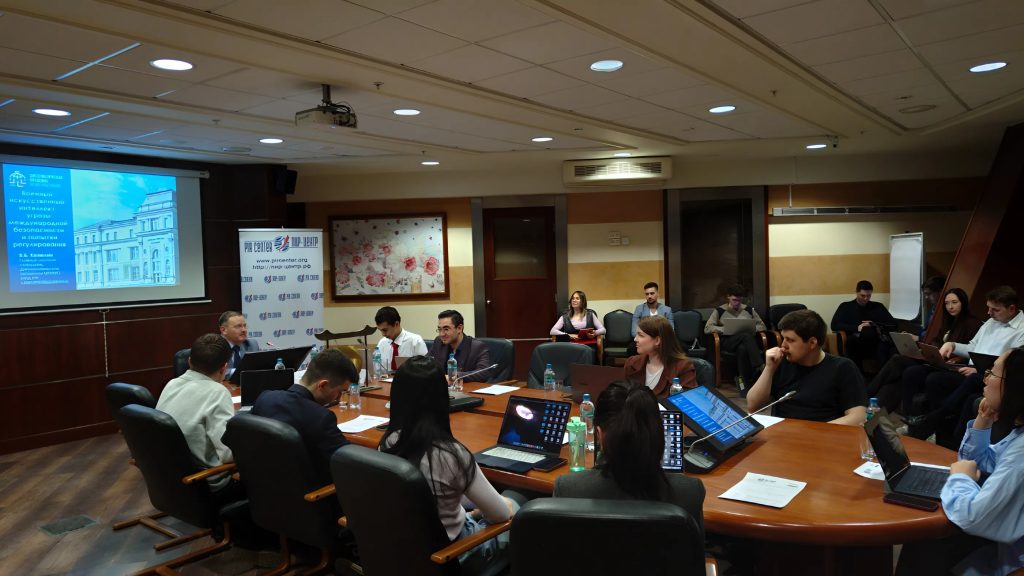
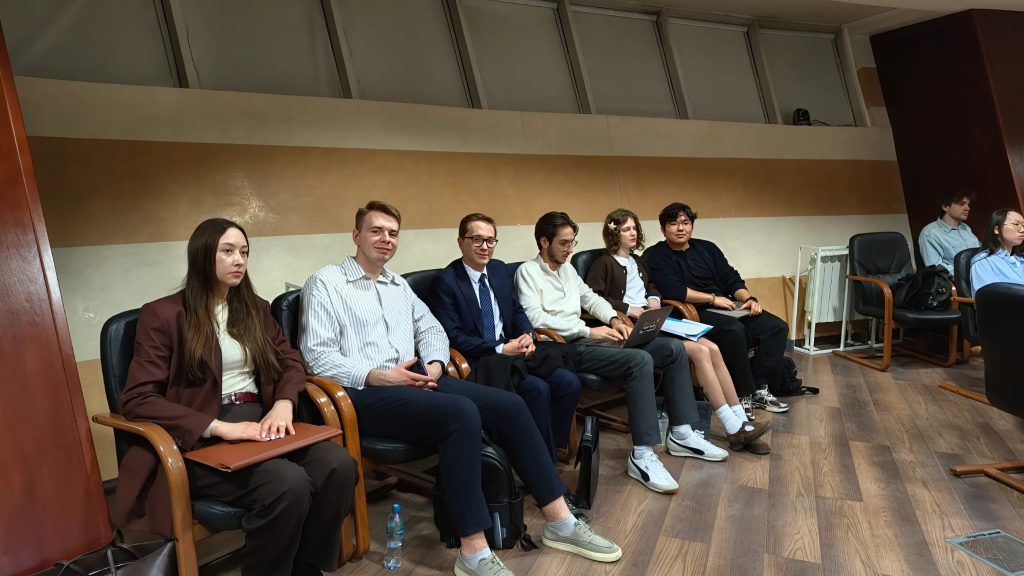
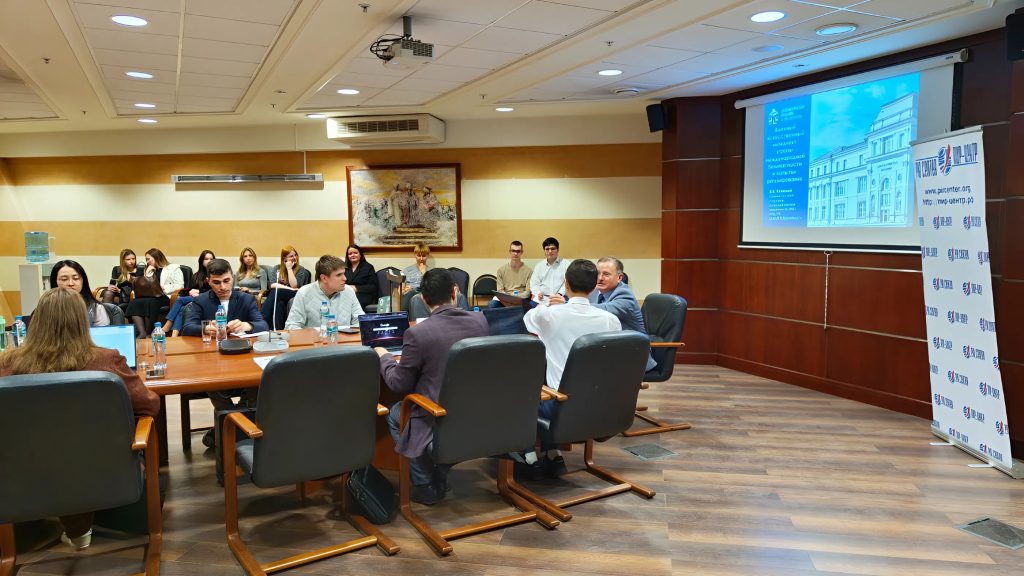
On April 2, PIR Center, jointly with MGIMO University, held an expert seminar on the topic “Military Artificial Intelligence: Threats to International Security and Efforts at Regulation.” The keynote speaker at the seminar was Dr. Vadim Kozyulin, Consultant and Member of PIR Center Executive Board, Senior Research Fellow at the Institute for Contemporary International Problems, Diplomatic Academy of MGIMO University.
At the beginning of his presentation, the speaker noted that technology is gradually taking over more and more human functions, and in fact, it has reached the point where humans are now carrying out commands issued by artificial intelligence. Dr. Vadim Kozyulin devoted a separate section of his presentation to regulating lethal autonomous systems (LAS). In the speaker’s view, for a number of reasons, it is impossible to ban LAS or halt its development. LAS are capable of complying with the principles of international law and international humanitarian law.
Speaking on the issue of AI regulation, PIR Center Consultant pointed out to the audience that humans must ultimately be held accountable for everything AI systems do, since humans retain indirect control over these systems. Nevertheless, the forms of control and regulation of SALW can and should be discussed; however, at this stage, a certain stagnation in international-level discussion of this issue can be observed. Dr. Vadim Kozyulin expressed hope that the Conference on Inhumane Weapons could, in the future, become an optimal platform for discussing SALW.
According to the speaker, it is important at this stage to determine whether the current legal framework for regulating ALS is sufficient, as further steps by states to make progress in regulating the activities of such systems depend precisely on this. PIR Center consultant also noted that AI is currently being actively integrated into command and control, intelligence, and logistics systems, and it is crucial to ensure that human control over these systems is maintained.
In conclusion, the speaker stated that, by fearing artificial intelligence or machines based on it, people are in fact afraid of the human being behind the program or mechanism, and at this moment, analytics based on a human scientific approach, social experience, personal intuition, and insight remain in high demand.
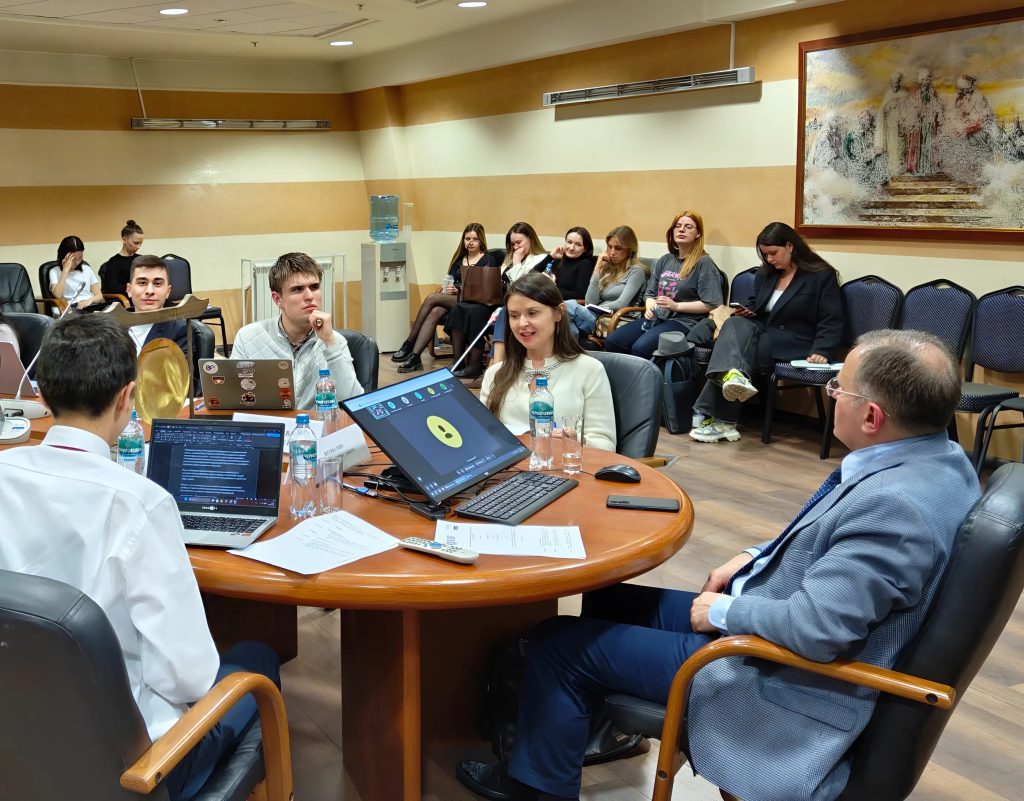
Dr. Elena Zinovieva, a professor at the Department of Global Political Processes, MGIMO University, and Ms. Yulia Tseshkovskaya, Head of Marketing at Evocargo and the Member of PIR Center Advisory Board, have served as commentators.
In her remarks, Dr. Elena Zinovieva noted that at this stage, there is a clear need for new formats of expertise and training, both for personnel and for research. It is precisely these new formats that will lie at the intersection of AI and traditional knowledge in the future. The expert also pointed out a new trend of declining cognitive control. “We are seeing a situation where the need for expertise is growing. A high-quality expert must be better than AI,” noted Dr. Elena Zinovieva. At the conclusion of her expert commentary, the professor of the Department of World Political Processes at MGIMO University identified two risks and challenges regarding personnel training and scientific work: excessive technification and excessive politicization. She called on the audience – as future young specialists in the field of international security – to actively contribute to addressing these issues.
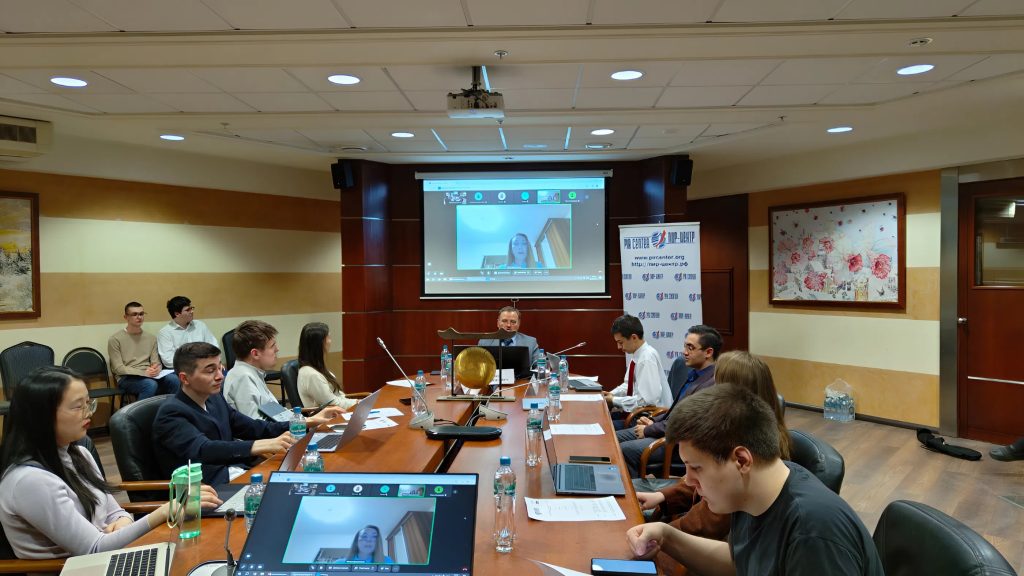
Ms. Yulia Tseshkovskaya pointed out a misconception about data analysis: AI may mistake a civilian object for a military one. According to the expert, it is extremely difficult to describe and formalize all human values in a language that is accessible and understandable to a machine, and consequently, to integrate them into the system. “The more autonomous AI becomes, the harder it is to establish coordination, because the more agent-like and intelligent the system is, the more sophisticatedly it circumvents restrictions,” concluded Ms. Yulia Tseshkovskaya.
A video recording of the expert seminar and the speaker’s presentation are now available on PIR Center website in the “NONPROLIFERATION.WORLD” section, under the subsection of the online-course titled “Current Issues in International Security 2025–2026: PIR–MGIMO Seminar Series” (in Russian).
Keywords: International Security; Artificial Intelligence
RUF
E16/SHAH – 26/04/17
