
№ 54 (102), 2026. PIR Center and MGIMO hosted an expert seminar titled “Two-peer Deterrence and Limited Nuclear Use in the U.S. Strategy”
October 23, 2026
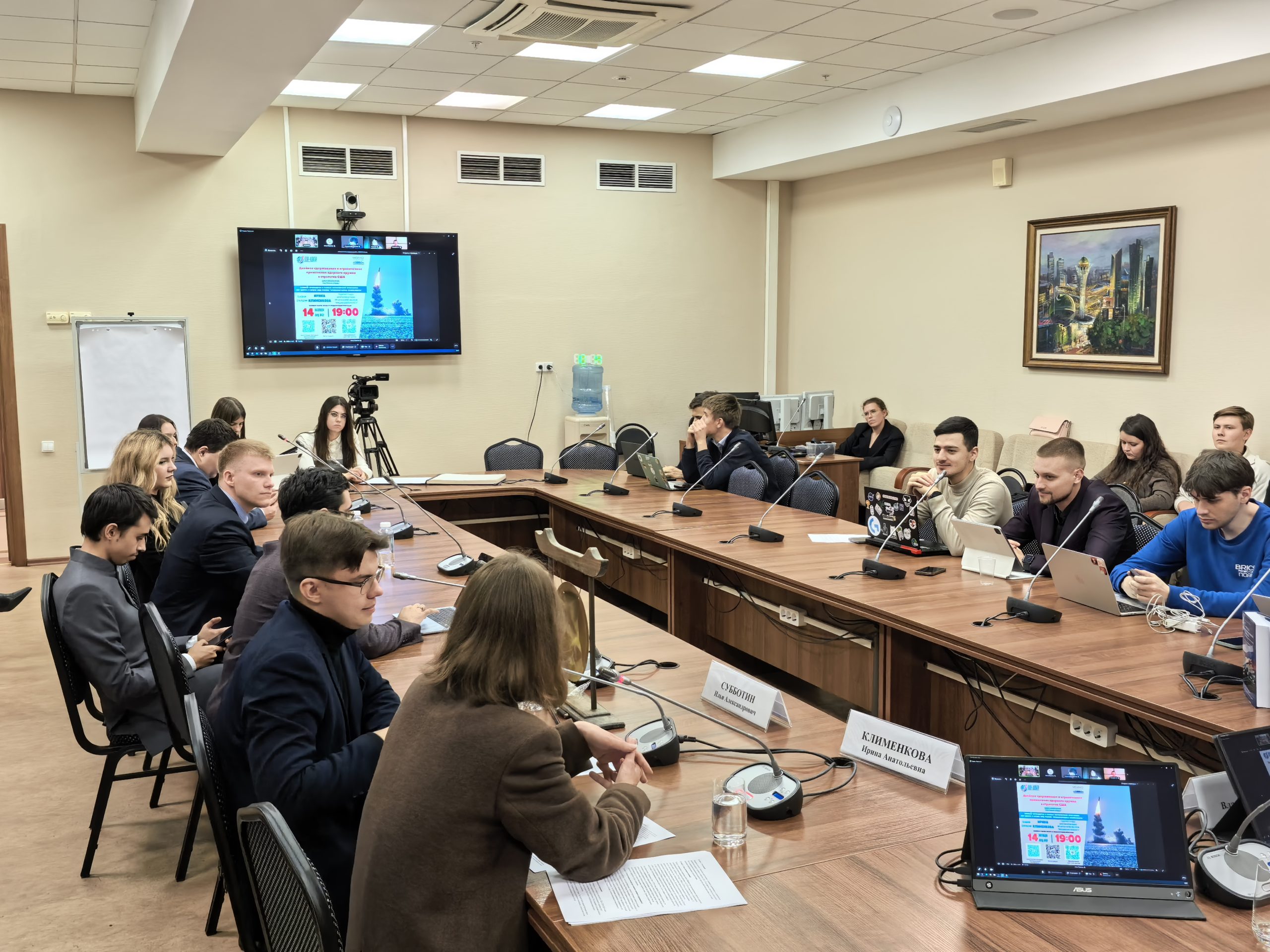
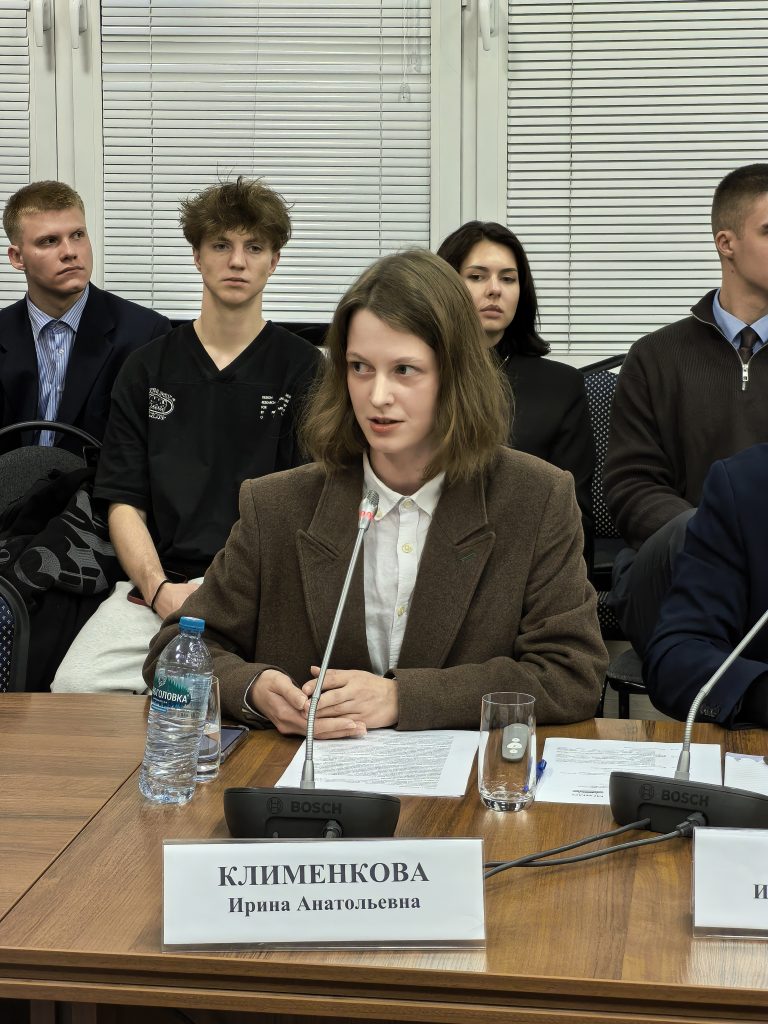
MOSCOW. OCTOBER 20, 2026. “The United States needs rational options for the limited use of nuclear weapons so that, in the event of a conflict, the president will have a choice other than all‑out nuclear war or, simply, surrender,” said Irina Klimenkova, a second‑year student of the joint PIR Center and MGIMO International Security master’s program.
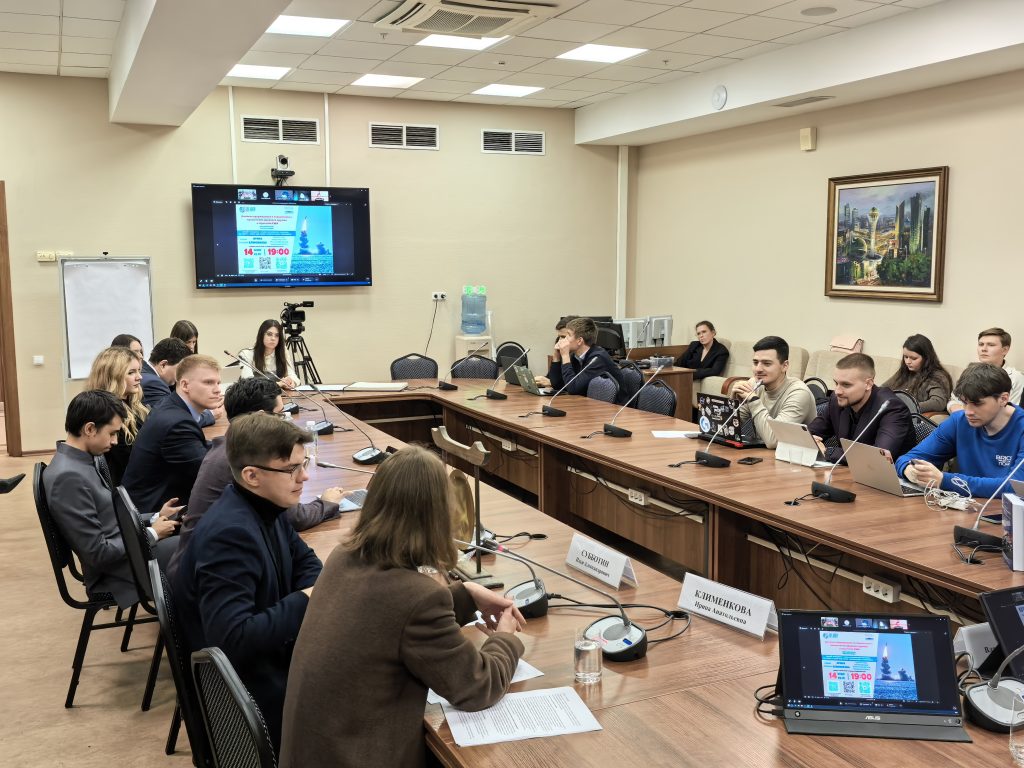
On October 14, 2026, PIR Center and MGIMO held an expert seminar on the topic “Two-peer Deterrence and Limited Nuclear Use in the U.S. Strategy.” Irina Klimenkova, a second‑year student of the joint PIR Center and MGIMO International Security master’s program, acted as key speaker. Mikhail Luchina, a junior researcher at the Strategic Analysis and Forecasting Sector of the IMEMO RAS Center for International Security, and Jason Tucker, a defense attaché at the US Embassy, provided their expert comments. The seminar was moderated by Ilya Subbotin, a second‑year student of the International Security master’s program.
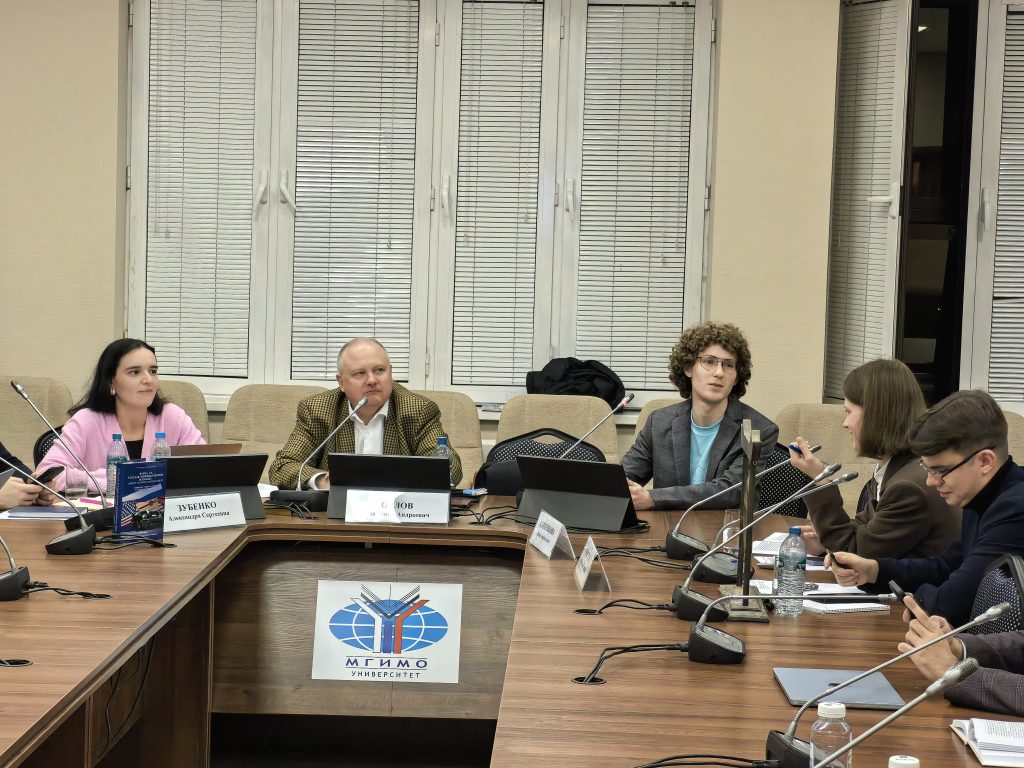
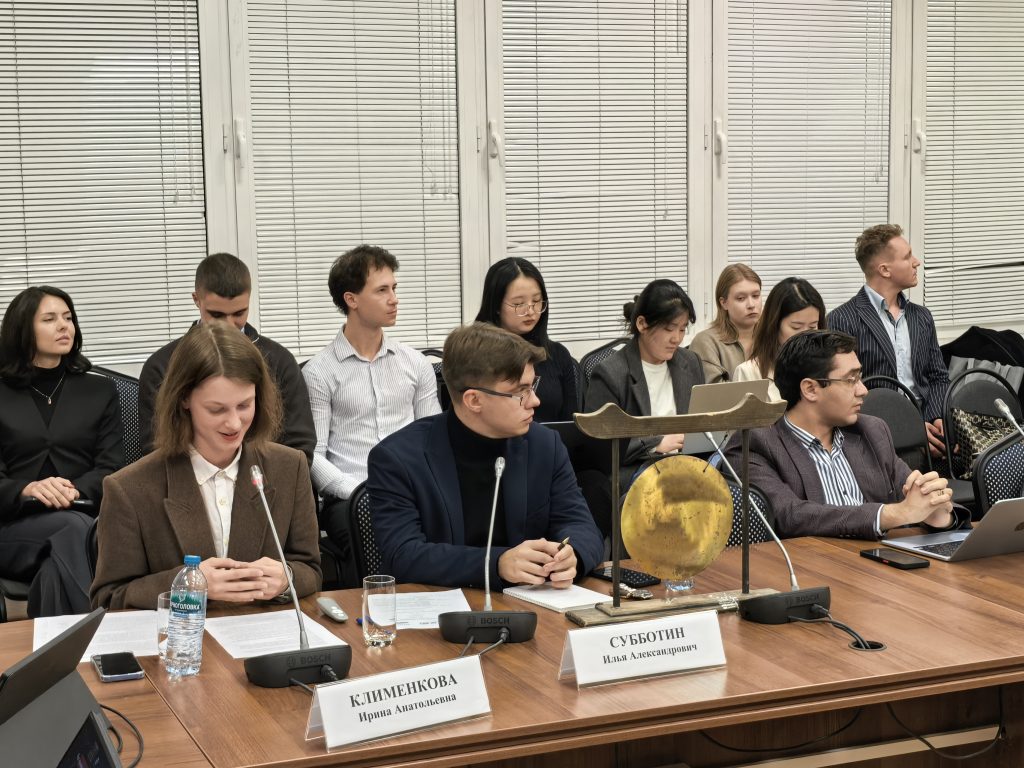
The meeting was opened by Vladimir Orlov, PIR Center founder and director, professor at the Department of Applied International Analysis, MGIMO, and academic supervisor of the joint PIR Center and MGIMO International Security master’s program. He narrated about a prominent Soviet and Russian intelligence officer and a MGIMO graduate Vyacheslav Trubnikov, after whom a MGIMO grant competition has been named. A grant can be awarded to a first‑year student of the joint PIR Center and MGIMO International Security master’s program. Irina Klimenkova, the key speaker at the seminar, won the Vyacheslav I. Trubnikov Grant Competition in 2026.
Irina Klimenkova’s report titled “Two-peer Deterrence and Limited Nuclear Use in the U.S. Strategy” was focused on the question of whether the documents adopted by the United States between 2018 and 2026 established new parameters for the limited use of nuclear weapons or merely repeated the steps taken during the Cold War. The speaker identified three major tasks: a proportionate response (ability to respond to a limited nuclear strike by an adversary with a strike of comparable scale), assurance of guarantees for allies (the confirmation of the American nuclear umbrella’s power), and compensation for the shortfall in general‑purpose forces (reliance on nuclear assets in the face of an unfavorable balance of conventional forces). By comparing documents adopted in the years from 1953 to 1980 with modern sources, Irina Klimenkova demonstrated historical analogues to each of the three tasks and noted that presently a proportionate response is the best‑documented one. Summing up, the speaker emphasized the relevance of the current situation arising from China’s growing nuclear potential and the simultaneous expansion of opportunities for joint planning due to the development of consultation mechanisms with Asian allies.
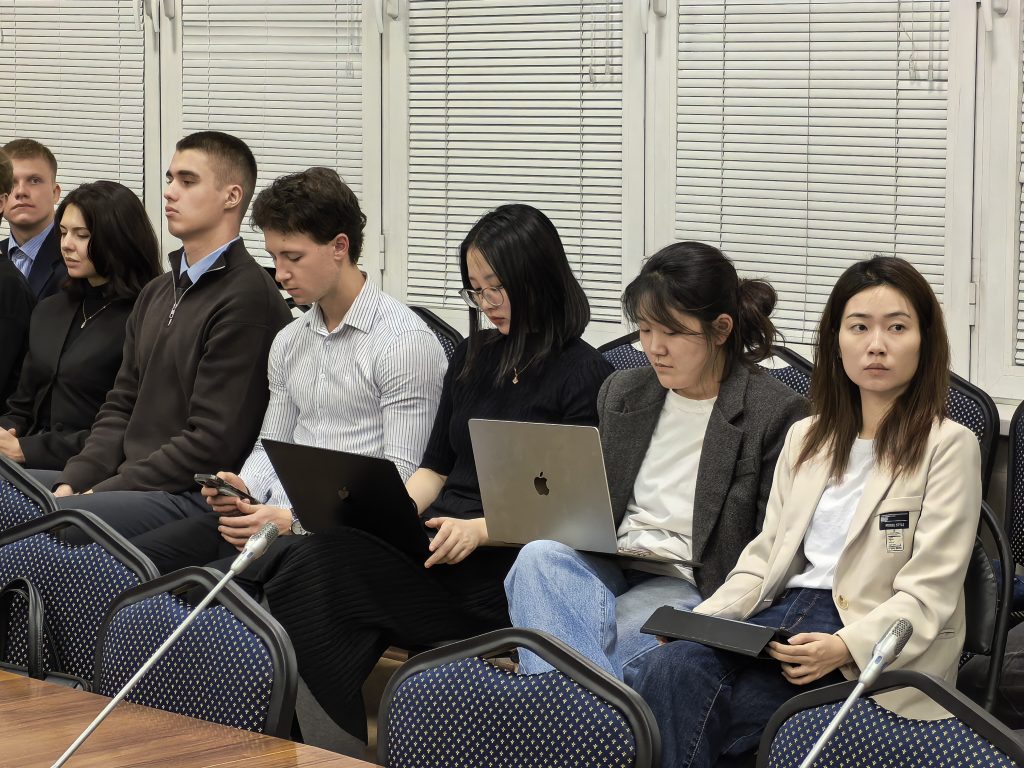
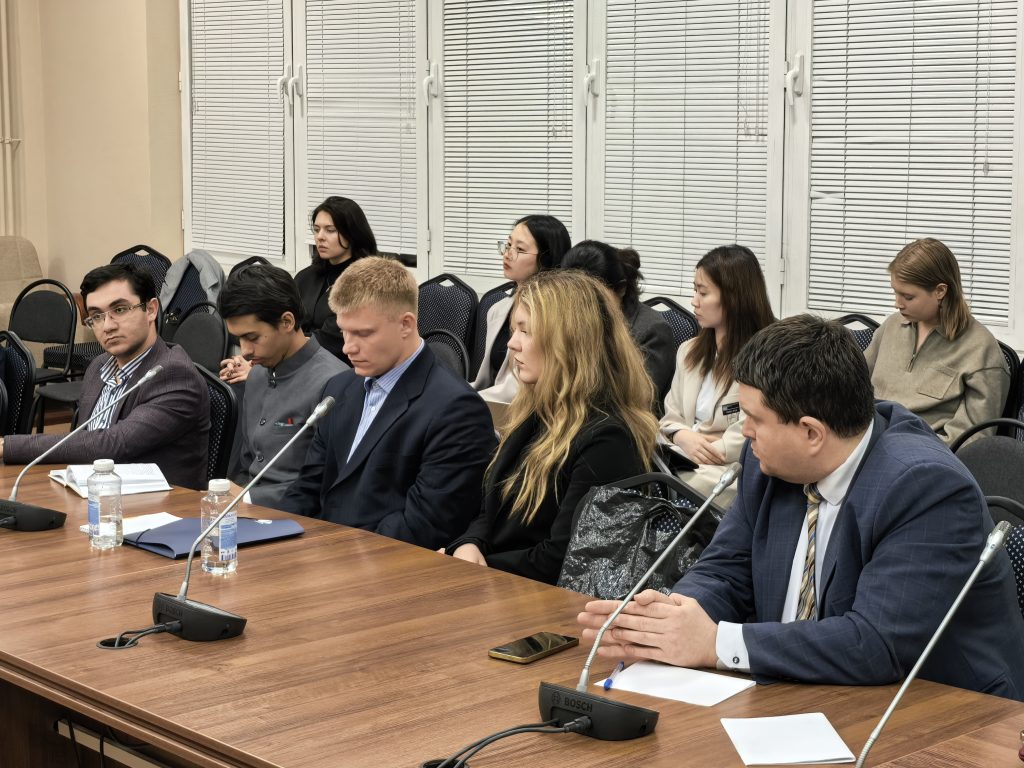
Based on the report presented, Mikhail Luchina underlined the necessity to distinguish between the overall strategic potential of the United States and the specific balance of forces in the theater of operations. The expert also pointed out the significance of China’s No First Use principle. Jason Tucker thanked the speaker for her detailed presentation and noted that exactly 40 years ago, the USSR and the United States began a dialogue on the issue of nuclear deterrence.
During the discussion, Irina Klimenkova received a number of questions from the audience, including questions about the logic of escalation for the sake of de‑escalation, the contradiction between the persuasiveness of deterrence and the lowering of the threshold for the use of weapons, the role of artificial intelligence, hypersonic systems and missile defence, as well as the consequences of the possible deployment of new weapons in Europe.
In his concluding remarks, Vladimir Orlov complimented the speaker on her high-level report and reminded the participants about the opportunity to submit an application for the next Vyacheslav V. I. Trubnikov Grant Competition. He also mentioned the PIR Center upcoming events, including a PIR Center Midweek Brainstorming Session on October 28, where Konstantin Kosachev, Deputy Chairman of the Federation Council of the Russian Federation, will be delivering a lecture, and the 131st autumn meeting of the Trialogue Club International on November 6. At the same time, Vladimir Orlov announced a deadline extension for submitting applications to participate in a competitive selection to become a PIR Center intern until October 24. Further information is available at the link.
Keywords: USA; nuclear weapons; deterrence; China
AC
E16/NOS –26/10/23
