
№ 23 (71), 2026. MGIMO University hosted an Open Day for the International Security Master’s Program
June 3, 2026
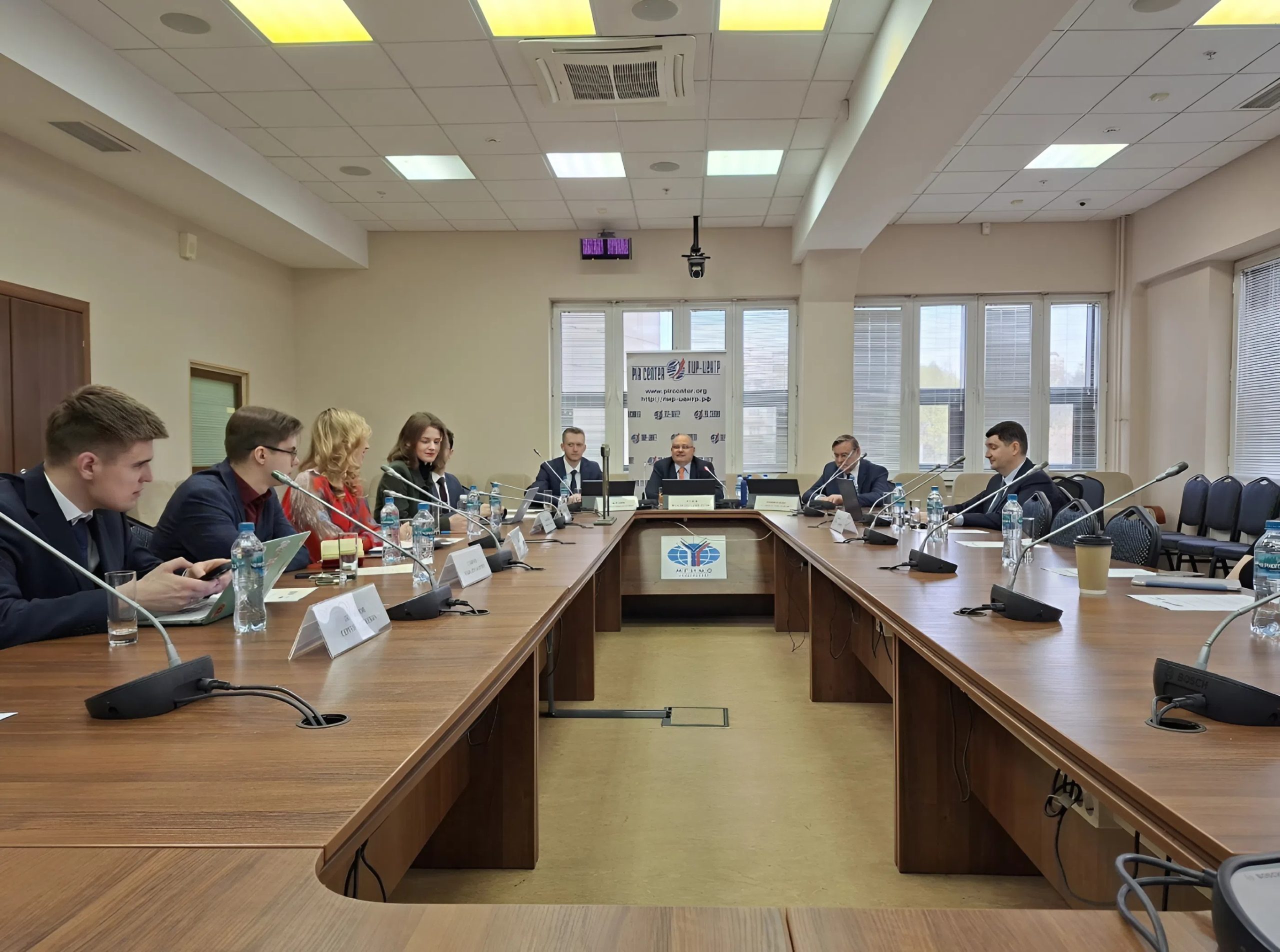
MOSCOW. JUNE 3, 2026. PIR PRESS. «A primary advantage of Master’s programs lies in the integration of academic rigor with practical application. Through involvement in research projects, analytical studies, and collaborative publications, students acquire not only theoretical insights but also comprehensive professional experience during their studies. The curriculum enables participants to explore diverse facets of international security, refine their professional trajectories, and prepare for careers within government agencies, international organizations, think tanks, or the corporate sector», – Dr. Andrey Baykov, Vice-Rector for Research at MGIMO University.
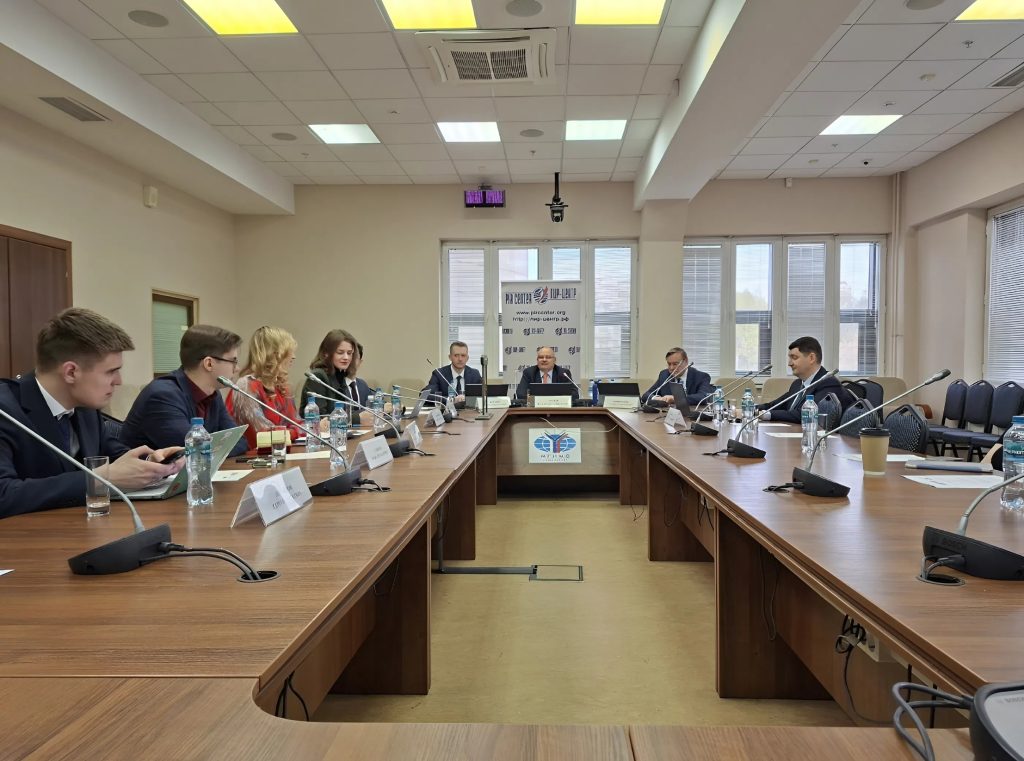
MGIMO University hosted an Open Day for the International Security MA Program, implemented jointly with PIR Center. The event brought together prospective students interested in the study of global security issues. Participants were provided with comprehensive information regarding the program’s structure, the educational process, and future career prospects.
Dr. Andrey Baykov, MGIMO Vice-Rector for Research, underscored the international and multidisciplinary nature of the International Security Master’s Program. He noted that the program attracts students from diverse national backgrounds, fostering a rich educational environment that facilitates the examination of global issues from multiple perspectives.
Besides, Dr. Andrey Baykov placed particular emphasis on the program’s practical component. Students engage in research projects, analytical studies, and the preparation of publications, including collaborative monographs. Such experience facilitates the development of research competencies and serves as a significant advantage for those pursuing an academic career.
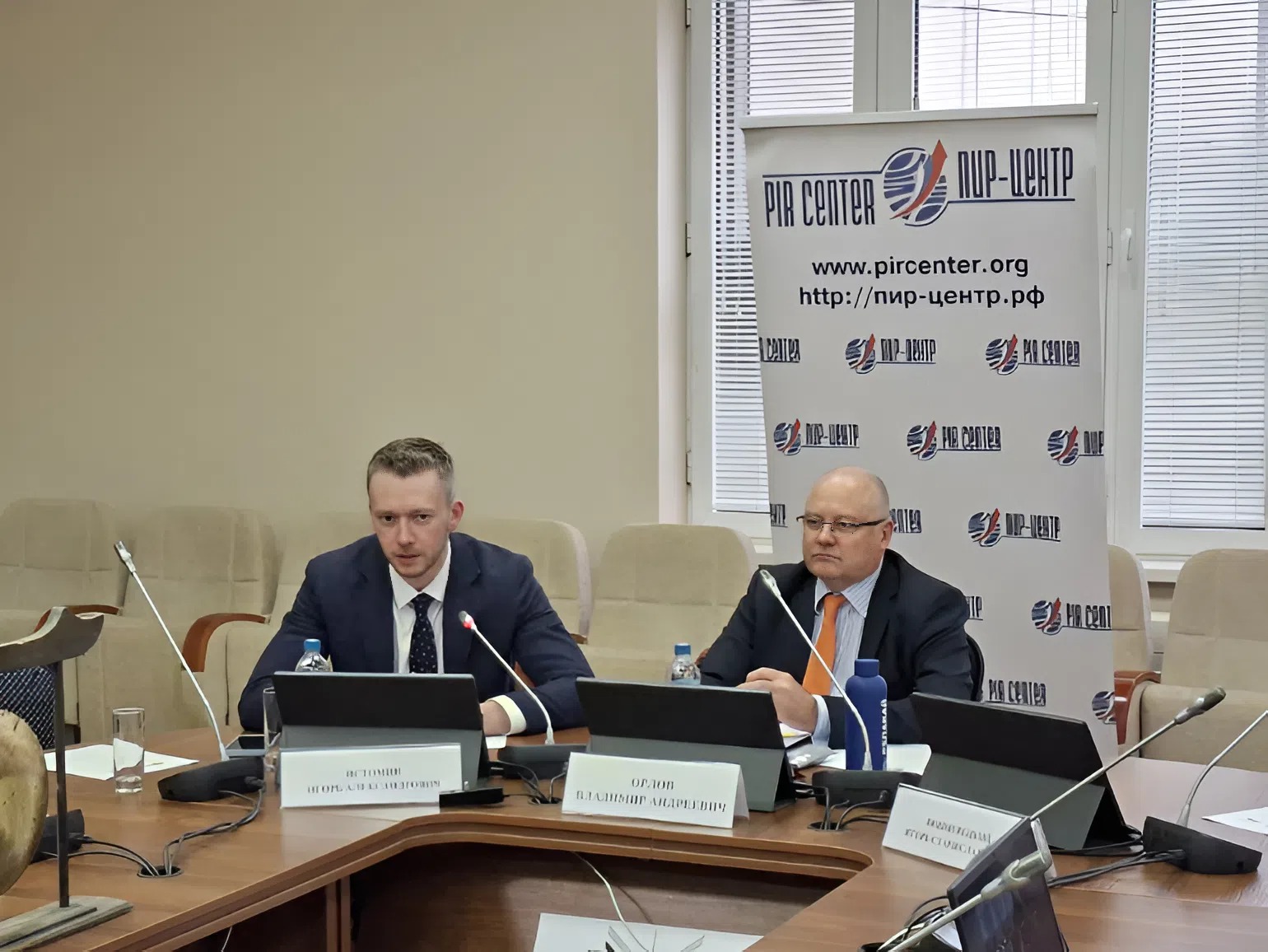
Dr. Vladimir Orlov, PIR Center Founding Director and Academic Director of the International Security Master’s Program, outlined the key features and practical orientation of the curriculum. He noted that the program integrates foundational training in international relations with the study of contemporary security challenges, ranging from arms control and nuclear non-proliferation to cybersecurity, artificial intelligence, and emerging technologies
From Vladimir Orlov’s perspective, particular emphasis is placed on experiential learning. Students engage in expert briefings, analytical projects, and negotiation simulations, while also gaining opportunities to interact with leading diplomats, scholars, and government officials.
The Academic Director emphasized that graduates are highly sought after by the Russian Ministry of Foreign Affairs, state corporations, international organizations, and think tanks. Furthermore, he highlighted the Vyacheslav Trubnikov Grant Competition, which enables top-tier students to offset a significant portion of their tuition fees. Vladimir Orlov also presented the Summer School on Global Security, organized jointly by the PIR Center and MGIMO University, noting that the program is tailored for motivated students committed to rigorous professional and research excellence.
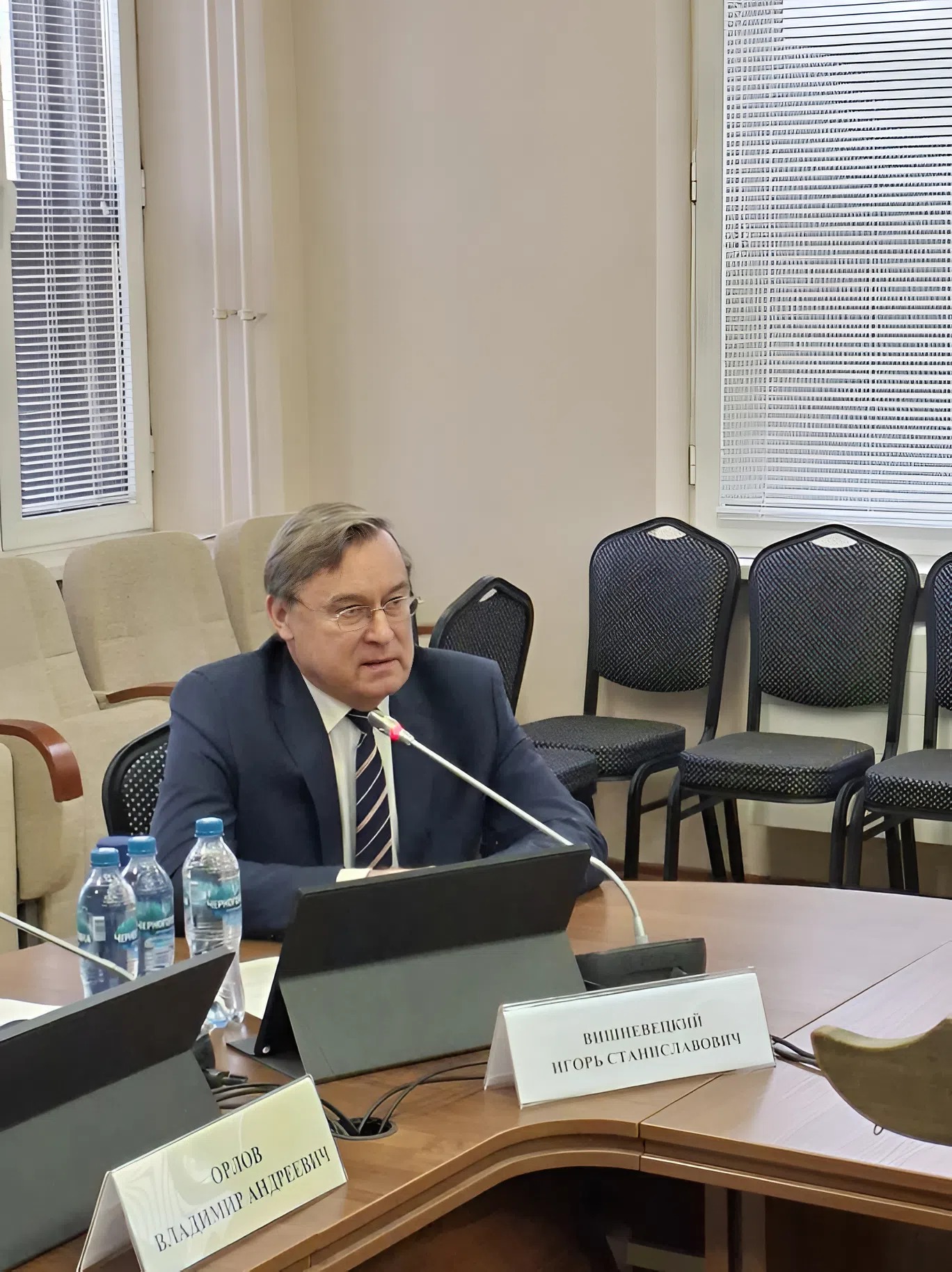
Mr. Igor Vishnevetskiy, independent expert, lecturer of the ‘Chemical and Biological Weapons Factor in International Relations’ course, member of the PIR Center Advisory Board, addressed the practical training of students in international security.
He noted that contemporary international security encompasses not only traditional arms control issues but also emerging domains, such as cybersecurity, artificial intelligence, and technological threats. According to Mr. Vishnevetskiy’s, the program’s particular value lies in the synergy between academic instruction and the firsthand experience of practitioners with backgrounds in diplomacy and international organizations.
Mr. Gleb Efremov, Deputy Director General and Head of New Technology Development at JUSTA Group, discussed the role of advanced technologies in international security and the necessity of training a new generation of specialists. He underscored that contemporary international security is intrinsically linked to the development of nuclear energy, high technologies, and advanced weaponry. According to him, it is crucial for experts in this field to understand not only political dynamics but also the technological underpinnings of modern threats and challenges.
Dr. Igor Istomin, Head of the Department of Applied Analysis of International Problems at MGIMO University, discussed the department’s role in graduate training and the program’s practice-oriented approach.
He recalled that the department was originally established to advance Master’s education at MGIMO. Today, its faculty members deliver foundational courses on international relations, global megatrends, situational analysis, and forecasting. Furthermore, the curriculum assists students not only in acquiring core knowledge but also in its practical application—specifically in analyzing international crises, conducting risk assessments, and preparing analytical materials for decision-makers.
Prior to the Q&A session, students currently enrolled in the International Security Master’s Program were invited to speak. Mr. Artem Astvatsaturov, Mr. Ilya Subbotin, Mr. Sergey Shashinov, Ms. Darya Morozova, and Ms. Irina Klimenkova shared their educational experiences. The students highlighted the opportunity to engage with practitioners and the broad range of research areas offered by the program as its primary advantages.
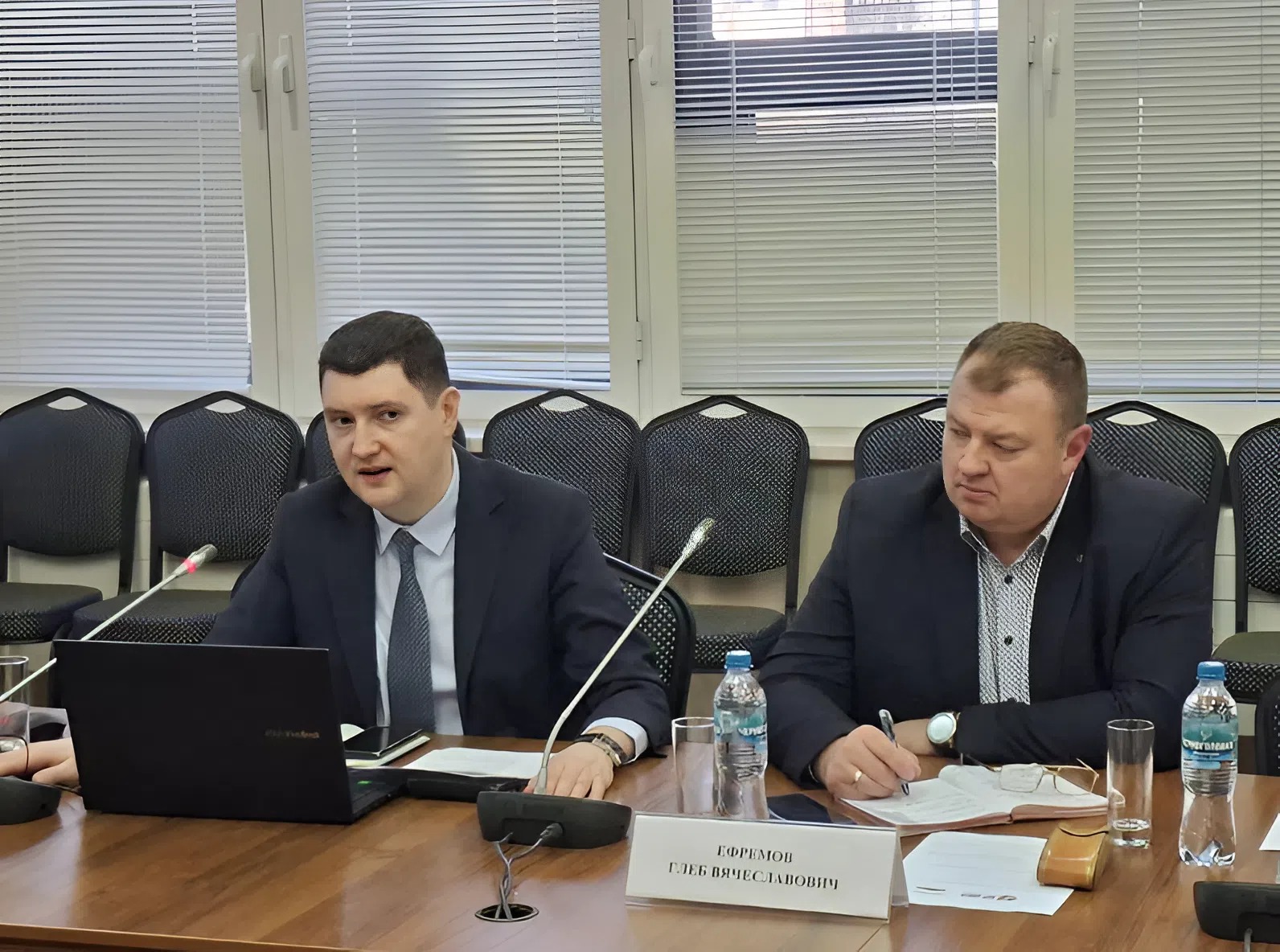
The event concluded with a Q&A session, allowing prospective students to clarify program details and professional development prospects.
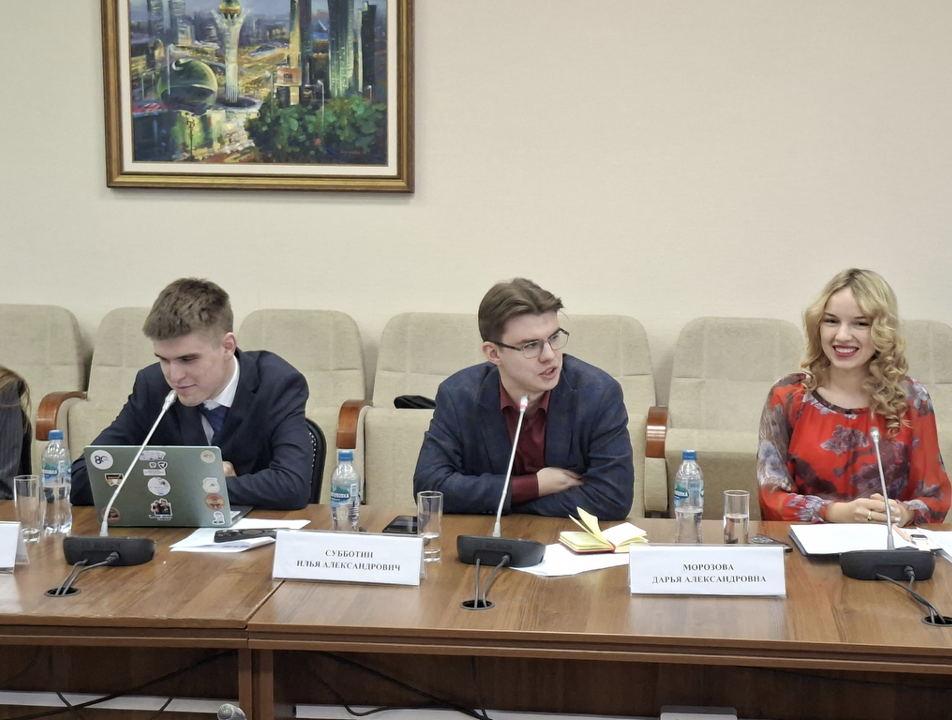
Further information regarding the International Security Master’s Program is available via the link on PIR Center’s website (in Russian).
Detailed information concerning the Vyacheslav Trubnikov Grant Competition Committee could be found at the following link (in Russian).
Also, check out the PIR Center’s video series in the International Security MA Program section on our website (in Russian).
Keywords: Education; International Security
ISMA
E16/SHAH – 26/06/03
