
№ 25 (73), 2026. PIR Center hosted a seminar on “Pakistani-Saudi Strategic Cooperation and Nuclear-Related Issues”
June 9, 2026
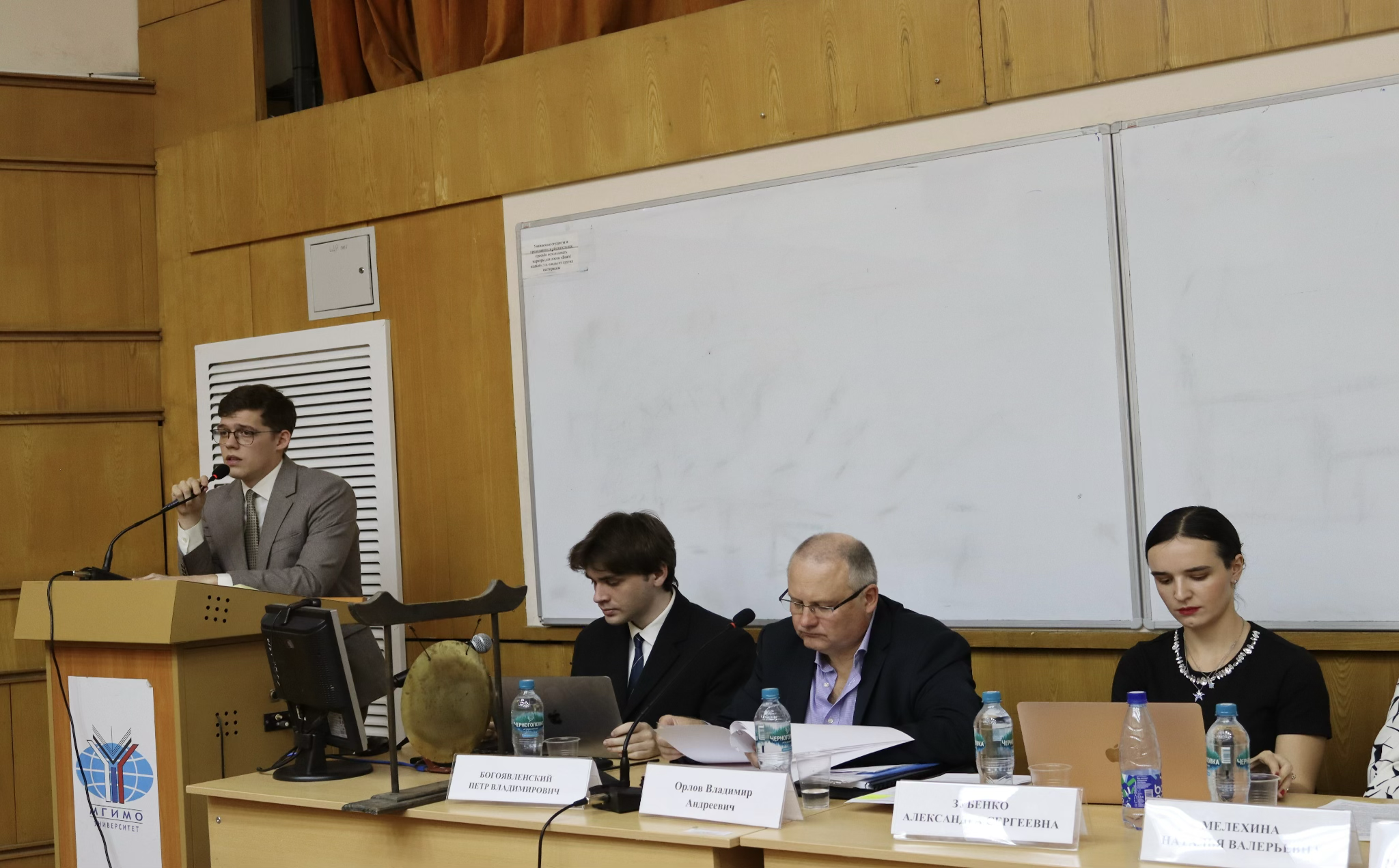
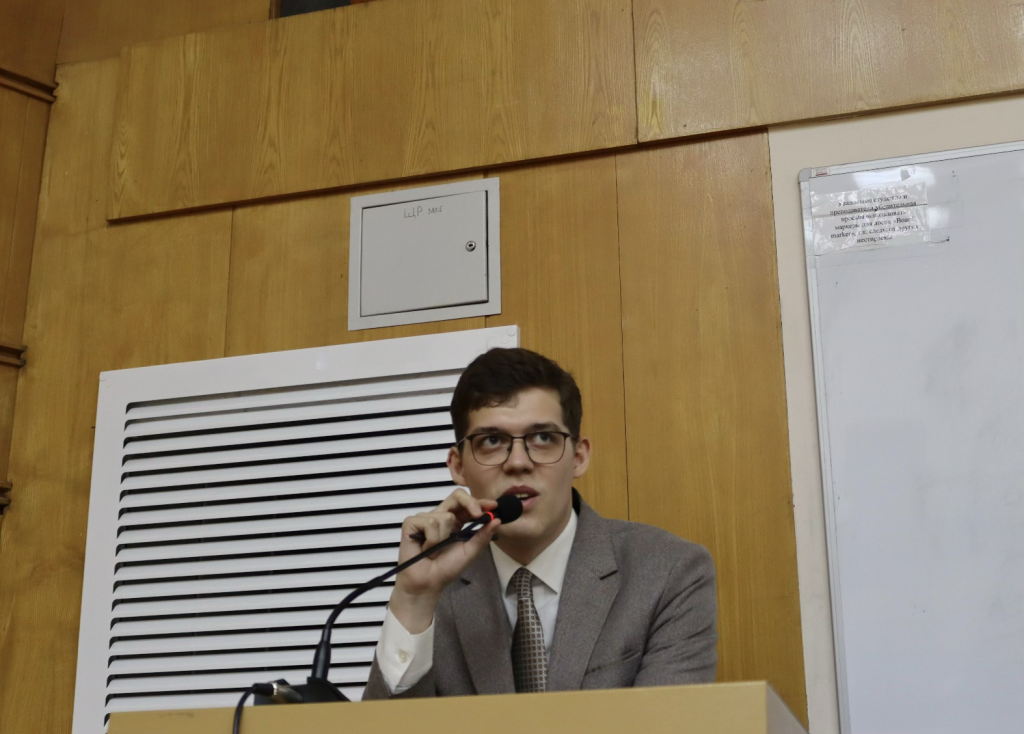
MOSCOW. JUNE 9, 2026. PIR PRESS. «Historically, cooperation between Pakistan and Saudi Arabia spans decades. Although this subject has provided fertile ground for speculation, the abundance of reports nonetheless appears to have been well-founded», – PIR Center Intern Maksim Nosenko.
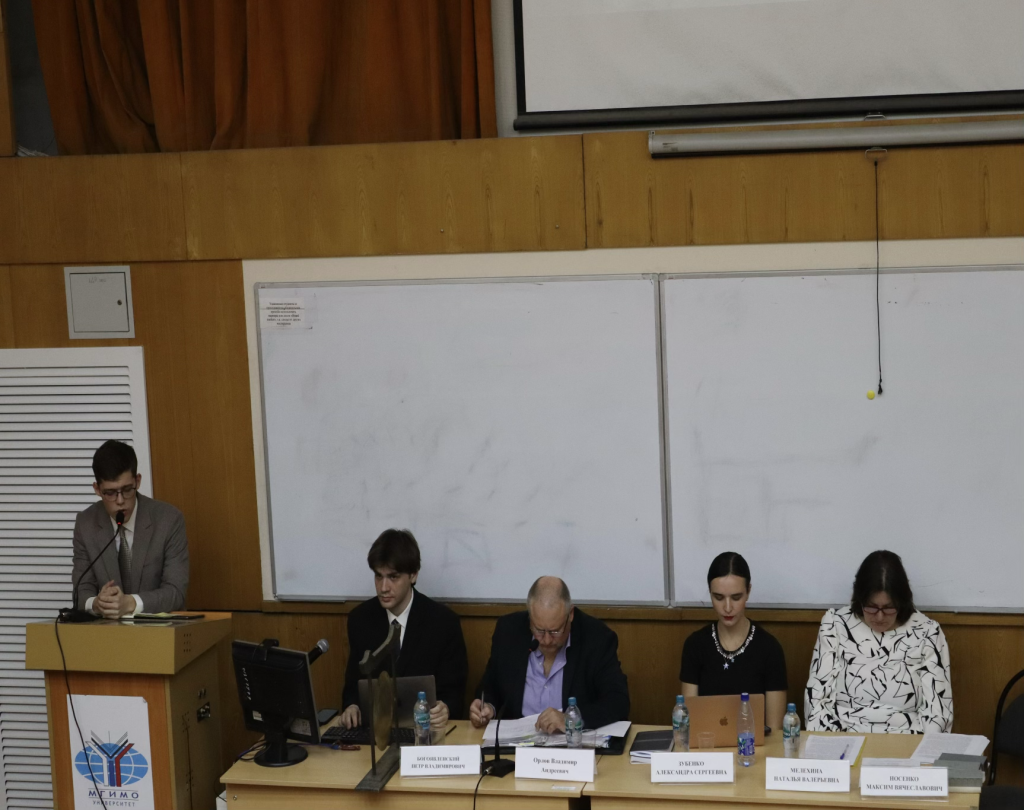
MGIMO University saw PIR Center hosted a seminar on “Pakistani-Saudi Strategic Cooperation and Nuclear-Related Issues”. The keynote speaker at the seminar was Mr. Maksim Nosenko, PIR Center intern. Dr. Vladimir Orlov, PIR Center Founding Director and MGIMO University Professor, served as a scientific supervisor of the research paper.
At the beginning of the presentation, prior to discussing the historical ties between Pakistan and Saudi Arabia, the speaker outlined the methodological framework, goal, and objectives of the study. Subsequently, he examined the historical development of the Pakistani nuclear program, emphasizing Saudi Arabia’s role in its support. This support took the form of financial assistance, as documented in specialized literature and declassified intelligence materials.
The particular attention was paid to Saudi Arabia’s procurement of Chinese ballistic missiles. In the context of Saudi-Pakistani cooperation, it is important to highlight that in 1988 the Kingdom acquired Chinese-made Dongfeng-3 (CSS-2) ballistic missiles, noted the PIR Center Intern. This caused serious concern in the United States, given that missiles of this type could be configured to carry Chinese warheads, which were presumably also present in Pakistan”. In the speech it was noted that at the turn of the century, a notable intensification of bilateral contacts took place. During this period, regular mutual visits by high-ranking officials and relevant specialists laid a solid foundation for the export of Pakistan’s military capabilities. In particular, the international community was deeply concerned by the 1999 visit of Saudi Defense Minister Sultan bin Abdulaziz to Dr. Khan Research Laboratories in Kahuta. Having reviewed the history of interaction between the two countries in the nuclear sphere, the speaker identified four scenarios for the development of relations between Pakistan and Saudi Arabia:
At the same time, the speaker turned to the analysis of doctrinal aspects that define the defense policies of both countries at the current stage. He examined in detail the Pakistani approach, which is oriented toward full-spectrum deterrence against India, as well as the Saudi so-called “2003 Strategic Document”, which allows for the possibility of acquiring nuclear weapons or obtaining external security guarantees. Furthermore, the researcher analyzed religious factors in detail, demonstrating how Pakistan’s internal dynamics – associated with its Ja’fari minority and the fatwas of the late 1990s – correlate with the stance of Saudi Arabia, where the topic of nuclear weapons remains taboo.
During the presentation, the speaker could not overlook the escalation of the situation surrounding Iran. The speaker noted that the environment in the Middle East has undergone a fundamental transformation and currently demands continuous, real-time monitoring, which serves as additional material for research work.
The author indicated that this particular spiral of escalation has become a practical test of the resilience of key provisions within the bilateral Strategic Mutual Defense Agreement existing between Pakistan and Saudi Arabia. To substantiate the advanced theses, the speaker presented extensive cartographic and photographic materials that visually capture the spatial dimension of contemporary threats and the consequences of specific incidents. Based on the demonstrated data, it was argued that the dynamic nature of the regional crisis forces both sides to promptly verify their alliance commitments and adapt defense planning to rapidly changing security conditions, which also evidences the ambiguity of formulations within the agreement itself.
In the concluding part of the presentation, Mr. Maksim Nosenko examined Saudi Arabia’s technical capabilities and changes to the safeguards regime, and thoroughly analyzed the complex set of issues surrounding the provision of mutual security guarantees in the event of a full-scale regional crisis. Based on a comparative analysis of the costs of potential cooperation against the actual level of technological readiness of both states, the author concluded that the current structure of relations between Pakistan and Saudi Arabia contains a significant number of underlying contradictions and constraints.
The researcher argued that despite numerous agreements, a scenario involving the direct transfer of weapons appears unlikely. Consequently, the final section of the presentation established that the provision of nuclear security guarantees by Pakistan represents the most realistic and flexible scenario for the development of bilateral interaction in the foreseeable future.
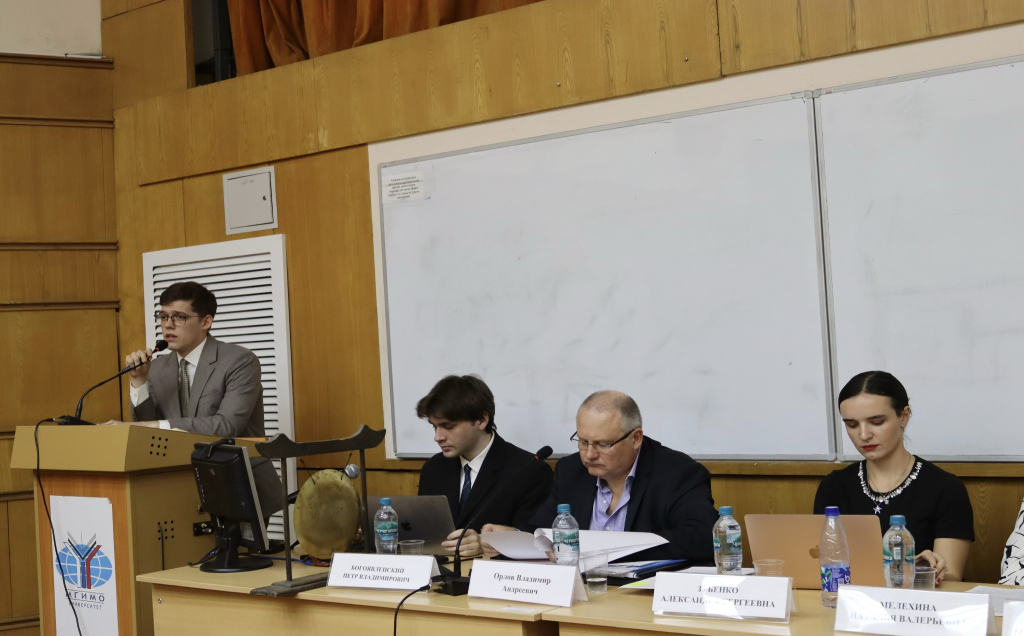
Dr. Petr Topychkanov, PhD in History, Head of the Sector of New Challenges in South and Southeast Asia at IMEMO RAS; Dr. Natalia Melekhina, PhD in History, Associate Professor of the Department of Indo-Iranian and African Languages; and Dr. Leonid Tsukanov, PhD in Political Science, Consultant at the PIR Center, served as the reviewers of the research paper.
Petr Topychkanov’s review noted that the study addresses an exceptionally timely topic, as evidenced by developments in the Persian Gulf zone, the Middle and Near East, and South Asia. The expert emphasized that the work is based on an extensive list of sources and that the author demonstrates a profound immersion into the religious factor “down to the technical details”; however, the study requires engaging an additional corpus of domestic literature. Natalia Melekhina drew attention to an imbalance in the materials used, while Leonid Tsukanov suggested “visualizing the Pakistani ‘Khan Network’ and marking potential ‘entry points’ for Saudi stakeholders with dotted lines or illustrating the events of the Gulf region crisis with the author’s own infographics”. Following the review of the reviewers’ comments, a Q & A session was held. At the conclusion of the approbation of Mr. Maksim Nosenko’s research paper, his thesis was awarded an excellent mark.
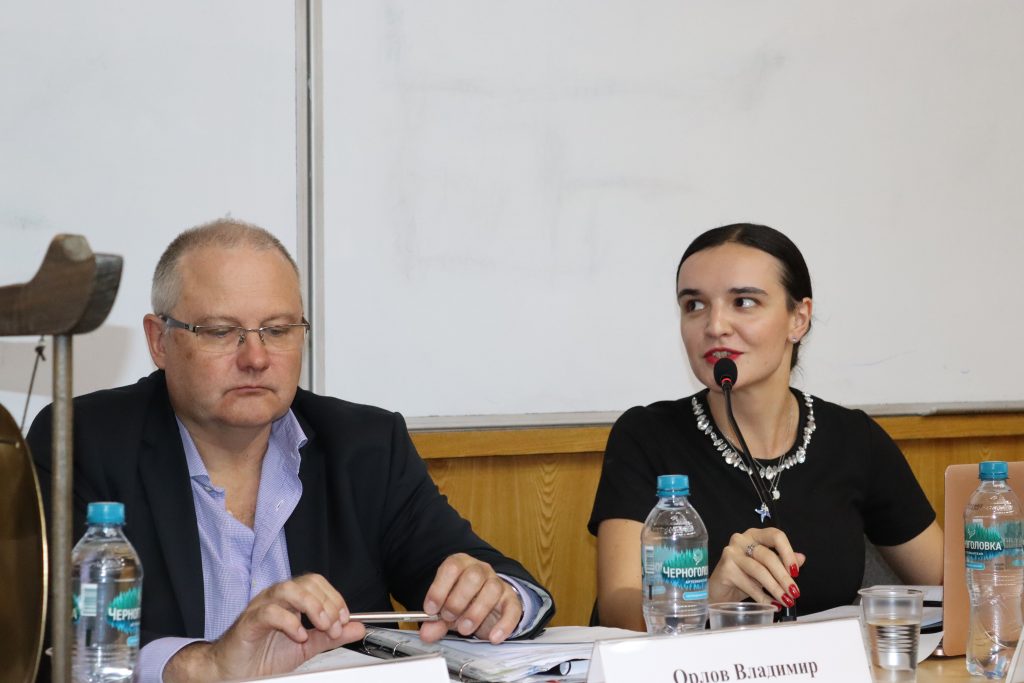
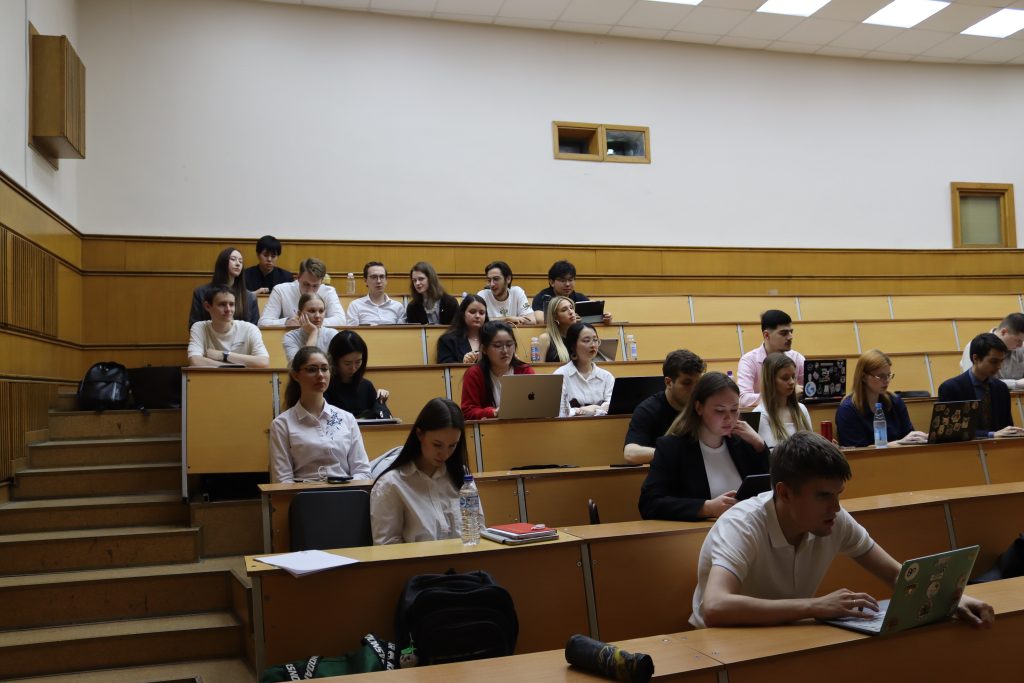
The photo gallery from the PIR Center’s seminar is now available at our website.
A video recording of the expert seminar and the speaker’s presentation are now available on PIR Center website in the “NONPROLIFERATION.WORLD” section, under the subsection of the online-course titled “Current Issues in International Security 2025–2026: PIR–MGIMO Seminar Series” (in Russian).
Keywords: International Security; Pakistan; Saudi Arabia
NINE
E16/NOS – 26/06/09
