
№ 45 (93), 2026. PIR Center and MGIMO University hosted a crisis simulation game featuring negotiation elements and the UN Security Council meeting entitled “Iran on the Brink? The Nuclear Crisis – September 2026”
September 18, 2026
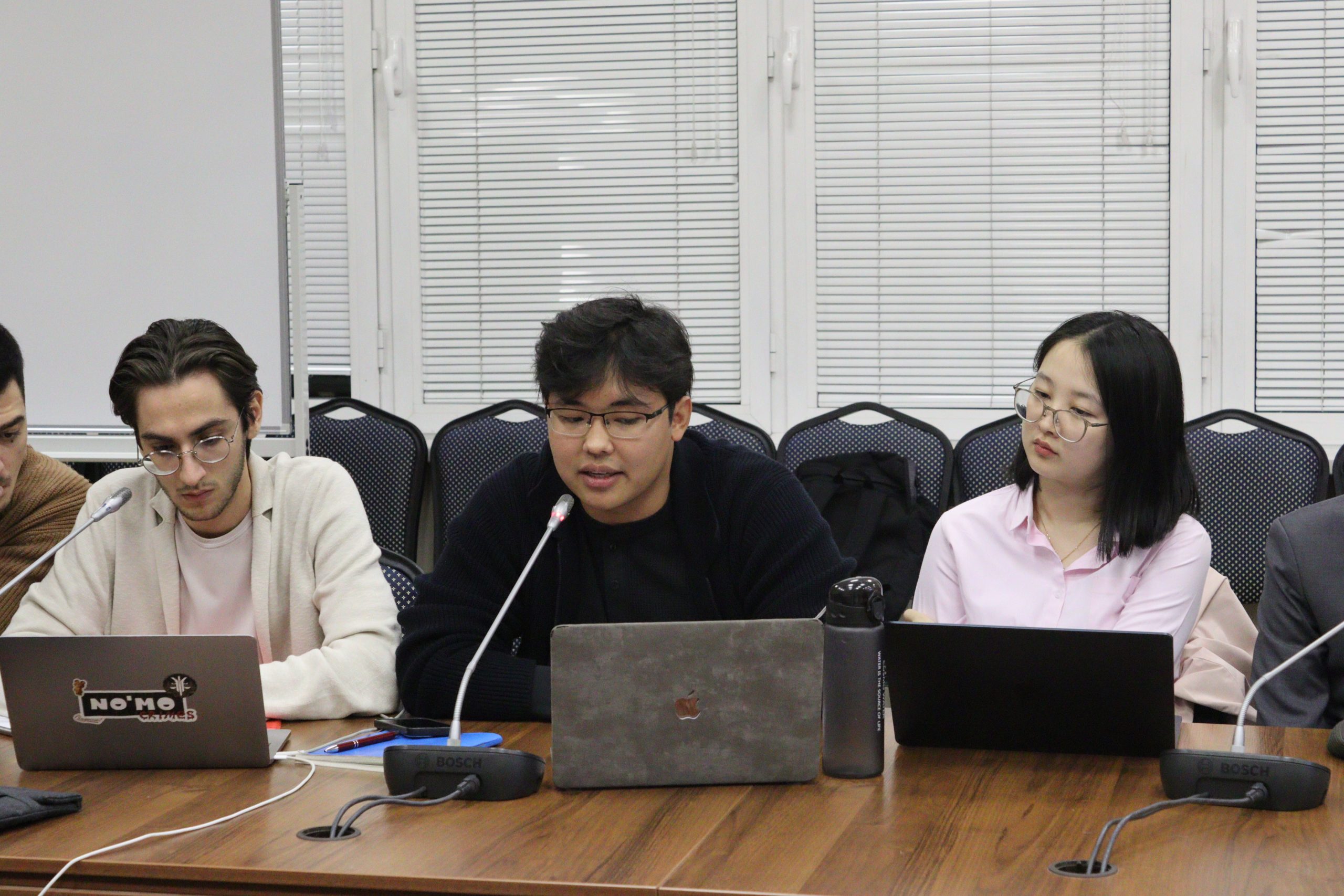
MOSCOW. SEPTEMBER 18, 2026. PIR PRESS. “For the first time since May 1974, the IAEA safeguards agreement with Iran is no longer in effect. It remains operational only at a single facility – the Bushehr Nuclear Power Plant, where Russian specialists rotate on a regular, monitored basis. For the first time, both UN Security Council resolutions and IAEA General Conference resolutions have been violated, and this violation was committed by a NPT depositary state – the United States”, – Adlan Margoev, Research Fellow at the Institute for International Studies, MGIMO University; Lecturer at the Department of Asian and African Studies, MGIMO University.
PIR Center and MGIMO University jointly conducted a crisis simulation game incorporating negotiation elements and the UN Security Council meeting entitled “Iran on the Brink? The Nuclear Crisis – September 2026”. Within the simulation, participants represented delegations from the United States, Iran, Israel, Russia, China, Pakistan, and the IAEA Board of Governors. Adlan Margoev, Research Fellow at the Institute for International Studies, served as the expert for the simulation. The seminar was moderated by Alexandra Zubenko, Deputy Director of PIR Center.
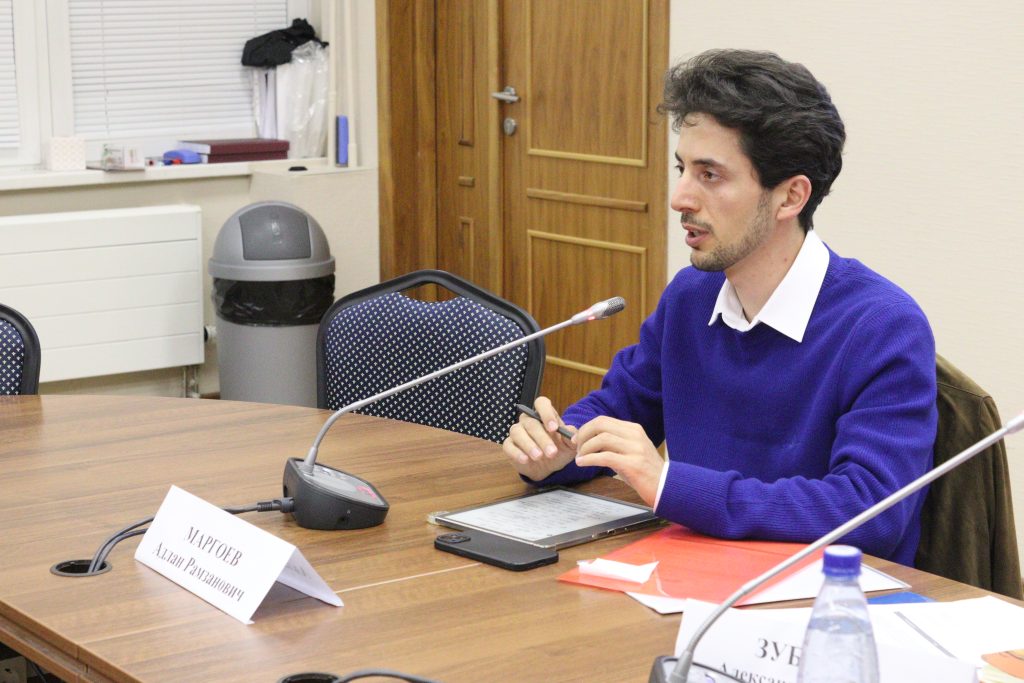
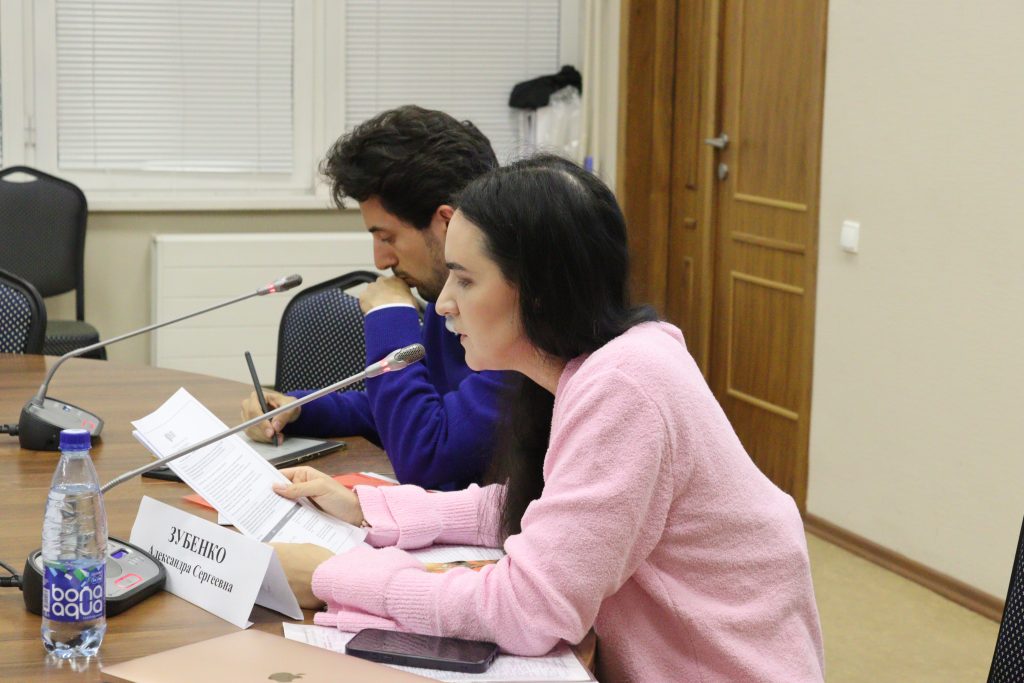
In his opening remarks, Adlan Margoev noted: “For the first time since May 1974, the IAEA safeguards agreement with Iran is no longer in effect. It remains operational only at a single facility – the Bushehr Nuclear Power Plant, where Russian specialists rotate on a regular, monitored basis. For the first time, both UN Security Council resolutions and IAEA General Conference resolutions have been violated, and this violation was committed by a NPT depositary state – the United States”. The simulation was conducted in three stages. During the first stage, participants convened in the UN Security Council chamber. Each delegation presented its respective position regarding the potential resumption of inspections at Iranian facilities. However, as frequently occurs in reality when negotiating resolutions on issues of such critical sensitivity for global politics, the participants were unable to reach a consensus on a unified text.
The second stage shifted the delegates to a meeting of the IAEA Board of Governors. Concurrently with the simulation, a real-world deliberation was taking place regarding the initiative by the United States and the E3 to refer Iran’s nuclear dossier to the UN Security Council. Supported by Pakistani mediation, the US and Iranian delegations managed to reach a preliminary agreement in the form of a memorandum of understanding. As noted by Nurmuat Alkuat, a second-year Master’s student in the International Security program and a member of the Pakistani team: “Each subsequent step is contingent upon the fulfillment of prior agreements by both parties. To foster confidence-building, the parameters of the future verification mechanism must be communicated in advance to all directly concerned parties. Concurrently, it is essential to ensure the protection of Iran’s sensitive information while providing the IAEA with sufficient capabilities to conduct credible technical verification”. During this period, the United States committed to refraining from strikes against Iranian territory, while Iran agreed to grant IAEA inspectors limited access to the facility to develop a verification mechanism. Upon completion of the inspections, the conclusion of a three-month written non-aggression pact with Iran was envisioned. Nonetheless, the Board of Governors failed to adopt a comprehensive resolution.
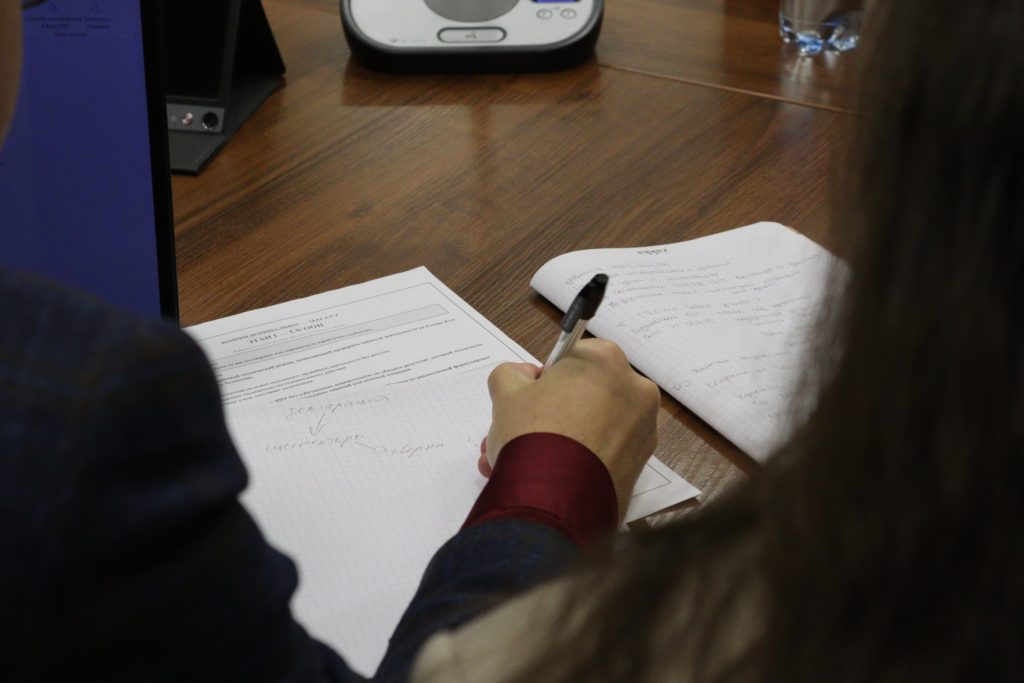
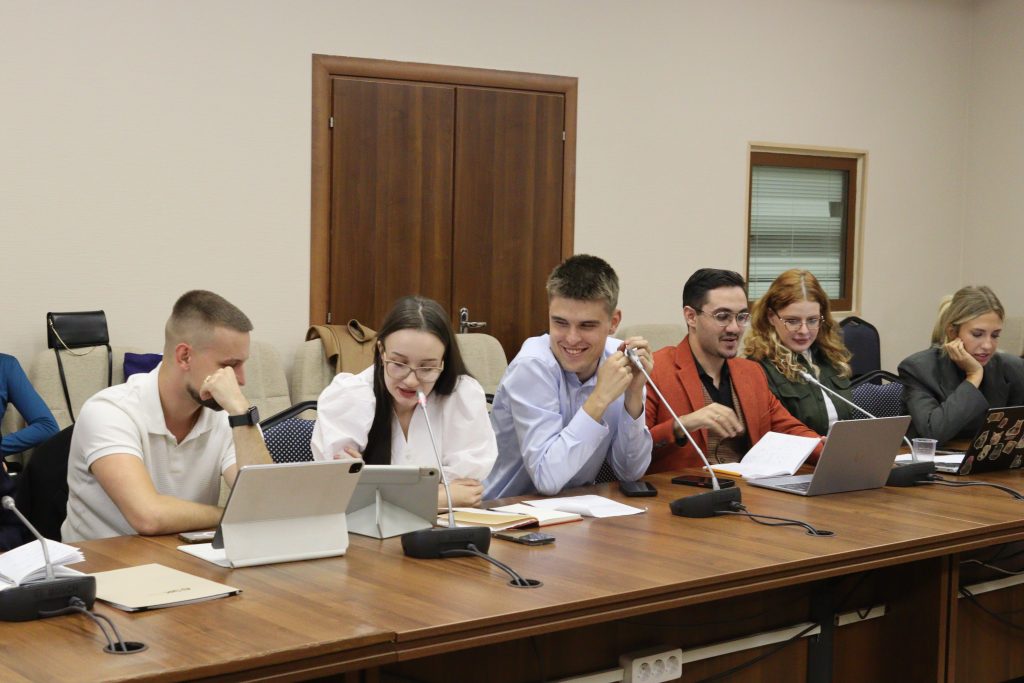
During the third stage, against the backdrop of new Israeli intelligence data and the threat of a joint US-Israeli military operation, Russia and China launched an initiative to dispatch their own observers from Rosatom and the China National Nuclear Corporation to the facility as a de-escalation tool.
Following consultations, the US and Iranian delegations, mediated by Pakistani representatives and with the technical assistance of the IAEA, managed to develop a phased mechanism for de-escalation and verification. The United States assumed a written commitment to refrain from striking Iran for 96 hours, and also took a verbal pledge to help prevent Israel from launching strikes against Iranian territory during the specified period. At the same time, the US reserved the right to withdraw from the agreement, which closely mirrors Washington’s stance in real-world multilateral negotiations.
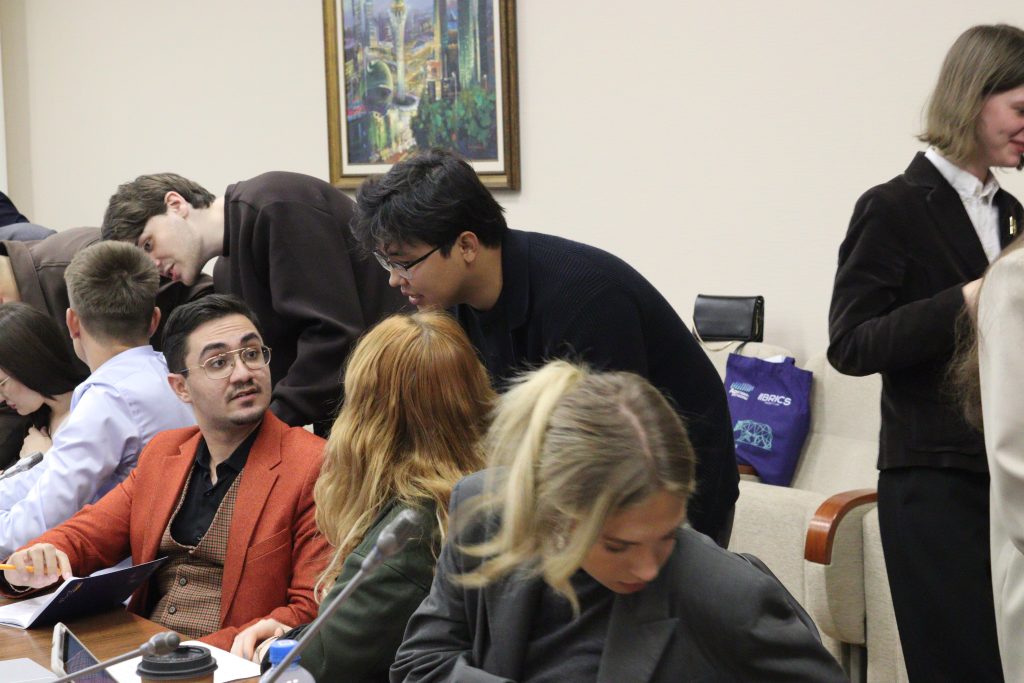
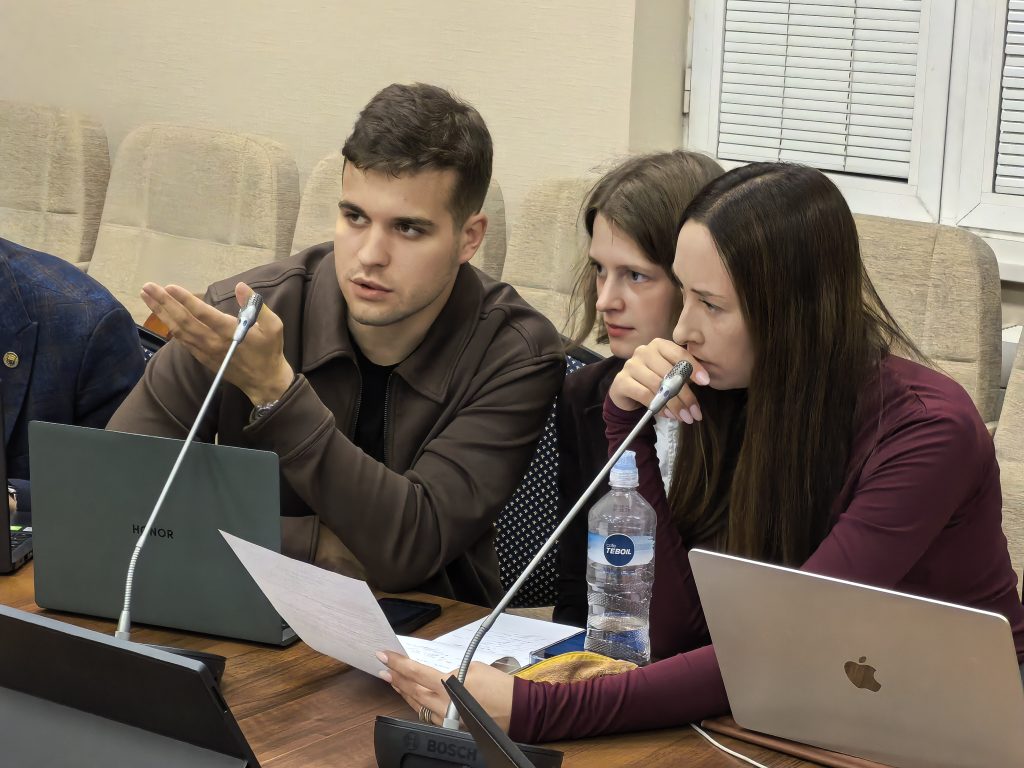
In the final commentary, the simulation received an overall positive evaluation. The moderator and the expert noted the high level of student preparation and the highly realistic reflection of state positions, including those of Israel, Iran, and the United States.
Keywords: IAEA; Iran; US; Israel
NPT
F8/PASH – 26/09/17
