
№ 57 (105), 2026. Konstantin Kosachev delivered a lecture at an expert seminar organized by PIR Center jointly with MGIMO University
November 4, 2026
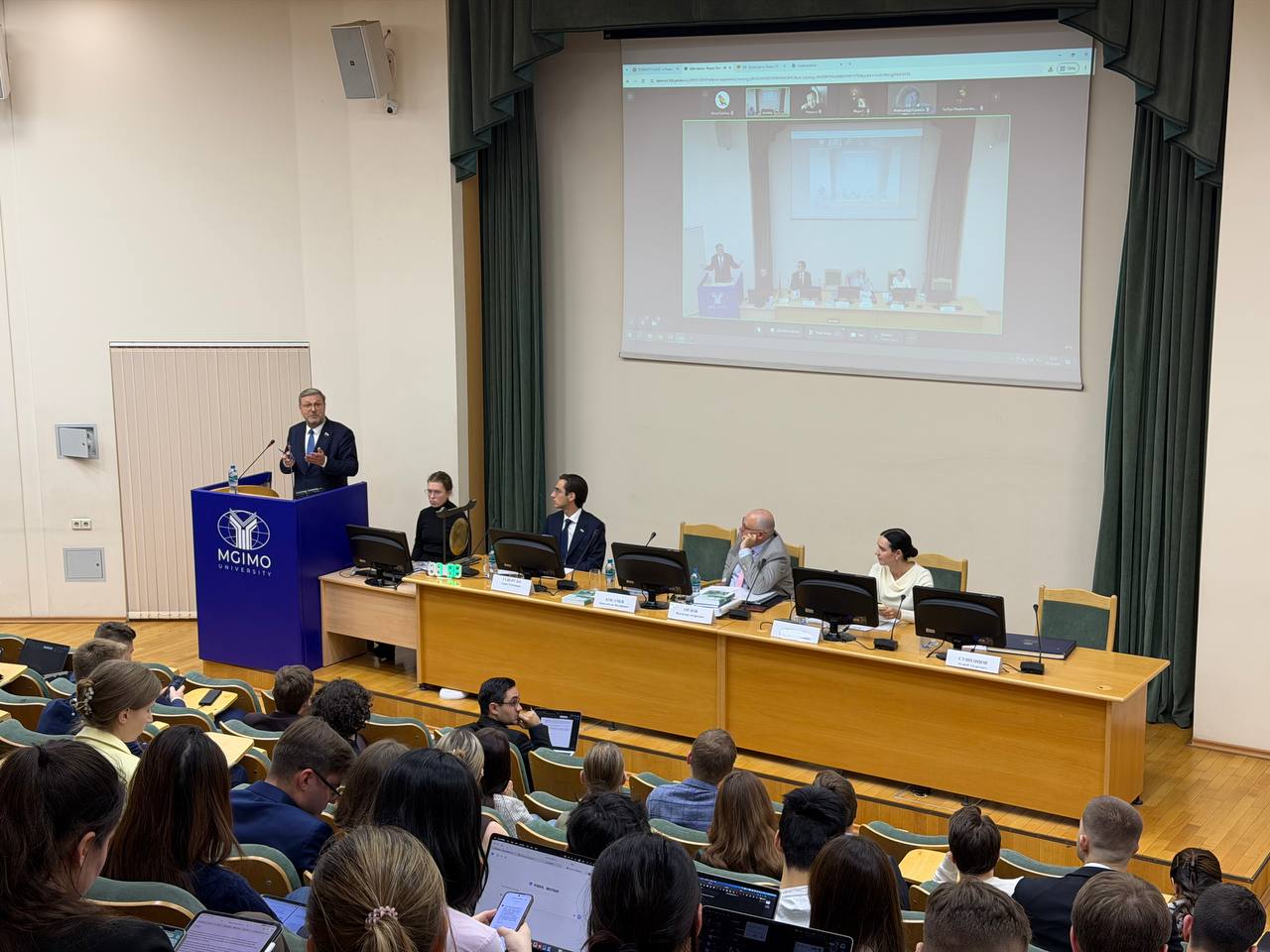
MOSCOW. NOVEMBER 4, 2026. PIR PRESS. “I view the ideal scenario as one where the leaders of multipolarity, primarily within the framework of BRICS and the SCO, resolve the fundamental task that the collective West failed to accomplish in its time. This concerns the creation of genuinely global institutions that will be functional and accommodating for all countries of the world – including, paradoxically, the collective West itself,” stated Konstantin Kosachev, Deputy Chairman of the Federation Council of the Russian Federation.
On October 28, 2026, PIR Center jointly with MGIMO University hosted an expert seminar titled “On the Prospects of Creating New Security Architecture in Europe and Eurasia”. The event was organized as part of the V International Relations Week and International Security MA Program implemented jointly by PIR Center and MGIMO University. Mr. Konstantin Kosachev, Deputy Chairman of the Federation Council, served as the keynote speaker. Welcome remarks were delivered by Dr. Vladimir Orlov, Director and Founder of PIR Center and Professor at MGIMO University, and Dr. Andrey Sushentsov, Dean of the Faculty of International Relations at MGIMO University. The seminar was moderated by Mr. Grant Gevorgyan, a second-year student of the International Security MA Program.
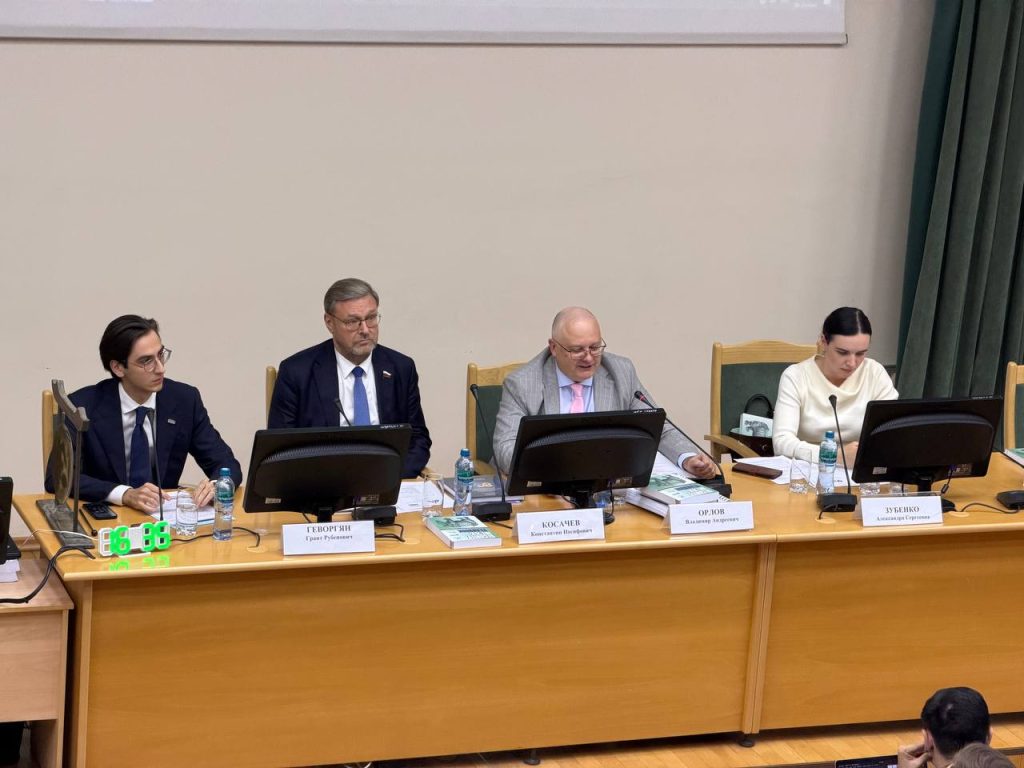
The centerpiece of Konstantin Kosachev’s address was an analysis of the collapse of the former European security architecture, noting the absence of NATO and the European Union in foundational documents like the CSCE and the Charter of Paris for New Europe. Kosachev identified state inequality as the root cause of modern international crises, outlining six key criteria that define a nation’s actual capabilities, including geography, demographics, resources, economic and military power, and the “spirit of the nation”.
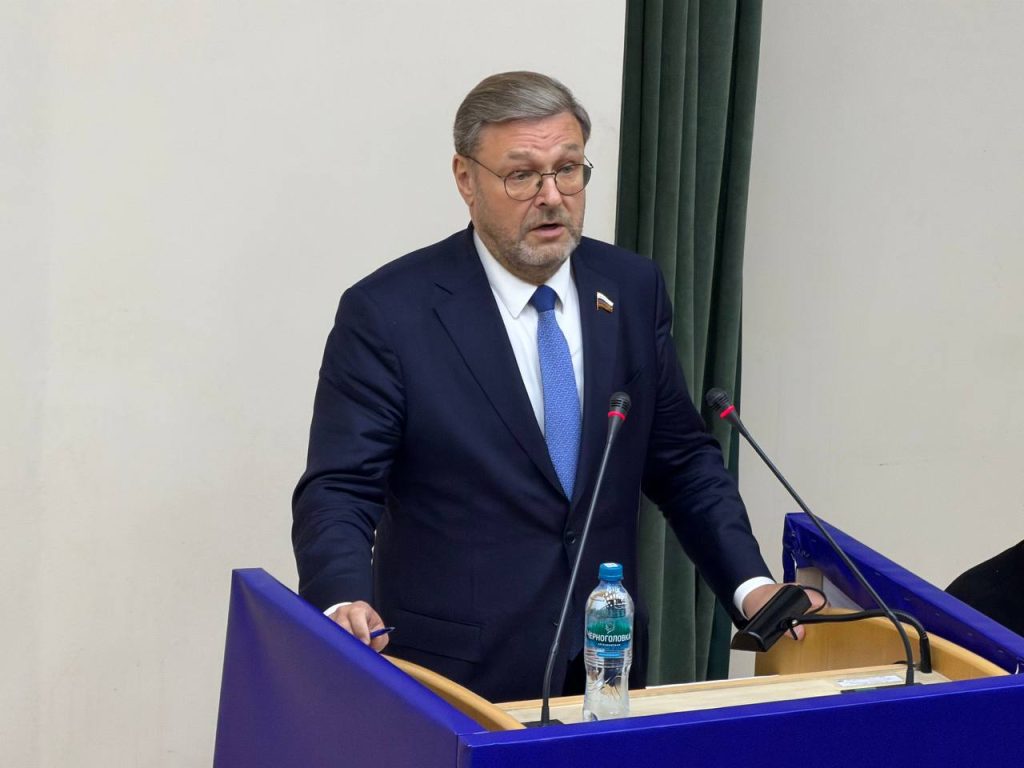
Particular attention was paid to the activities of interstate blocs that systematically exceed their mandates. The speaker contrasted most internationally oriented organizations, which look inward, with NATO and the EU, which project their interests outward. Konstantin Kosachev proposed developing, through discussion, a set of clear rules capable of supplementing international law where it contains contradictions and lacunae – specifically regarding the balance between the principles of territorial integrity and the right of peoples to self-determination. The speaker proposed systematizing the reactions of states to a negative situation in another country into 12 points (Table 1):
| № | Respect for Sovereignty | № | Violation of Sovereignty |
| 1 | Public dissent and demonstration of one’s own approach to solving the problem | 7 | Supporting relevant NGOs and media in another country to “fuel protest sentiment” |
| 2 | Critical statements by officials | 8 | Supporting the political opposition in another country |
| 3 | Suspension/freezing of bilateral state-level cooperation | 9 | Political and economic sanctions against actors in another country |
| 4 | Imposing sanctions on one’s own participants in commercial cooperation with the state in question | 10 | Delegitimization of power in another country |
| 5 | Downgrading the level of relations (canceling visits) up to the recall of the ambassador | 11 | Supporting the armed opposition in another country |
| 6 | Severance of diplomatic relations | 12 | Use of one’s own military force (intervention) |
Speaking about the outlook, Konstantin Kosachev expressed skepticism regarding the potential for constructive changes in Europe in the near term, pointing instead to the significantly greater potential of a Eurasian security architecture founded on the principles of indivisibility and equal accessibility. He voiced support for the upcoming Minsk Conference on Eurasian Security and announced an initiative to add a parliamentary dimension to these efforts.
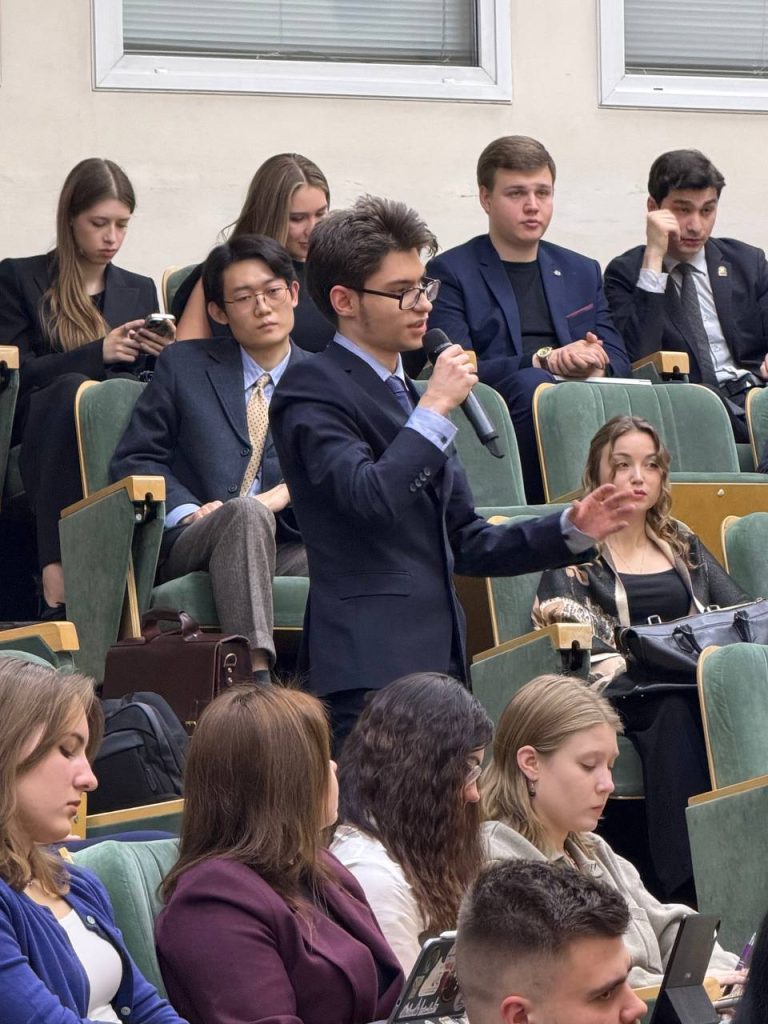
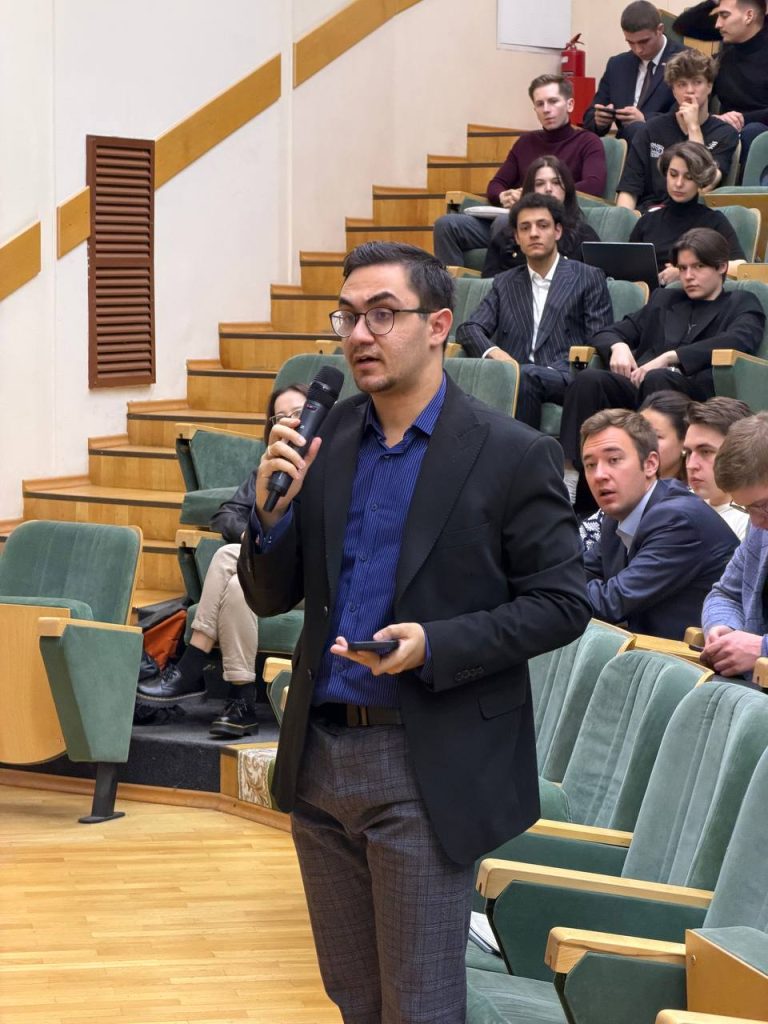
During the discussion, participants raised questions regarding Europe’s role in resolving the Ukrainian conflict, positive and negative security guarantees, internal processes within Europe, and domestic security threats to leading Eurasian powers. Konstantin Kosachev emphasized the prudence of a pragmatic approach – namely, working with individual European countries that possess concrete interests in normalizing relations with Russia, rather than treating the European Union as a monolithic entity.
Among the speaker’s key statements, the following can be highlighted:
In his closing remarks, Vladimir Orlov thanked the speaker for an insightful and candid address and reminded the participants of upcoming PIR Center events, including further work on the Eurasian security agenda.
Keywords: International Security; Eurasia
AC
E16/NOS – 26/11/04
