MainPIR Press News№ 61 (109), 2026. PIR Center and MGIMO Hosted an International Seminar for Young Professionals “Eurasian Security in a Multipolar World: Prospects, Challenges, and Russia’s Interests. Youth Perspectives on the Key Findings of Security Index Yearbook, Vol. 2”
№ 61 (109), 2026. PIR Center and MGIMO Hosted an International Seminar for Young Professionals “Eurasian Security in a Multipolar World: Prospects, Challenges, and Russia’s Interests. Youth Perspectives on the Key Findings of Security Index Yearbook, Vol. 2”
MOSCOW. NOVEMBER 18, 2026. PIR PRESS. “We view European security as part of Eurasian security. The problem is that there is no good interaction with European countries – at present, there is no interaction. But, as the President of the Russian Federation said, we are ready to cooperate with them, talk, and find an honest balance of interests,” said Alexander Trofimov, Ambassador-at-Large of the Ministry of Foreign Affairs of the Russian Federation.
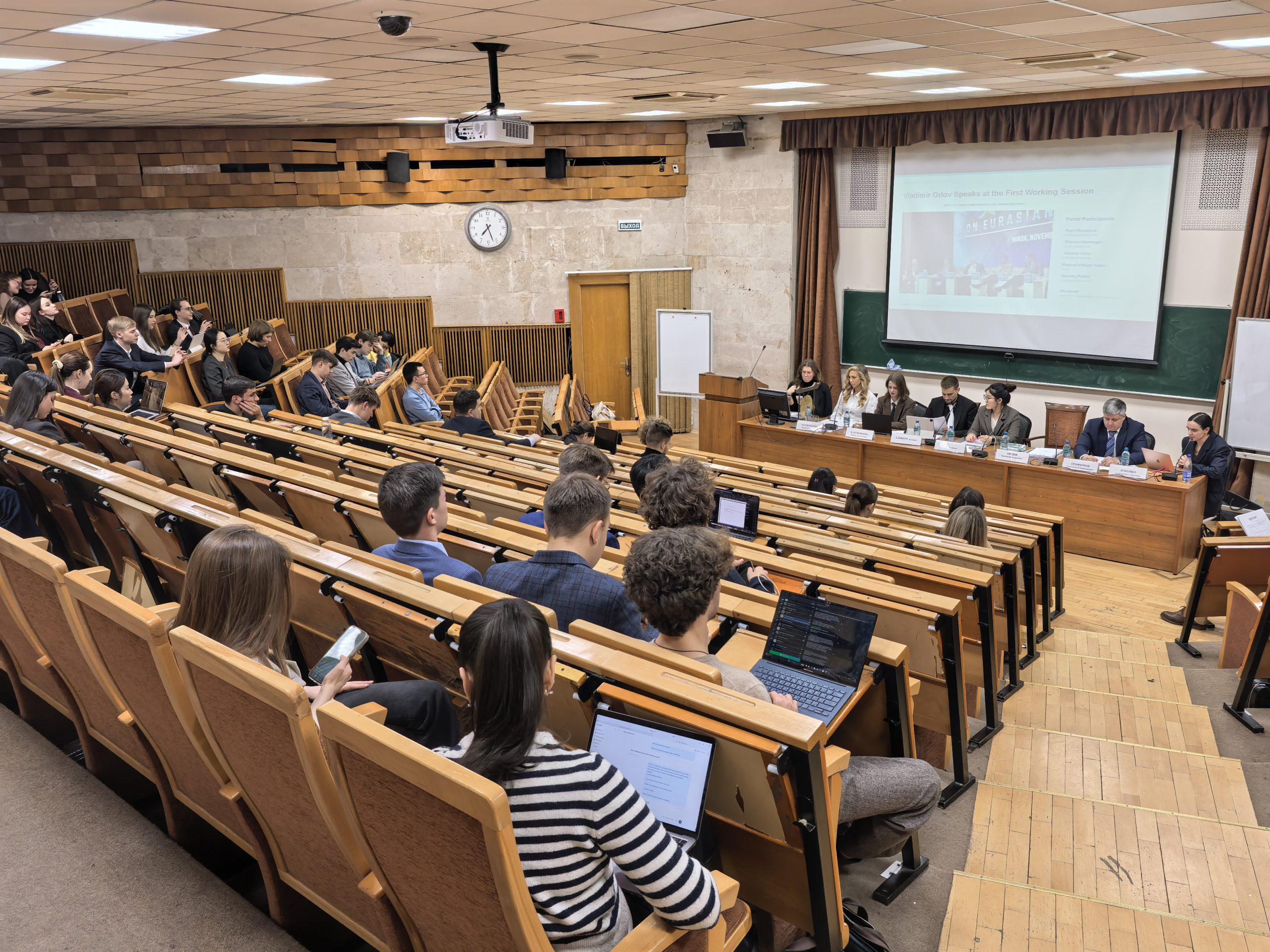
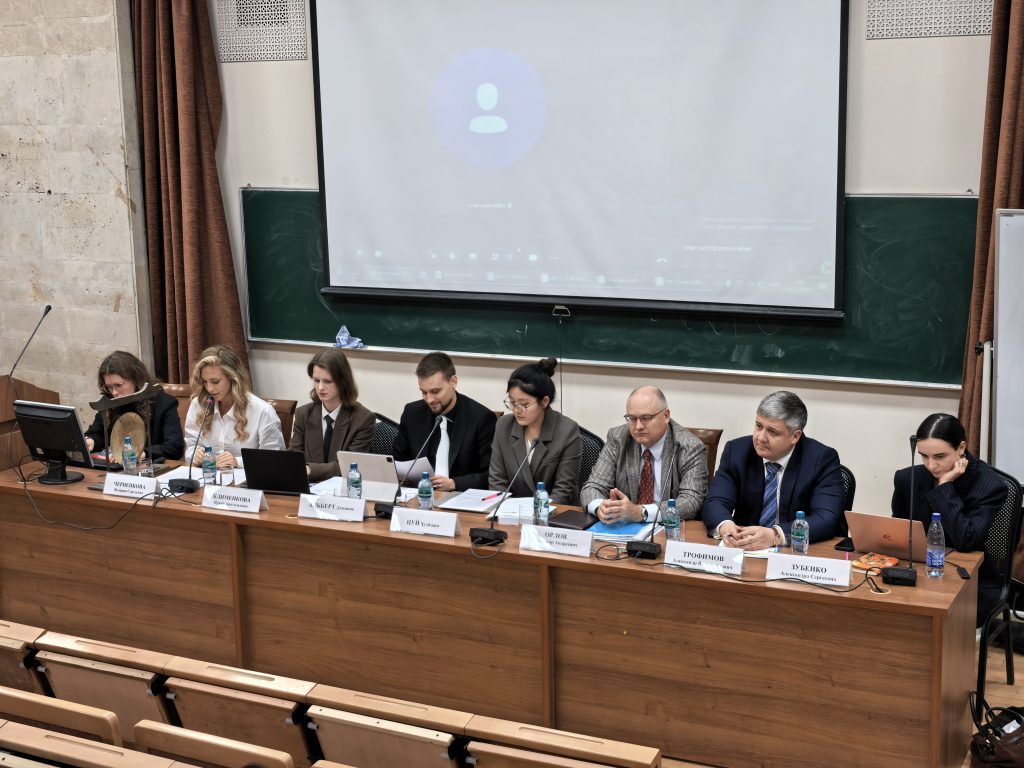
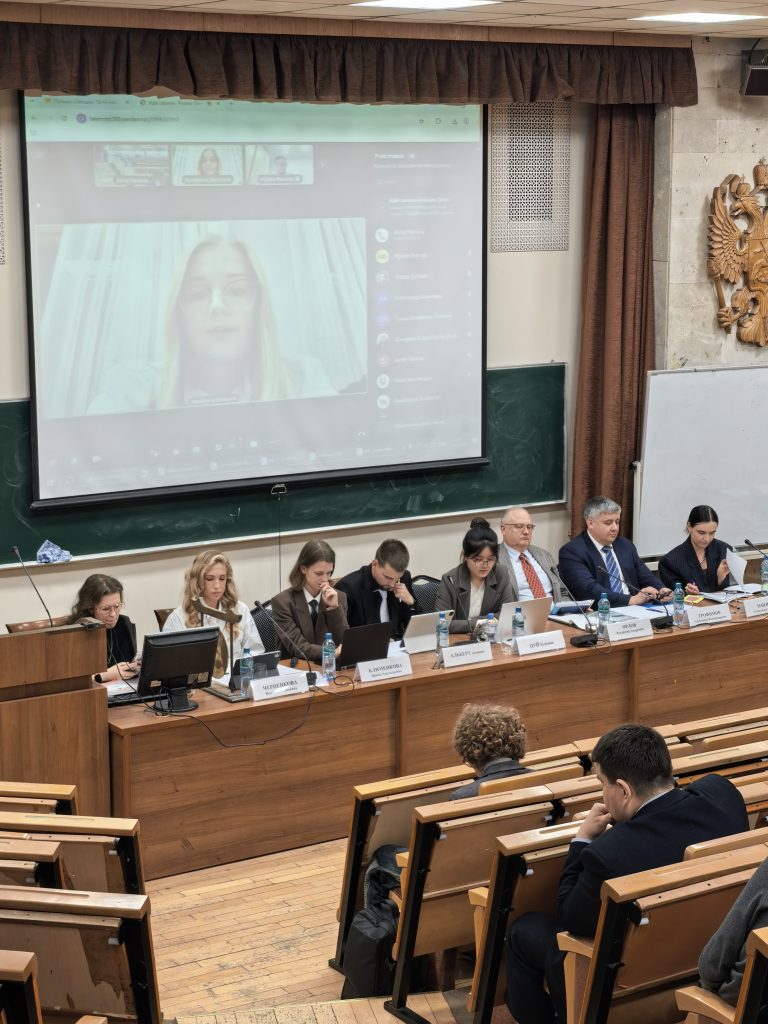
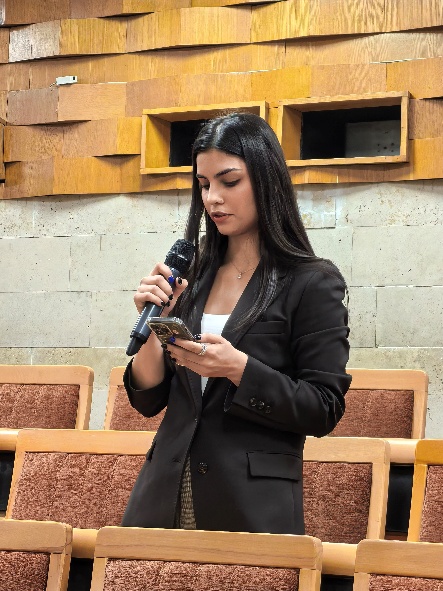
On November 12, 2026, PIR Center and MGIMO held an International Seminar for Young Professionals on the topic “Eurasian Security in a Multipolar World: Prospects, Challenges, and Russia’s Interests. Youth Perspectives on the Key Findings of Security Index Yearbook, Vol. 2” as part of PIR Center’s Midweek Brainstorming Session. The starting point for the discussion was the second volume of the Security Index Yearbook – a study by PIR Center and MGIMO devoted to key trends and challenges in international security. The discussion was based on two chapters of the Yearbook: “Security Across the Eurasian Space: The Architecture That Unites” by Alexander Trofimov, Ambassador-at-Large of the Ministry of Foreign Affairs of the Russian Federation, and “Eurasian Charter of Diversity and Multipolarity in the XXI Century” by Maksim Ryzhenkov, Minister of Foreign Affairs of the Republic of Belarus. The event was held in English. Valeria Chernenkova, a second-year student in the MGIMO and PIR Center joint International Security master’s program, moderated the seminar.
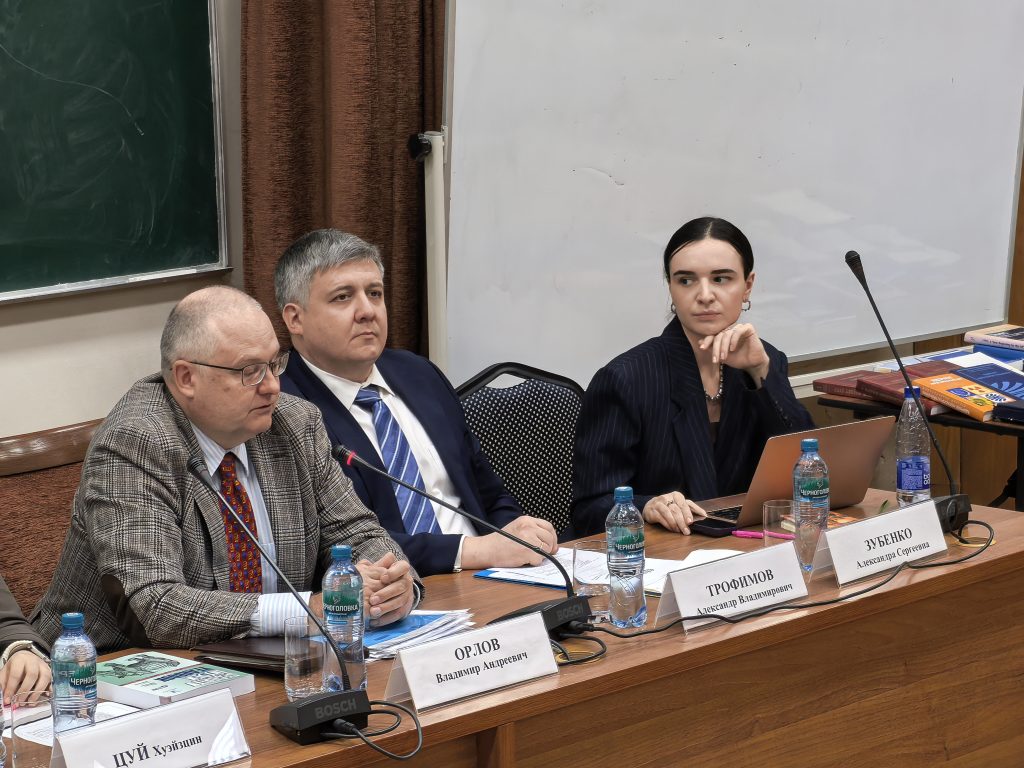
The meeting was opened by Vladimir Orlov, Founder and Director of PIR Center, professor at MGIMO, and academic supervisor of the MGIMO and PIR Center joint International Security master’s program. He characterized the Eurasian security architecture as an emerging process and drew the participants’ attention to the fact that the second volume of the Security Index Yearbook reflected the current state of the discussion. Alexandra Zubenko, Deputy Director of PIR Center, presented the results of the PIR Center delegation’s participation in the IV Minsk International Conference on Eurasian Security, which was held on November 3-4, 2026. The central theme of the discussions was the Eurasian Charter of Diversity and Multipolarity; more than 800 representatives from over 50 countries took part in the conference.
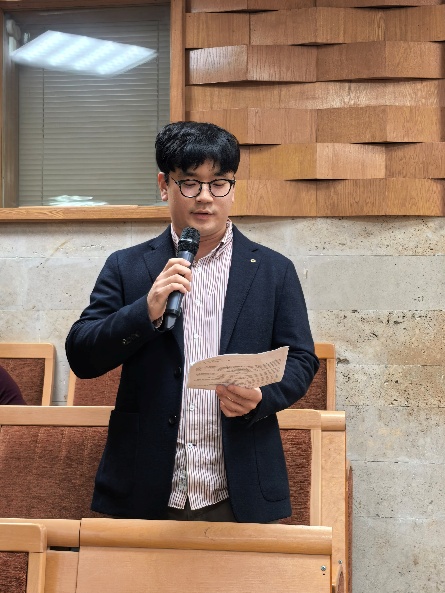
Second-year students of the MGIMO and PIR Center joint International Security master’s program, Dominik Albert, Irina Klimenkova, and Cui Huizheng, delivered their presentations.
Dominik Albert’s speech focused on comparing the approaches of the authors of the Yearbook chapters under discussion. The speaker noted that, for Maksim Ryzhenkov, the Charter served as a political framework based on the principles of sovereign equality, respect for diversity, inclusiveness, and consideration not only of military security but also of economic development, technology, and humanitarian cooperation, whereas Alexander Trofimov proposed a network model: connecting existing organizations (CSTO, SCO, CIS, ASEAN) and bilateral agreements instead of creating a single centralized structure. Dominik Albert also proposed criteria for assessing the security architecture of the future and options for initial practical steps.
The second speaker, Irina Klimenkova, pointed to the difference between commitments that can be agreed upon independently and those that require joint elaboration, based the example of the Central Asian Nuclear-Weapon-Free Zone, negative security assurances from nuclear powers, and the six-party talks on the DPRK. Considering Russia’s treaties with Iran and the DPRK as elements of a broader architecture, the speaker emphasized the need to separately assess the deterrent effect and the risk of escalation for third countries and proposed a procedure for mutual requests regarding unusual military activity following the logic of the Vienna Document.
Cui Huizheng concentrated on the institutional dimension: both chapters move “Eurasia” from a geographical category to an institutional agenda, but the question of the compatibility of organizations with different decision-making logics – the SCO, ASEAN, CICA, CSTO, and CIS – requires further elaboration. The speaker gave an illustrative example: at the Minsk Conference, a Chinese representative welcomed the launch of negotiations, but China was not among the signatories of the Joint Statement on the launch of negotiations on developing the Eurasian Charter (September 2026) and retained its own conceptual framework (“common, comprehensive, cooperative and sustainable security”). Cui Huizheng explained this as a feature of multipolar interaction, in which support for the general direction does not require mandatory acceptance of another’s institutional form.
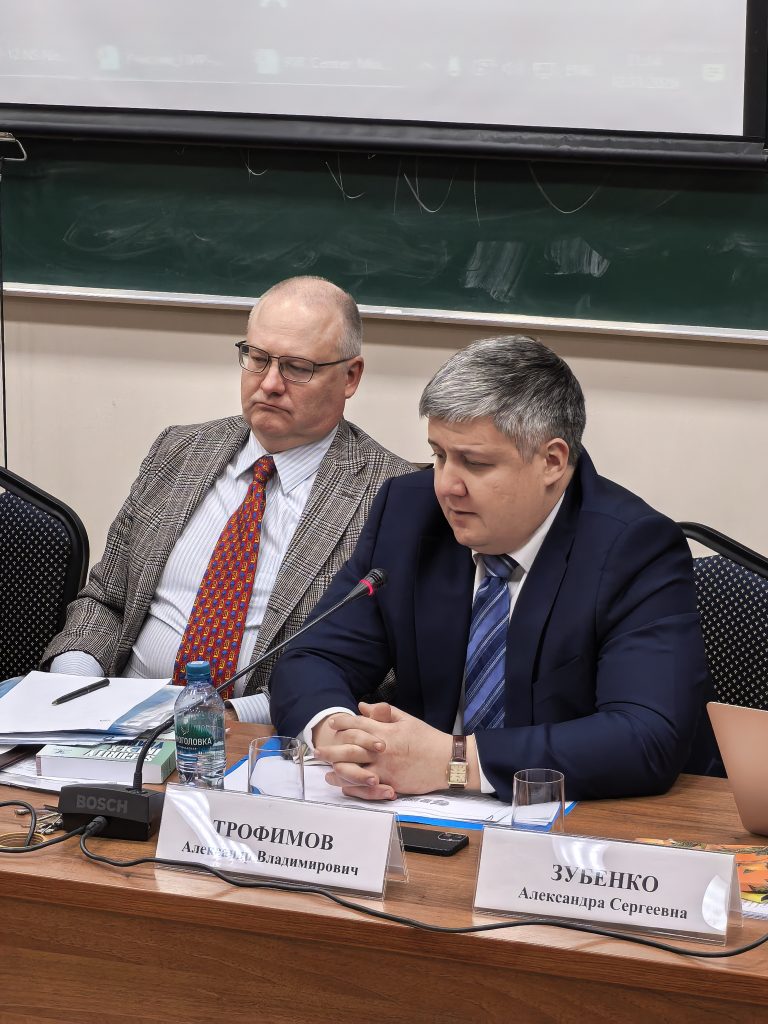
Alexander Trofimov also offered his comments, emphasizing that the proposed Eurasian security architecture is a network of agreements, declarations, and confidence-building measures – collective work that makes it possible, if necessary, to correct an individual fragment. Responding to questions, the expert noted that the process was at an early stage, with dialogue being under way with China and Arab states, and the task lying not in forcing anyone to take sides.
During the discussion, participants from Russia and 15 foreign countries, including Belarus, China, India, Bolivia, Egypt, Côte d’Ivoire, Slovakia, Romania and the Republic of Korea, expressed their views on Eurasian security and addressed questions about the nature of guarantees within the CSTO, the feasibility of a continental framework given the significant diversity of the region, the relationship between the sovereign right to choose alliances and the principle of indivisible security, and expectations of the planned meeting of the leaders of Russia, China, and the United States. For example, Greg Yoo, MGIMO student, Republic of Korea, emphasized that South Korea needs to reduce its dependence on the United States in ensuring national security and strengthen its independent military capabilities. He also highlighted that the development of inter-Korean dialogue, would contribute to a broader Eurasian security architecture. Another participant, Irina Bajaj, PhD applicant at MGIMO, India, congratulated PIR Center and MGIMO on the publication of Security Index Yearbook 2026-2027 Vol. 2, welcoming its contribution to discussions on international affairs, and noted that regional responsibility for security should not exclude cooperation with external partners. For his part, Victor Muchin, RUDN University student, Slovakia, expressed Slovakia’s interest in strengthening partnerships with different countries, including Russia and China, on the basis of common interests and mutually beneficial cooperation. Polina Schurok, Belarusian State University and Dalian University of Technology Joint Institute student, Belarus, supported the principle of indivisible security, praised the Eurasian Charter of Diversity and Multipolarity in the 21st Century and stressed that the initiative should remain open to European countries. Dr. Raj Kumar Sharma, Associate Professor of International Relations в SDU University, India, also highly esteemed the second volume of the Security Index Yearbook and highlighted India’s role in the Eurasian security landscape. Polina Siaka Shiffora, RUDN University student, Côte d’Ivoire, welcomed the Yearbook as an important contribution to presenting Russia’s and Eurasia’s priorities, challenges, and approaches to international security and emphasized that Russian and Eurasian perspectives need greater international visibility, particularly in African and international media. Lastly, Javier Jonathan Salazar Segales, CICRAL representative, Bolivia, highlighted that multipolarity is an opportunity for Latin American countries to diversify their international partnerships while maintaining strategic autonomy. It was concluded that more precise basic concepts were needed, since without them general formulations threatened to remain insufficient for practical application.
During the discussion, Russian and foreign participants expressed their views on Eurasian security and addressed questions about the nature of guarantees within the CSTO, the feasibility of a continental framework given the significant diversity of the region, the relationship between the sovereign right to choose alliances and the principle of indivisible security, and expectations of the planned meeting of the leaders of Russia, China, and the United States. It was concluded that more precise basic concepts were needed, since without them general formulations threatened to remain insufficient for practical application.
In his closing remarks, Vladimir Orlov shared his personal impressions of the IV Minsk International Conference on Eurasian Security, noting the expanded participation of high-ranking officials from Russia, Belarus, Kazakhstan, Myanmar, Iran, and other Eurasian states. Vladimir Andreyevich also mentioned growing interest in the platform on the part of representatives of Western European states.
Keywords: Security Index Yearbook; Eurasia; Russia; China; USA; multipolarity; security