
№ 1 (4), 2026. Notes from Zambia

September 10, 2026

From July, 30 to August, 30 this year, I had the good fortune of completing an internship at the Embassy of the Russian Federation in the Republic of Zambia. This opportunity was made possible by the considerable support of MGIMO University, as well as by the Embassy’s own willingness to host me as an intern. During my time at the mission, I gained an understanding of Zambia’s political system and had the chance to practise both my English and my skills in drafting diplomatic notes.
Another key element of the trip was an immersion in the country’s energy sector, and specifically its nuclear dimension. The Embassy staff helped me to verify many of the assumptions and hypotheses I had formed earlier concerning Zambia’s readiness to undertake its first nuclear power project, and they also directed me to information resources in which I was able to find everything required to prepare this short article (In Russian):
The state of nuclear safety and safeguards implementation in the Republic of Zambia is characterized by a pronounced asymmetry. On the one hand, the country possesses a functioning regulator, an active ionizing radiation protection act, a developing regulatory framework, and positive assessments from two IAEA advisory missions. On the other hand, this entire structure is built around radioactive sources and materials outside of regulatory control, while a regime for handling nuclear material is almost completely absent. The transition of the SQP to the revised standard text in 2025 should be viewed as a turning point. It did not solve the problem, but transformed it from a deferred issue into an urgent one, as it created real reporting and inspection access obligations for Zambia for the first time. It is from this exact moment that the countdown to creating a national system of accounting for and control of nuclear material formally begins. To be ready for the adoption and implementation of a peaceful nuclear energy project, it is of decisive importance that Zambia immediately carry out reforms of its nuclear sector by amending legislation and strengthening the role of institutions.

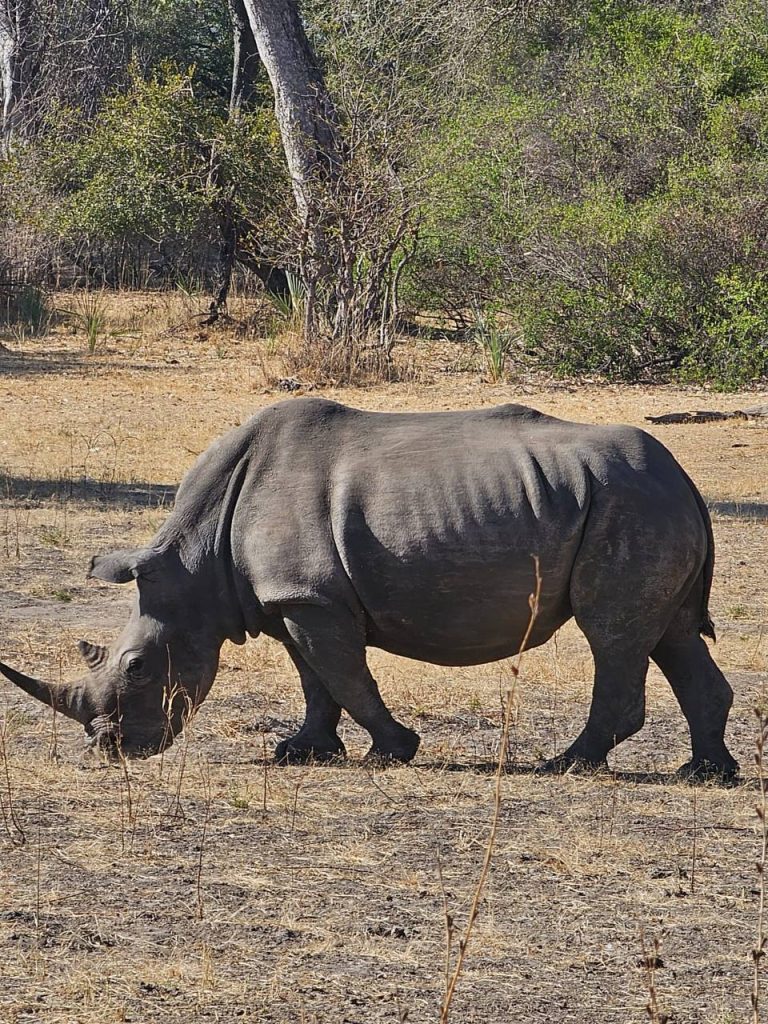
I certainly cannot allow myself to omit a description of Zambia as a destination in its own right. This journey will stay with me above all for the safari across the picturesque savannah, teeming with magnificent wild animals in their natural habitat, and for the visit to Lusaka National Park, where we saw rhinoceroses at close quarters. The country is beautiful not only for its wildlife but also for its kind and welcoming people, who are always ready to ask, quite spontaneously, how you are getting on.


August 30, 2026
Mr. Andrey Kupriyanov
Lusaka
Keywords: Zambia; nuclear energy; safeguards
AFR
E16/NOS – 26/09/10
