
№ 18 (66), 2026. PIR Center hosted a seminar on «Nuclear Weapons on Polish Soil: A Bluff or a Real Threat?»
May 14, 2026
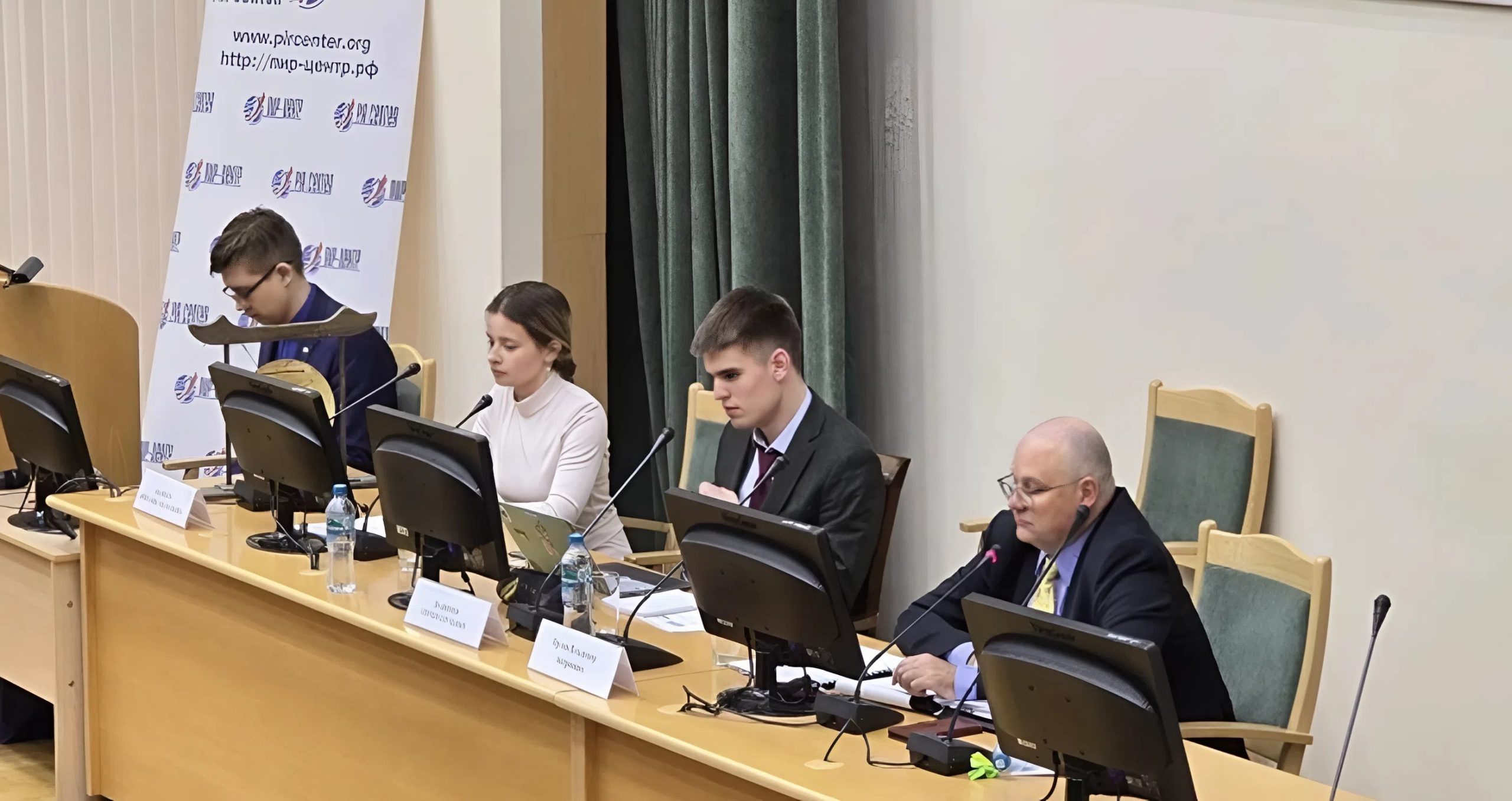
MOSCOW. MAY 14, 2026. PIR-PRESS. «The only viable dimension of the “Polish nuclear dossier” remains civil nuclear energy, a field in which the Polish leadership has recently achieved significant progress», – said Mr. Sergey Shashinov, PIR Center intern and student of MA Program International Security (implemented by MGIMO University jointly with PIR Center).
PIR Center, jointly with MGIMO University, held a seminar on the topic “Nuclear Weapons on Polish Soil: A Bluff or a Real Threat?” The keynote speaker at the seminar was Mr. Sergey Shashinov, PIR Center intern and student of the MA Program International Security. Dr. Vladimir Orlov, PIR Center Director, has served as the scientific advisor of Mr. Sergey Shashinov’s research paper.
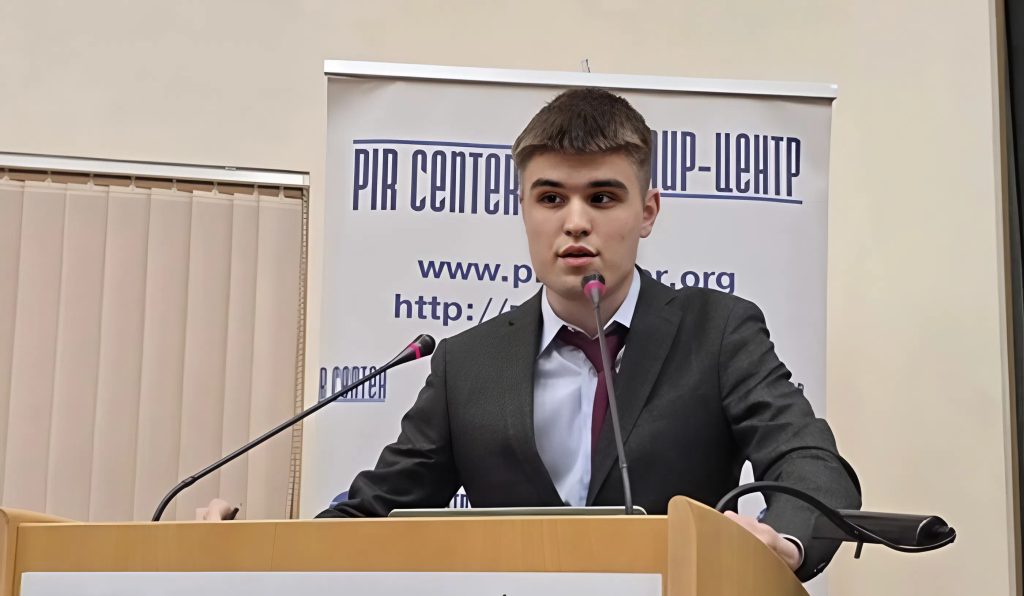
At the beginning of the presentation, the author delineated the research goals and objectives, the methodological framework, and the key institutions engaged in geopolitical studies in Poland. Prior to discussing technical capabilities, the speaker elucidated the doctrinal aspects underpinning the national leadership’s foreign policy thinking, which directly form the country’s nuclear aspirations.
In addressing the historical background, the author examined key milestones such as the Rapacki Plan, the deployment of Soviet tactical nuclear weapons in Poland, and the activities of Colonel Ryszard Kukliński. The speaker noted: “The evolution of the ‘Polish nuclear dossier’ from the end of the Cold War until 2022 was characterized by a dual nature, with Warsaw’s nuclear ambitions primarily shaped by two factors: NATO’s ‘Three Nos’ policy and the role of nuclear weapons within U.S. military strategy. However, following the events of 2022, there has been a noticeable surge in public interest regarding nuclear weapons, and since 2024, the expert community has been engaged in discussions concerning a future Polish nuclear deterrence strategy.”
In characterizing the current foreign policy line of the leadership, the speaker noted that “Poland’s contemporary foreign policy is built upon 20th-century national geopolitical concepts, and the Polish leadership is currently prioritizing a conventional deterrence strategy, with a focus on modernizing all branches of the armed forces.”
To characterize Warsaw’s nuclear ambitions, the author analyzed 20th-century Polish geopolitical concepts. The study examines four scenarios for the presence of nuclear weapons on Polish territory: the development of an independent nuclear capability; the acquisition of nuclear guarantees from France within the framework of a European nuclear deterrence system; enhanced Polish participation in NATO’s nuclear sharing arrangements followed by the stationing of the U.S. nuclear weapons in the country; and the modernization of the transatlantic approach to nuclear deterrence on the European continent.
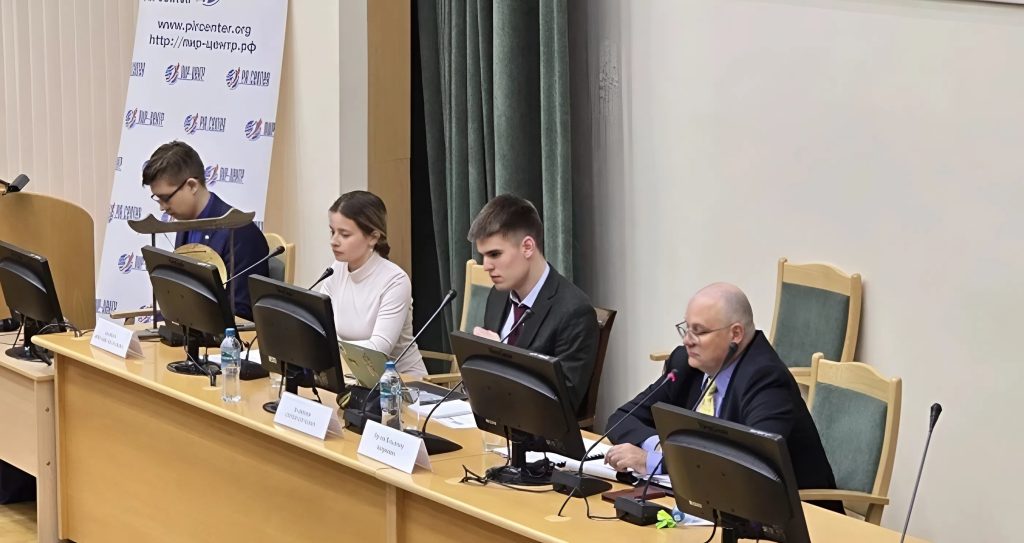
In conclusion, the speaker asserted that the implementation of all aforementioned scenarios regarding the emergence of nuclear weapons in Poland remains, to varying degrees, unlikely. However, the shift in Warsaw’s rhetoric should warrant caution on the Russian side, given that Warsaw lacks foreign policy autonomy regarding the acquisition or development of its own nuclear potential. Sergey Shashinov concluded: “Civil nuclear energy remains the only viable dimension of the ‘Polish nuclear dossier’.”
The research paper was reviewed by Dr. Andrey Zagorsky, PhD in History, Head of Department at IMEMO RAS and Professor at MGIMO University, and Dr. Igor Putintsev, Ph.D. in History, Vice-Rector for language and pre-university education and Associate Professor at the Department of European and American Studies. In his comments, Andrey Zagorsky noted that the research addresses a highly relevant and significant topic in contemporary European politics that warrants rigorous analysis. Dr. Igor Putintsev, in turn, emphasized that the work deserves the highest commendation, considering the conducted analysis of the nuclear factor role in Warsaw, as well as the author’s conclusion regarding changes of Poland’s nuclear track in the contemporary period. Following the review of the referees’ reports, the defense concluded with a Q&A session. At the end of the seminar, Mr. Sergey Shashinov received an excellent mark for his research work.
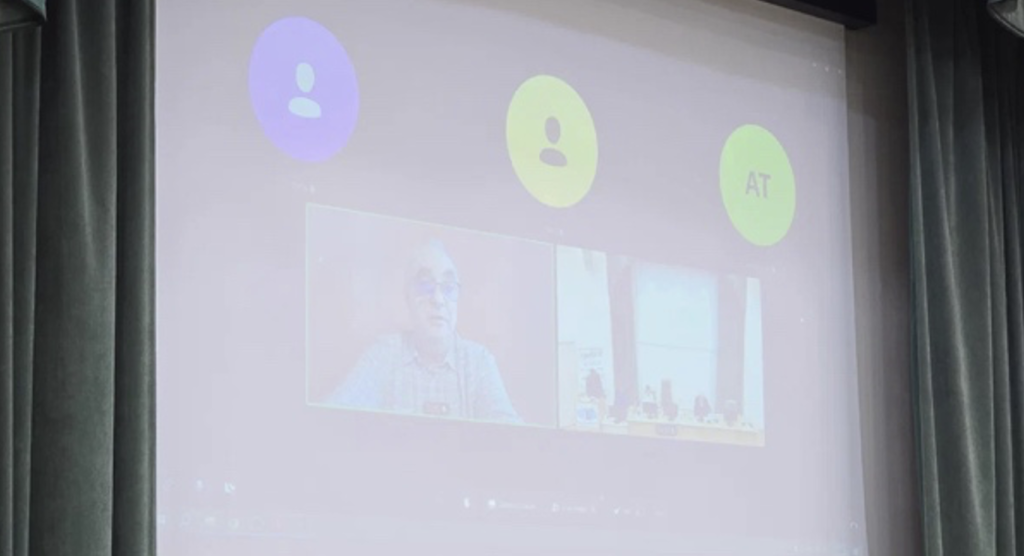
A video recording of the expert seminar and the speaker’s presentation are now available on PIR Center website in the “NONPROLIFERATION.WORLD” section, under the subsection of the online-course titled “Current Issues in International Security 2025–2026: PIR–MGIMO Seminar Series” (in Russian).
Keywords: International Security; Poland; Nuclear Weapons
NINE
E16/SHAH – 26/05/14
